
Trump Threatens Tech Export Limits and 100% Tariff on Chinese Imports Starting November 1
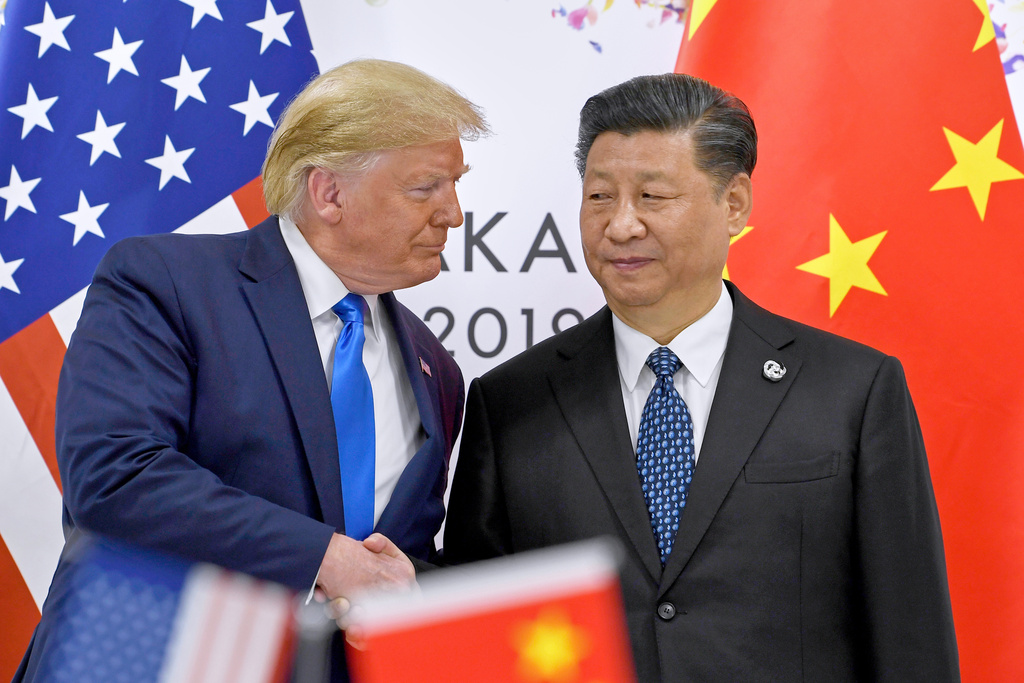
Escalating Tensions Between the U.S. and China
President Donald Trump has announced a new 100% tax on Chinese imports, set to take effect on November 1 or sooner. This move could reignite a trade war that previously caused global economic concerns. The president made the announcement through his social media platform, stating that the tariffs are a response to export controls imposed by China on rare earth elements.
The tariff increase comes after Trump expressed uncertainty about meeting with Chinese leader Xi Jinping during an upcoming trip to South Korea. He suggested that there might be no reason for the meeting, highlighting the deteriorating relationship between the two nations. Trump emphasized that the U.S. would impose these tariffs "over and above any Tariff that they are currently paying."
This announcement has raised concerns among financial markets, as it could lead to significant economic turmoil. The potential for increased import taxes on top of existing 30% levies could disrupt trade relations between the U.S. and China, possibly leading to a global economic slowdown. While Trump's statements were firm, he is known for retracting previous threats, which has led some investors to engage in what is called the "TACO" trade—short for "Trump Always Chickens Out."
Impact on the U.S. Economy
The possibility of such high tariffs could exacerbate existing political challenges within the U.S. It may also contribute to rising inflation at a time when the job market is already fragile. Additionally, the effects of a government shutdown are beginning to manifest in federal worker layoffs, adding to the economic pressure.
In response to China's actions, the U.S. government has indicated it will implement its own export controls on critical software from American firms. This escalation in trade tensions highlights the ongoing struggle between the two nations over technological dominance and resource access.
China's New Restrictions
China has recently imposed restrictions on the export of rare earth elements, which are essential for various technologies. These restrictions require foreign companies to obtain special approvals for shipping these materials abroad. Additionally, China has introduced permitting requirements for exports of technologies used in mining, smelting, and recycling rare earths. Any export requests related to military goods will be rejected.
Trump criticized these moves, calling them "especially inappropriate," especially given the recent ceasefire announcement between Israel and Hamas. He questioned whether the timing of China's restrictions was coincidental, suggesting it might be an attempt to overshadow his efforts in the conflict.
Analyst Perspectives
Experts have weighed in on the implications of these developments. Sun Yun, director of the China program at the Stimson Center, noted that while Beijing has reacted to U.S. sanctions, there is still room for de-escalation to preserve the leaders' meeting. However, she emphasized that mutual de-escalation is necessary.
Gracelin Baskaran, director of the Critical Minerals Security Program at the Center for Strategic and International Studies, pointed out that China holds significant leverage in the rare earth market, controlling 70% of mining and 93% of production of permanent magnets. These restrictions could hinder U.S. industrial development and military capabilities.
Historical Context
The previous trade war between the U.S. and China saw tariffs reach levels that effectively blocked trade between the countries. Negotiations eventually reduced these rates to 30% for the U.S. and 10% for China. However, the current situation threatens to undo these efforts, raising the stakes for future negotiations.
Differences persist over access to rare earths, U.S. restrictions on advanced computer chips, soybean sales, and port fees. Nebraska Republican Rep. Don Bacon criticized China's unfair trade practices but acknowledged that the Trump administration should have anticipated these responses.
Future Outlook
Analysts remain divided on how the situation will unfold. Wendy Cutler of the Asia Society Policy Institute highlighted the fragility of the current détente between the two countries. Cole McFaul of Georgetown University's Center for Security and Emerging Technology noted that China feels confident in its ability to handle the Trump administration, having extracted key concessions in past negotiations.
Craig Singleton of the Foundation for Defense of Democracies warned that Trump's post could signal the end of the tariff truce. He emphasized the risk of mutual disruption, with both sides reaching for economic weapons without showing willingness to back down.
As the situation evolves, it remains unclear how Trump intends to follow through on his threats and how China will respond. The potential for further escalation underscores the delicate balance of power between the world's two largest economies.

Post a Comment for "Trump Threatens Tech Export Limits and 100% Tariff on Chinese Imports Starting November 1"
Post a Comment