
Trump Threatens Tech Export Restrictions, 100% Tariff on Chinese Imports Starting Nov. 1
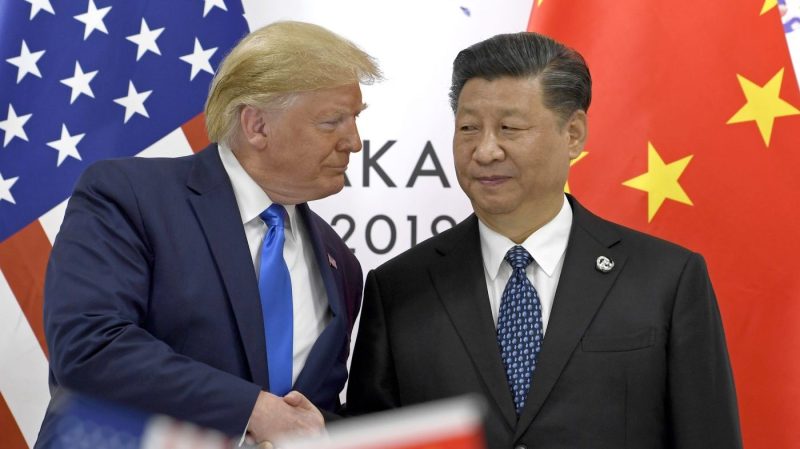
President Trump Announces 100% Tariffs on Chinese Imports
President Donald Trump has announced a new round of tariffs on Chinese imports, setting a potential date of November 1, 2025, for the implementation. This move could escalate tensions between the United States and China, potentially leading to a global economic crisis. The president made the announcement through his social media platform, stating that these new tariffs are in response to China's export controls on rare earth elements.
The new tariffs come on top of existing import taxes, which have already placed a 30% tariff on Chinese goods. If implemented, these additional taxes could lead to a breakdown in trade relations between the two countries, affecting global economic growth. The announcement was made after financial markets had already closed for the day, raising concerns about the potential impact on the global economy.
The "TACO" Trade and Investor Reactions
Trump is known for making bold statements, but he has also been known to backtrack on some of his threats. This has led some investors to engage in what The Financial Times calls the "TACO" trade—short for "Trump Always Chickens Out." This strategy involves betting that Trump will not follow through on his threats, which could affect market stability.
The potential for high tariffs could also have political implications for Trump within the United States. With the job market showing signs of fragility and government shutdowns causing layoffs, increasing inflation could be a significant concern. Additionally, the president has indicated that the U.S. government will impose its own export controls on critical software from American firms, further complicating the trade landscape.
Trade Talks and Tensions
The U.S. and China have been engaged in ongoing trade talks, with both nations attempting to reduce tensions. Earlier this year, they agreed to lower tariffs after negotiations in Switzerland and the United Kingdom. However, recent actions by China, such as restricting access to rare earth elements, have reignited concerns about a potential trade war.
China has imposed restrictions on the export of rare earth elements, requiring foreign companies to obtain special approvals for shipping these materials abroad. These measures add complexity to the global supply chain, particularly for industries reliant on rare earths for technologies like electronics, computer chips, and military equipment.
Impact on Global Supply Chains
The European Union Chamber of Commerce in China has expressed concerns about the added complexity to the global supply chain caused by China's latest export control announcements. These restrictions could hinder the development of the U.S. industrial base, especially at a time when technological advancement is crucial.
Gracelin Baskaran, director of the Critical Minerals Security Program at the Center for Strategic and International Studies, noted that while China has shown openness to negotiations, it holds significant leverage due to its dominance in the rare earth market. This leverage could influence future trade discussions and negotiations.
Historical Context of U.S.-China Trade Wars
A previous trade war between the U.S. and China saw tariffs reach alarming levels, with the U.S. imposing tariffs totaling 145% on Chinese goods and China responding with import taxes of 125% on American products. These high tariffs effectively blocked trade between the two countries, prompting negotiations that eventually reduced the rates to 30% for the U.S. and 10% for China.
However, the current situation could reverse these reductions, raising the stakes for any potential meetings between Trump and Chinese leader Xi Jinping. The outcome of these discussions could significantly impact how disputes are resolved between the two nations.
Ongoing Disputes and Future Implications
Differences continue over America’s access to rare earths from China, U.S. restrictions on China’s ability to import advanced computer chips, sales of American-grown soybeans, and a series of tit-for-tat port fees being levied by both countries.
Analysts suggest that Trump’s post highlights the fragility of the current détente between the U.S. and China. It remains unclear whether both sides are willing to de-escalate tensions to save the bilateral meeting. Some experts believe that China may feel confident in its position, having extracted key concessions during previous negotiations.
Conclusion
The situation between the U.S. and China remains volatile, with the potential for further escalation if either side continues to take aggressive actions. As the world watches closely, the outcomes of these trade disputes could have far-reaching consequences for the global economy and international relations.

Post a Comment for "Trump Threatens Tech Export Restrictions, 100% Tariff on Chinese Imports Starting Nov. 1"
Post a Comment