
Trump's Cash Demands Hinder South Korea Deal
Key Stumbling Block in U.S.-South Korea Trade Talks
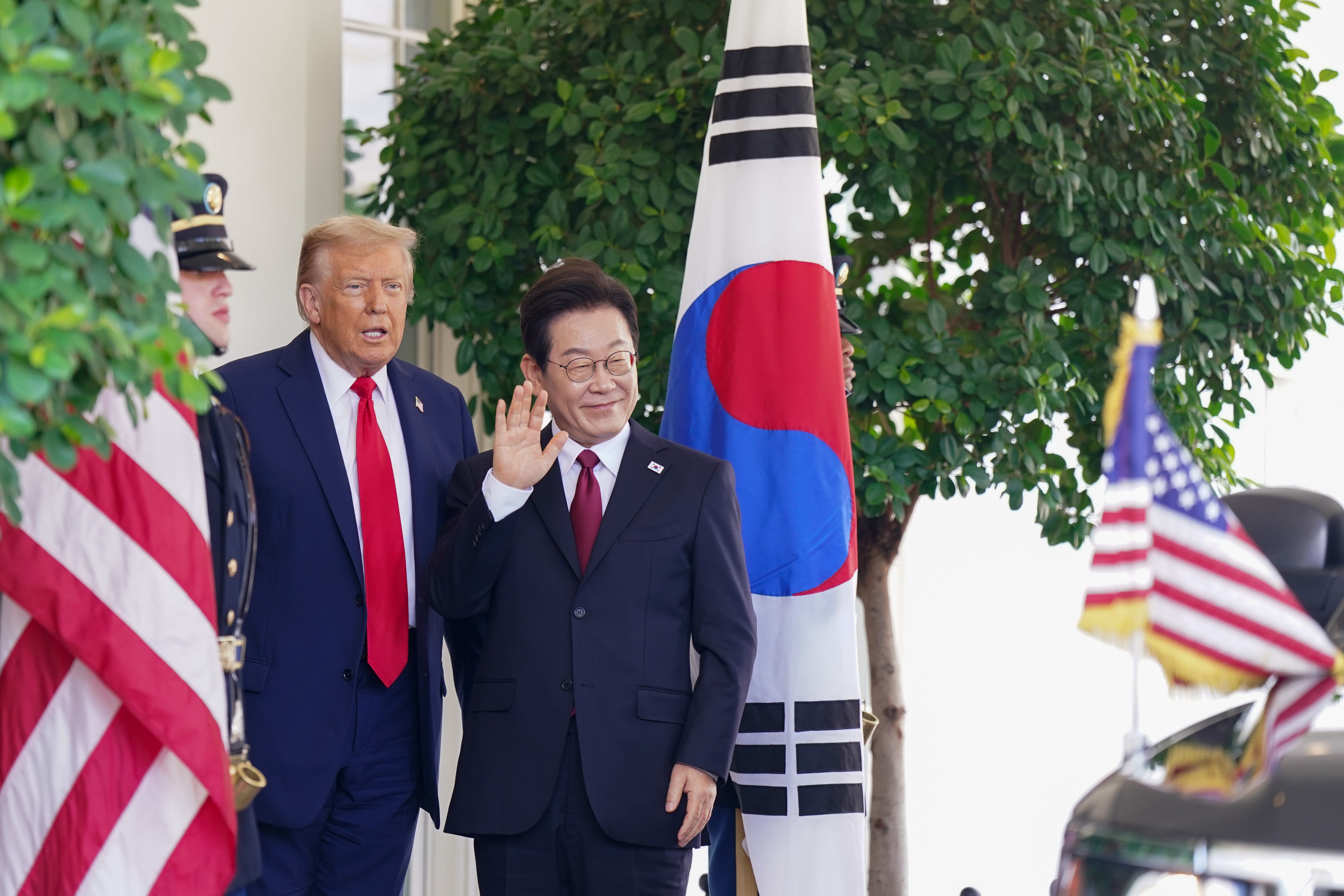
The United States and South Korea are still at odds over a critical aspect of their tentative trade agreement, which was signed earlier this summer. Despite the pressure from the U.S. administration to finalize the deal during President Donald Trump’s recent visit to South Korea, the two countries remain divided on key terms.
South Korea is resisting the U.S. demand for an upfront payment of $350 billion as part of the investment pledge made in July. Officials in Seoul have warned that such a move could severely impact their economy and destabilize the value of their currency, the won. According to three individuals involved in the negotiations, the U.S. is now considering some flexibility in its initial demands.
“The details of the investment are the major stumbling block,” said one person familiar with the talks, who spoke on condition of anonymity. “It's not been decided what the sources of those funds will be — whether it includes loans or loan guarantees — and the process for investment project selection and profit sharing.”
This disagreement highlights the challenges faced by the administration in turning foreign investment pledges into concrete agreements. In addition to South Korea, Japan and the European Union have also pledged significant investments in the U.S. in exchange for lower tariff rates. However, they too have expressed concerns over the initial terms for spending the money demanded by Trump and his top officials.
Any concessions made to South Korea could set a precedent for other countries negotiating with the U.S. Treasury Secretary Scott Bessent acknowledged that the deal is unlikely to be finalized during Trump’s trip to Asia.
“[There's] just a lot of details to work out,” Bessent told reporters on Air Force One. “It's a very complicated deal and I think we're very close.”
Economic Concerns and Investment Flexibility
South Korea has raised concerns about the financial burden of the investment pledge relative to its smaller economy compared to Japan. The Bank of Korea estimates that the maximum amount Seoul can provide without destabilizing its currency market is around $20 billion per year. Additionally, South Korea requested a currency swap line, but this request was denied by the U.S. Federal Reserve.
Despite these challenges, the U.S. has proposed accepting investments in South Korea’s currency, which South Korean leadership viewed as a sign of flexibility. South Korean Finance Minister Koo Yun-cheol recently stated that the U.S. understands the current state of Korea’s foreign exchange market and that Seoul cannot make upfront payments.
South Korea has pushed for a mix of direct investments, loans, loan guarantees, and other financial safeguards to spread payments over a longer timeline. Negotiators appear to be converging on greater financing flexibility, although project selection criteria and the investment timeline remain unresolved.
Visa Issues and Immigration Concerns
In addition to economic concerns, the U.S. and South Korea are also working on creating a path for highly skilled workers to enter the U.S. to establish new manufacturing plants funded by Korean investors. This issue has become more pressing after a September raid at a Hyundai plant in Georgia, where about 475 people, mostly South Koreans, were detained.
While both sides have committed to finding a system to ease the visa process, the raids have caused concern among South Korean businesses wary of the Trump administration’s hard-line immigration policies. Many companies fear that sending employees to the U.S. could result in them being targeted by U.S. Immigration and Customs Enforcement (ICE) raids.
“In my discussions with Korean conglomerates, the chaebols, they're saying, 'You want our money, you want our investment, but we need to be able to send our experts in and out to make sure that these plants are set up properly and that they can achieve the goals that we've set for them,'” said Tami Overby, a partner at DGA Group Government Relations.
Trump acknowledged these concerns, stating that the U.S. needs to find a way to allow foreign companies to bring in technical experts to set up facilities and train American workers. He promised “a whole new plan” for providing visas for these workers.
However, the U.S. and South Korea continue to haggle over the issue of high-skilled visas. A person familiar with the discussions noted that there is still no agreement, and more meetings are needed.
Ongoing Investment Plans
Despite the challenges, South Korean corporations with investments in the U.S. remain interested in proceeding with their projects. Overby emphasized that Korean companies still see the U.S. as a valuable market.
“Everybody needs to be realistic now. Korean companies were investing in the U.S. before these tariffs,” she said. “The U.S. is the world's largest market. It's a good market. They do well here.”

Post a Comment for "Trump's Cash Demands Hinder South Korea Deal"
Post a Comment