
What Comes Next After Senate Fails to Fund Government?
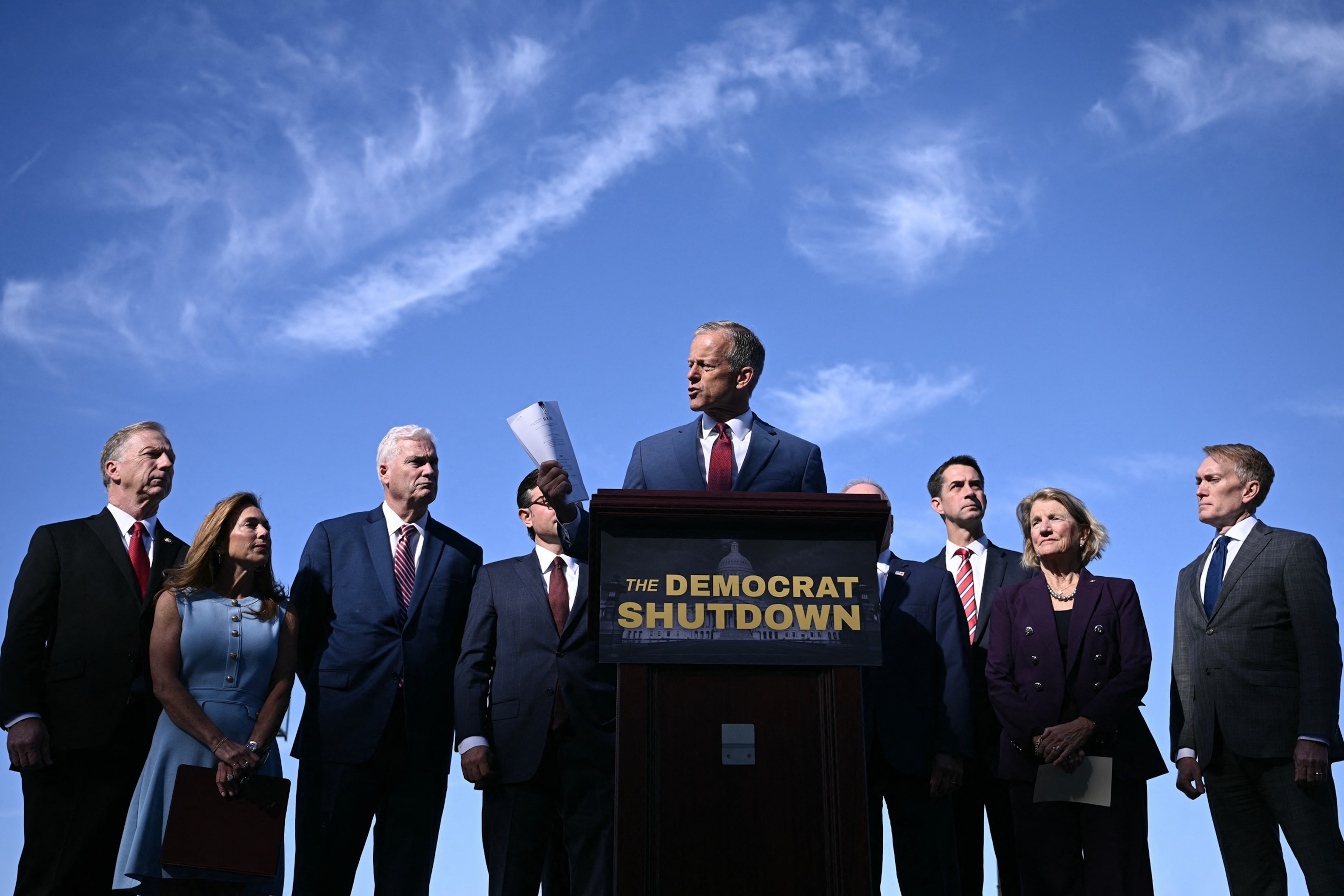
The Senate Faces Continued Stalemate in Government Funding Efforts
The Senate faced yet another day of political gridlock on Wednesday, marking the first full day of a government shutdown. The failure to pass funding bills has left many Americans wondering about the future of federal operations and the ongoing political battle between the two major parties.
This latest round of failed votes mirrored those from Tuesday, leading to the shutdown that officially began at 12:01 a.m. Wednesday. Both attempts to secure government funding fell short, with the Senate unable to reach a consensus on how to proceed. The next opportunity for a vote is expected on Friday, which could either end the shutdown or extend it further.
Blame Game Intensifies
As negotiations continue, both sides are pointing fingers at each other for the current impasse. Senate Majority Leader John Thune accused Democrats of shutting down the government by aligning with "the far left." He emphasized the impact on critical federal workers, including military personnel, border patrol agents, and air traffic controllers who are now working without pay.
In contrast, Senate Minority Leader Chuck Schumer criticized Republicans for dragging the country into a shutdown over their refusal to protect healthcare provisions. He argued that the Democratic stance on health care is non-negotiable and that Republicans should not be able to "bully" them into backing down.
Speaker Mike Johnson of the House also blamed Democrats for the shutdown, calling it entirely avoidable and urging them to pass a clean continuing resolution as they did in the House.
Bipartisan Efforts Emerge
Despite the deadlock, there were signs of bipartisan cooperation during Wednesday's session. A group of moderate senators, including Sens. Gary Peters, Jacky Rosen, Raphael Warnock, Ruben Gallego, and Ben Ray Lujan, met to discuss potential solutions. These discussions were described as preliminary, but they signaled a willingness to find a path forward.
One possible solution under consideration is a shorter-term funding bill that would provide additional time for negotiations on extending the Affordable Care Act tax credits. This approach aims to address the immediate need for funding while allowing more time to resolve deeper issues.
Sen. Mike Rounds, a key Republican negotiator, emphasized the importance of opening the government to continue discussions on healthcare. Meanwhile, Sen. Richard Blumenthal expressed hope that the shutdown could be resolved quickly and with minimal impact.
Key Votes and Voting Patterns
The Senate held two procedural votes on Wednesday, both of which failed. The first was a vote on the Democrats' funding proposal, which included healthcare provisions. It failed 47-53, with all Democrats voting in favor and all Republicans against.
The second vote was on a clean, House-backed Republican stop-gap funding bill. This also failed, with a vote of 55-45. While some Democrats, including Sens. Catherine Cortez Masto and John Fetterman, along with independent Angus King, voted with Republicans, no additional Democrats broke ranks. For the bill to pass, Republicans needed at least five more Democratic votes, which they did not secure.
Ongoing Negotiations and Future Outlook
Senate leaders have acknowledged the need for a compromise and are engaged in discussions with members of both parties. However, the path to a resolution remains unclear. With the next vote scheduled for Friday, the shutdown is likely to continue unless a deal is reached.
The situation highlights the deepening divide between the parties and the challenges of finding common ground in an increasingly polarized political environment. As the government remains shut down, the focus will likely remain on the upcoming vote and the potential for a breakthrough in negotiations.

Post a Comment for "What Comes Next After Senate Fails to Fund Government?"
Post a Comment