
Which Dog Breeds Are the Smartest? Discover Here
When it comes to choosing a dog, many people prioritize intelligence. A smart dog breed can be an excellent choice for those seeking a companion that is easy to train or one that can help protect their family or join them in hunting activities. Understanding the different aspects of canine intelligence can help potential pet owners make informed decisions.
Dr. Alex Crow, a licensed veterinarian and owner of PetHealthGuru.com, explains that there are various types of intelligence in dogs, including instinctive, adaptive, and working intelligence. He emphasizes that determining intelligence in dogs involves considering problem-solving abilities, memory, and adaptability. "Intelligence isn't just about obedience; it's about understanding and responding to situations," he says. Studies have shown that dogs with higher intelligence often form stronger bonds with their owners and can learn commands more quickly.
How Is Intelligence Determined in Dogs?
Dr. Julie Hunt, a Veterinary Consultant at Embrace Pet Insurance, highlights the distinction between intelligence and trainability. She notes, "The willingness and ability to work may actually measure trainability more than intelligence." While some highly intelligent animals may not want to work for humans, it's clear that dogs need at least a moderate level of intelligence to be trained for specific tasks. Trainability is often the most reasonable proxy measure for intelligence.
She also points out that some breeds may excel in empathy or emotional intelligence. These traits can make certain dogs better suited for roles such as therapy dogs or companions who form strong emotional connections with their owners. Many different breeds have been used as therapy dogs without a preference for any specific breed.
Are Smart Dog Breeds Easier to Train?
Intelligence and trainability are closely related, but not always directly proportional. Dr. Hunt states, "At least a reasonable degree of intelligence is required to be trained. How much intelligence may vary based on the specific task being taught." Once a dog has enough intelligence to perform a task, additional intelligence may not necessarily improve their trainability. In fact, very intelligent dogs can sometimes be more challenging to train because they may predict what they're being asked to do and perform it without being prompted. These dogs may recognize patterns like performing tasks in a certain order or location, which can lead to training difficulties if they misinterpret cues.
Do Smart Dog Breeds Require More Stimulation or Enrichment?
According to Dr. Hunt, intelligent breeds typically require more training, stimulation, and enrichment due to their active minds. Physical activity is essential in keeping these dogs satisfied. They thrive when given tasks, even simple ones like retrieving objects or navigating agility obstacles. Puzzle toys can be especially helpful for very intelligent dogs left alone for extended periods.
Dr. Crow adds, "I advise owners to provide their intelligent dogs with puzzle toys, scent work, and agility training to keep them engaged. As I always tell my clients, 'A bored dog is a recipe for disaster, but a stimulated dog is a joy to behold!'"
More Info for Dog Lovers:
40 Largest Dog Breeds with Pictures and Names
Small Dog Breeds That Stay Tiny
Best Lap Dogs for When You Need a Good Snuggle
Best Dog Breeds for Families
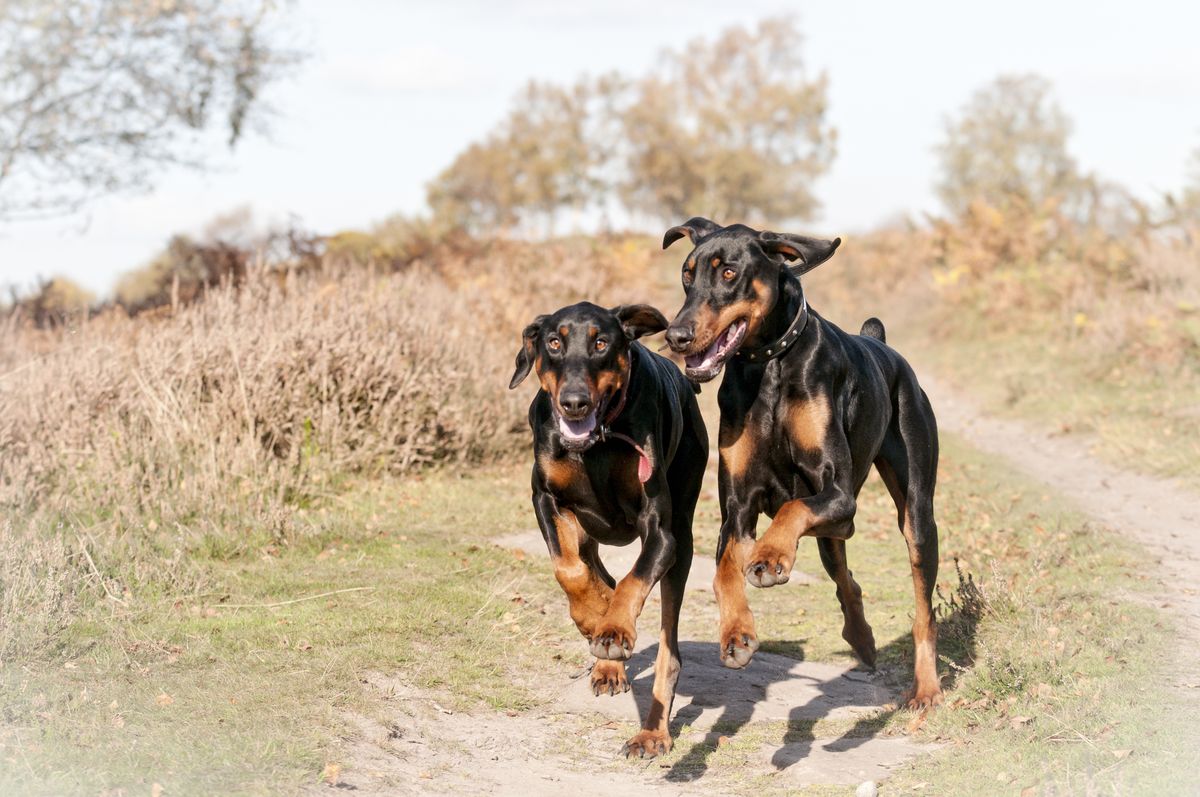
Doberman Pinscher
Dr. Alex Crow notes that Dobermans have "exceptional intelligence and trainability." These dogs are bred for protection and excel in obedience with proper training. While known for their physical attributes, including their shiny coats and muscular frames, they are also highly alert.
Height: 24-28 inches
Weight: 60-100 pounds
Life Expectancy: 10-12 years
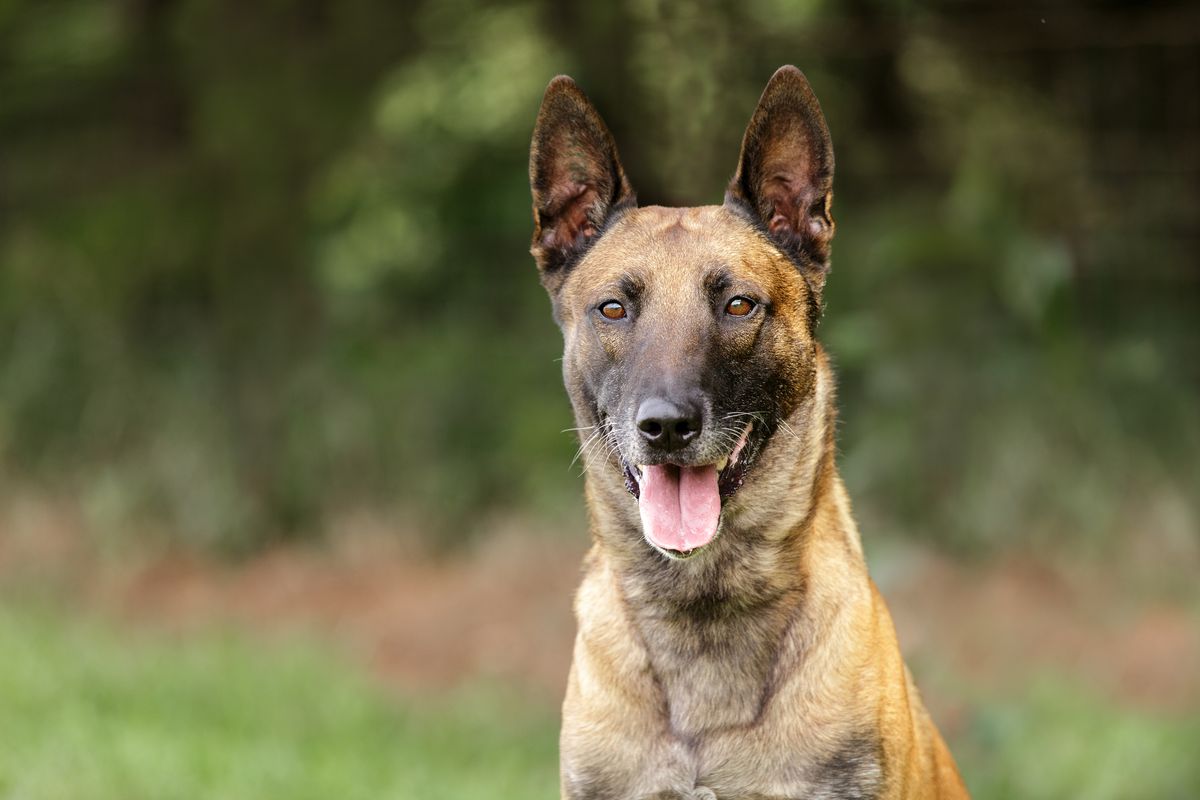
Belgian Malanois
The distinguished Malanois is famous for its work in the military and on police forces. Dr. Julie Hunt says, "The Belgian Malinois is commonly trained as a working dog, and they are quite intelligent. However, they generally do not make ideal pets, as they can be hypervigilant and overactive in a home environment."
Height: 20-26 inches
Weight: 40-80 pounds
Life Expectancy: 14-16 years
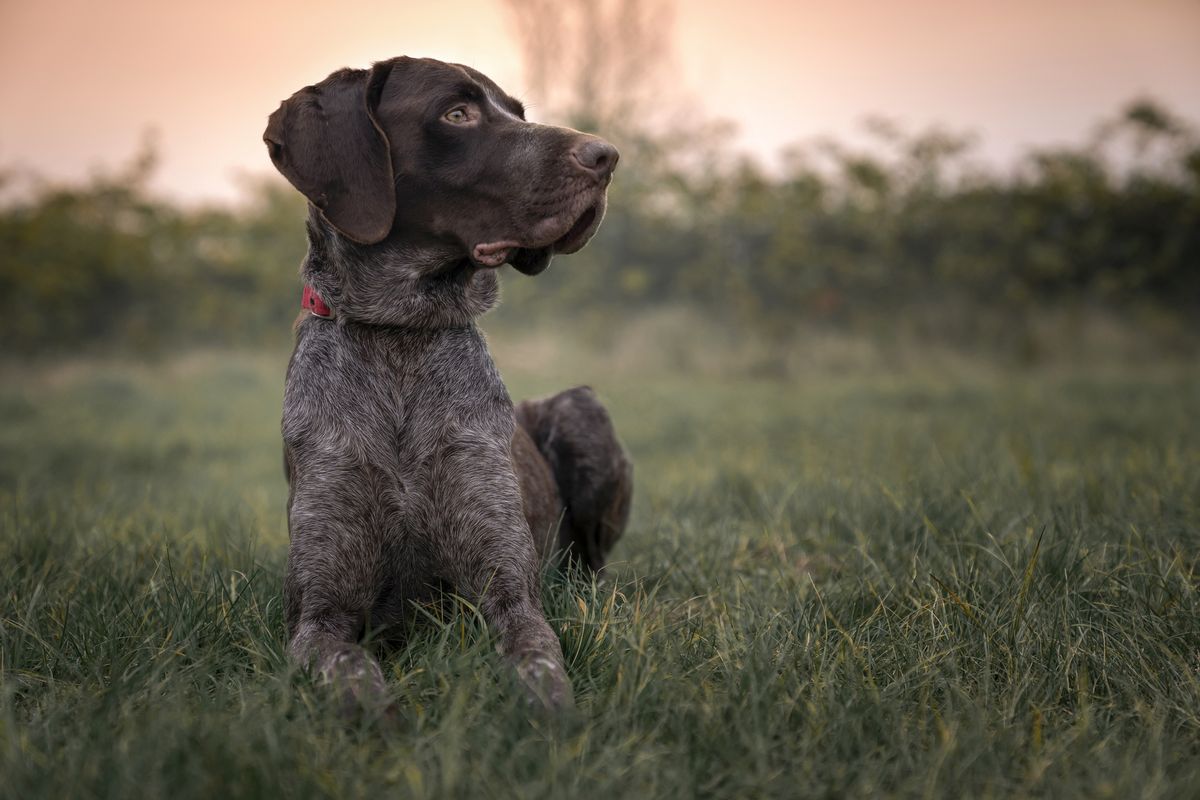
German Shorthaired Pointer
The highly active German shorthaired pointer is adept at hunting and following commands. This energetic breed requires plenty of activity and stimulation. If you adopt a GSP puppy, plan on beginning training right away—they are highly intelligent but require a positive training environment.
Height: 21-25 inches
Weight: 45-70 pounds
Life Expectancy: 10-12 years
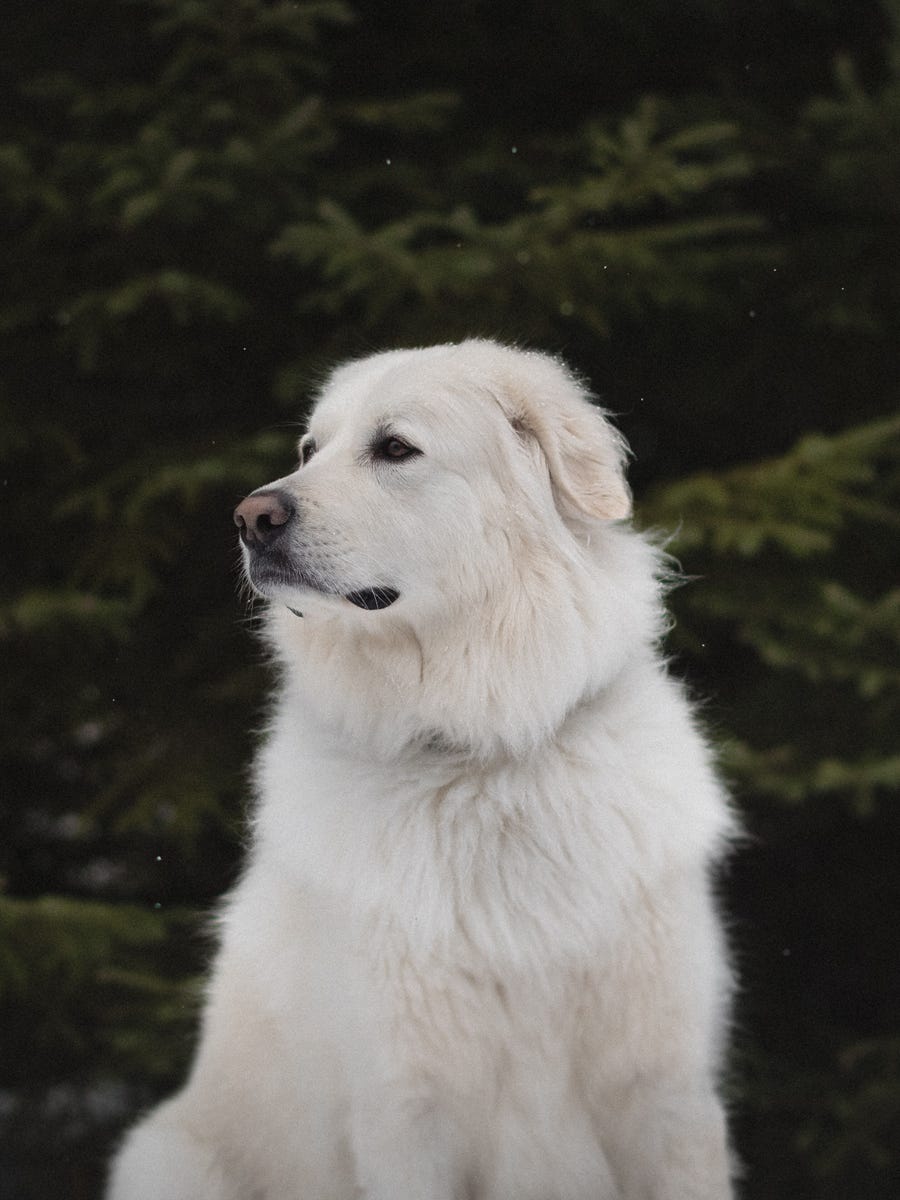
Great Pyrenees
Dr. Julie Hunt notes that Great Pyrenees are known for their intelligence. This beautiful breed originated in the Pyrenees Mountains as livestock guard dogs and have natural protective instincts. They tend to be good with families and require moderate exercise. Their luxurious white coat requires some grooming, and heavy shedding is expected.
Height: 25 to 32 inches
Weight: 85 to 100 pounds
Life Expectancy: 10 to 12 years
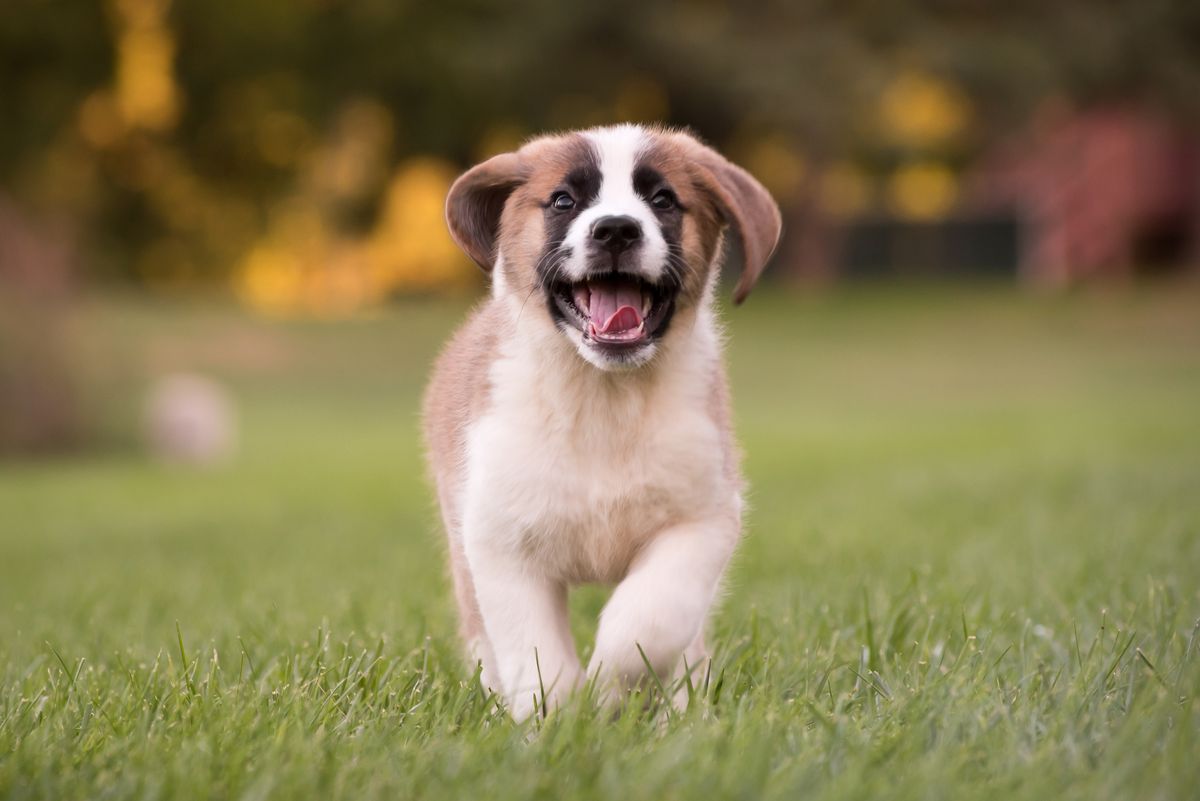
St. Bernard
Dr. Hunt also adds the large and lovable St. Bernard to the list of smartest dog breeds. Known for their ability to rescue stranded hikers in the Swiss Alps, St. Bernards are trainable and protective watch dogs, plus they make great family pets.
Height: 26-30 inches
Weight: 120-180 pounds
Life Expectancy: 8-10 years
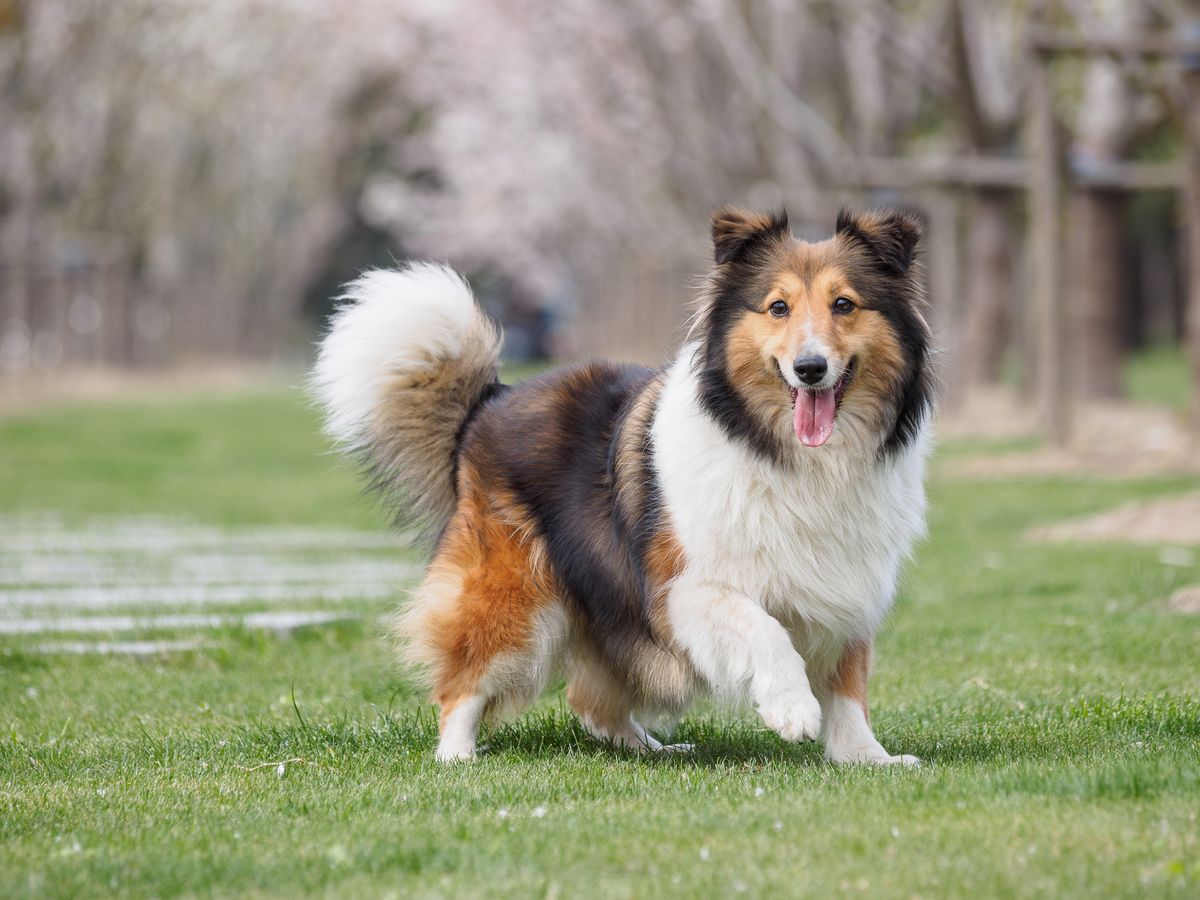
Shetland Sheepdog
The Shetland Sheepdog looks similar to a Collie but comes in a smaller package. While a collie can weigh 60 to 75 pounds, Shetland sheepdogs are closer to 15 to 25. The two breeds were grouped together by the AKC until 1911. Thanks to its trainability and obedience, they tend to do well in agility competitions.
Height: 13-16 inches
Weight: 15-25 lbs
Life Expectancy: 12-14 years
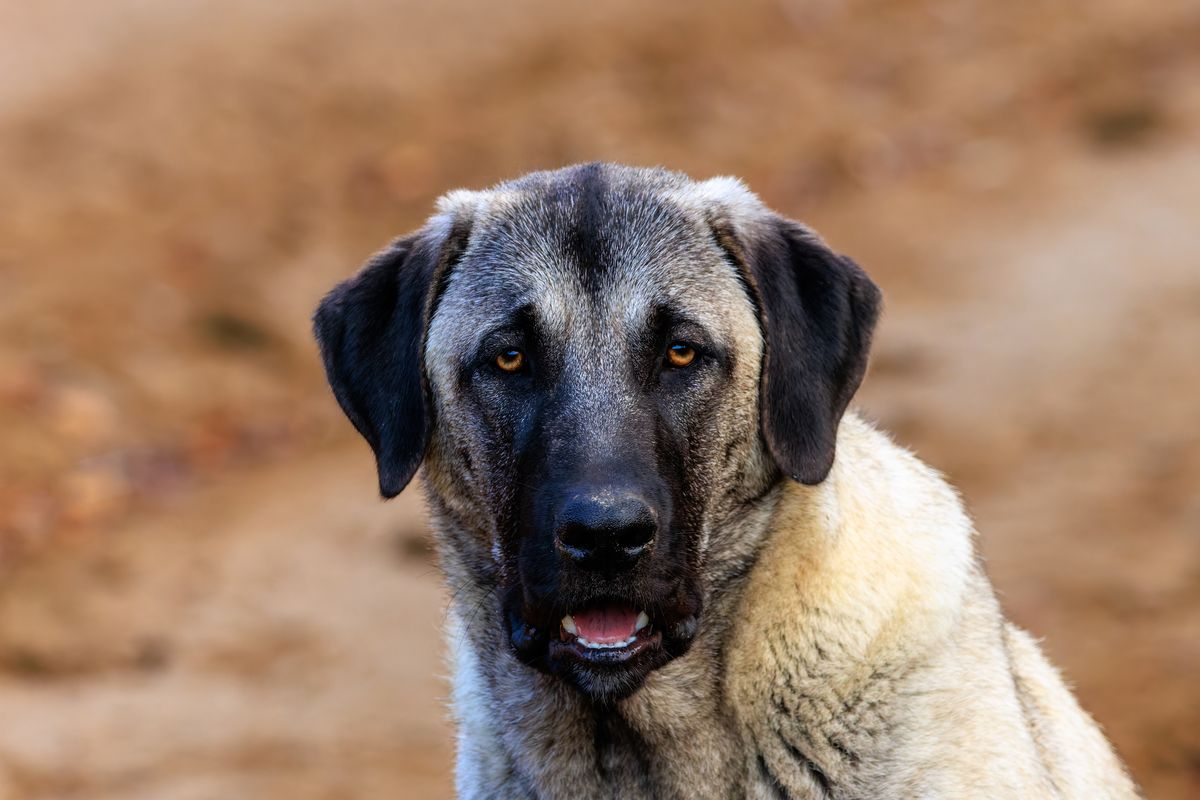
Anatolian Shepherd
Anatolian shepherds are strong-willed working dogs with heightened protective instincts. They're bred to be watchdogs and have a natural instinct to protect their flock. These intelligent dogs require training, socialization, and lots of exercise. Plus, you'll want to make sure your property is secure so they are not able to escape a fenced enclosure.
Height: 27-29 inches
Weight: 80-150 pounds
Life Expectancy: 11-13 years
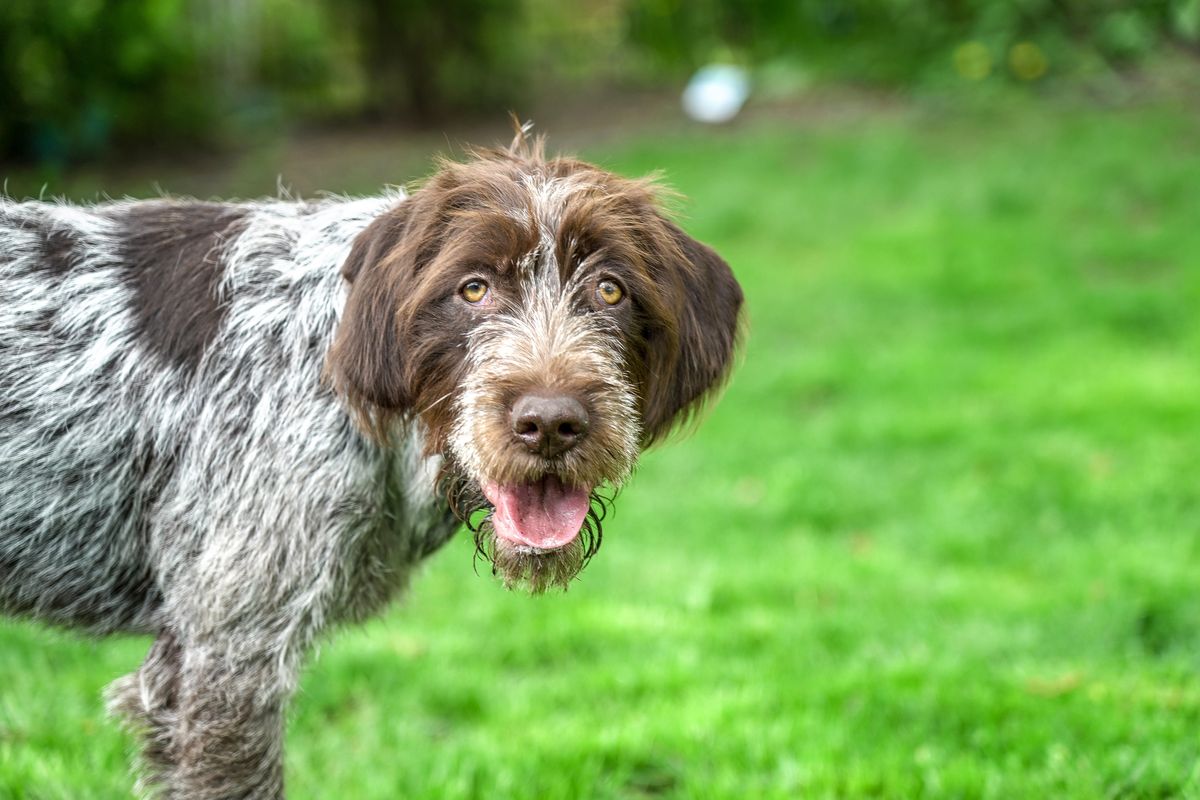
Wirehaired Pointing Griffon
When it comes to hunting dogs, it's hard to beat the Wirehaired Pointing Griffon. They're highly intelligent and adapt well to training, plus they make excellent family pets. Their protective coat also makes them great swimmers.
Height: 20-24 inches
Weight: 25-70 pounds
Life Expectancy: 12-14 years
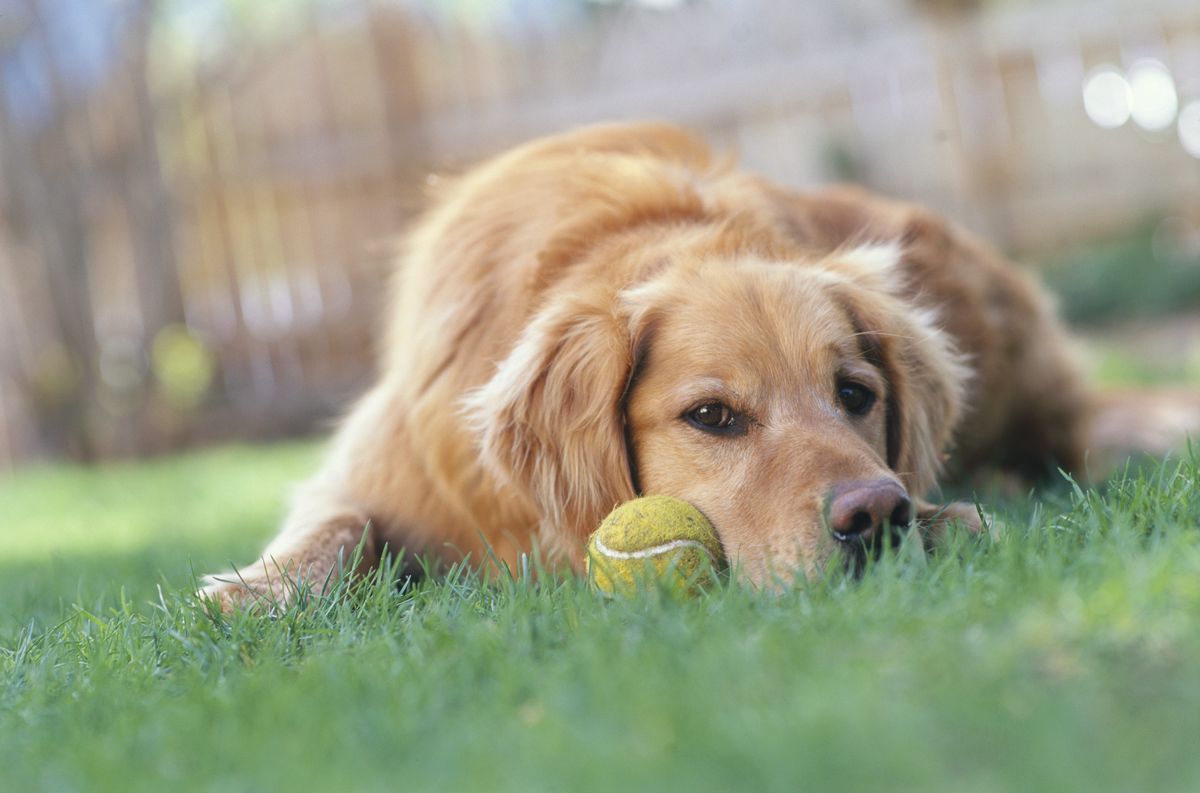
Golden Retriever
Known for being gentle and loving, Golden Retrievers make excellent family dogs. They can be taught to hunt and even perform therapy services for those who have special needs or disabilities, but they're also content with a low-key lifestyle. They're one of the most popular dogs in the U.S. for a good reason!
Height: 21-24 inches
Weight: 55-75 pounds
Life Expectancy: 10-12 years
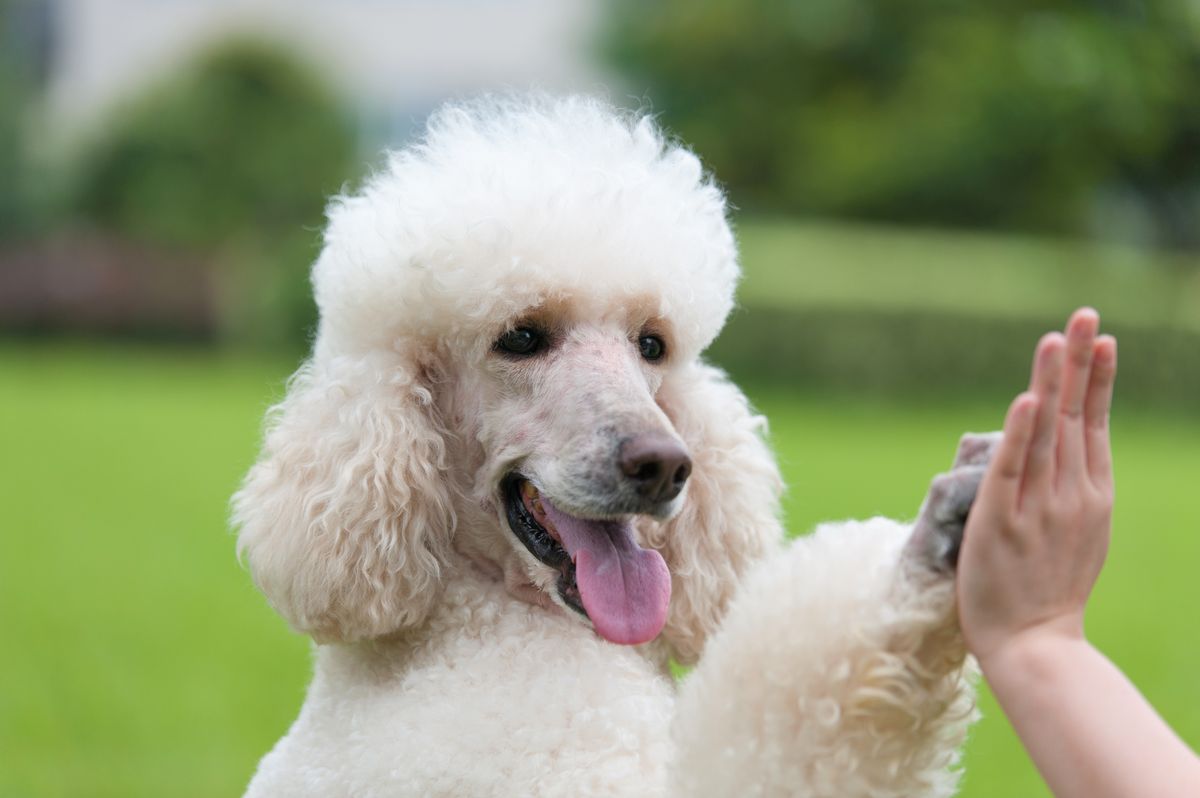
Poodle
Poodles were originally bred as hunting dogs. They're loyal, easy-going, and eager to please their owners. The pups excel at obedience and agility and often beat out the competition in those categories at dog shows. Poodles are bred in standard, miniature, and toy sizes, and they don't shed but do require grooming.
Height: Over 15 inches (standard)
Weight: 40-70 pounds (standard)
Life Expectancy: 10-18 years
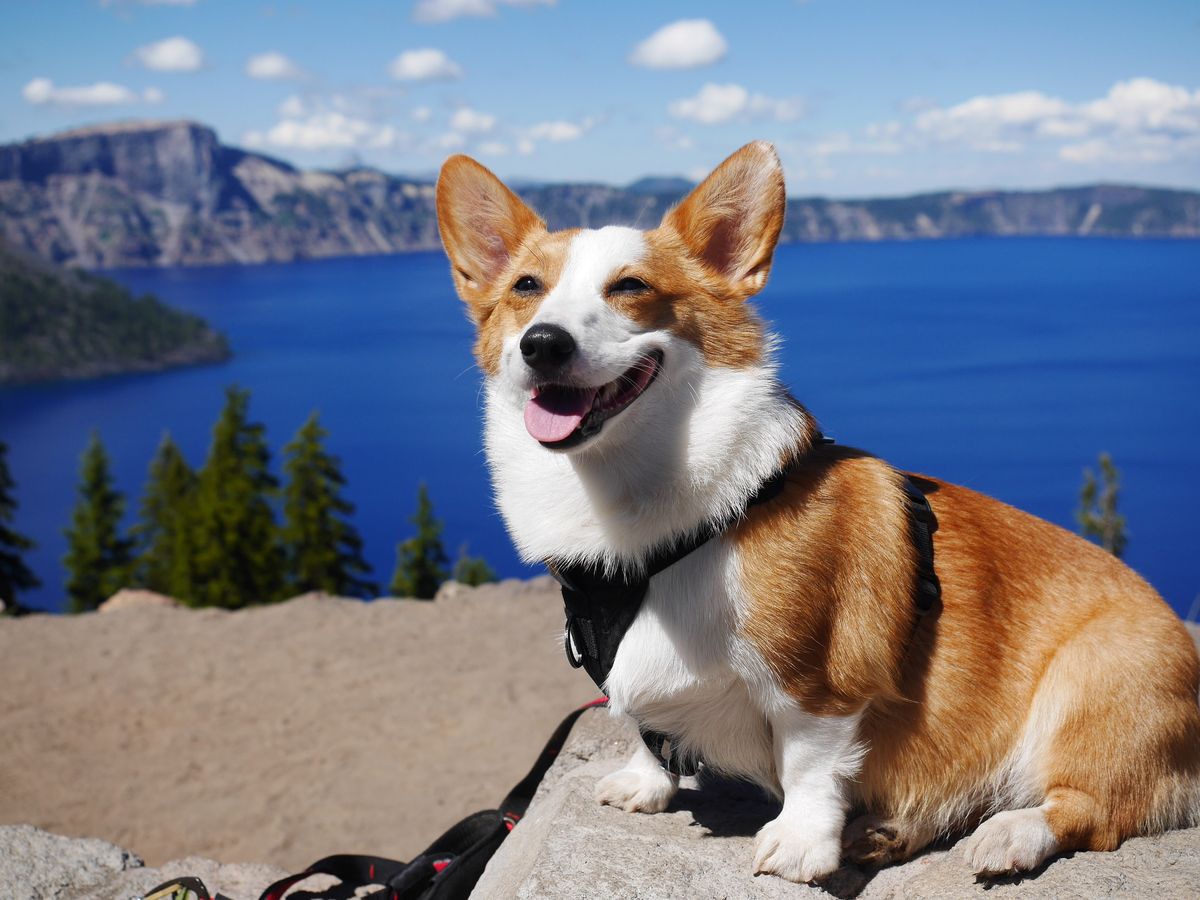
Pembroke Welsh Corgi
The favorite breed of Queen Elizabeth II, Corgis are members of the herding family and are easily trained, plus, they make great family pets. The energetic breed requires regular activity but are fun-loving and make excellent companions.
Height: 10-12 inches
Weight: 28-30 pounds
Life Expectancy: 12-13 years
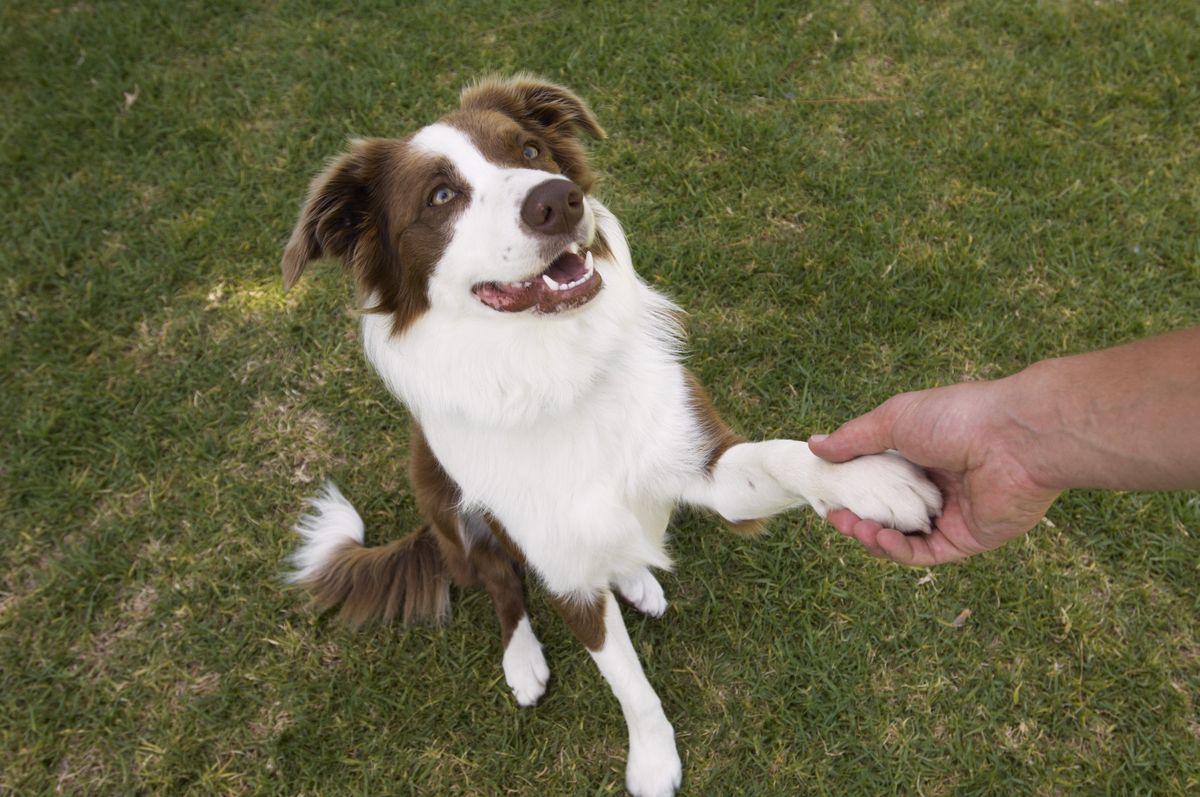
Border Collie
Border Collies can learn all kinds of commands. They're excellent problem solvers and have lots of energy, too, making them perfect for farm or ranch living. You'll want to try puzzles or agility training to keep them engaged and active.
Height: 18-22 inches
Weight: 30-55 pounds
Life Expectancy: 12-15 years
German Shepherd
German Shepherds are versatile, easy to train, and are born with an innate instinct to protect. These hardworking dogs have a lot of stamina, and perform well in agencies like the military police force, making them one of the best choices for people in search of a guard dog.
Height: 22-26 inches
Weight: 50-90 pounds
Life Expectancy: 12-14 years
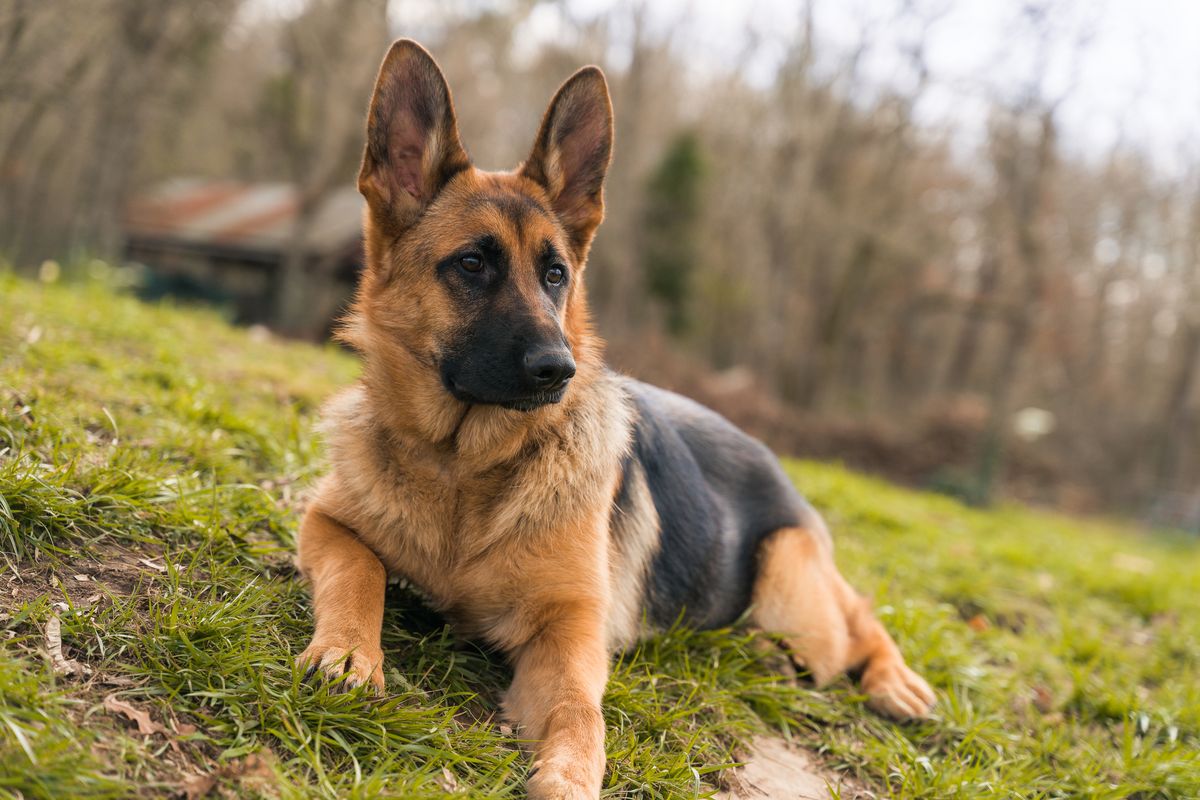
Papillon
If you're looking for a small breed, the adorable papillon might be a great option for your family. Affectionate, confident, and perceptive, Papillons are as intelligent as they are adorable. They're one of the easiest to train and pick up commands quickly. Marie Antoinette was known to be a fan of this toy breed.
Height: 8-11 inches
Weight: 5-10 pounds
Life Expectancy: 14-16 years
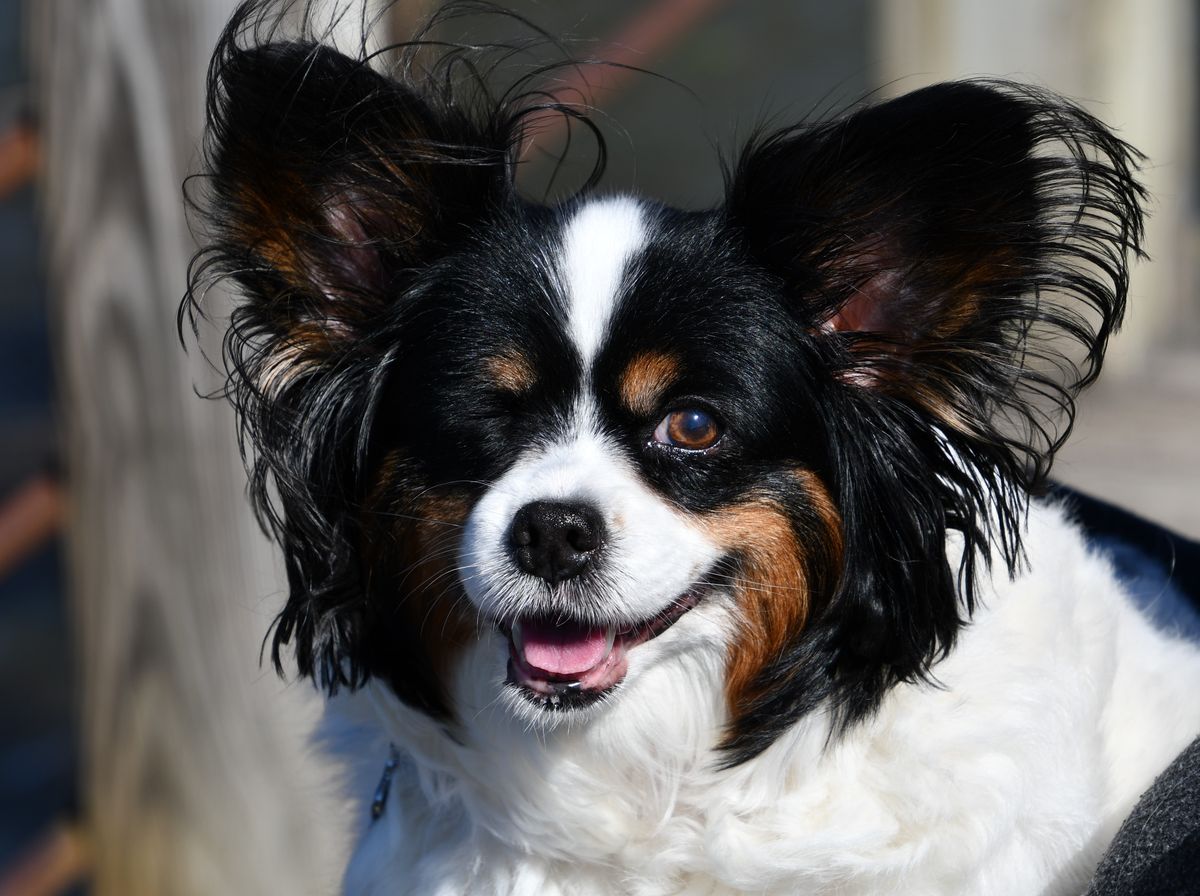
Rottweiler
Known to be exceptional guard dogs, the imposing breed is highly trainable when paired with a skilled trainer. Weighing up to 135 pounds, Rottweilers certainly look imposing, but they're generally calm, confident, and loyal family members. They can also be playful and cuddly, just be sure to provide plenty of socialization and training as Rotties can be territorial.
Height: 22-27 inches
Weight: 80-135 pounds
Life Expectancy: 9-10 years
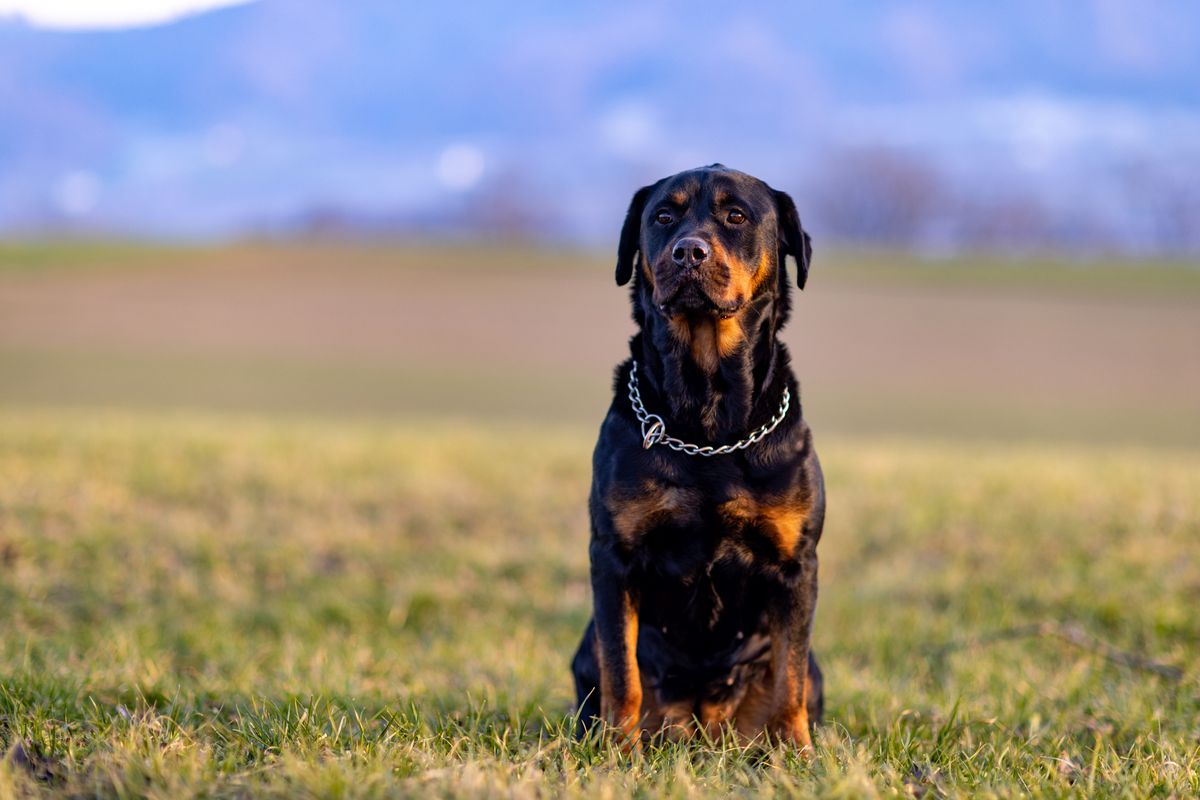
Labrador Retriever
The lovable Lab had a long stretch as the most popular dog in the U.S. (only recently coming in second to the French bulldog). Super friendly and quick to learn, Labrador Retrievers have a long history of hunting and retrieving. They're the ideal canine companion for first-time pet owners and families.
Height: 20-25 inches
Weight: 55-80 pounds
Life Expectancy: 11-13 years
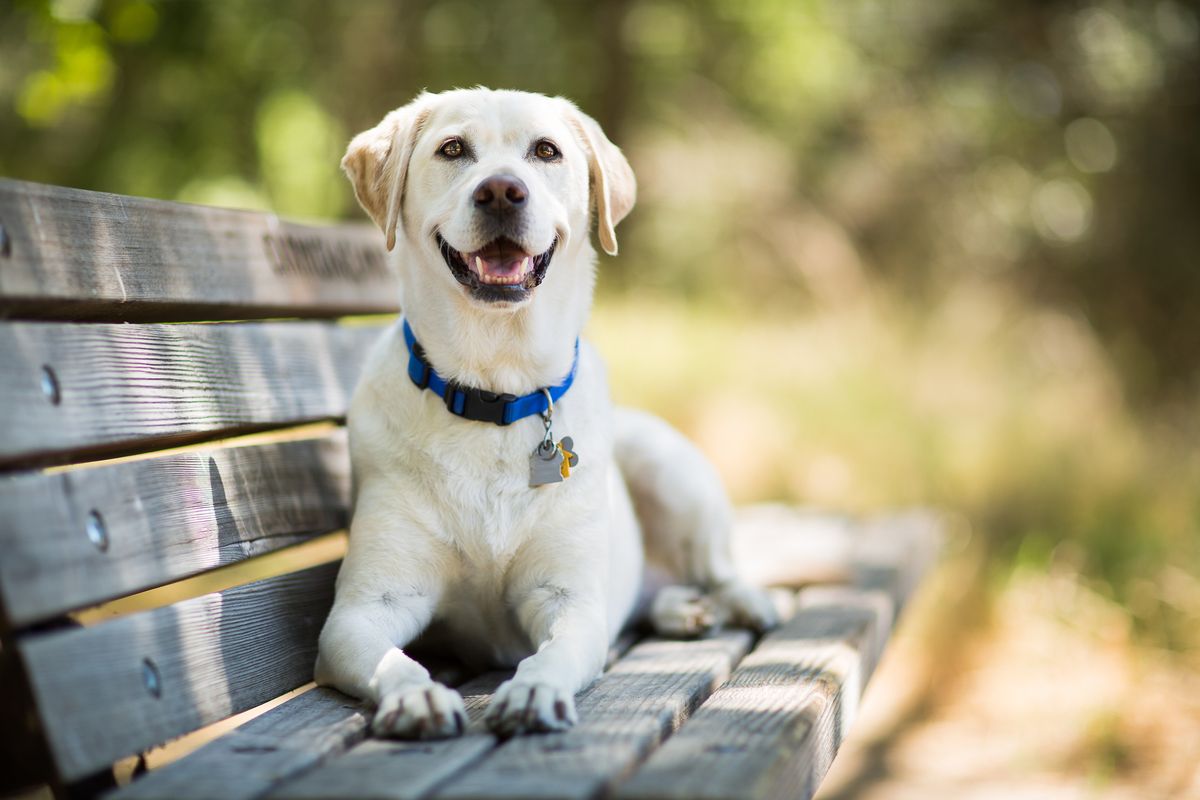
Australian Cattle Dog
Australian Cattle Dogs were bred for herding. If you have a lot of outdoor space, these dogs were made for you as they love to flex their herding and chasing skills as much as possible.
Height: 17-20 inches
Weight: 35-50 pounds
Life Expectancy: 12-16 years
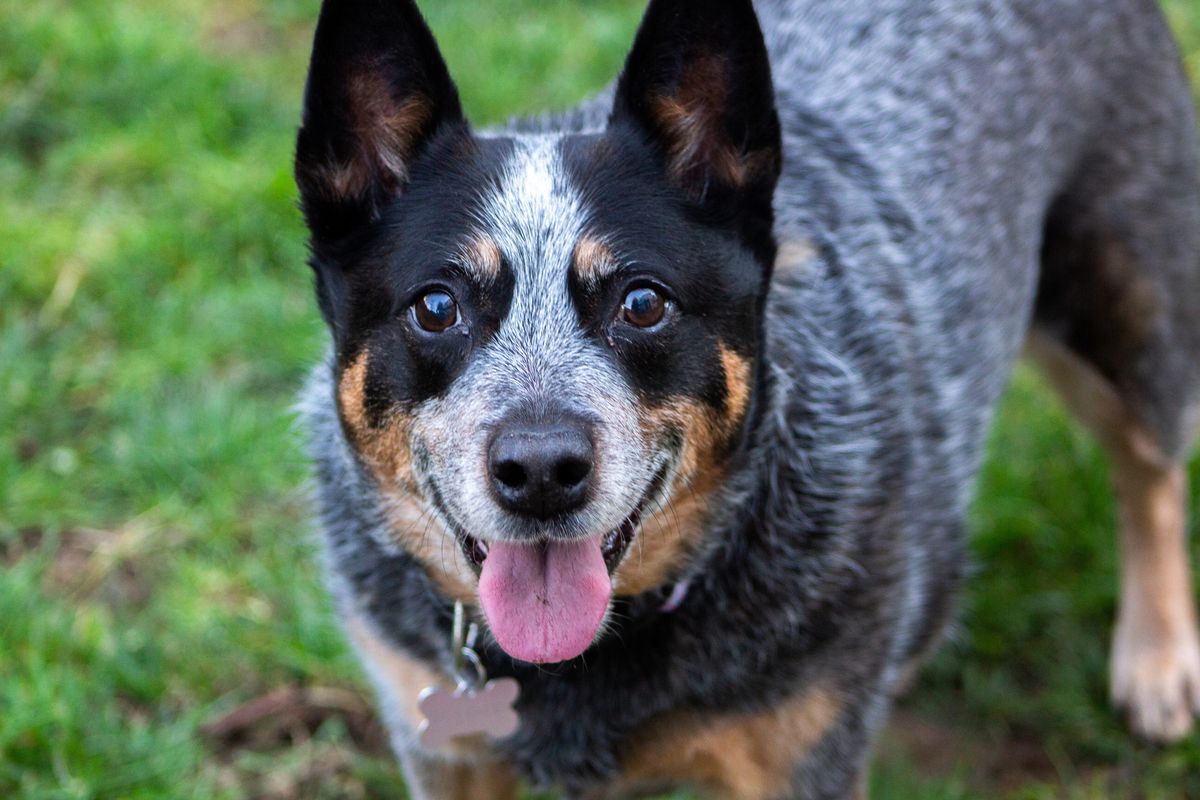
Collie
Lassie set the standard for dog intelligence, and for good reason. Although you might not need your pup to find someone in a well, Collies make the perfect problem-solving family dog. They're known to be protective and alert. They excel at herding, obedience, and agility. Collies are bred with two coat types: rough and smooth.
Height: 22-26 inches
Weight: 50-75 pounds
Life Expectancy: 12-14 years
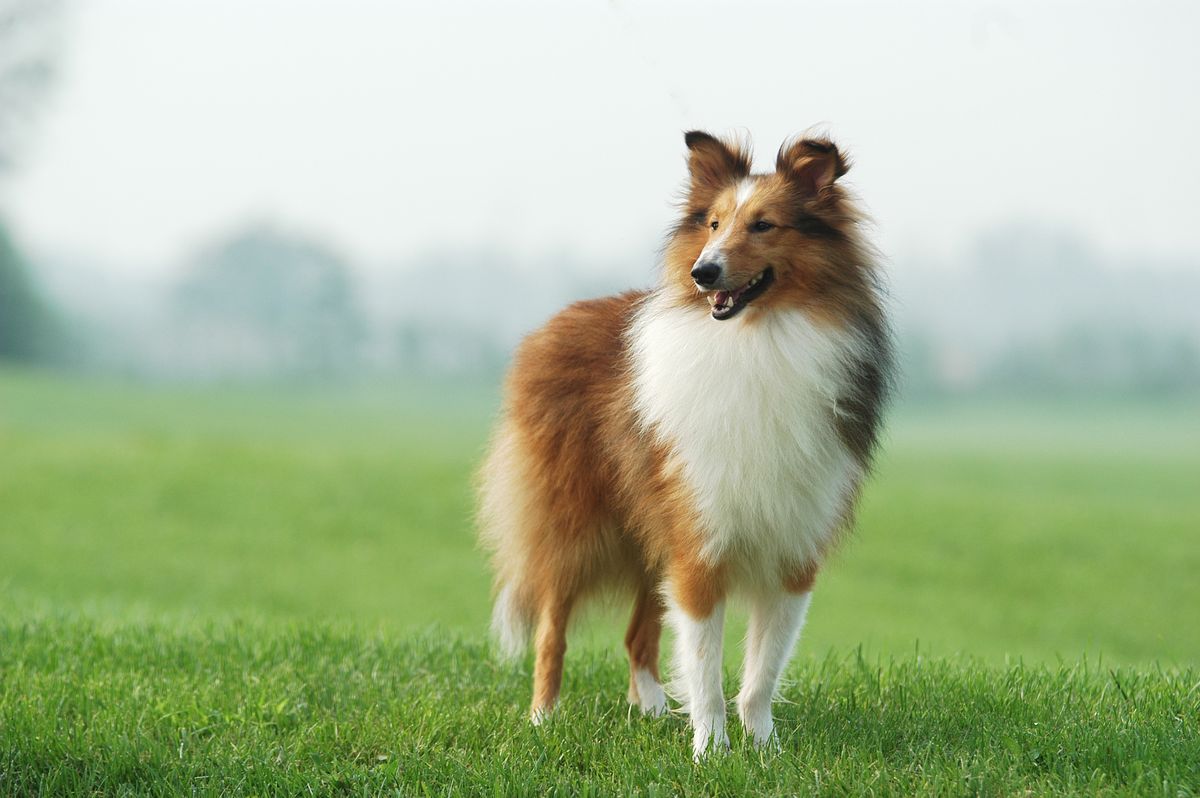
Bloodhound
For centuries humans have relied on the Bloodhound's sharp sense of smell for tracking and hunting. Often called upon for search and rescue missions, you'll also love having one at home. They have a keen sense of smell and love to explore, and, while they're good family dogs, they tend to be stubborn, especially when they're on a scent.
Height: 23-27 inches
Weight: 80-110 pounds
Life Expectancy: 10-12 years
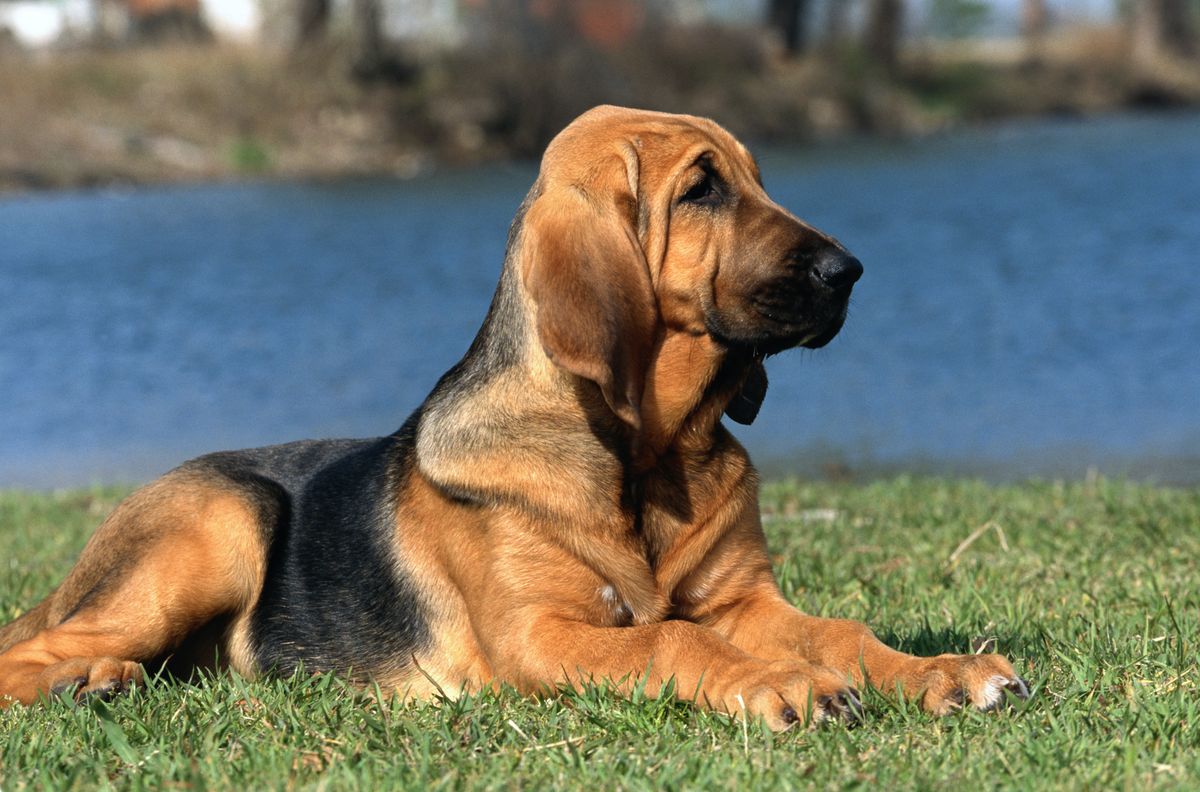
Miniature Schnauzer
Don't let their cute, bearded faces fool you. Miniature Schnauzers were bred to work on farms and thrive when they have a job to do. They require lots of mental stimulation and physical activity to ensure they don't get bored and misbehave.
Height: 12-14 inches
Weight: 11-20 pounds
Life Expectancy: 12-15 years
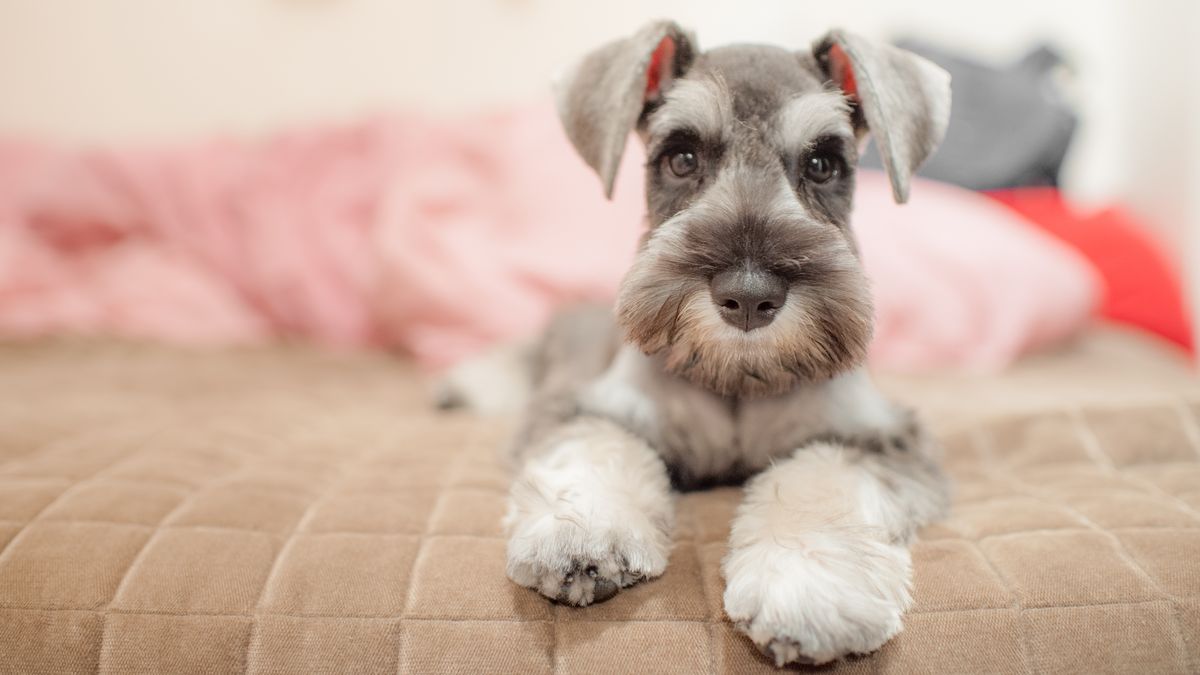
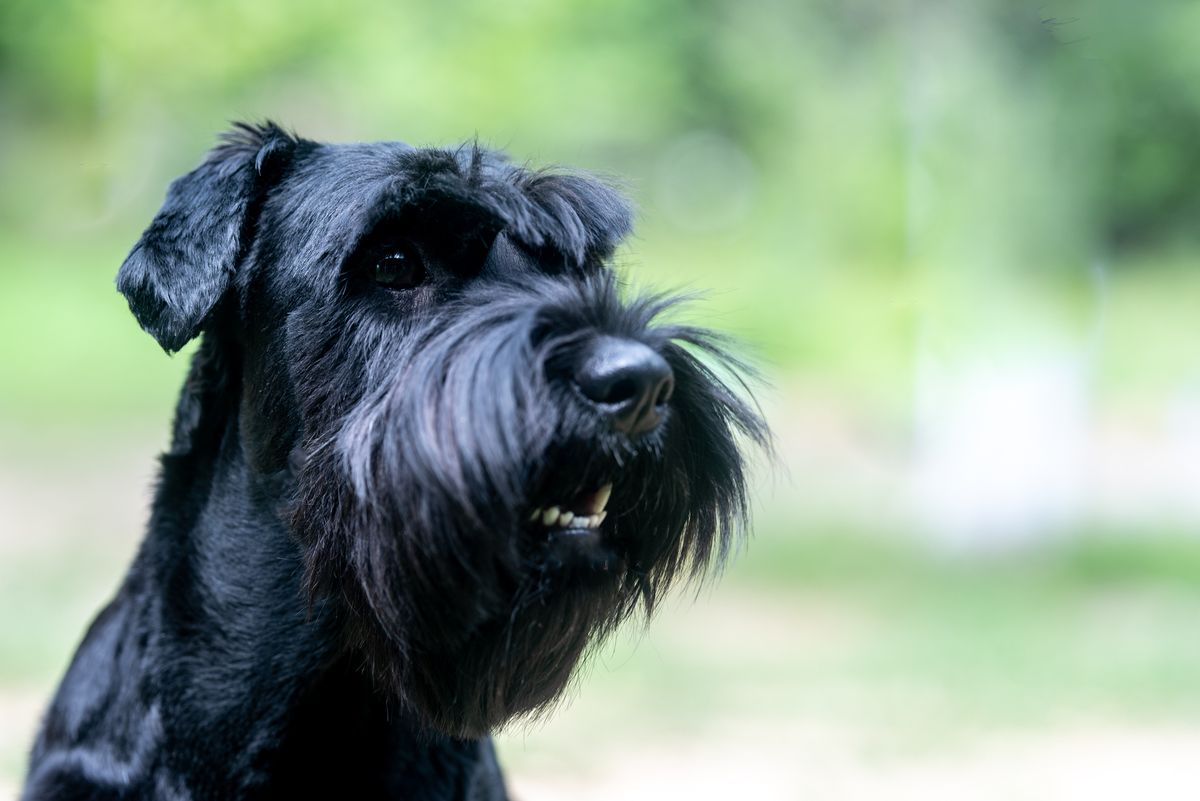
Standard Schnauzer
It stands to reason that the larger Standard Schnauzer is smart, just like its miniature version. Originally bred in the Bavarian Alps to watch over homes and farms, Giant Schnauzers remain excellent guard dogs, and are affectionate with their families, intelligent, and easy to train. They require plenty of exercise, as well as weekly grooming.
Height: 23.5-27.5 inches
Weight: 55-85 pounds
Life Expectancy: 12-15 years
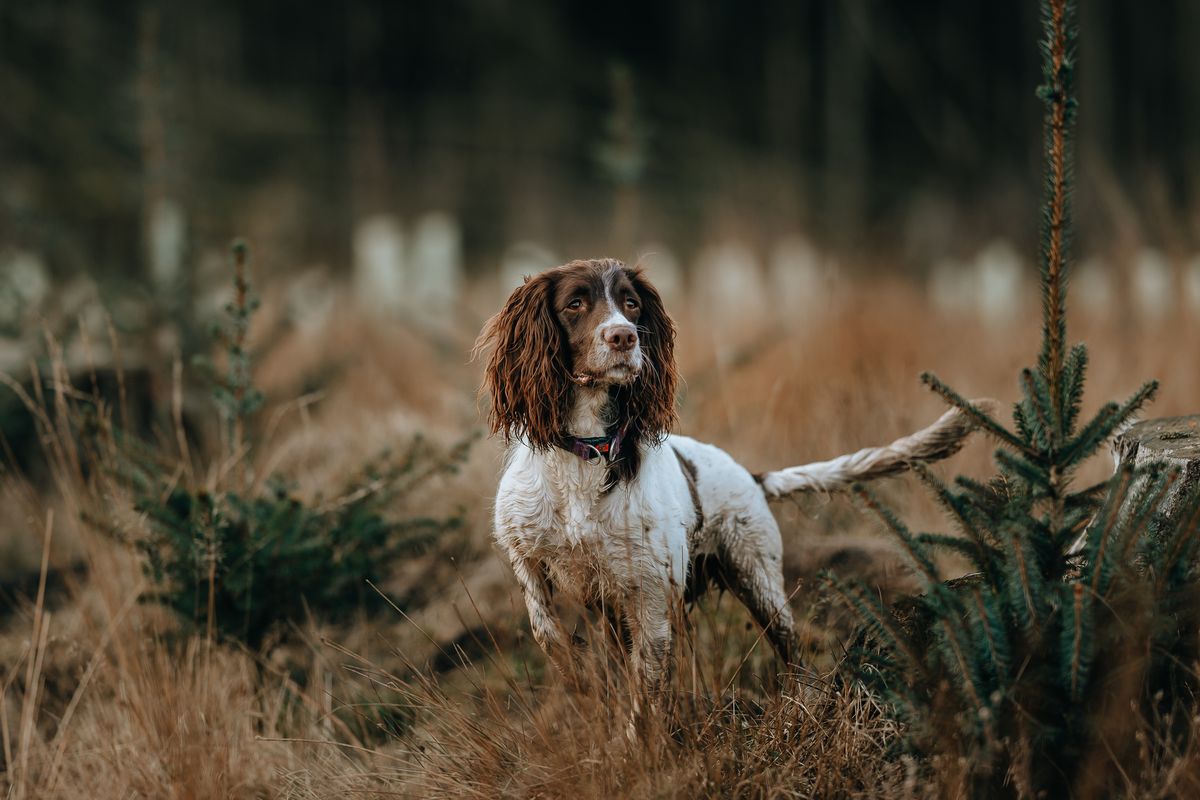
English Springer Spaniel
The English Springer Spaniel is a sporting dog that's friendly, agile, and alert. They aim to please and are highly trainable, plus they're top-notch hunters. Who wouldn't want to have one of these sweet pooches around?
Height: 19-20 inches
Weight: 40-50 pounds
Life Expectancy: 12-14 years

Post a Comment for "Which Dog Breeds Are the Smartest? Discover Here"
Post a Comment