
Why U.S. Ranchers Say Trump's Argentine Beef Plan Won't Fix Food Supply Crisis
The Beef Industry's Crisis: Drought, Screwworm, and the Debate Over Argentine Imports
The U.S. beef industry is facing a multifaceted crisis that has left ranchers and experts deeply concerned. From the impact of drought to the resurgence of the New World screwworm, the challenges are compounding, and recent proposals from the Trump administration to import beef from Argentina have only added to the tension.
A Growing Threat: The New World Screwworm
The New World screwworm is a parasitic fly that lays eggs in open wounds of warm-blooded animals. Once hatched, the larvae burrow into the tissue, feeding on it and causing severe damage. While treatable if caught early, the parasite can be painful for humans, as seen in a case reported in Maryland earlier this year.
This threat is not new—eradicated from the U.S. in 1966—but its recent reappearance in Mexico has raised alarms among Texas ranchers. In October, another confirmed case was found in Nuevo Leon, just across the U.S. border. This has led to heightened concerns about the spread of the parasite and its potential impact on the cattle industry.
The Impact on Cattle Ranching
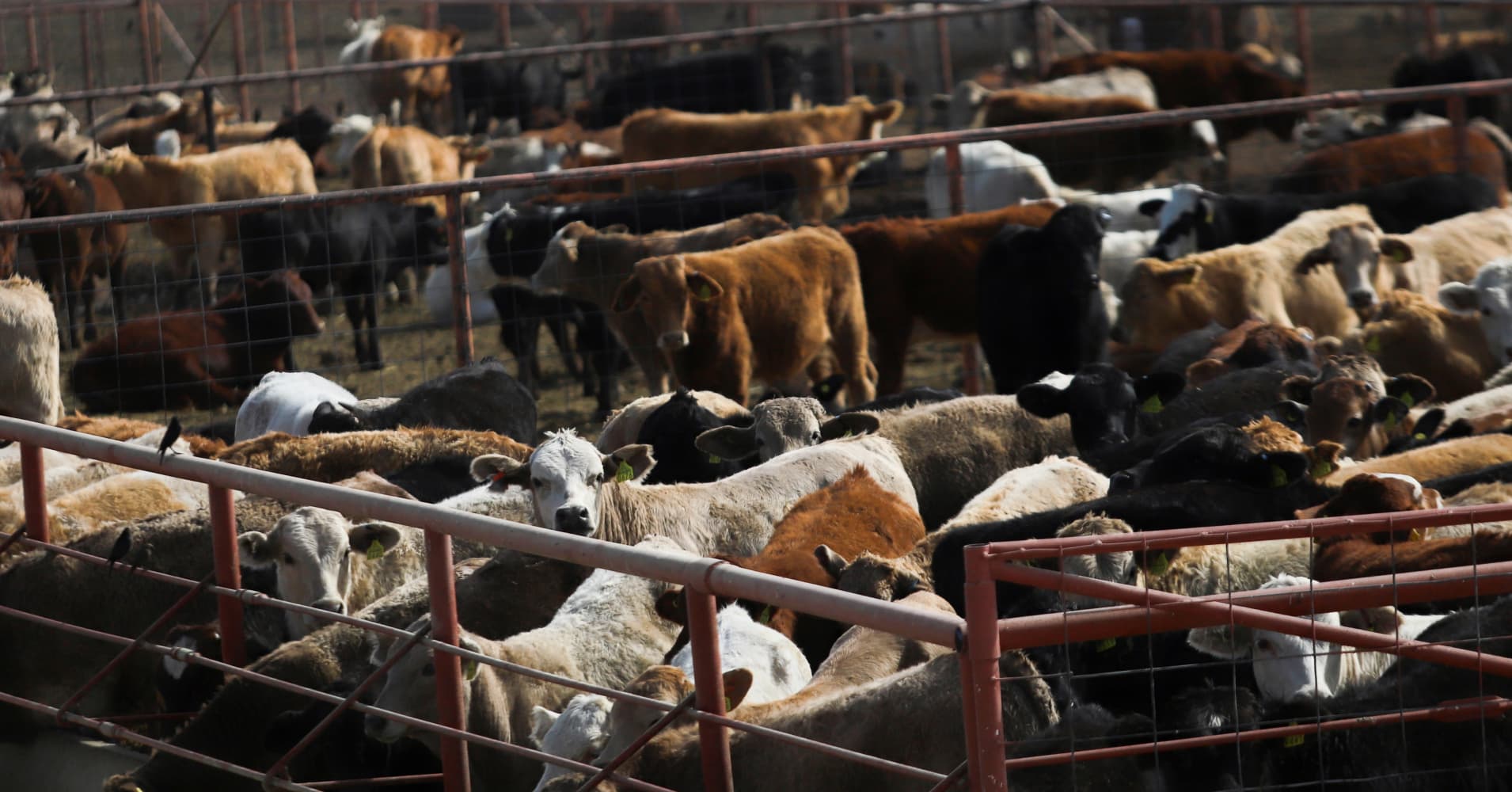
Texas plays a critical role in the U.S. beef industry, with millions of cattle along the southern border alone. However, the state is now grappling with a dual threat: the return of the New World screwworm and the ongoing effects of drought. These factors have contributed to a decline in the U.S. cattle herd, which reached its lowest level since 1951 in July 2025 at approximately 94.2 million head.
Cattle ranchers are also worried about the government’s response. The USDA has closed the border to live cattle imports from Mexico due to the screwworm issue, but this has created supply chain disruptions. Before the closure, Mexico was a major exporter of calves to the U.S., accounting for about 3.3% of the annual calf crop.
Challenges in Eradicating the Screwworm
Efforts to combat the screwworm include the use of sterile insect technique (SIT), where sterile flies are released to prevent mating. While this method was instrumental in eradicating the parasite in the past, the current situation presents new challenges. James Clement III, a sixth-generation Texas rancher, noted that the sterile flies used previously were imported from Panama, and while the USDA is working on a domestic production facility, it may take two to three years to become operational.
“This is too long,” said Clement. “By the time we have a domestic production facility, it may already be too late.”
The USDA has been monitoring nearly 8,000 traps across Texas, Arizona, and New Mexico since July, with over 13,000 screening samples submitted. However, ranchers like Clement believe the threat is spreading faster than the response can handle.
The Role of Drought and Feed Costs
Drought conditions are exacerbating the challenges faced by the cattle industry. According to government data, about 30% of the U.S. is still in drought, leading to reduced grasslands and smaller herds. Water scarcity is a key factor in this decline, as less water means less grazing land and, consequently, fewer cattle.
Andrew Coppin, CEO of Ranchbot Monitoring Solutions, emphasized the importance of water in increasing herd size. “Typically, ranches have thousands of acres and cattle,” he said. “Less grasslands as a result of less water equals smaller herds.”
Feed costs have also risen, further straining ranchers. With limited feed available, many are questioning whether they will have enough to sustain their herds.
The Debate Over Argentine Beef Imports
President Donald Trump’s recent suggestion to import beef from Argentina has sparked debate among ranchers and industry experts. While some argue that this could lower beef prices for consumers, others see it as a short-term fix that does little to address the underlying issues of drought and disease.
The National Cattlemen’s Beef Association (NCBA) has criticized the proposal, urging the administration to let the market work rather than intervene. Colin Woodall, CEO of NCBA, stated that such a plan would create chaos for American cattle producers without addressing the real issues.
Additionally, the trade relationship between the U.S. and Argentina raises concerns. In the past five years, Argentina has sold more than $801 million of beef into the U.S. market, while the U.S. has only exported about $7 million worth of beef to Argentina. The NCBA also pointed out Argentina’s history of foot-and-mouth disease, which poses a risk to the U.S. livestock industry.
Looking Ahead
As the U.S. beef industry navigates these challenges, the focus remains on finding sustainable solutions. While the government has promised to develop policies that support ranchers, many believe the priority should be on preventing diseases like the New World screwworm and ensuring the long-term viability of the industry.
James Clement emphasized the need for the government to focus on biosecurity and disease prevention rather than market manipulation. “The market will take care of itself,” he said. “We need the government preventing and stamping out screwworm. Then we can recruit the next generation saying, 'ranching is a profession that you can do to take care of your family, and have a good quality of life.'”

Post a Comment for "Why U.S. Ranchers Say Trump's Argentine Beef Plan Won't Fix Food Supply Crisis"
Post a Comment