
Zwift vs TrainerRoad: Which App Fits Your Ride?
Zwift versus TrainerRoad: History and background
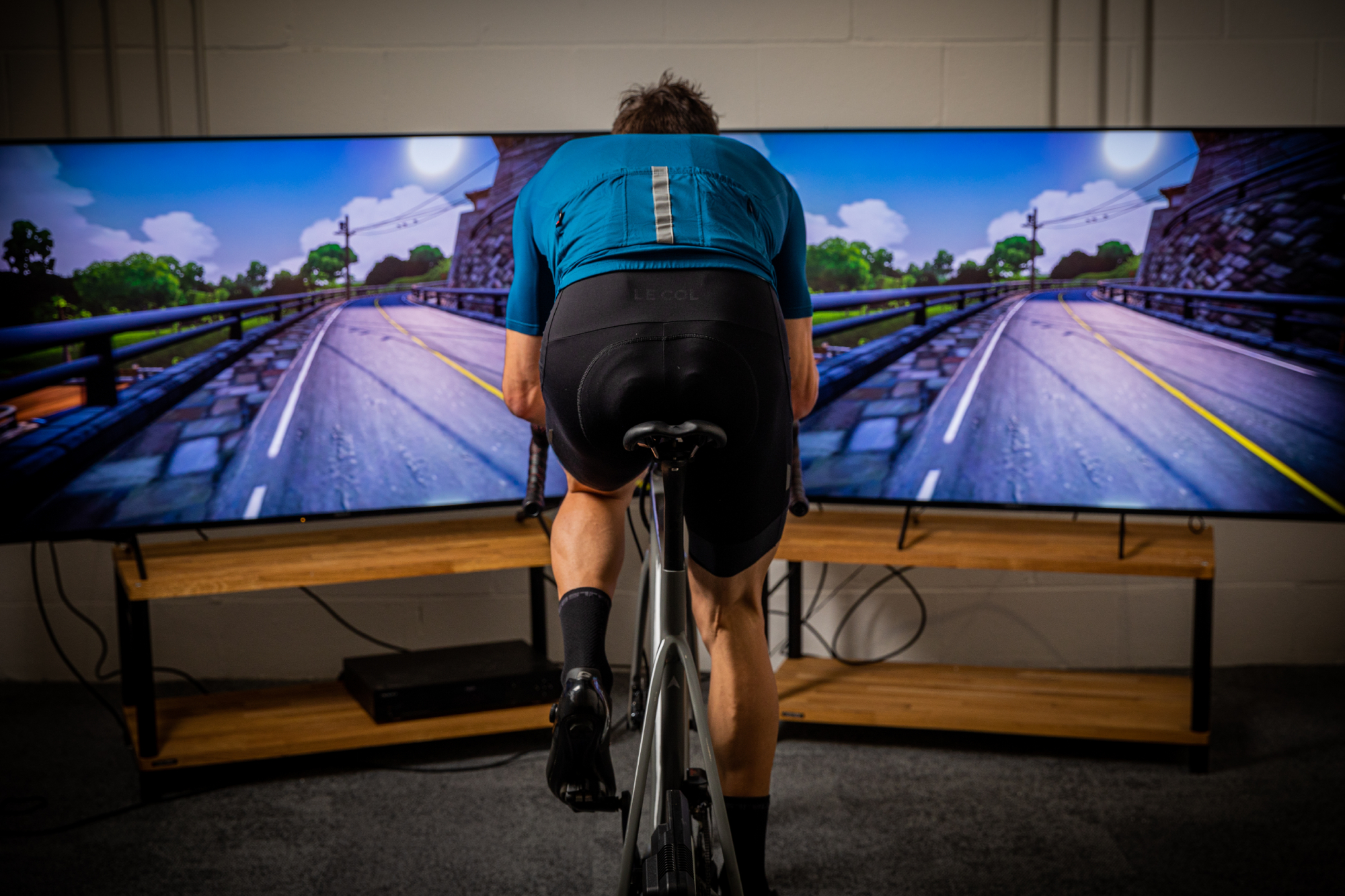
Zwift emerged in 2014, quickly gaining a loyal following with its slogan "Fun is Fast." It offered indoor cyclists a more engaging alternative to traditional training. By January 2021, during the height of the pandemic, over 43,000 users were simultaneously using Zwift's virtual courses. However, trying to meet everyone’s needs can sometimes leave some users wanting more.
TrainerRoad, based in Reno, NV, was founded in 2012. With 100 employees, it focuses on AI-powered, personalized cycling training that adapts to individual goals and schedules. The app is popular among cyclists in over 150 countries who aim to improve their speed and fitness.
While Zwift appeals to a broad audience with its gamified experience, TrainerRoad caters to those who prefer a more analytical and structured approach. This distinction has allowed TrainerRoad to carve out a niche in a market that also includes platforms like Rouvy, Bkool, Wahoo SYSTM (formerly Sufferfest), indieVelo, and MyWhoosh. Both apps excel in their own ways, making the choice between them a matter of personal preference.
Zwift versus TrainerRoad: getting started
Most virtual training platforms, including Zwift and TrainerRoad, offer similar features rooted in real-world cycling. They utilize technology that ensures seamless connectivity across devices and compatibility with smart indoor trainers, exercise bikes, and smart bikes.
A smart trainer is essential for maximizing your experience on both apps. These trainers come with built-in power meters and variable resistance features. They measure your power output and send it to the app, moving your virtual avatar accordingly. The variable resistance feature replicates real-world terrains, increasing resistance during climbs and reducing it on descents, making for a more realistic virtual ride. During online workouts, the resistance adjusts based on the training plan parameters.
Zwift and TrainerRoad are compatible with iOS, Android, or Windows devices, allowing you to ride or compete globally or train at home. Once your setup is complete, you're ready to ride. While downloading and registering for both apps is straightforward, the unique aspects of each platform are worth exploring.
Zwift versus TrainerRoad: training
Zwift
Zwift offers over 1,000 structured workouts and training plans suitable for cyclists of all skill levels. The platform aims to enhance indoor training by providing an immersive experience with on-screen prompts, points, and achievements. Training alongside thousands of others in a virtual community often boosts motivation.
For those seeking a personalized approach, Zwift provides a custom workout builder to tailor training to individual needs. The platform regularly updates its Workout Library, organizing content into 14 streamlined collections to help riders find workouts that align with their goals.
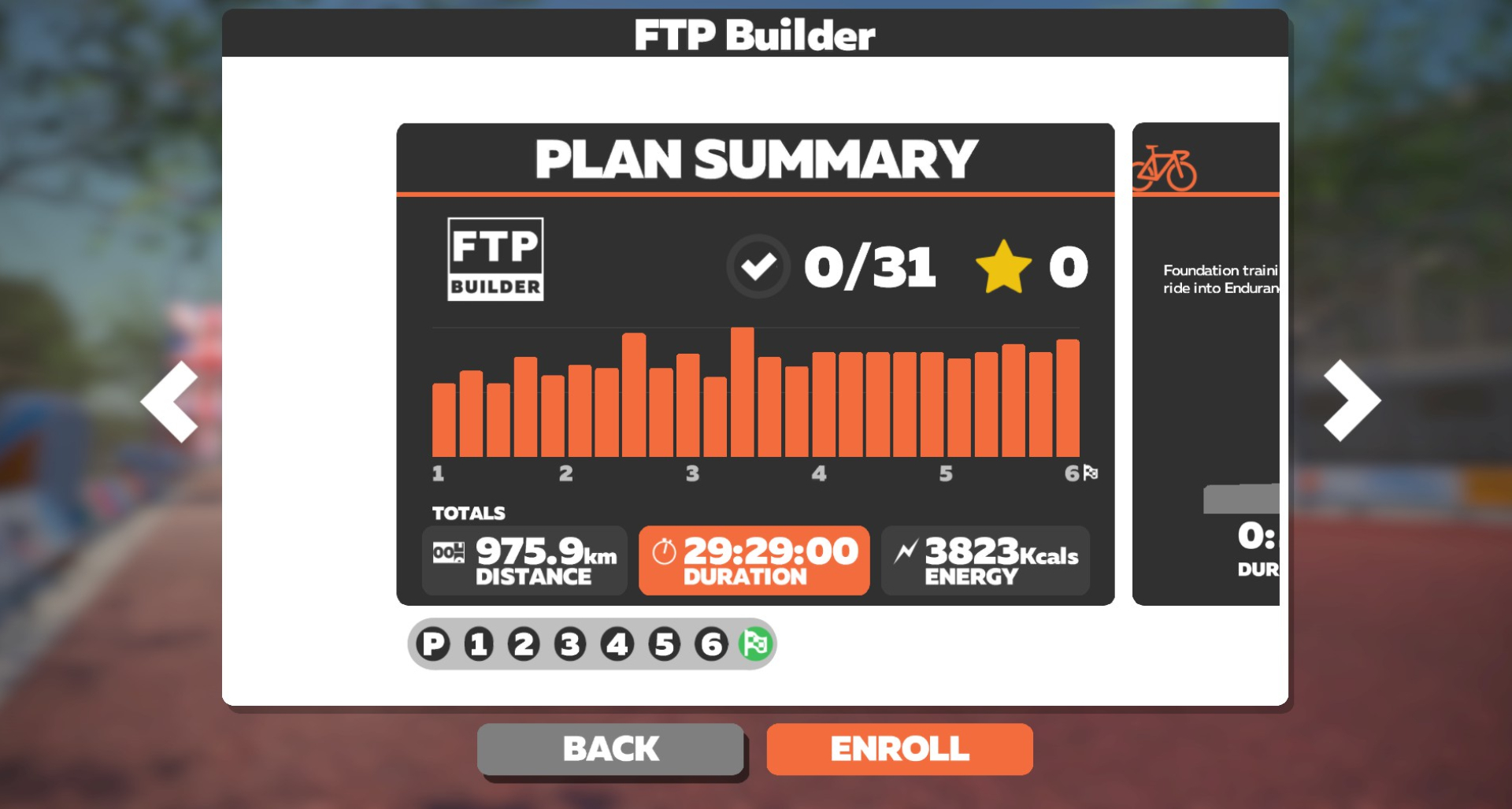
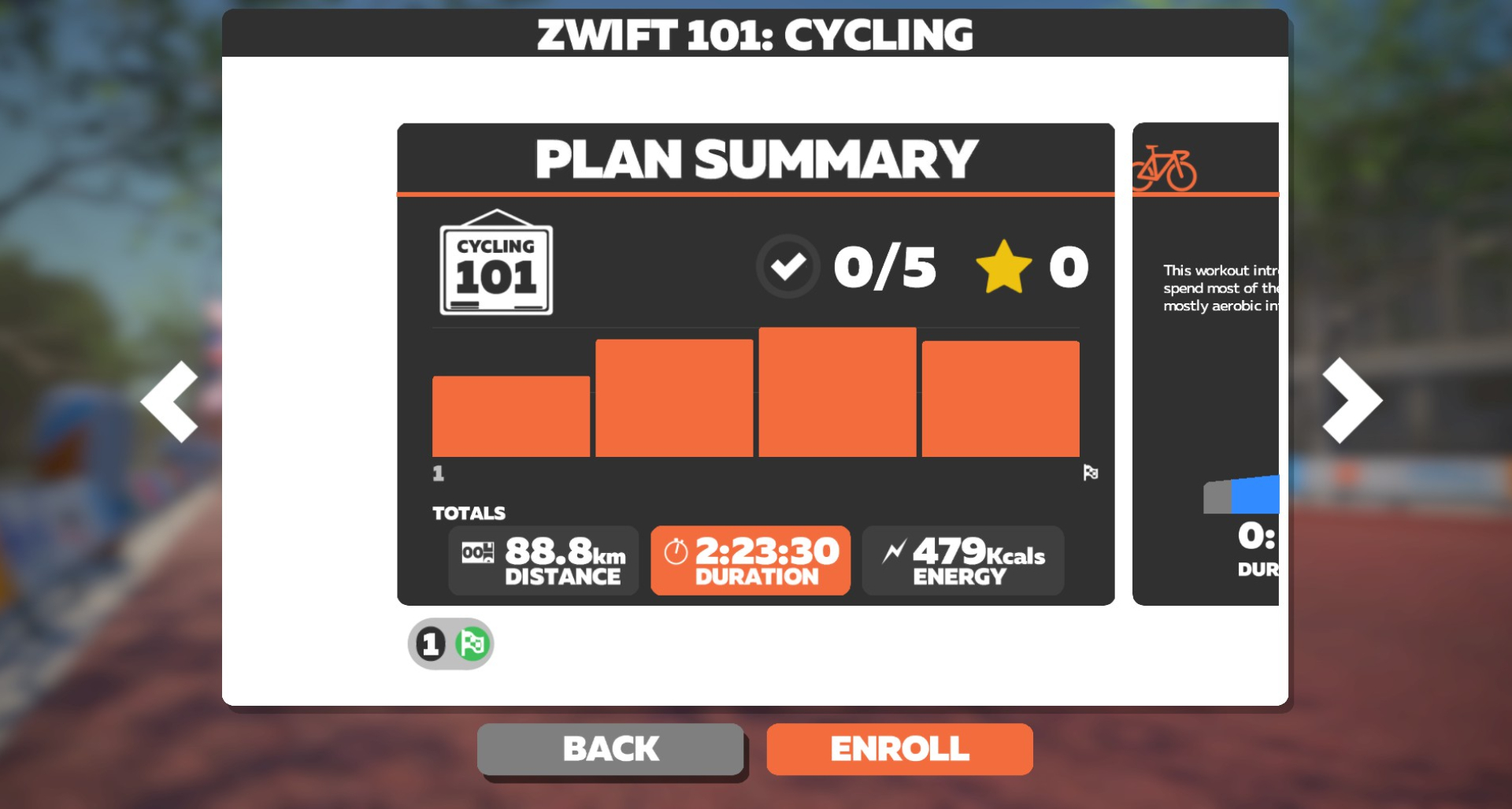
There are 15 cycling training plans to choose from, such as Zwift: 101, Zwift Racing, FTP Builder, and Gran Fondo. Flexibility and a goal-oriented approach define these plans. Zwift also offers eight training plans for runners, including programs for 5K, Half Marathon, Marathon, and Cyclist to 10K.
Despite its origins as a training app, Zwift's focus has shifted slightly, creating a gap with TrainerRoad. As the name suggests, TrainerRoad specializes in training, making it the standard for online training.
TrainerRoad
Initiating training with TrainerRoad is straightforward. Riders sign up, sync their account with Strava or Garmin Connect, and create a personalized training plan using the Plan Builder. A key feature is the automated Training Plan Builder, which asks users to input details like target races, available training time, and other basic information. Based on this, the app generates a customized training program.
TrainerRoad offers plans for various types of rides, including road cycling, gravel riding, gran fondos, triathlons, mountain biking, and cyclocross. It also caters to general fitness goals.
The app employs a 5-step Adaptive Training Process to optimize performance. After each session, the AI analyzes the athlete's performance, considering both achieved power targets and subjective feedback. Post-workout surveys prompt the app to adjust future sessions.
Within the TrainerRoad dashboard, the calendar view allows users to see upcoming workouts and adjust their schedule when needed. TrainerRoad's AI FTP Detection requires ten initial indoor rides for activation. Its data-driven method identifies changes in Functional Threshold Power (FTP) without exhaustive tests, offering accurate performance assessment even during endurance sessions.
As time progresses, Adaptive Training calibrates to gain a deeper understanding of the athlete, enhancing the effectiveness of the training regimen. TrainerRoad provides an all-in-one training solution that evolves with the athlete, making it a top choice for many cyclists.
Zwift versus TrainerRoad: virtual riding
Zwift excels in the virtual riding realm by focusing on user experience rather than photorealistic graphics. The platform prioritizes a smooth, intuitive virtual world compatible with a range of hardware. This sets Zwift apart from competitors.
It offers over 100 routes and numerous scheduled group rides in its fictional worlds. Users can join one of the nine popular Zwift Robopacers, which offer set paces for all skill levels. There is no virtual riding on TrainerRoad.
Zwift versus TrainerRoad: competition and racing
Zwift has been a pioneer in cycling esports, hosting elite events like the UCI Cycling Esports World Championships and the Virtual Tour de France. It has expanded the sport's reach through partnerships with major broadcasters like Eurosport and NBC Sports Gold. The platform's elite racing series, the Zwift Grand Prix, offers a $100,000 prize pool.
Amateur racing is also growing, with Zwift seeing a 10-20% annual growth in competitive users. Races average 360 participants at peak times, and over 1,200 races are organized weekly by more than 500 individuals. About one-third of all users have participated in at least one race, a 50% increase from previous reports.
The popular Zwift Racing League (ZRL) broke records with 2,000 teams registered for the 2023 indoor season alone. ZwiftPower, a community-created website, is a vital resource for racers and organizers, offering detailed performance data and race results. For additional race information, users can visit Zwift's official racing page.
TrainerRoad doesn't have racing but allows users to integrate virtual racing from Zwift and others into their training schedule.
Zwift versus TrainerRoad: social aspects
Zwift and TrainerRoad offer contrasting but complementary experiences, each with unique community engagement strategies. Zwift thrives on its social and community-oriented features, making it a leader in cycling-related social initiatives.
The platform has promoted gender parity through events like the Tour de France Femmes avec Zwift and has a dedicated Diversity, Equity, Inclusion, and Belonging (DEIB) team. This team spearheads inclusive practices, including the Black Celebration Series and charitable activities.
TrainerRoad focuses on the essentials of training while allowing riders to bring their own entertainment (BYOE). Riders can engage with other platforms like Zwift or even watch Netflix while TrainerRoad takes care of the training regimen. The platform offers Group Workouts, where athletes can sync their training sessions and communicate via voice and video, creating a virtual training room experience.
TrainerRoad's customer support staff includes certified coaches and experienced athletes, ensuring riders receive expert guidance for their training queries.
Zwift versus TrainerRoad: the differences
Zwift and TrainerRoad serve different purposes but can complement each other well. While Zwift offers a virtual world for indoor cycling, TrainerRoad focuses on enhancing cycling performance through AI-driven training. Many Zwift users use both platforms simultaneously, allowing TrainerRoad to control their training regimen while enjoying Zwift's virtual environment.
TrainerRoad boasts a database of over 250 million activities logged by athletes from over 150 countries. Its collection of more than 25 million specific TrainerRoad workouts sets it apart. This "planned vs. actual" data informs the platform's AI and machine learning models, providing unique insights that give TrainerRoad a competitive edge in AI-driven cycling coaching.
On the other hand, Zwift brings a gamified experience to indoor cycling. It offers features like Achievement Badges for completing courses or challenges, in-game equipment choices, and avatar customization. Unique elements like Power Ups and a time trial course with boost pads and obstacles add a video game-like feel to the experience.
Zwift Play, the platform's proprietary game controller hardware, controls these features. Zwift even has its own line of smart trainers, known as the Zwift Hub. Additionally, the Zwift Companion App enhances user engagement by allowing control of the game and social interaction right from a mobile device.
Zwift versus TrainerRoad: the verdict
Zwift and TrainerRoad are the two most popular indoor training and virtual cycling options for a reason. Each achieves its desired goal and does it well.
Ask yourself, are you the focused type of rider who thrives on structure, wants somebody else to take care of the details so they don't have to, but doesn't want to deal with the complexity or cost of working with a coach? If so, then TrainerRoad will likely work for you.
Or are you the type motivated by the social side of cycling, who finds value in measuring your fitness against others and enjoys the distraction of gamification? If that’s the case, then Zwift is where you’ll be happiest.
If the answer is yes to both, that’s okay too: Zwift and TrainerRoad can complement each other perfectly.
Zwift is $19.99 / £17.99 per month and $199.99 / £179.99 annually, and TrainerRoad's Adaptive Training is $21.99 / ~£16 per month or $209.99 / ~£157 if you pay annually.

Post a Comment for "Zwift vs TrainerRoad: Which App Fits Your Ride?"
Post a Comment