
10 Historical Figures and the Hidden Fears That Defined Their Legacies
Unveiling the Hidden Struggles of History's Greatest Leaders
Historical archives continue to reveal fascinating insights into the personal lives of some of the most influential leaders in human history. While their public personas often appear strong and unshakable, these revelations show that behind the scenes, many of them grappled with deep-seated fears and anxieties that significantly influenced their decisions and legacies.
Winston Churchill's Battle with Anxiety, Not Depression
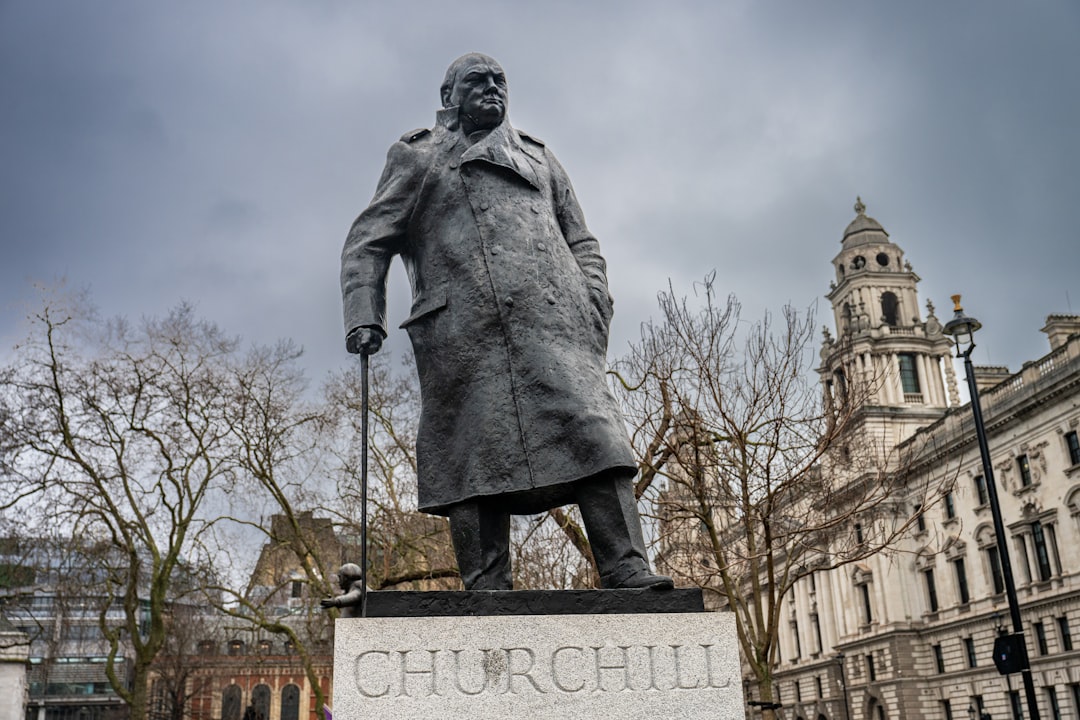
Recent analysis of Churchill's medical records has challenged the long-standing belief that he suffered from severe depression. Instead, the evidence suggests that his struggles were more closely tied to specific phobias and anxiety rather than clinical depression. His documented fears of railway platforms or the sides of ships may have indicated panic attacks or generalized anxiety, but they do not align with a diagnosis of depression.
Throughout much of his life, Churchill experienced moments of vulnerability, such as his fear of standing too close to balconies or train platforms. These fears might have stemmed from a lack of trust in his own rationality during moments of distress. Rather than allowing these anxieties to hinder him, Churchill channeled them into his famous rhetoric of strength and resilience, using it as a way to mask his private struggles.
Franklin D. Roosevelt's Concealed Disability Strategy
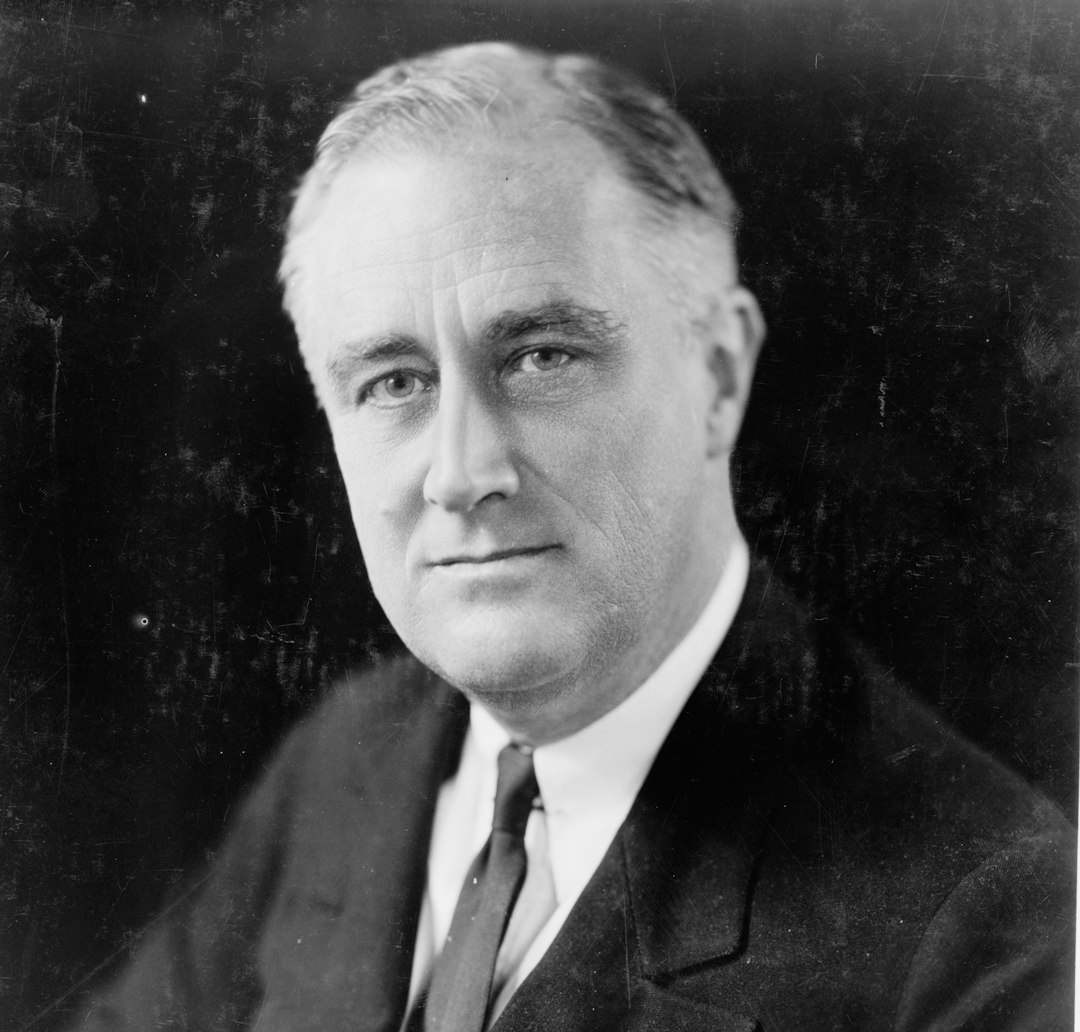
In the 1930s and '40s, FDR’s disability was carefully hidden from the public eye. After contracting polio at age 39, he never truly walked again. However, newspapers and radio networks avoided reporting on his use of a wheelchair. Very few photos exist of him sitting in one, while countless images show him standing at podiums.
Roosevelt went to great lengths to conceal his paralysis. He requested that the press avoid photographing him walking, maneuvering, or being transferred from his car. The Secret Service even intervened when someone attempted to capture an image of him in a "disabled" state. This fear of being perceived as weak shaped his entire presidency and public communication strategy.
During a speech to Congress in March 1945, just a month before his death, Roosevelt made a rare public reference to his disability, marking a significant shift in his approach to transparency.
Abraham Lincoln's Fear of Hereditary Madness
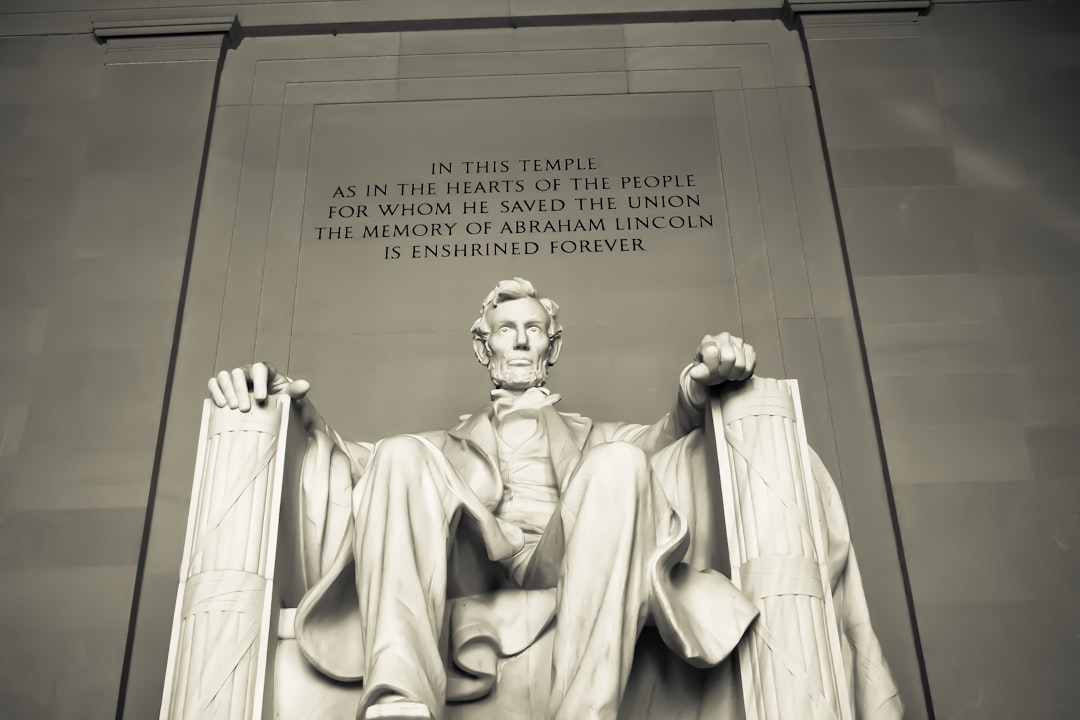
Newly analyzed personal correspondence reveals that Lincoln lived in constant fear of inheriting his mother's mental instability. This fear of genetic predisposition to madness influenced his work habits and decision-making during the Civil War. Letters to his physician show his anxiety about periodic episodes of what he called "the hypo," leading him to seek constant validation from his cabinet.
His fear of losing his mental faculties often caused him to delay crucial wartime decisions until he could consult multiple advisors. While this made him a more collaborative leader, it also took a heavy toll on his mental health.
Theodore Roosevelt's Asthma-Driven Overcompensation
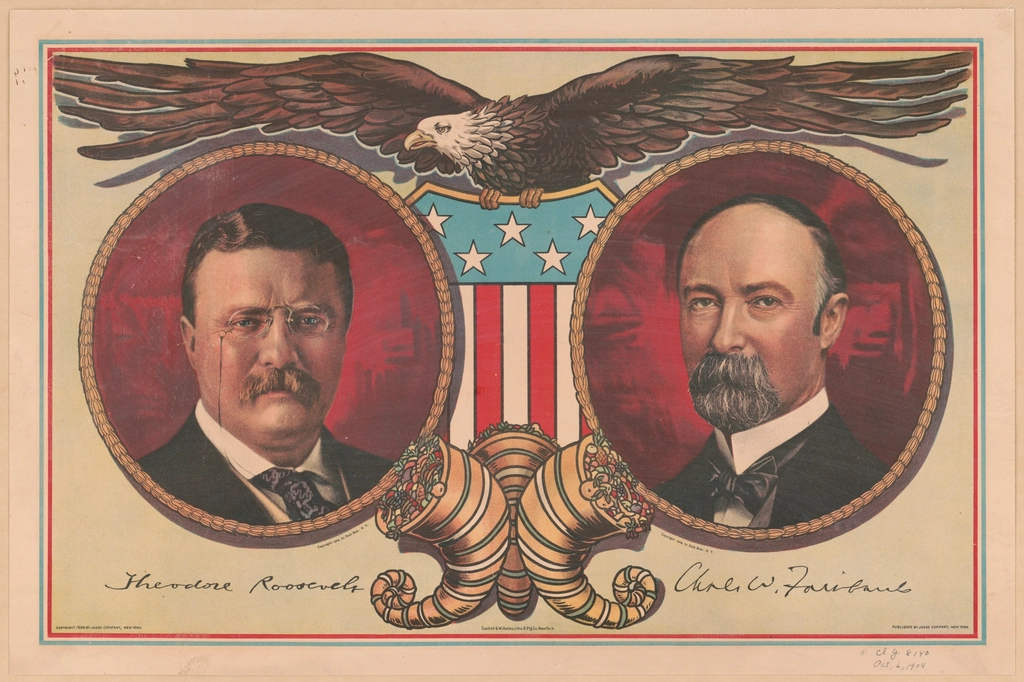
Archives from the Theodore Roosevelt collection show how his childhood asthma created a lifelong fear of being seen as weak or sickly. Medical records indicate he experienced severe respiratory episodes throughout his presidency, yet he developed elaborate methods to hide these attacks from the public and even close associates.
His "bully" persona was essentially a psychological shield against his physical vulnerabilities. This fear of appearing fragile drove his aggressive foreign policy stance and emphasis on American military strength. Personal letters reveal that he often pushed himself to dangerous physical extremes to prove his vitality, including his infamous Amazon expedition, which nearly cost him his life.
Napoleon Bonaparte's Height Insecurity Complex
Recent measurements of Napoleon's uniforms and furniture confirm that he was indeed shorter than average for his era, standing at roughly five feet six inches. Previously sealed French archives reveal extensive correspondence where Napoleon obsessed over his physical stature, often requesting platform shoes and strategic positioning during official portraits.
This height anxiety influenced his leadership style and military strategy. He preferred towering architecture and monuments, and insisted on being depicted on horseback or elevated platforms. Military historians now argue that his aggressive expansion campaigns were partly driven by a need to appear larger than life, compensating for his physical insecurities.
Queen Victoria's Agoraphobic Tendencies
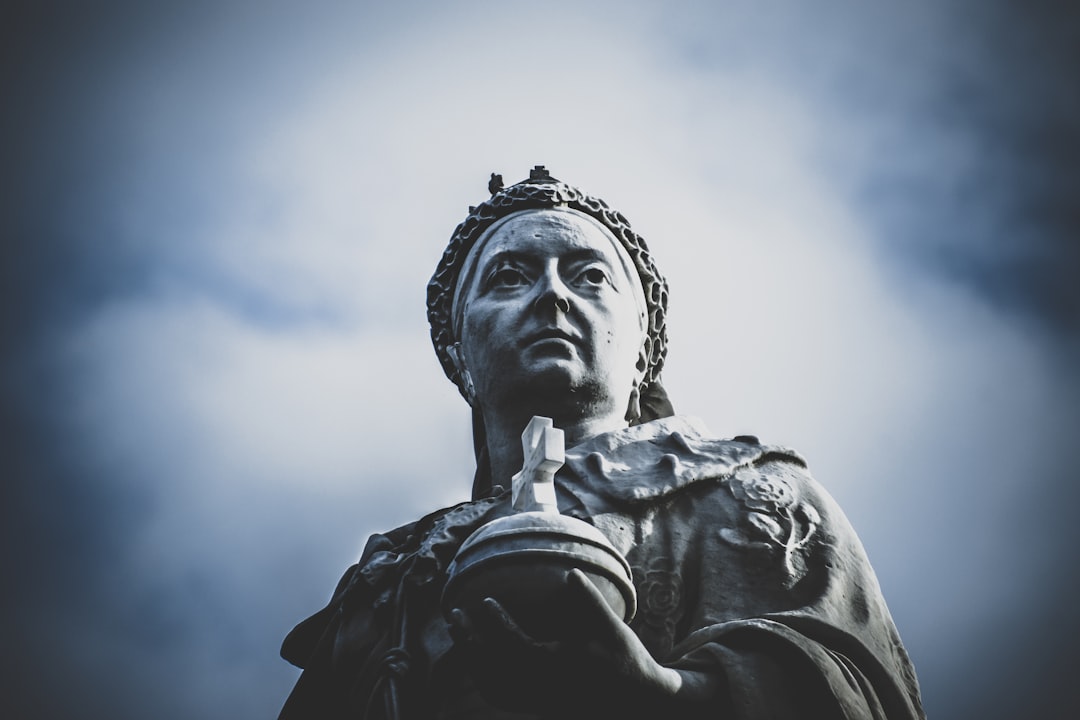
Newly released royal archives from 2024 reveal that Queen Victoria developed severe anxiety about public appearances following Prince Albert's death. Medical journals kept by her physicians describe panic attacks and an overwhelming fear of crowds that lasted for decades.
Her private terror led to a shift in how the British monarchy operated, moving from public ceremonial functions to more private, administrative roles. Her fear of public spaces resulted in new protocols for royal appearances, including shorter ceremonies and increased security measures. Ironically, her withdrawal from public life enhanced her mystique and authority.
George Washington's Dental Anxiety and Social Fears
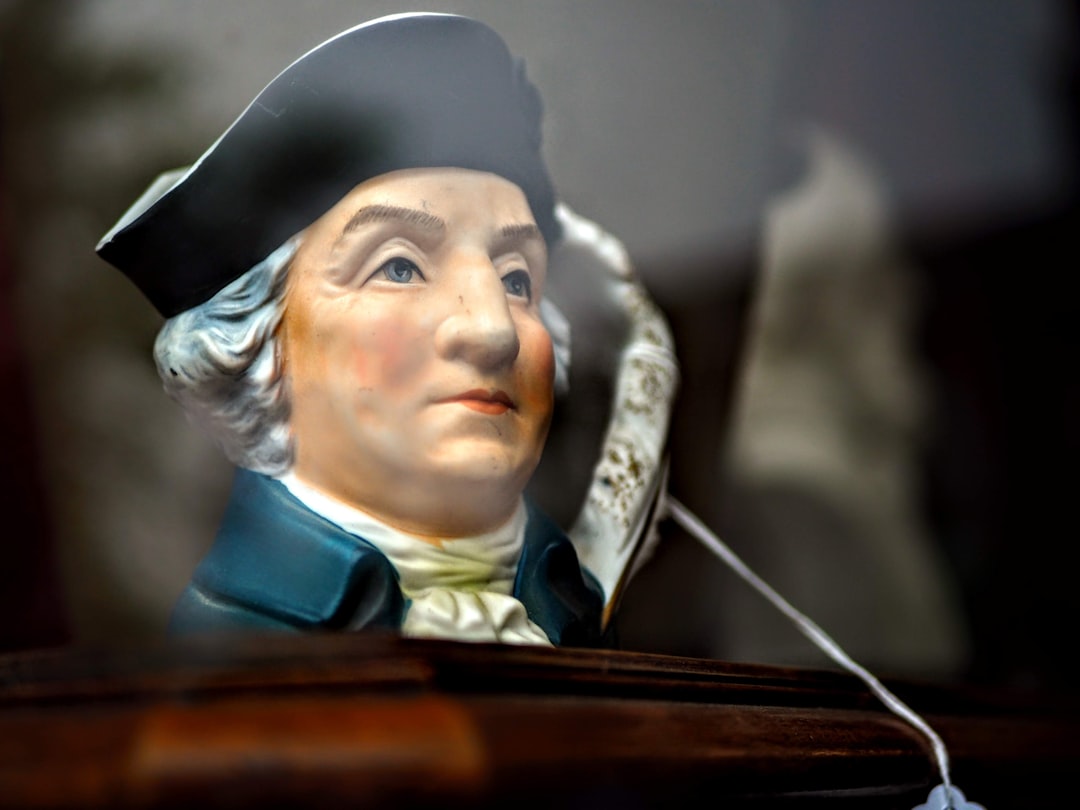
Washington's dental records, recently digitized by Mount Vernon archivists, reveal the extent of his oral health problems and how they affected his public speaking. By his inauguration, he had only one natural tooth remaining, and his dentures caused him significant pain and embarrassment.
Letters to his dentist show his deep anxiety about public speaking and fears that his dental issues made him appear undignified. This anxiety shaped his preference for written communication over speeches, influencing his decision to establish precedents for presidential communication through written messages to Congress rather than lengthy public addresses.
Catherine the Great's Fear of Palace Coups
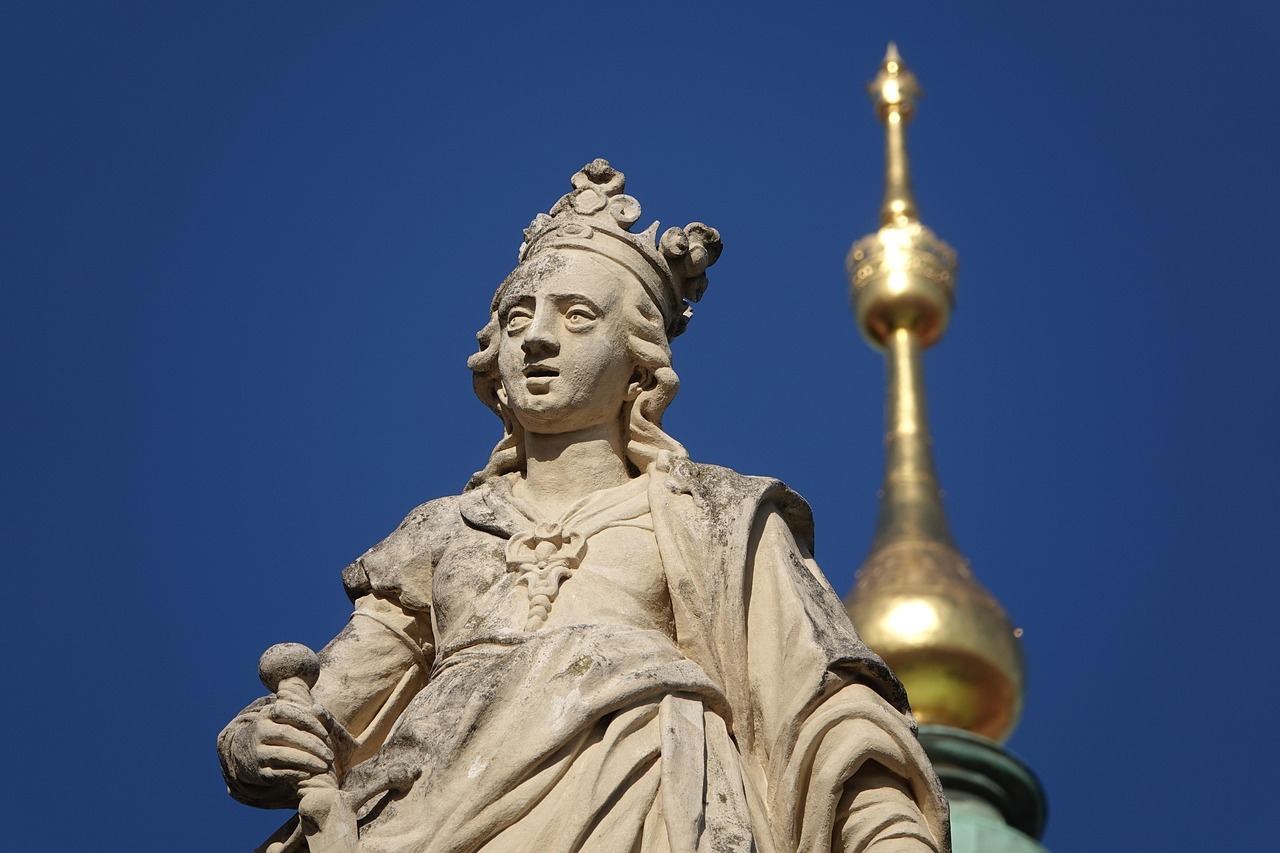
Russian state archives reveal Catherine's constant paranoia about being overthrown, stemming from her own rise to power through a coup against her husband. Intelligence reports she commissioned show extensive spy networks monitoring her courtiers and family members.
This fear of betrayal shaped her authoritarian approach to governance and reluctance to trust even close advisors with significant power. Her anxiety about palace intrigue led to the creation of multiple competing administrative systems, ensuring no single person could accumulate enough influence to threaten her rule.
Cleopatra's Terror of Roman Judgment
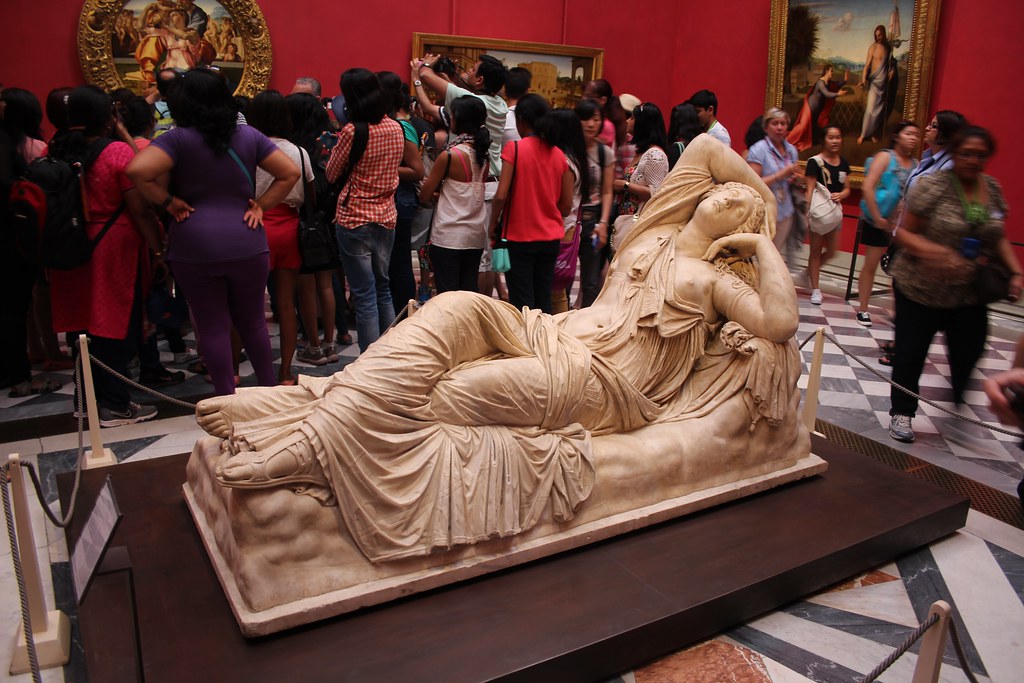
Recent analysis of Roman historical accounts reveals how Cleopatra's fear of being perceived as a barbaric foreign queen shaped her public displays and relationships with Roman leaders. Egyptian papyri show she spent enormous resources on spectacles designed to impress Roman audiences, including her famous meeting with Mark Antony.
Her fear of cultural dismissal drove her to master Roman customs, literature, and politics to an extraordinary degree. She positioned herself as a sophisticated intellectual equal to Roman leaders, fundamentally changing how Egypt was perceived in the ancient Mediterranean world.
Julius Caesar's Epilepsy-Related Superstitions
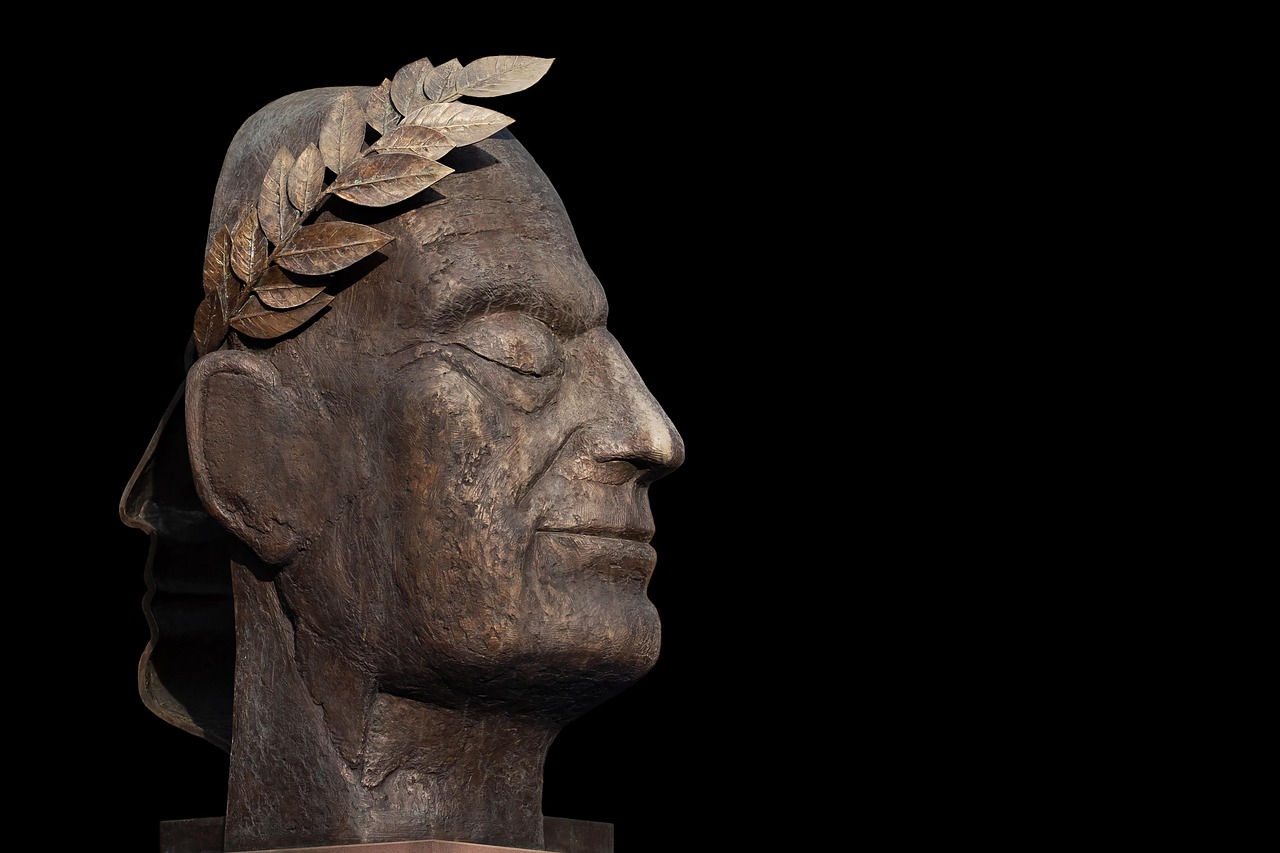
Medical historians analyzing Caesar's writings and contemporary accounts have identified patterns suggesting he suffered from temporal lobe epilepsy. Personal accounts from his servants, preserved in private family archives, describe his terror of having episodes during public appearances or military campaigns.
This fear of unpredictable medical episodes led him to develop complex timing systems for public appearances and military operations, often based on astrological calculations. His famous crossing of the Rubicon may have been timed around his medical anxieties, choosing a moment when he felt most confident in his physical stability.
These discoveries highlight how private fears and anxieties often became the invisible forces driving public policy and historical events. The most powerful leaders in history were not immune to deeply personal struggles, yet they found ways to transform their vulnerabilities into sources of strength or strategic advantage. What strikes me most is how human these towering figures really were beneath their public personas.

Post a Comment for "10 Historical Figures and the Hidden Fears That Defined Their Legacies"
Post a Comment