
15 Dog Breeds That Clash With Other Pets
Understanding Dog Breeds and Their Interactions with Other Pets
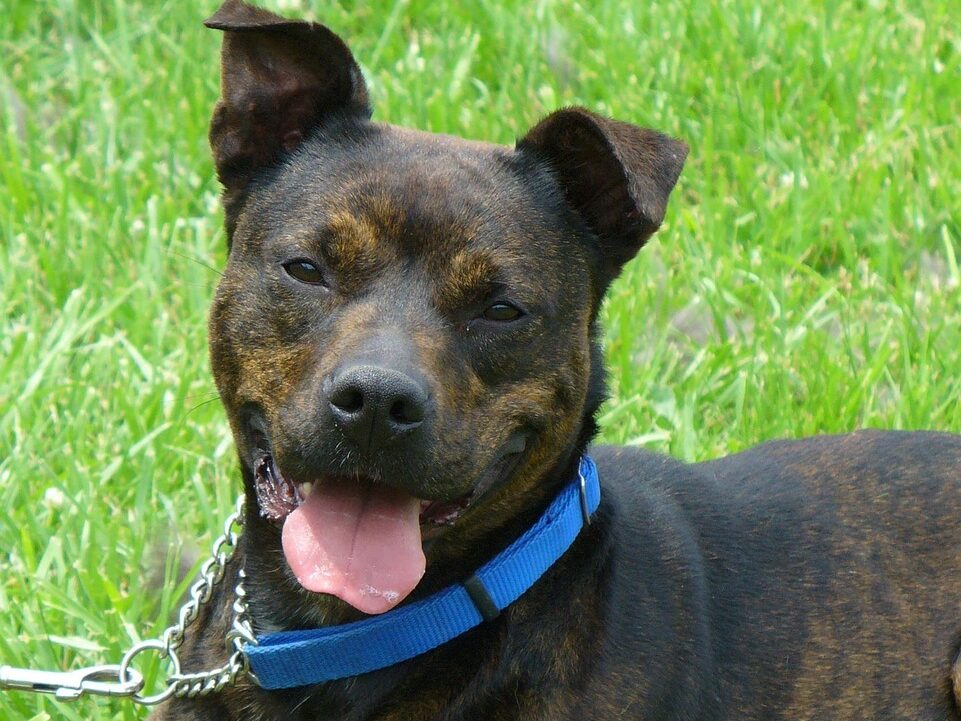
When it comes to living with other animals, dog breeds can vary significantly in their behavior and compatibility. While training can help, it often doesn't override the genetic instincts that some breeds have. Certain dogs may see cats as prey or become possessive over space and attention. Others have hunting backgrounds that influence their actions, regardless of how domestic their lives become. For anyone with existing pets, understanding which breeds might bring challenges is essential.
Akitas: Guarding What They Consider Theirs
 Akitas view their home as personal property. Cats or other dogs moving through those rooms aren’t welcome guests. Originally bred for hunting bears and boars in Japan, these dogs possess serious protective instincts. When another animal enters their space, the Akita remains still and watches. That stare doesn’t break. Tension builds in the house because the dog never truly relaxes around other pets.
Chow Chows: Rejecting Companionship
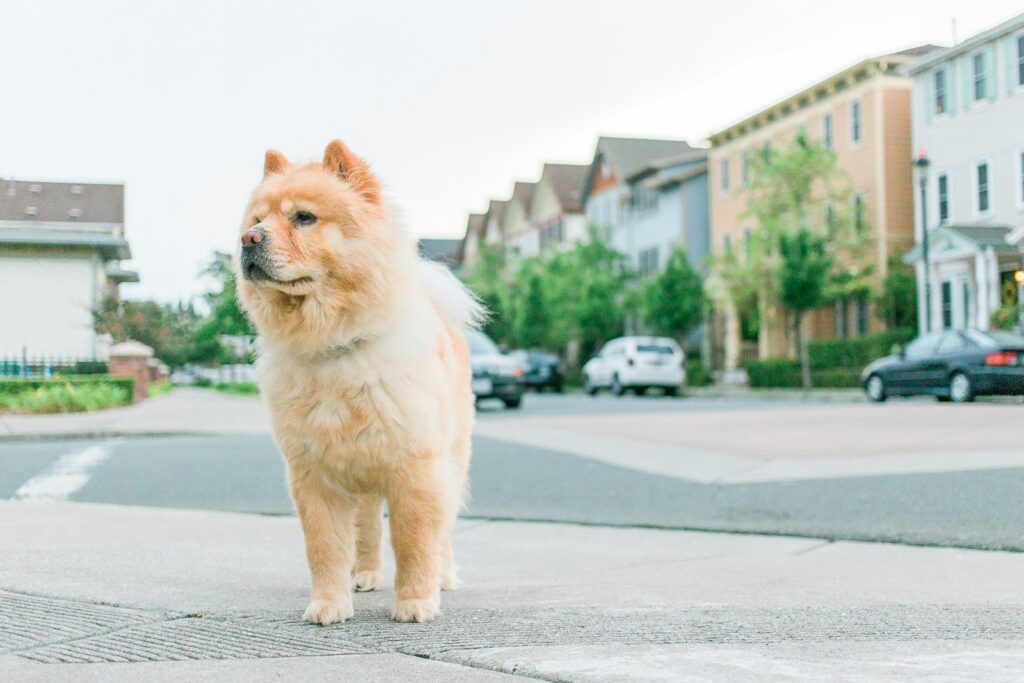 Chow Chows don’t seek out friendships with other animals. The breed maintains distance from everyone except their chosen person. Adding a second pet usually results in the Chow withdrawing further or showing outright hostility. These dogs can spend entire afternoons sitting in the same corner, watching a family cat, but never interacting with it. Their aloofness isn’t shyness. It’s a deliberate choice to remain separate from whatever else shares the house.
Jack Russell Terriers: Can’t Resist the Chase
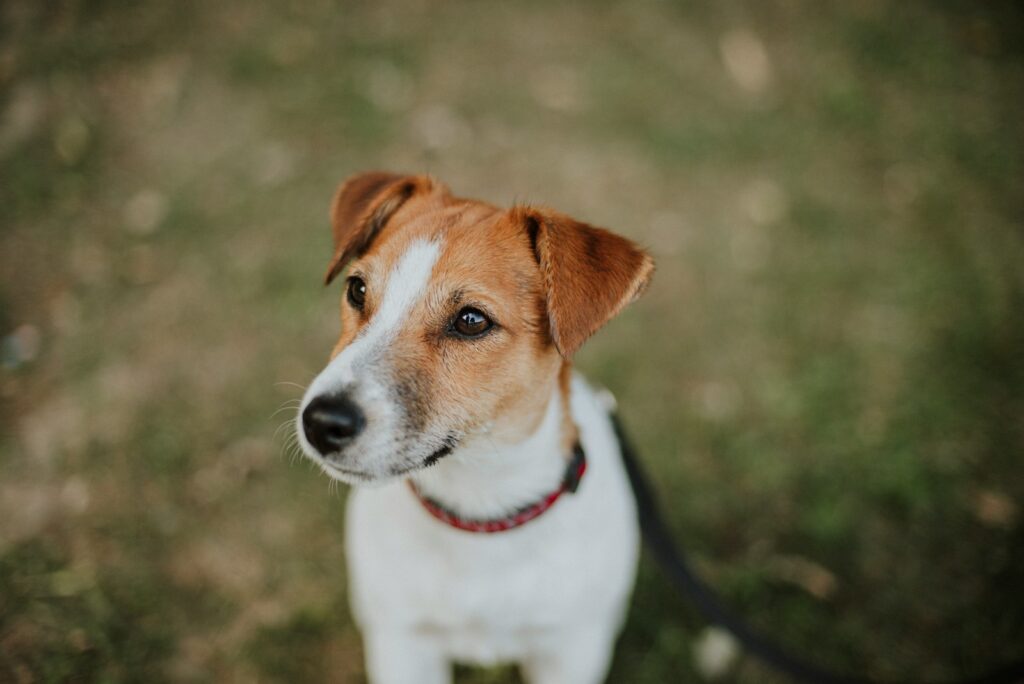 Fox hunting created the Jack Russell. The breed was supposed to chase game into tight spaces underground and not give up. Suburban homes don’t change that wiring. Put a hamster cage anywhere in the house, and the terrier finds it. And hours can pass with the dog sitting underneath, completely focused. Other pets get exhausted by that energy. The Jack Russell isn’t trying to cause problems, but stopping that chase instinct is nearly impossible.
Siberian Huskies: Following Ancient Hunting Patterns
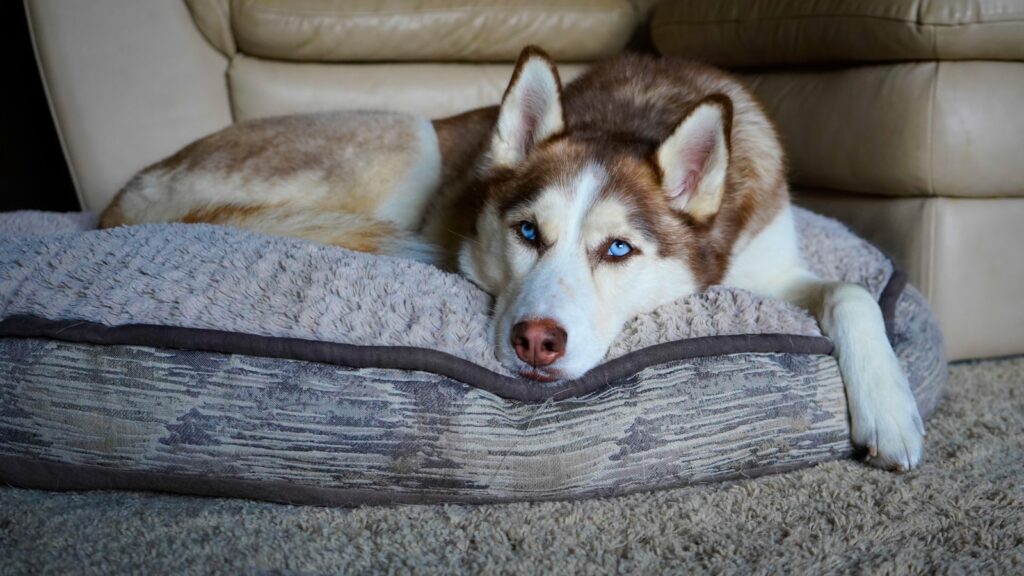 Huskies survived Siberian winters partly through hunting. Small animals meant food. That’s still in them. Cats trigger something automatic in these dogs. The clicking sound of claws on hard floors makes a Husky freeze and focus. Growing up together doesn’t always help. A cat moves fast, and the dog drops into a crouch by the furniture. Muscles go tight. Everything in the Husky shifts toward chase mode.
Pit Bull Terriers: Showing Aggression Toward Other Dogs
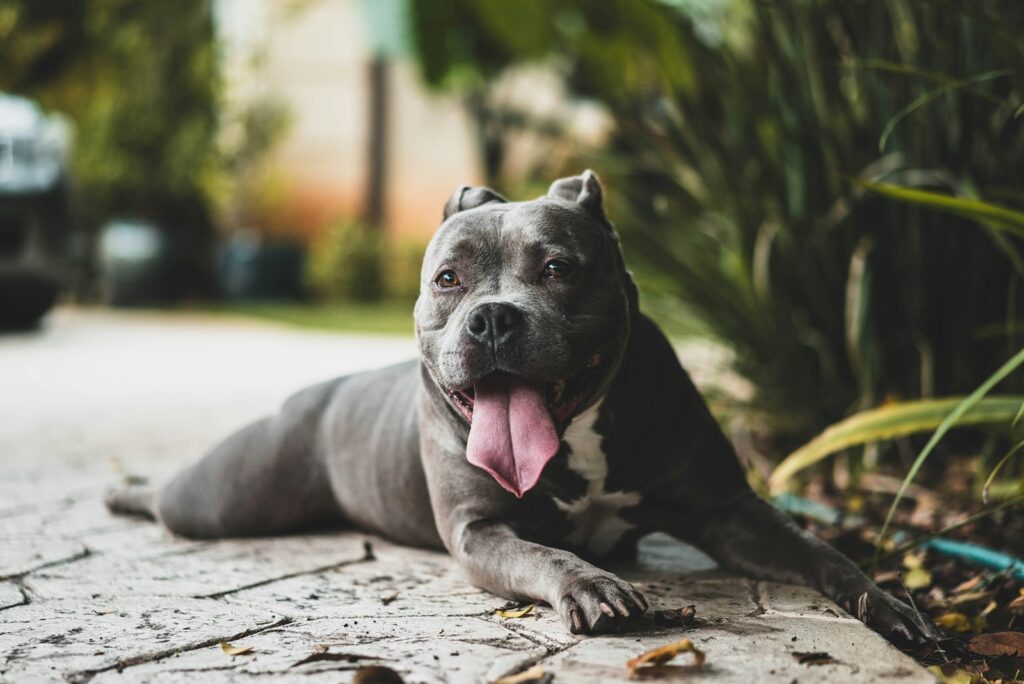 People often love their Pit Bulls. The dogs bond intensely with humans. Other dogs are a different story. Many Pit Bulls show aggression toward them. Cats sometimes trigger chase. The fighting history of this breed has left genetic traces that appear unpredictably. Walking down the street requires crossing to the other side when another dog appears. Some Pit Bulls sleep right on the bed, but won’t share a home with any other animal.
Afghan Hounds: Reacting to Movement
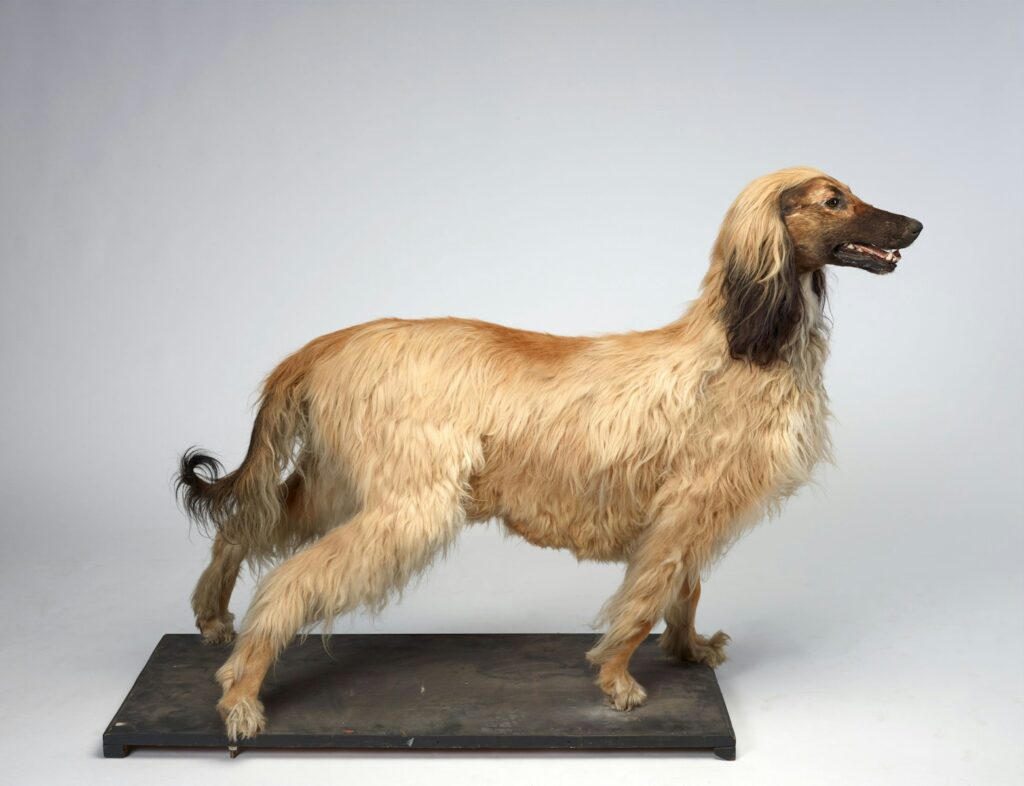 Afghan Hounds look graceful and slow until something moves quickly. Then their sighthound heritage takes over. They were bred to chase down gazelles across open ground. A cat jumping off furniture triggers that same response before anyone can intervene. The dog’s body language shifts completely in those moments. What seemed like a lazy afternoon by the window turns into chaos within seconds.
Basenjis: Hunting Without Making a Sound
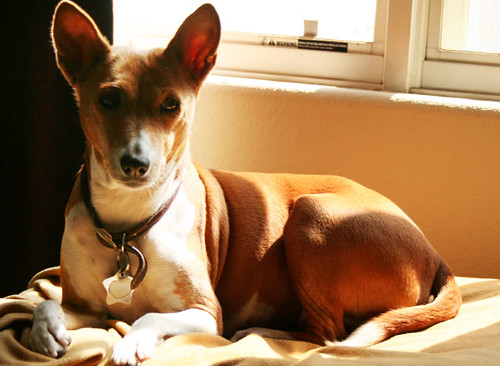 Basenjis don’t bark, but they were bred to track game through African forests. And their prey drive remains sharp. This dog might sit motionless for long stretches, just staring and calculating its next move. That silence makes them more unsettling to other pets. There’s no warning growl or bark—just patient, unwavering attention.
Weimaraners: Demanding Sole Attention
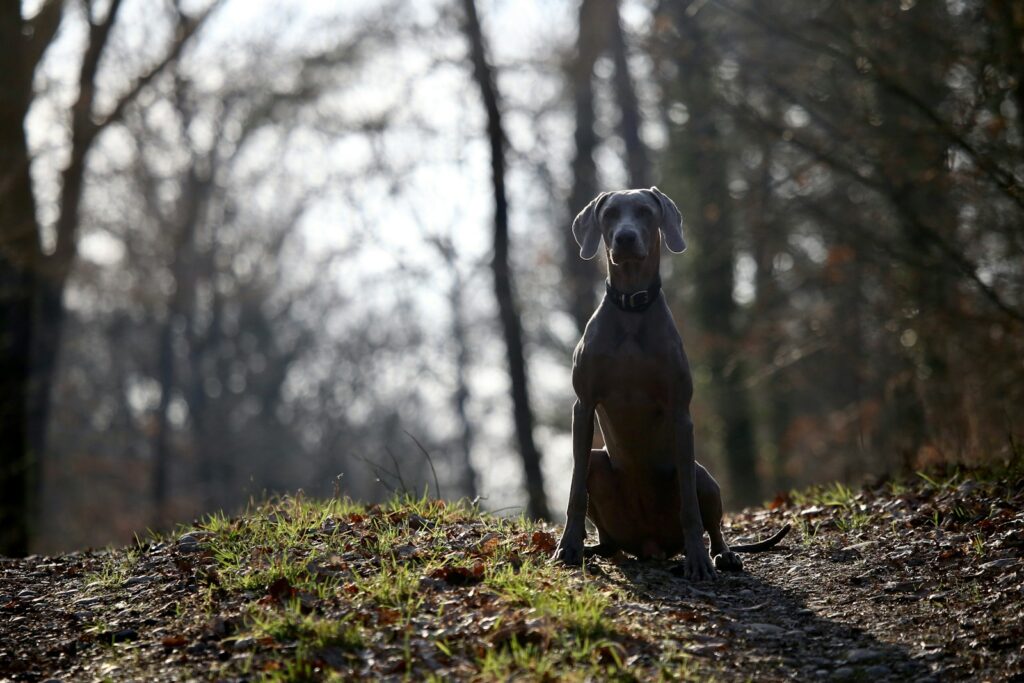 Weimaraners attach to their person obsessively. Sharing that person with another pet doesn’t work for them. Bring home a cat or a second dog, and jealousy appears immediately. Aggression or destroyed furniture often follows. Hunters bred these dogs as individual working partners. Packs weren’t part of the plan. A Weimaraner expects to be the only animal receiving attention. Competition isn’t something they handle.
Scottish Terriers: Defending Their Territory Fiercely
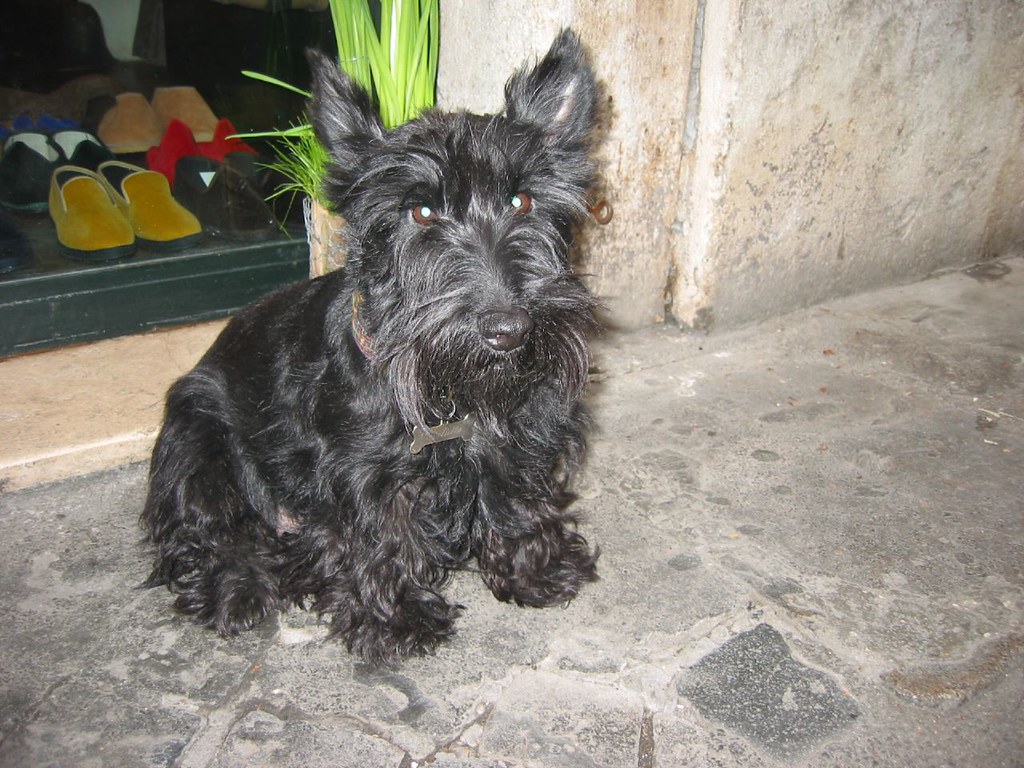 Small body, massive attitude. That’s a Scottish Terrier. Badger hunting requires serious courage because those animals fight back hard underground. Scotties still possess that boldness, which makes them territorial. A favorite chair becomes off-limits to other pets. Sections of the yard get claimed. Other animals approaching those spots get reactions. The breed doesn’t adjust or compromise about space. Water bowls sitting on the floor can start conflicts.
Airedale Terriers: Establishing Dominance
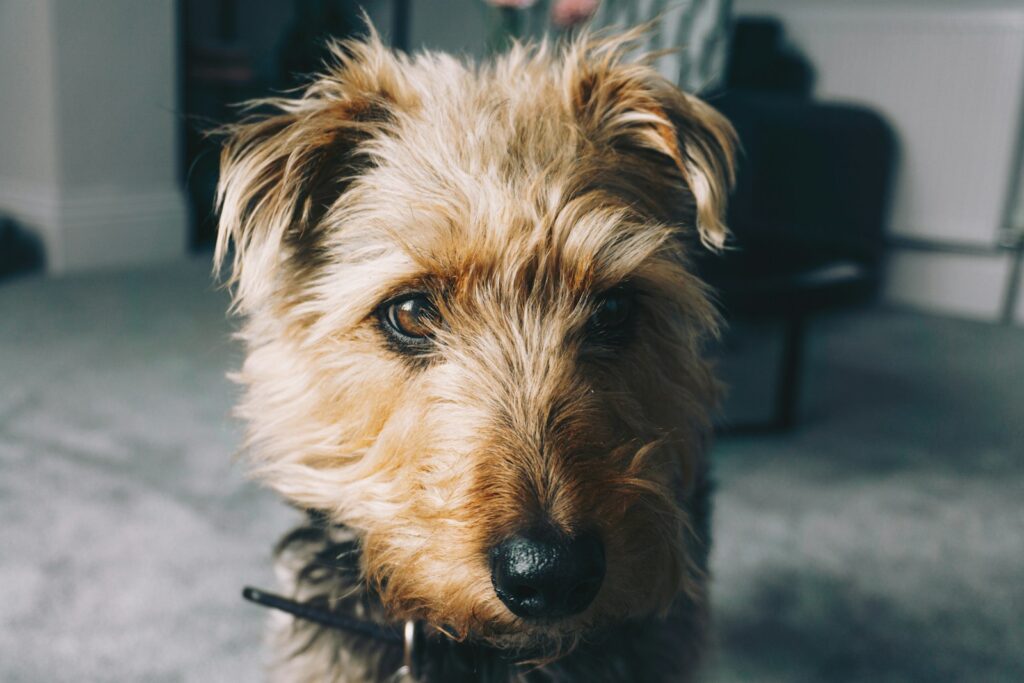 Airedale is one of the largest of the terrier breeds. Size backs up their confident personalities. Any situation with other animals becomes a question of who’s in charge. And the Airedale decides who it should be. Smaller pets face real danger in confrontations. Otter hunting shaped this breed, giving them both a strong prey drive and territorial tendencies. Doorways can become test points, and an Airedale sitting there won’t budge for a cat.
Shiba Inus: Choosing Solitude
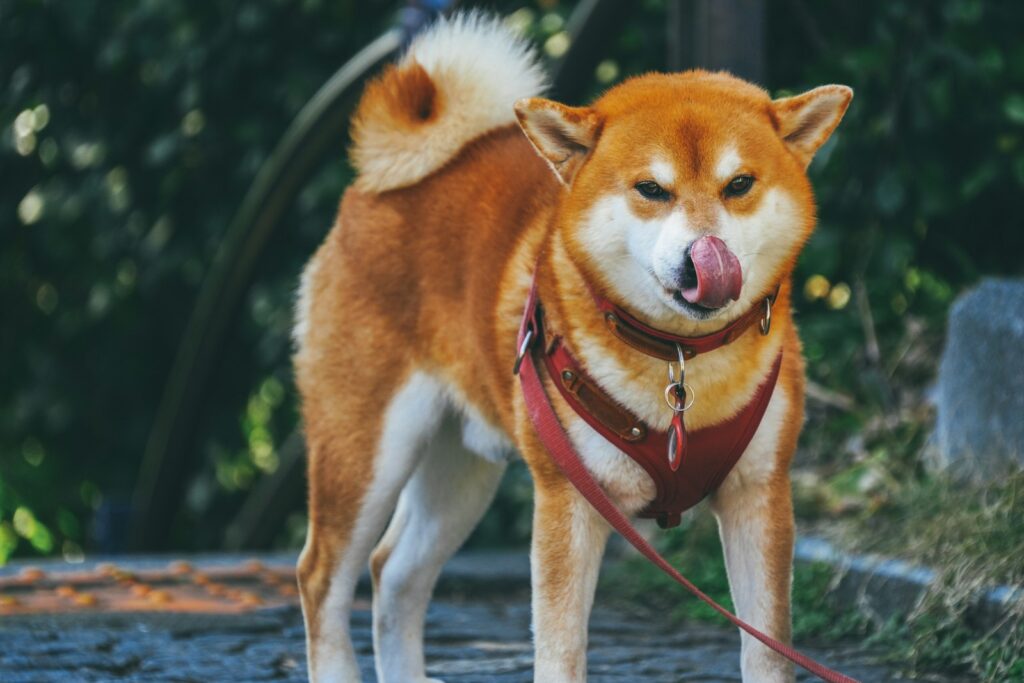
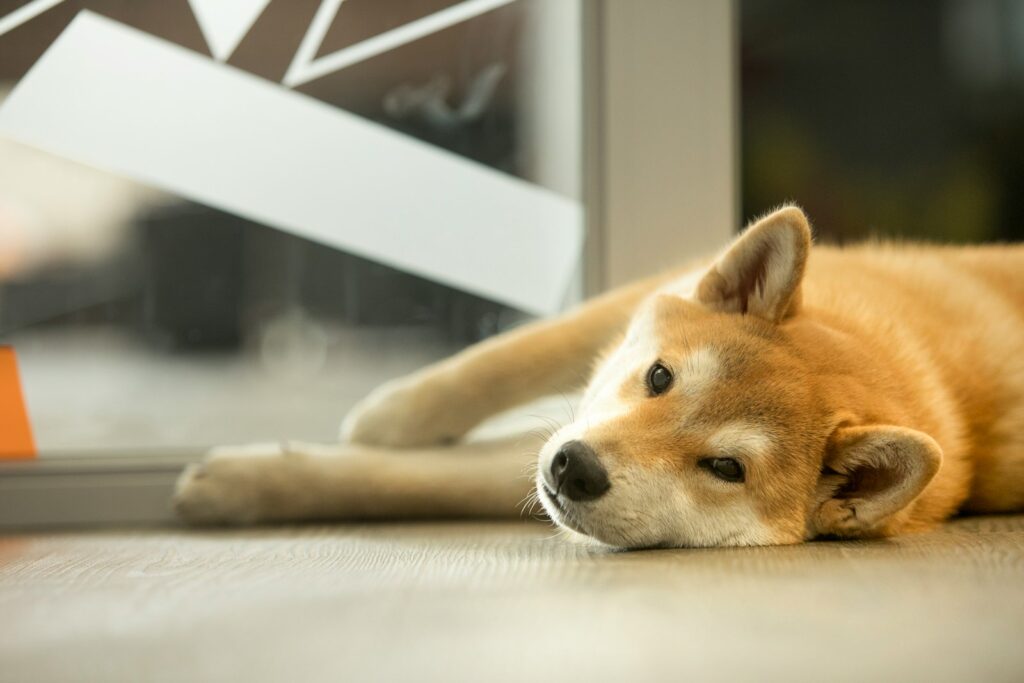 Shiba Inus bond with one person and tolerate everyone else. Other pets fall into the category of things to tolerate at best. The breed shows cat-like independence and just as much indifference toward housemates. They have strong prey drives toward actual cats, though. A Shiba might ignore its owner’s attempts at introducing a new dog while fixating on birds visible through the window.
Australian Cattle Dogs: Trying to Control Everything
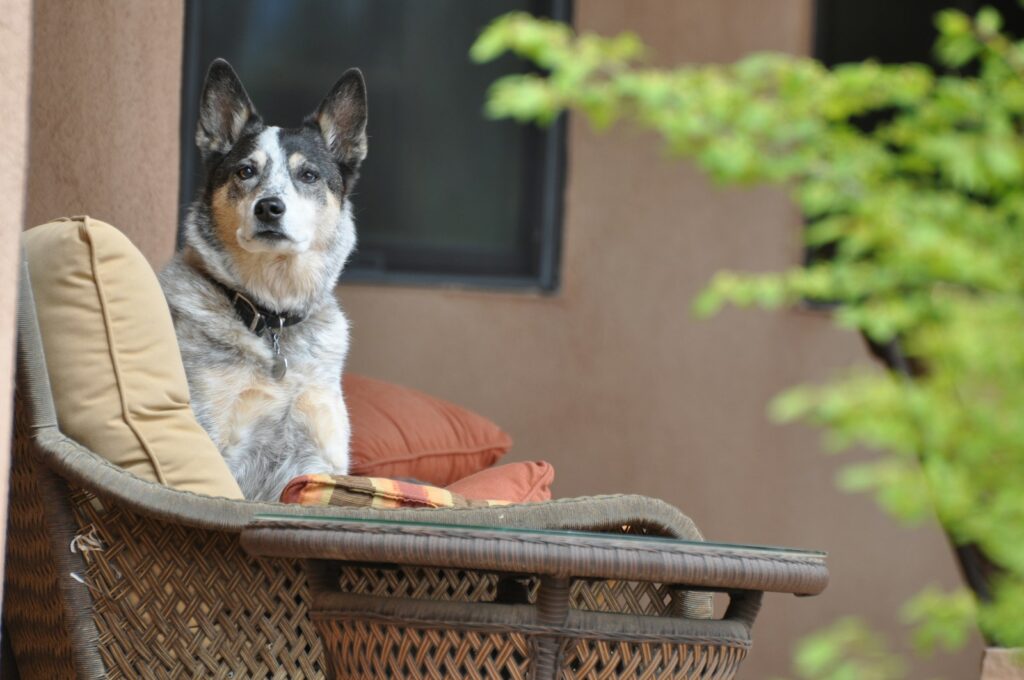 Australian Cattle Dogs were bred to manage livestock independently across vast distances. That herding instinct applies to every moving thing in their environment. Other pets get nipped, circled, and corralled whether they like it or not. A cat trying to walk through the living room gets redirected by the dog who thinks it’s helping. The behavior doesn’t stop. It’s what the breed was designed to do.
Rhodesian Ridgebacks: Carrying Lion-Hunting Genetics
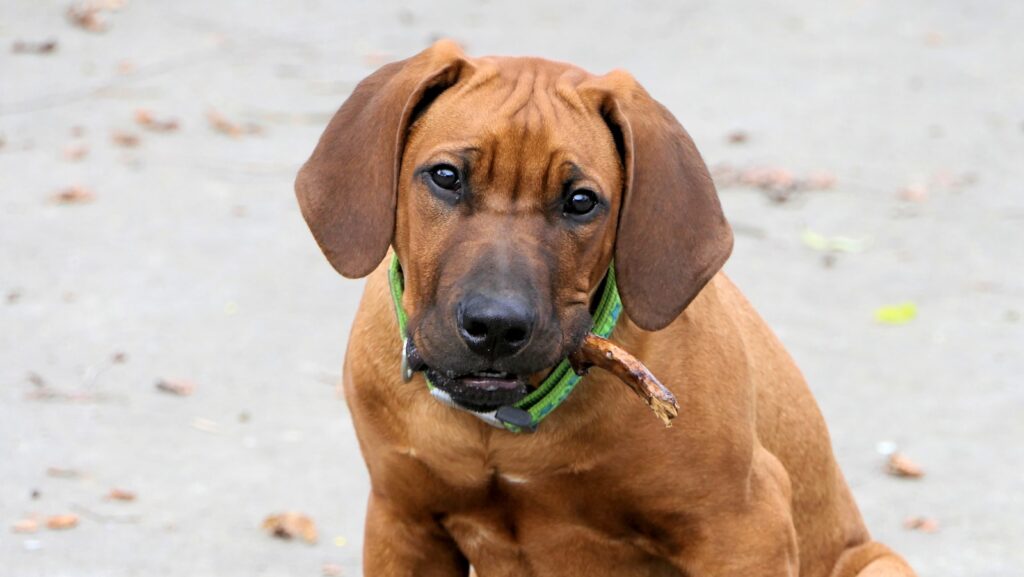 Africa’s lion hunters gave rise to the Rhodesian Ridgeback. That level of prey drive and courage doesn’t mix safely with smaller household animals. Even longtime companion pets might trigger instincts when play gets intense. These are big dogs and accidents can happen. A Ridgeback standing at the door during evening hours isn’t just looking outside. Those eyes track movement the way a hunter watches for prey.
Doberman Pinschers: Guarding Against All Threats
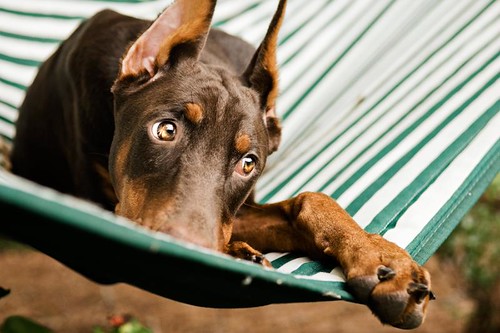 Dobermans are protection dogs by design. They interpret other pets as potential threats to their family or as competitors for attention. Their guarding instinct makes them reactive when animals enter rooms or approach their owner. These dogs are powerful enough that even their play looks aggressive to smaller pets. A Doberman settling on the floor near the bedroom door positions itself between its owner and everything else in the house.
Alaskan Malamutes: Demanding Pack Leadership
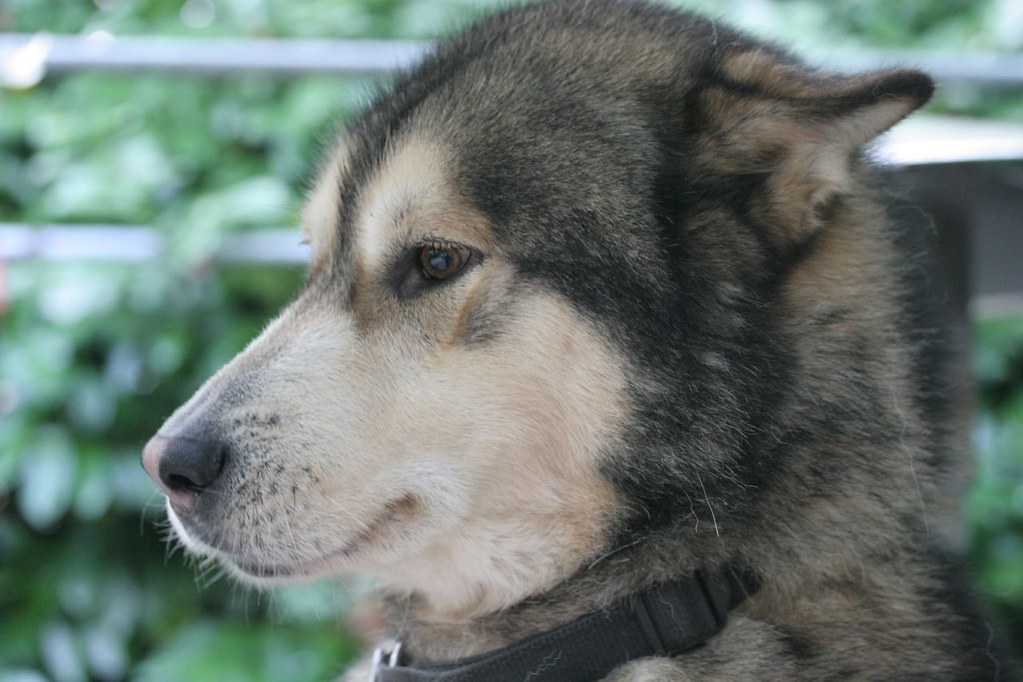 Alaskan Malamutes require establishing a hierarchy. They don’t share leadership roles with other dogs, and they view cats as prey. These dogs were bred to work in teams but also to think independently during dangerous conditions. That combination creates animals that decide on their own pack order. A Malamute won’t accept another dog walking ahead of it through doorways. It pushes past regardless of what the owner wants.

Post a Comment for "15 Dog Breeds That Clash With Other Pets"
Post a Comment