
6 Hidden Buffet Benefits Employees Wish Diners Knew
Strategic Food Placement That Guides Your Choices
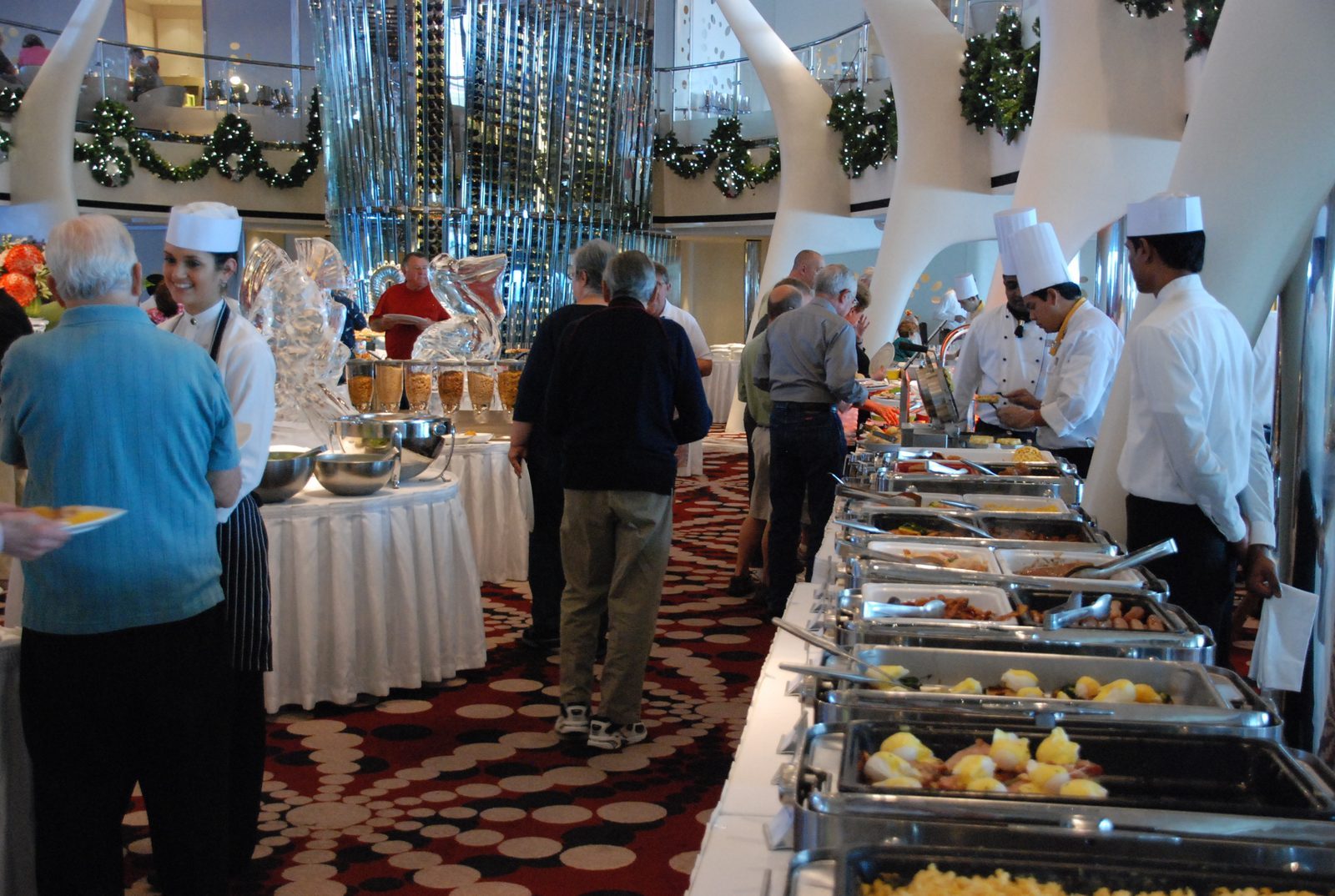
Buffet restaurants are designed with a specific goal in mind: to guide your choices without you even realizing it. The first few items on the buffet line are often the cheapest options, such as pasta, bread, fried rice, and salads. This is not by accident but a calculated strategy based on research from the Cornell Food & Brand Lab. Their studies show that most diners tend to take the first items they encounter, regardless of what they are.
Restaurant workers have observed this pattern daily. They know that the majority of people will grab the first few items, while only a small percentage will go for the last ones. This is why more expensive proteins like prime rib and seafood are often placed at the end of the line. Some of these high-cost items are even hidden in less obvious locations, such as behind a pile of roasted potatoes or tucked away in a corner past a large tray of teriyaki chicken.
Plate Size Psychology and Serving Equipment Manipulation
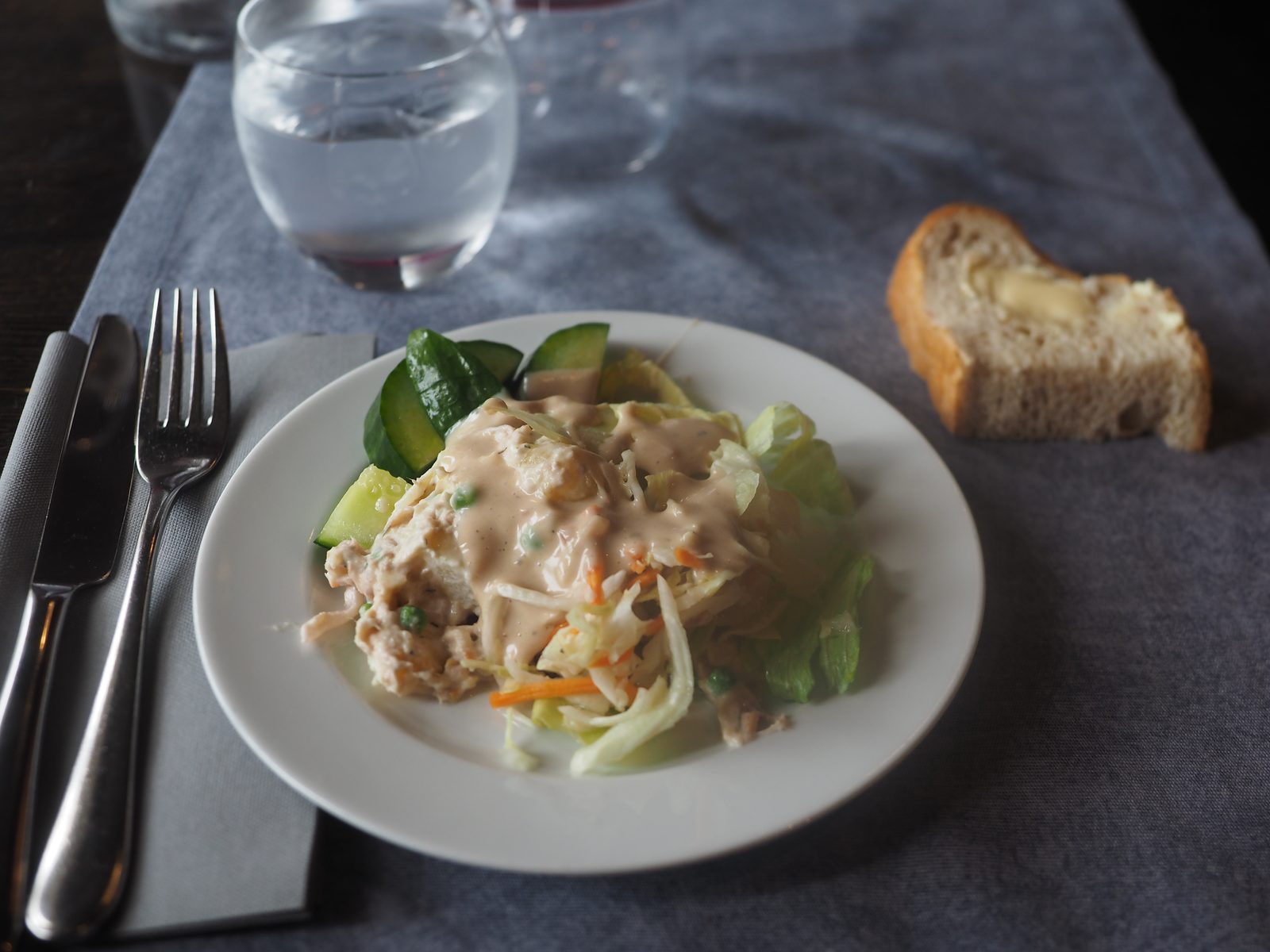
The tools you use at a buffet play a significant role in how much you eat. You’ll rarely see full-sized dinner plates or actual soup bowls. Instead, buffets typically provide small plates, ramekins, and tiny dessert bowls. These smaller portions are intentional cost-saving measures. While you might be given a tray to carry all those little dishes, the size limits how much you can carry in one trip, which in turn reduces the amount you consume per visit.
Restaurant suppliers understand this and offer tableware specifically designed for buffets. Even silverware tends to be smaller, though not so small that it’s noticeable. The idea is that smaller plates create an illusion of abundance, making you feel like you’re eating more than you actually are. Restaurant workers watch customers fall into this psychological trap every day, often without them realizing it.
Beverage Strategy and Fill-Up Tactics
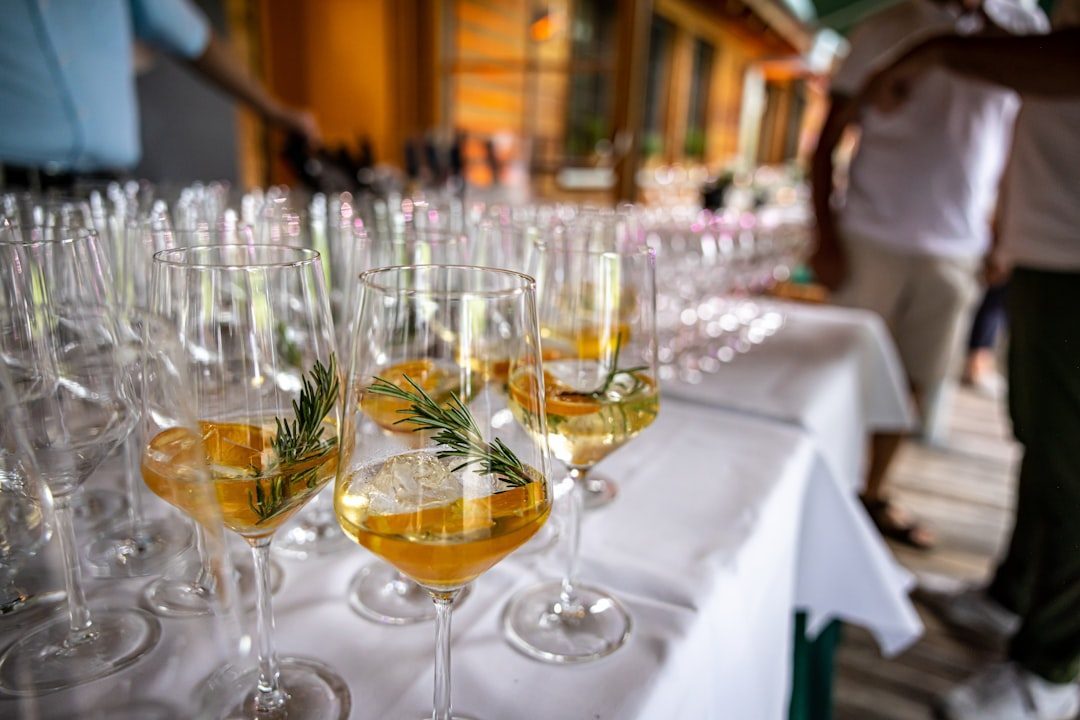
Drinks are another area where buffets capitalize on customer behavior. Most buffets don’t include beverages in the price, and while you might not think twice about this, it's a key way they increase profits. Free refills may sound appealing, but buffets often serve drinks in larger glasses to encourage faster consumption. By drinking more, guests unknowingly limit their food intake.
Many buffets don’t have self-serve drink machines and instead employ staff to bring drinks to customers. This limits how many refills you can get, further increasing profits. Workers observe how customers who drink more tend to eat significantly less food, reinforcing the effectiveness of this strategy.
Sneeze Guard Positioning and Safety Protocols
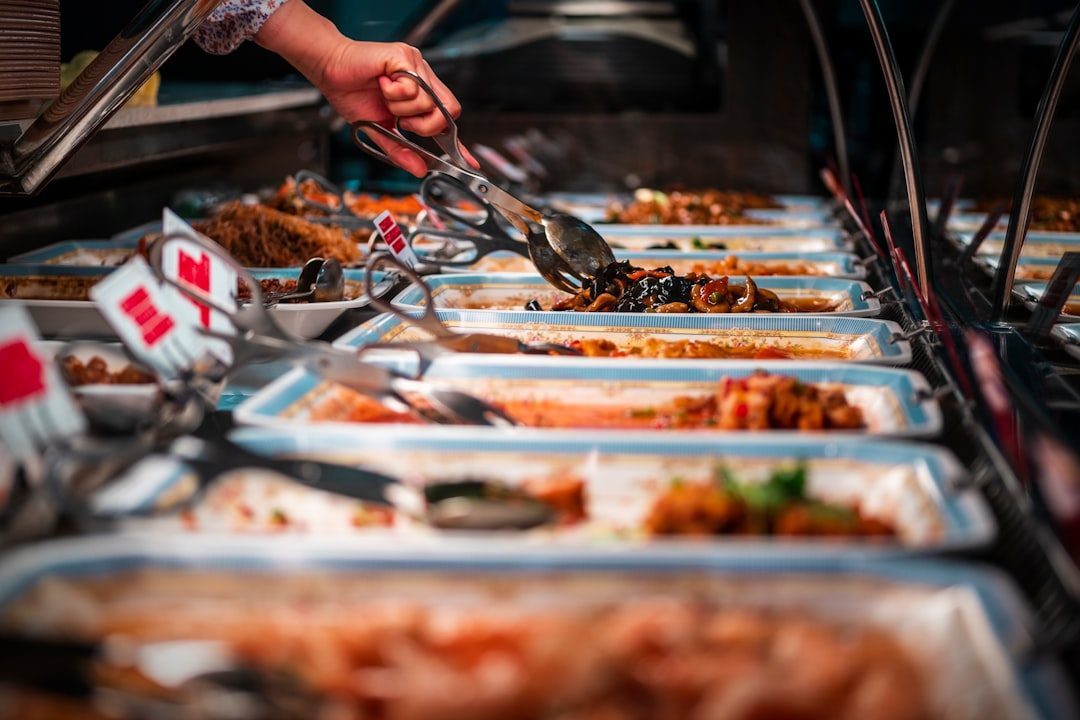
Sneeze guards are more than just aesthetic features; they are essential safety measures. Workers understand that these transparent shields must extend beyond the edge of the food container and be positioned at the right height to block the direct line between a person’s mouth and the food below. They must cover the entire length of the food display without gaps or missing sections.
These barriers are required by health codes and serve as a physical shield against contamination from airborne particles. Restaurant workers regularly clean and adjust these guards throughout service. However, they also notice when other diners bypass these protections, such as reaching around or under the guards, leaning over, or allowing children to duck underneath. Such actions undermine the purpose of these safety measures.
Dessert Placement and Visual Marketing
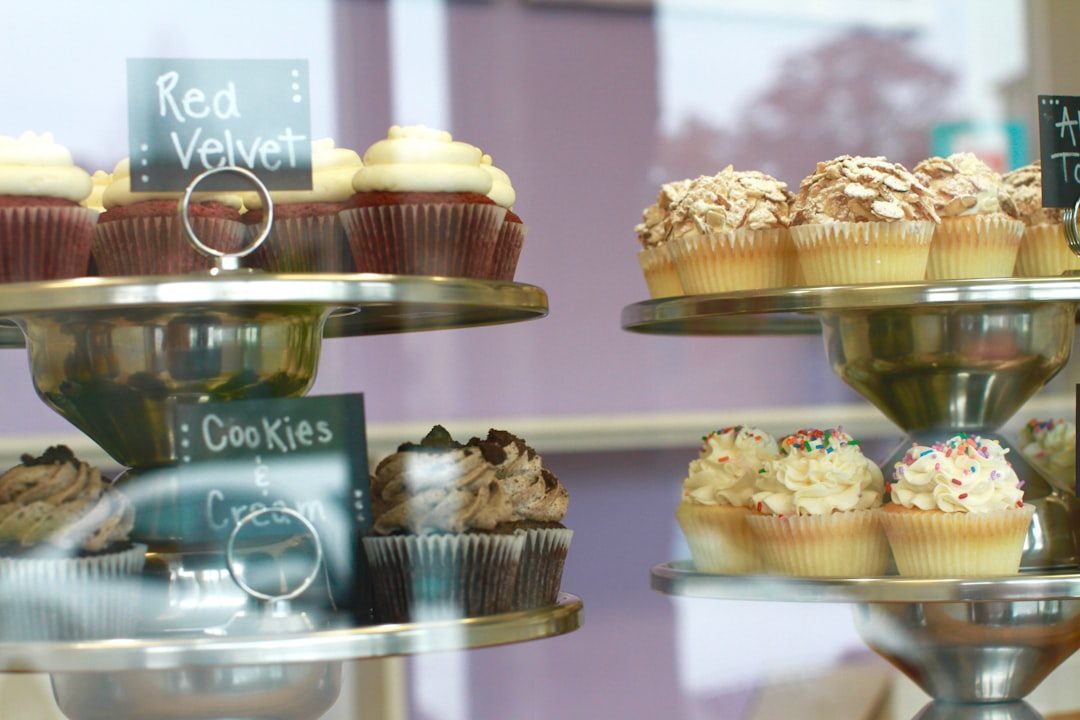
Desserts are strategically placed to tempt diners toward sweeter endings. They are often displayed near the entrance or in central locations, ensuring everyone sees them first. The sight and aroma of desserts can easily sway decisions to indulge, even when guests are full. Workers know that desserts are high-margin items that cost relatively little to produce.
This tactic works because desserts are usually cheaper to produce but offer high perceived value. Staff carefully arrange these displays to maximize their attractiveness, knowing that customers make impulse decisions based on visual presentation rather than hunger.
Staff Circulation Patterns and Monitoring Systems
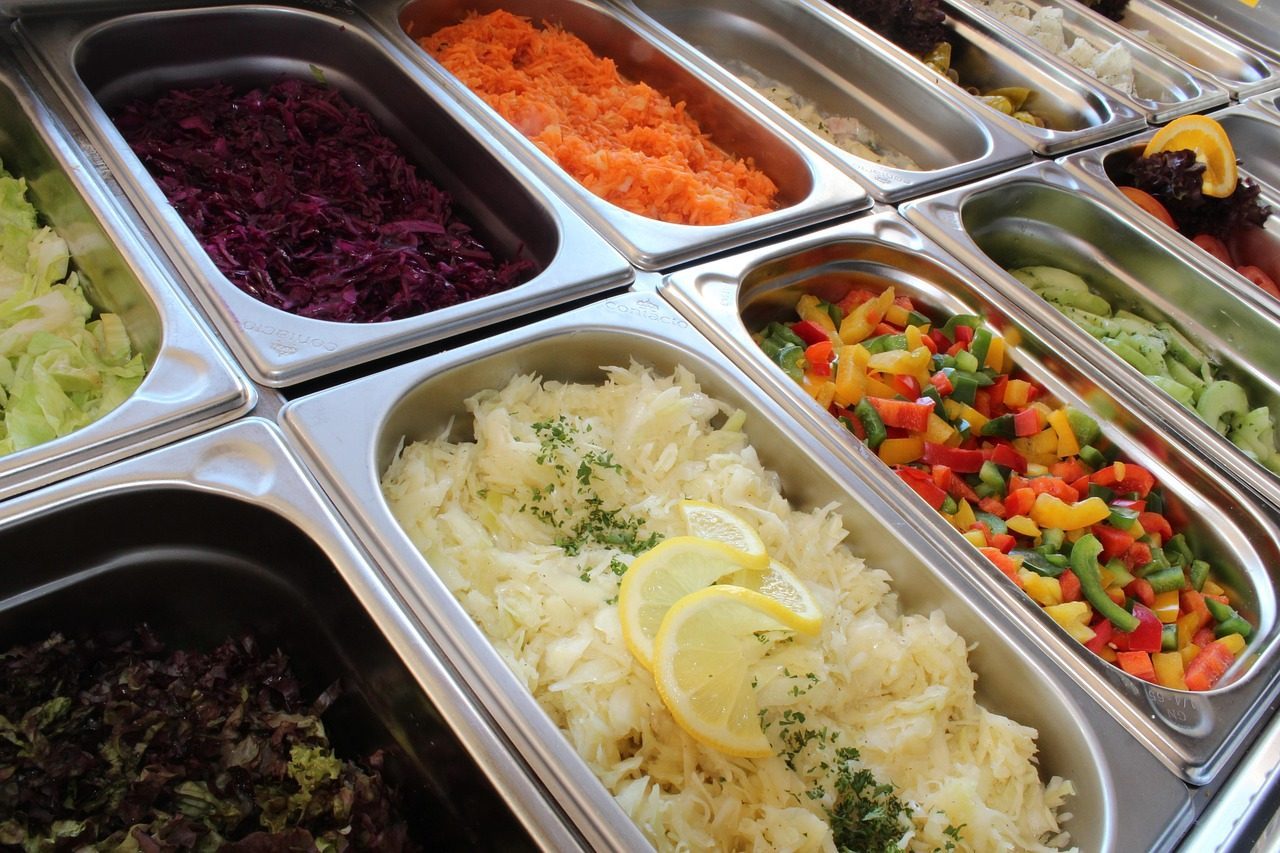
Attentive staff play a crucial role in managing diner behavior. Quick clearing of plates encourages guests to take additional trips to the buffet, subtly promoting more eating. Staff may also rearrange food to make it look fresh and appealing, enhancing the perception of abundance.
Workers follow specific circulation patterns designed to maximize these psychological effects. They monitor the self-service area closely, watching for any issues such as someone using the same utensil for multiple foods. In such cases, they switch out the contaminated foods with fresh ones and discard the old ones.
Staff members continuously patrol the buffet area, though most customers never notice this constant supervision. While you can't control other customers' actions, you can observe how staff responds to these situations. Do they intervene immediately, or do they pretend not to notice? The answer can reveal a lot about the restaurant's standards and clientele.

Post a Comment for "6 Hidden Buffet Benefits Employees Wish Diners Knew"
Post a Comment