
A Lifetime Championing Black History Finally Receives an Apology for Slavery
A Legacy of Remembrance and Resistance
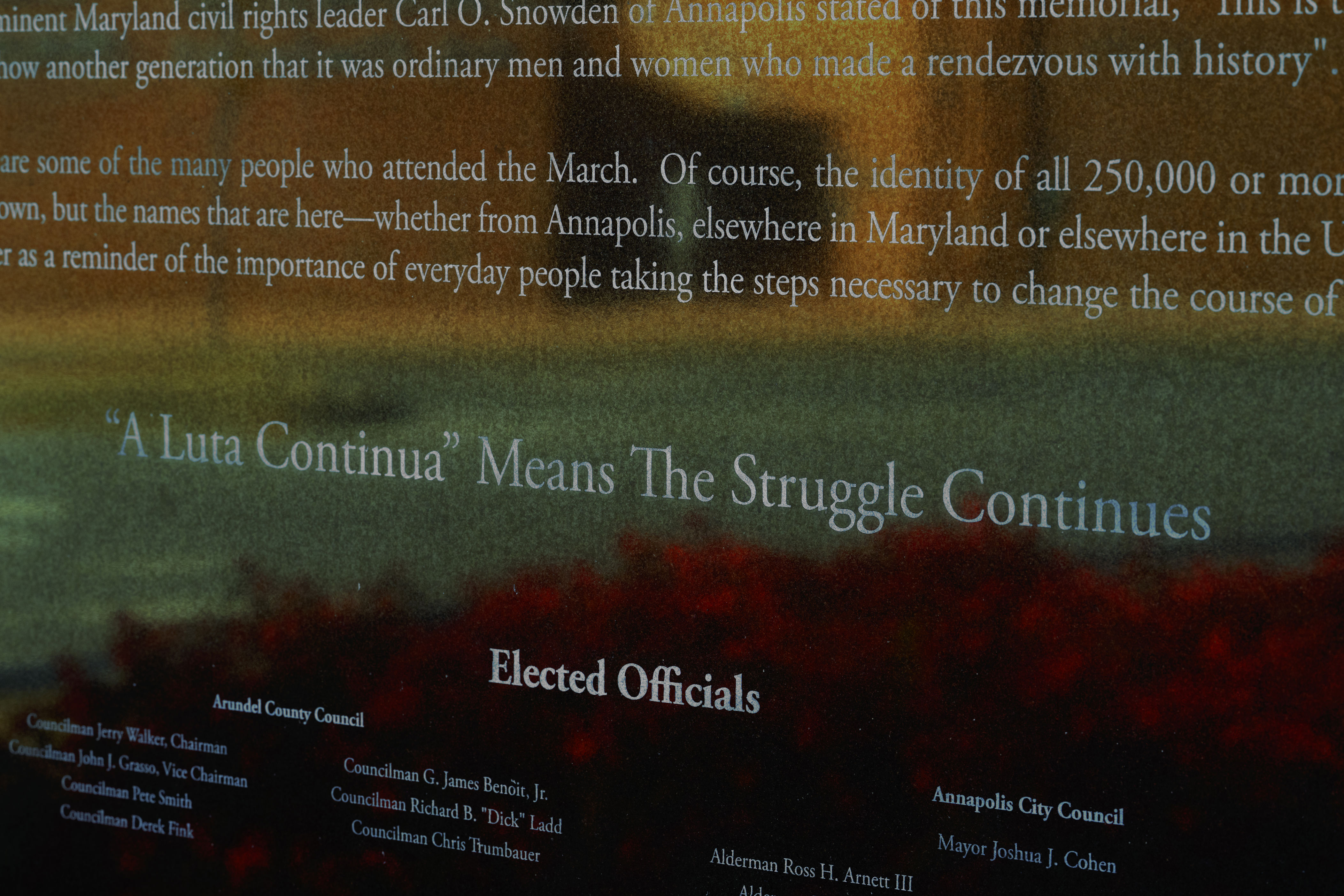
Civil rights leader Carl Snowden walks through a cemetery in Annapolis, his steps echoing against the quiet stones that mark the resting places of 10 men—mostly Black—who were lynched in Maryland between 1891 and 1906. Two plaques stand side by side: one detailing the names of those lost to racial violence, and the other bearing a Portuguese phrase meaning “the struggle continues.” This sentiment encapsulates Snowden’s lifelong commitment to civil rights and the preservation of Black history.
Snowden’s efforts have led to the creation of more than 15 Black history memorials across Anne Arundel County. His work is not just about remembering the past; it is about ensuring that the lessons learned from it are never forgotten. As he reflects on his journey, he acknowledges progress but warns against complacency.
“We have had progress,” he says with a smile. “But we should never assume we’ve reached that zenith.”
At 72 years old, Snowden has dedicated much of his life to preserving the legacy of Black Americans in his home county. His latest project will come to fruition on November 22, when Anne Arundel County formally apologizes for slavery. The apology was requested by Snowden and other civil rights leaders and will be announced by County Executive Steuart Pittman, whose ancestors owned enslaved people.
The apology comes over 160 years after slavery was abolished in Maryland. For Snowden, it is a step toward acknowledging the deep scars left by this dark chapter in history.
“To do the right thing — there’s never a wrong time to do that,” he says. “You’d be surprised how quick people can forget.”
The event at Maryland Hall will feature remarks from historians, followed by Snowden presenting the request for an apology. Pittman will then deliver the formal statement, with forums and exhibits on Black history throughout the day.
The Shadows of the Past
Anne Arundel County is rich in history, but its past is also marked by some of the country’s most painful episodes. City Dock in Annapolis once served as a functioning slave port, and many residents, both Black and White, trace their ancestry to plantations across the county. In the decades following the abolition of slavery, mentally ill and poor Black Marylanders were subjected to medical experimentation at Crownsville Hospital Center, with many buried in unmarked graves.
For years, these injustices went largely unacknowledged until Snowden and others began advocating for memorials and apologies for systemic racism. Their efforts have brought long-overdue attention to these issues.
“Every community, every group has to have a Carl Snowden,” says Carroll Hynson Jr., a longtime financial supporter of Snowden’s work. “We’re blessed in a lot of ways to have Carl.”
A Divided Perspective
While many see the apology as a positive step, not all local civil rights leaders share the same view. Steven Waddy, president of the Anne Arundel County branch of the NAACP, argues that words alone are not enough. He believes the apology is empty without concrete action, such as reparations for descendants of enslaved people.
“The apology is about White people,” Waddy said. “It’s an effort to absolve White descendants of enslavers in Anne Arundel County of their guilt without requiring any real sacrifice.”
Maryland Gov. Wes Moore recently vetoed a bill that would have required the state to study the economic harm caused by slavery and recommend remedies. However, Anne Arundel County is exploring the possibility of creating a local reparations program. County Executive Pittman has expressed support for reviewing reparations proposals, but Black leaders have asked him to step back while they work out the details.
“They said we want this to come from the community,” Pittman said.
A Vision for the Future
Snowden, who descends from enslaved people in Anne Arundel County, sees the apology as a necessary first step. “It is not a panacea. It won’t solve all the problems slavery created, but it begins the acknowledgment that it even existed,” he said. “There are people that don’t even want to acknowledge the existence of slavery or the existence of racism or discrimination. It’s a beginning point.”
For Snowden, every act of remembrance serves a larger purpose: uplifting all Black people. He has spent his life working in both government and private roles to advance civil rights, from serving as the inaugural civil rights director for the Maryland Attorney General’s office to building memorials across the county.
Snowden’s journey into activism began at 15, when he read “The Autobiography of Malcolm X.” The book awakened him to the extent of racial injustice in America. Soon after, he organized a protest at Annapolis High School over the exclusion of Black history from the curriculum. Though he was expelled, the experience set him on a path of activism.
Memorials became a key part of his work. “They are a pathway to the past and a guidepost to the future,” he says. “They’ll go on far after many of us have left the world.”
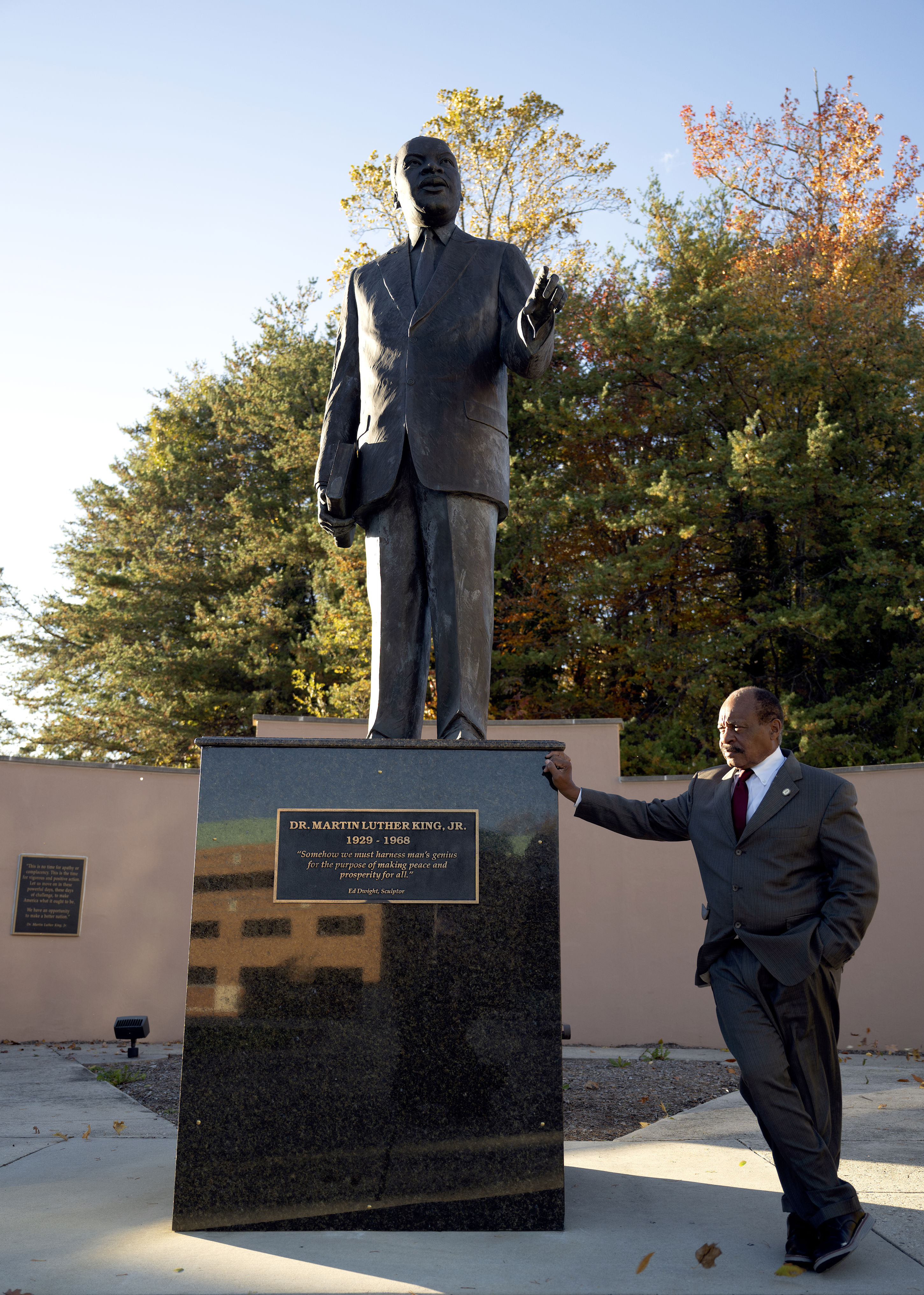
One of his most prominent projects was a towering statue of the Rev. Martin Luther King Jr. on the campus of Anne Arundel Community College, dedicated in 2006. The purpose was simple: to ensure that students knew who King was, even as generations moved further away from the civil rights movement.
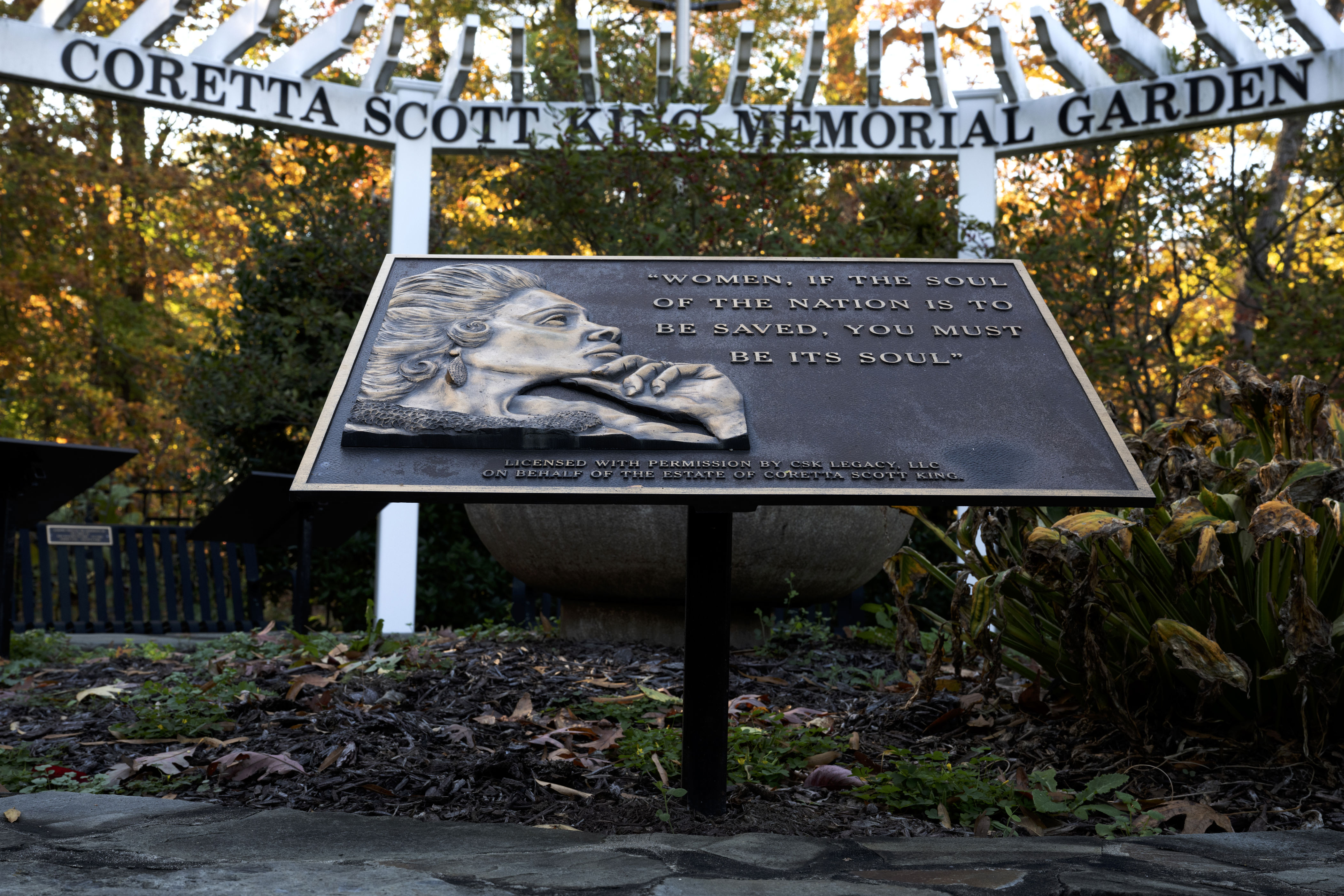
Other memorials focus on local history. A plaque on Clay Street in Annapolis honors the thriving Black neighborhood that once existed before parking lots and office buildings replaced it. A marker outside the Graduate Hotel commemorates the site of a 1960 sit-in at the restaurant that used to be there.
“That will last forever. It doesn’t go away,” says Hynson, who grew up on Clay Street. “Snowden is making sure we are remembered.”
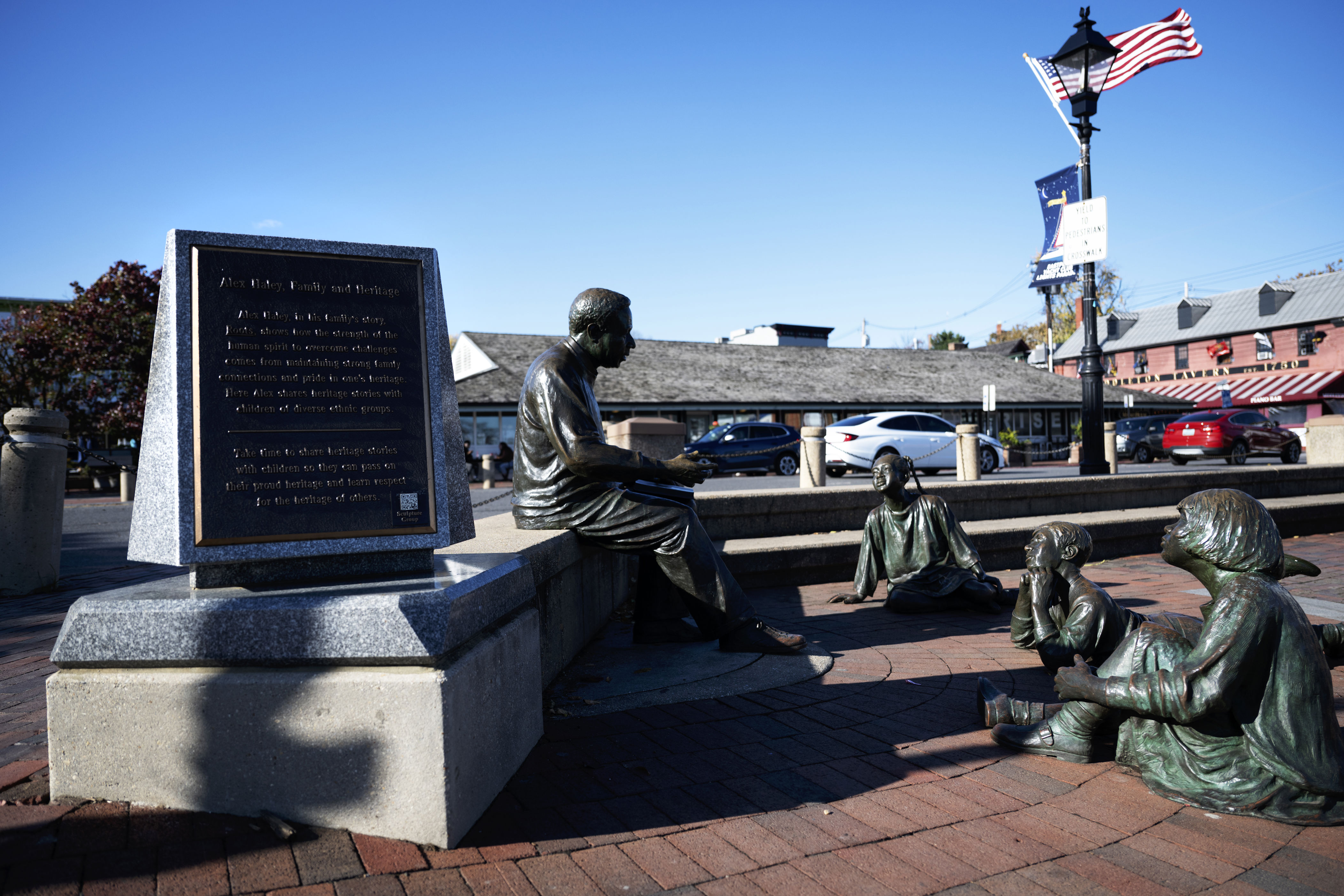
Perhaps the most recognizable memorial Snowden worked on is one dedicated to the book “Roots” by Alex Haley. The installation, finished in 2006, features a statue of Haley reading to children steps from the water at Annapolis’s City Dock. Haley conducted research for the book in the city.
Creating these memorials was not without challenges. Snowden put his house up as collateral to secure a loan for the King statue, he said.
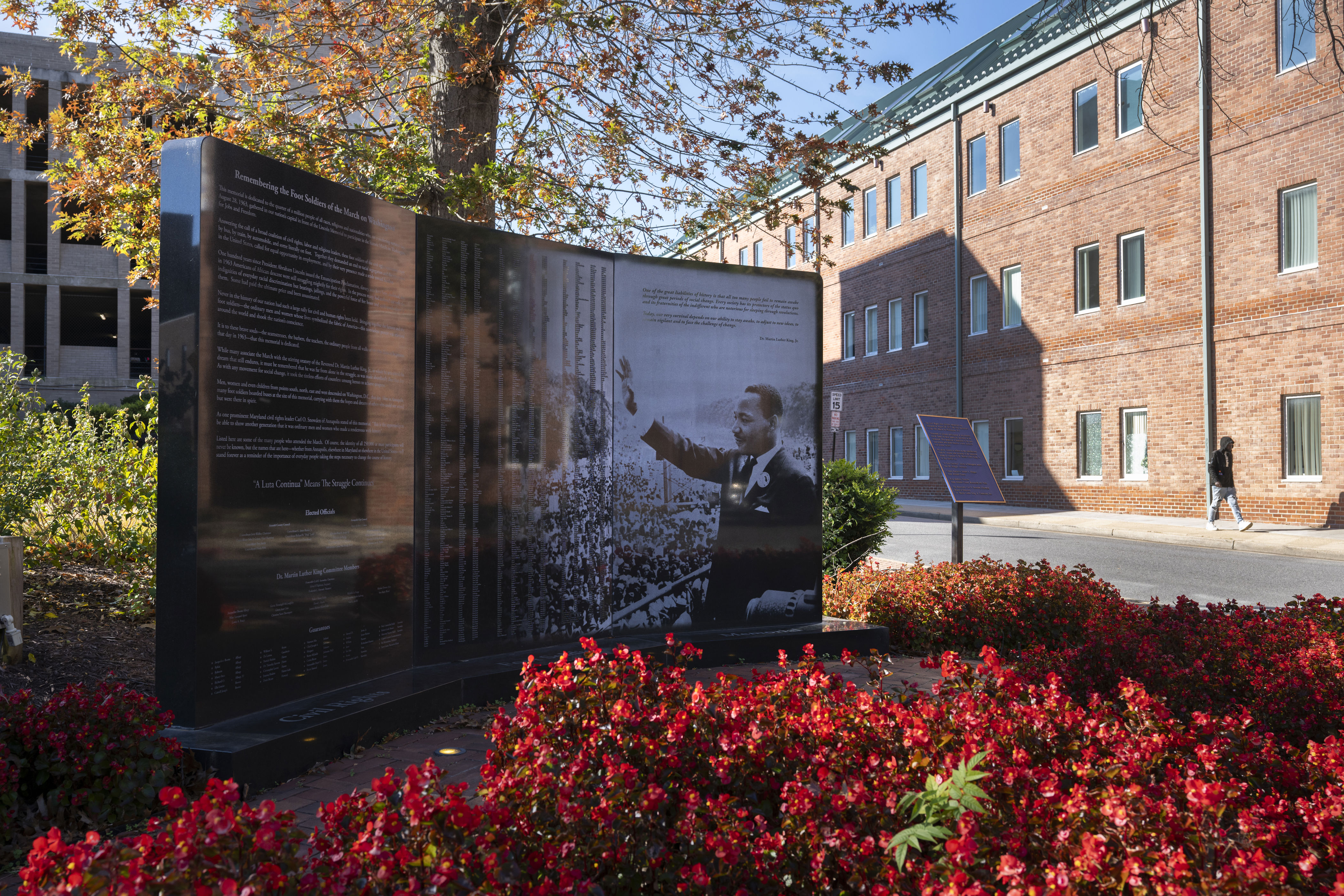
In Snowden’s eyes, the nation’s first Black president and the state’s first Black governor would not have been possible without the figures and events he has memorialized. He believes that if progress is taken for granted, the momentum could be lost.
“If we don’t work to preserve our history and make sure it is not lost, who will?” he asks.
In May, he will dedicate his final monument—a two-sided structure honoring Malcolm X—outside the Michael E. Busch Annapolis Library. He has asked more than 100 Marylanders, from artists to religious leaders, to write notes envisioning what race relations will look like in 50 years. These notes will be placed in a time capsule and buried beside the memorial. Snowden plans to task his 2-week-old great-granddaughter, Azalea, with unearthing it in 2076.
Snowden has a clear vision of the world he hopes Azalea will inherit—a world where the “beloved community” King preached about is a reality and the brotherhood and sisterhood Malcolm X urged people to embrace is realized.
“I love to envision a world where fascism doesn’t exist, sexism is no longer an issue, racism has been eradicated,” he said. “That’s the kind of world I dream that she’ll be able to inherit.”

Post a Comment for "A Lifetime Championing Black History Finally Receives an Apology for Slavery"
Post a Comment