
AI Tool Predicts IVF Success 90% of the Time — No Cost if No Baby
A New Approach to Fertility Care
A UK-based startup is changing the way people think about fertility treatments. By introducing an AI-powered tool, the company aims to predict a couple's chances of success with IVF. This innovative approach could provide hope and clarity for couples who are trying to start a family.
Predicting Success with AI
Gaia, the company behind this technology, has developed a system that offers a 90% accuracy rate in predicting IVF outcomes. This means that couples can have a better understanding of what to expect before starting treatment. The company’s goal is to make the process more transparent and less stressful for families.

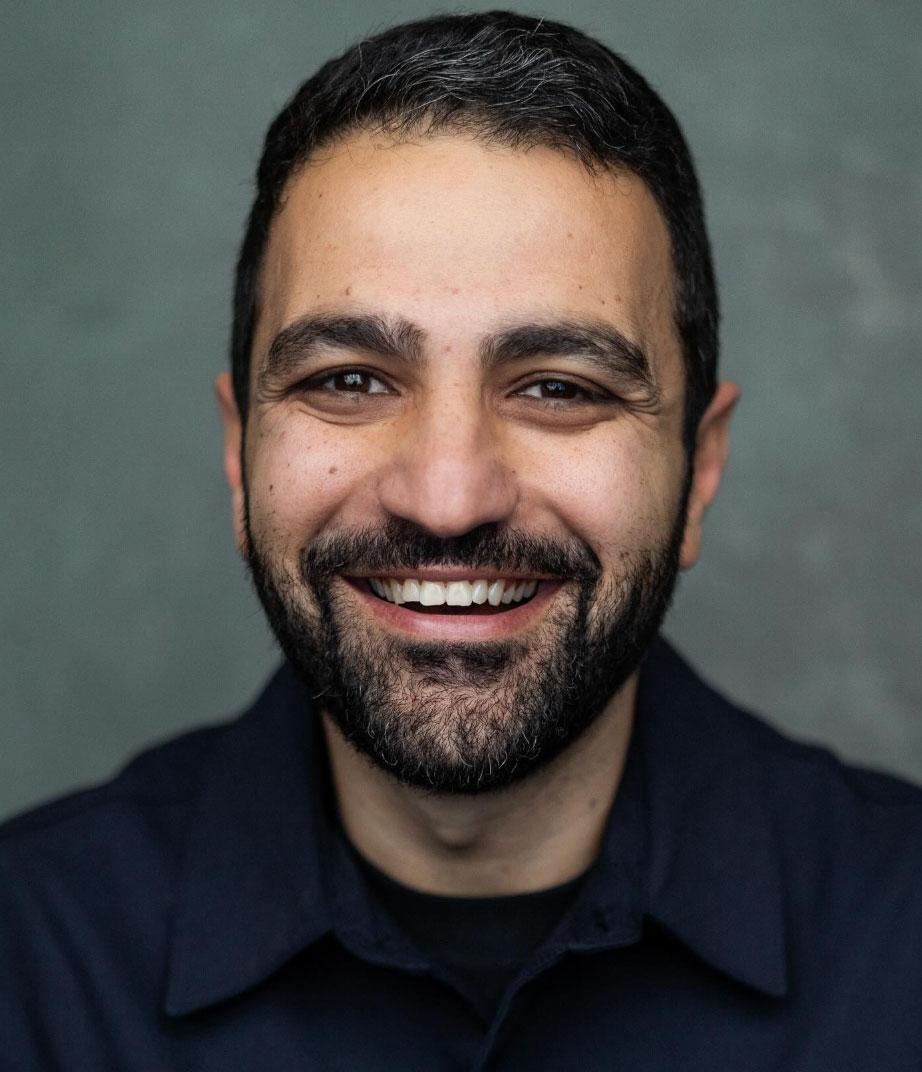
“We flipped the model so families know exactly what they’re signing up for,” said Nader AlSalim, co-founder and CEO of Gaia. “It’s about taking something that used to feel like a gamble and turning it into a plan.”
AlSalim knows the struggle of fertility treatments firsthand. He and his wife went through five rounds of IVF before their son was born. The experience was not only financially draining but also emotionally exhausting. “Honestly, the bigger cost wasn’t just money, it was the uncertainty, the lack of transparency and the emotional toll of constantly wondering whether we’d get there,” he said.
Making Family Building More Accessible
Founded in 2019, Gaia’s mission is to remove financial barriers that prevent people from pursuing IVF. One of the biggest challenges is the upfront cost. A single round of IVF can cost up to $30,000, and many couples need multiple attempts before achieving a successful pregnancy.
Gaia changes the game by offering a fixed total cost that includes extras such as medication and multiple embryo transfers. Clients pay a one-time “protection fee” — usually about 20% of the total treatment cost. They then select a fertility clinic from a network of partners across the country, and Gaia covers all of the upfront costs for up to three rounds of IVF.

If the treatment results in a child, parents pay Gaia back over a period of up to eight years, with interest kicking in only after the baby is born. If IVF doesn’t result in a child after three cycles, clients don’t owe a cent.
“The real value is peace of mind,” AlSalim said. “It’s not a list of services; it’s akin to a membership to the most optimal path to having a child.”
Egg Freezing with Confidence
Gaia recently expanded its services to offer pricing guarantees for egg freezing in New York. This move aims to give women in their 30s more control over their reproductive futures.
“The goal is to make sure egg freezing isn’t a luxury for those with $20,000 to spare, but an accessible choice for many more,” AlSalim said.
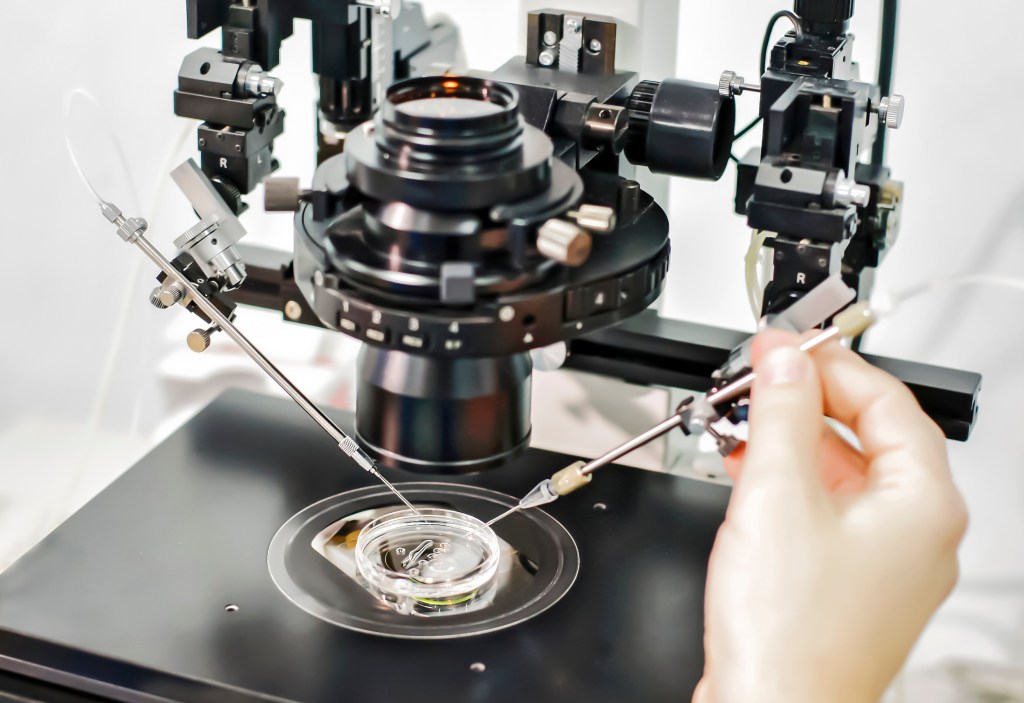
The process involves hormonal stimulation to ripen multiple eggs, followed by a surgical retrieval and storage at extremely low temperatures to preserve the unfertilized eggs for future use. If the frozen eggs don’t lead to a live birth within five years, Gaia refunds the full cost of freezing.

The Role of Artificial Intelligence
So how does Gaia make these guarantees? The answer lies in artificial intelligence. Gaia’s software uses AI and machine learning to estimate how many IVF rounds a couple will likely need, analyzing personal biometrics alongside massive datasets from millions of past IVF cycles.

“AI in fertility isn’t about abstraction; it’s about pattern recognition at a scale,” AlSalim said. “Done right, it can transform fertility care from a game of chance into a guided, informed journey.”
Gaia’s platform predicts IVF success with 90% accuracy and has already helped bring more than 100 babies into the world — with at least another 100 on the way.
A Vision for the Future
While Gaia isn’t making fertility care cheaper — yet — AlSalim said the company is striving to make family building “fair, predictable and emotionally bearable.”

AlSalim often reflects on the mix of science, luck, money and sheer willpower it took to bring his son into the world. “He is 6, he is wonderful, but I also realize how many people never get that chance,” he said. “Not because of biology, but because of cost and uncertainty.”
Gaia’s vision is to ensure that more families get to experience what he has every day. “We can’t wait for our next chapter; we’ll go further to make sure more parents get to experience what I’m lucky enough to experience every single day.”

Post a Comment for "AI Tool Predicts IVF Success 90% of the Time — No Cost if No Baby"
Post a Comment