
Alphabet's Growing Moonshot Ventures: The Reason Behind the Shift
A New Approach to Moonshot Development
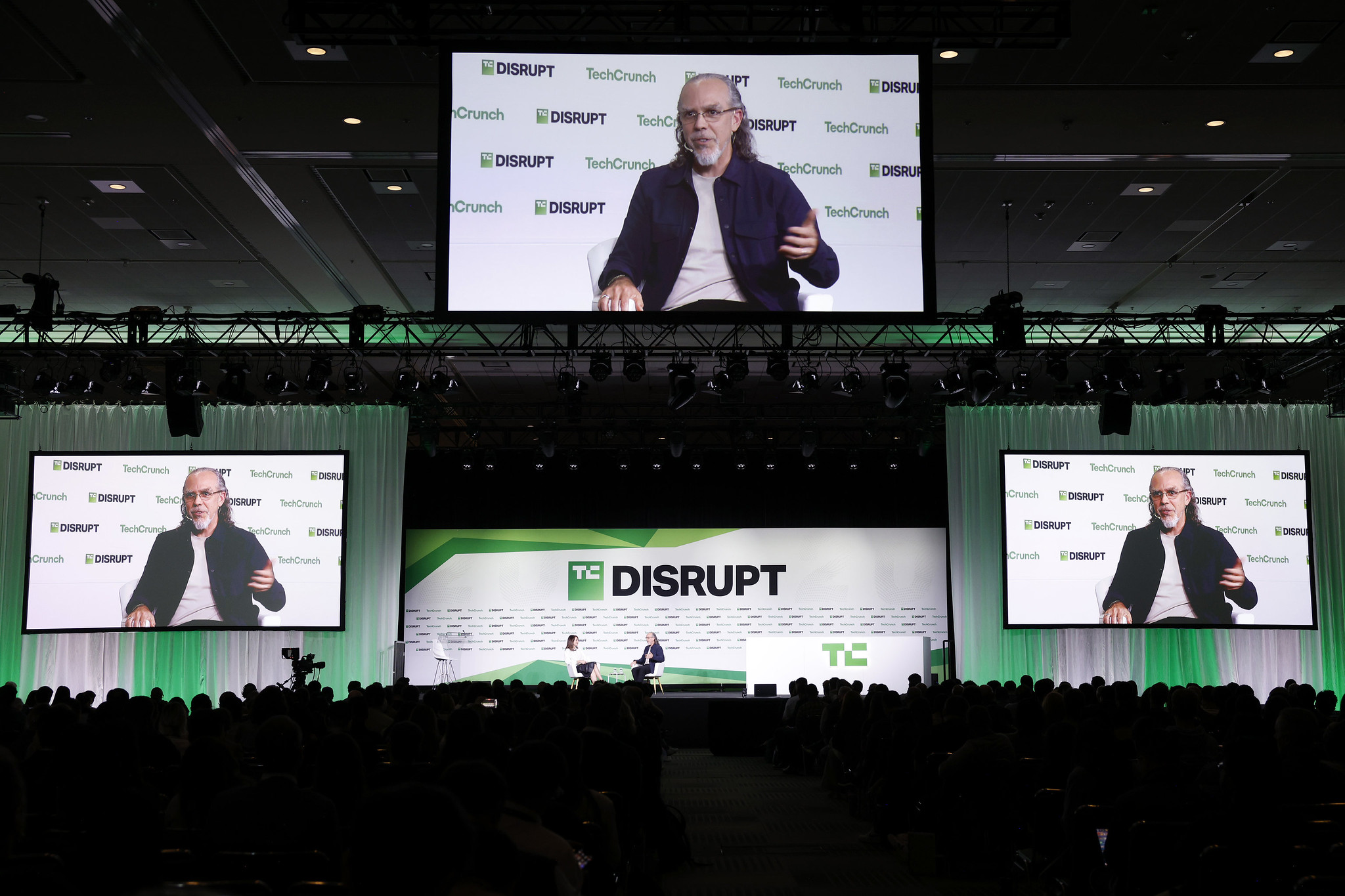
Alphabet’s X moonshot factory is redefining how it brings ambitious technology projects to market. Instead of keeping these initiatives within the Alphabet corporate structure, X is increasingly spinning them out as independent companies, according to Astro Teller, the head of X, who revealed this shift at The News PulseDisrupt event.
This new strategy relies on a dedicated venture fund called Series X Capital, which exclusively invests in spinouts from X. Alphabet is only a minority investor in this fund, ensuring that the spinouts remain separate entities. “If Alphabet was the sole LP, the fund would be inside of Alphabet, and then when they invested in something from X, it would still be inside Alphabet,” Teller explained. “So Alphabet can be a small LP, but if it’s more than a small LP, we undo the thing that we’re trying to accomplish.”
Series X Capital has raised over $500 million and is managed by Gideon Yu, a former YouTube executive and Facebook CFO. Unlike other Alphabet investment arms like GV, CapitalG, and Gradient Ventures, Series X Capital is legally obligated to invest only in companies spun out from X. This approach marks a significant evolution for X, which previously graduated successful projects like Waymo and Wing into standalone Alphabet subsidiaries.
Teller noted that while some moonshots benefit from Alphabet’s resources and scale, others "can go faster and won’t really benefit from being part of Alphabet because they’re just so different." By landing these projects just outside the Alphabet membrane, X can maintain close strategic ties without exerting control.
The Culture of Intellectual Honesty
A key factor in X’s success is its culture of intellectual honesty, which actively encourages the rejection of promising ideas. Teller emphasized that X defines a moonshot as having three components: solving a huge global problem, proposing a product or service that could eliminate the issue, and leveraging breakthrough technology that offers a "glimmer of hope."
“If someone is proposing a moonshot and it sounds reasonable, the company isn’t interested, because that, by definition, wouldn’t be a moonshot,” Teller said. X tests these ideas ruthlessly, looking for reasons to kill them. “If you propose something and it sounds pretty wild, that has those three components, and it’s a testable hypothesis, for a small amount of money, we can learn something about whether it’s a little bit more crazy than we thought, or a little bit less crazy than we thought,” he added.
This process requires employees to detach from their ideas, which is why Teller doesn't even know who started most projects at X, including Waymo and Wing. “If we’re going to go exploring something, and you [as the lead inventor] feel like ‘this is my baby,’ what are the chances I get you to practice real intellectual honesty?” he asked.
Spinout Strategy and Financial Incentives
The spinout strategy solves a practical challenge: previously, X had to find outside investors willing to take over at least 51% of a business to spin it out of Alphabet. With Series X Capital, X can systematize the spinout process while maintaining close strategic ties.
Despite the emphasis on detachment, X employees have significant financial incentives when projects spin out. “You and the rest of your team are going to get a chunk of that company,” Teller said. “It is about as much as you would have gotten if you had started from your garage at that stage of funding, but without taking any risk in the meantime.”
Employees are paid like other Google employees, with no equity in early-stage projects, because “it isn’t even a company; it’s an idea we’re trying to learn about.” This removes the financial pressure that prevents founders from killing their own ideas. “You can say, ‘Hey, this one’s not pulling our average up, let’s throw this one away,’” Teller explained.
Recent Spinouts and New Moonshot
X has spun out several companies in 2025, including Taara, which develops wireless optical communication technology, and Heritable Agriculture, a biotech company using machine learning to accelerate crop breeding. Previous spinouts that raised external funding include Malta (renewable energy storage), Dandelion (geothermal heating), and iyO (AI-powered earbuds).
On the eve of Disrupt, X announced its newest moonshot company: Anori, an AI platform aimed at helping real estate developers, architecture and construction industries, and cities manage building projects. Teller highlighted the significance of this project, noting that the built environment accounts for 25% of the world’s solid waste and carbon dioxide output. “It’s literally on the Maslow’s hierarchy of needs — it’s where we live, where we spend most of our time. It’s a big chunk of the world’s GDP output. So it would be hard for it to matter more as an industry.”

Post a Comment for "Alphabet's Growing Moonshot Ventures: The Reason Behind the Shift"
Post a Comment