
American Cars Struggled in Japan's Market
The American Car Legacy in Japan
When looking at the top 50 selling vehicles in Japan for 2024, one thing becomes immediately clear: there's no place for American car brands on that list. From the very top to the bottom, the lineup is dominated by Japanese automakers such as Toyota, Honda, and Nissan. While it’s not entirely true that Japan has never embraced American cars, it’s fair to say that for as long as Japan has had its own automotive industry, its drivers have largely preferred homegrown options.
The automotive culture in Japan differs significantly from that of the Western world. Many Japanese streets are narrow, the country boasts a robust national railway system for long-distance travel, and taxes are based on engine displacement. These factors make it difficult for American automakers, who typically excel in large trucks and SUVs like the Silverado and the Chevy Suburban, to design cars that resonate with Japanese consumers. Despite this, American automakers have made repeated attempts to establish a presence in the Japanese market.
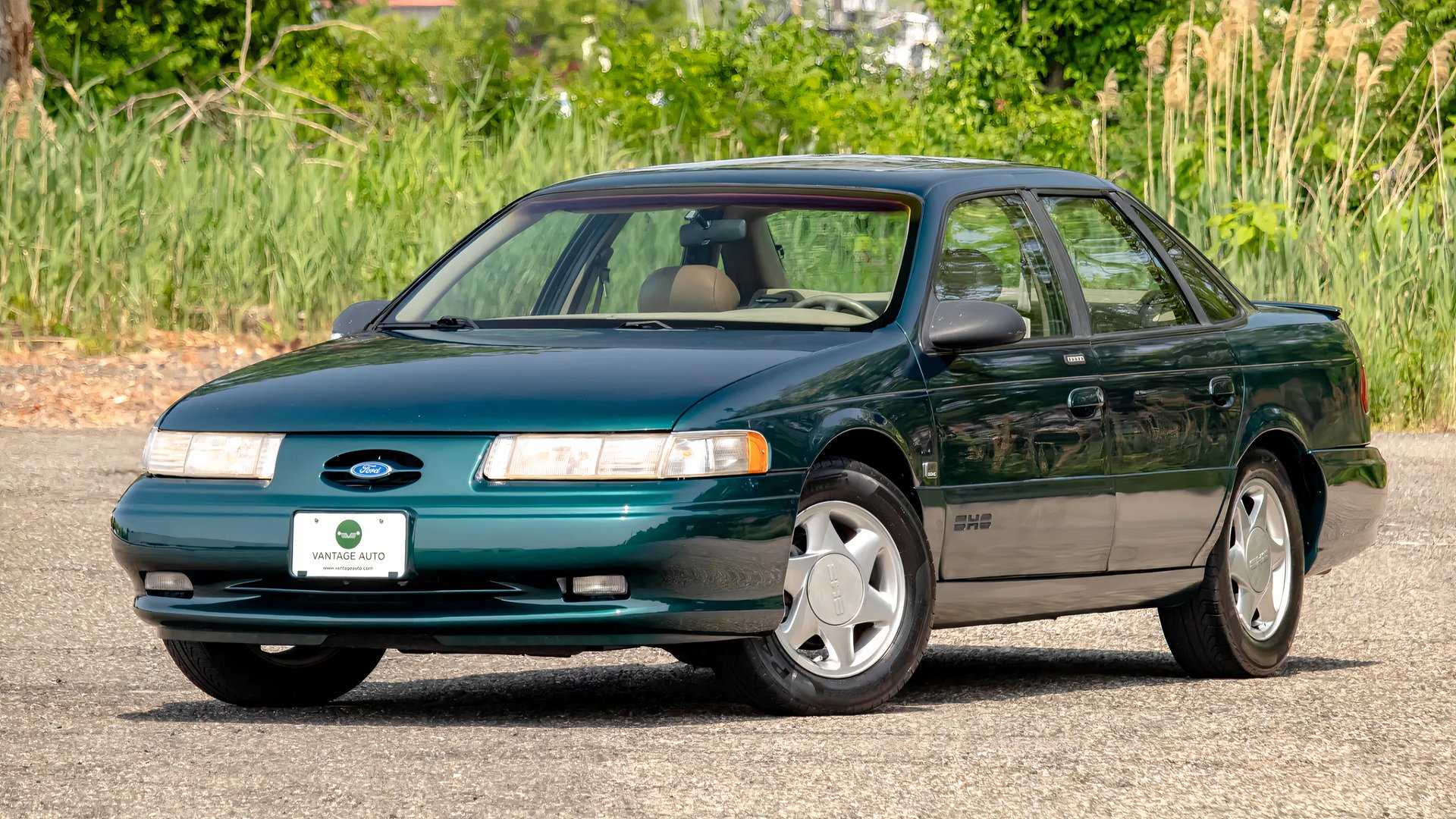
Ford Taurus: A Case of Misjudgment
The Ford Taurus was once a contender in the American market but struggled in Japan. Introduced in 1988, the Taurus came with a 2.5-liter straight-four engine, which was too large for the average Japanese driver. The car faced stiff competition from mid-size Japanese models like the Toyota Camry and Honda Accord, which were more fuel-efficient and better suited to local conditions. In the U.S., the Taurus also lost ground to these Japanese rivals, prompting Ford to shift focus toward the growing SUV market.
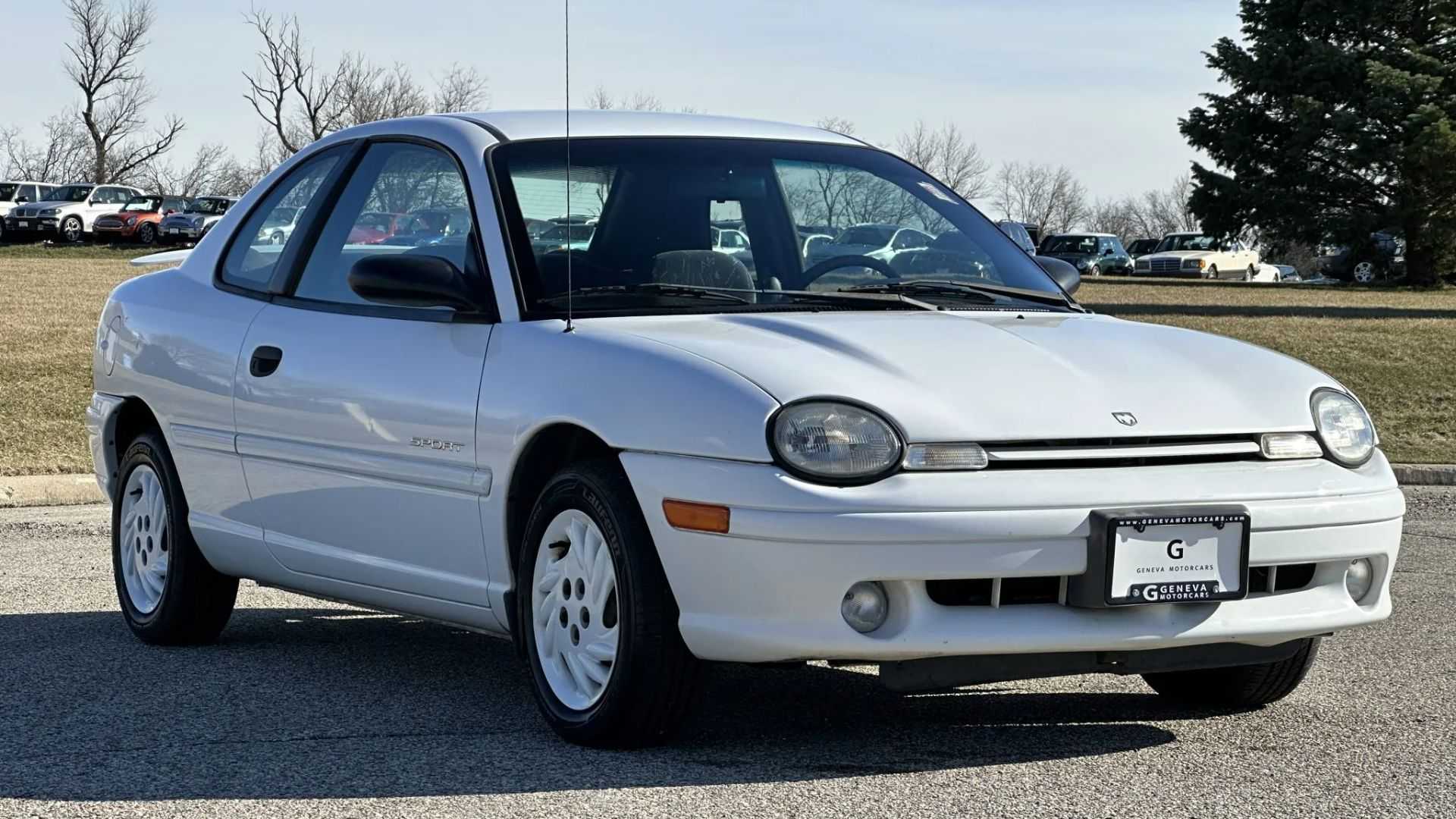
Chrysler Neon: Poor Positioning
Chrysler brought the Neon to Japan in 1996, but it didn’t last long. Initially positioned as a budget model, the Neon had evolved into a feature-rich vehicle by the time it reached Japan. This made it less appealing compared to the more affordable and efficient Corolla. The Neon failed to carve out a niche in the competitive Japanese market.
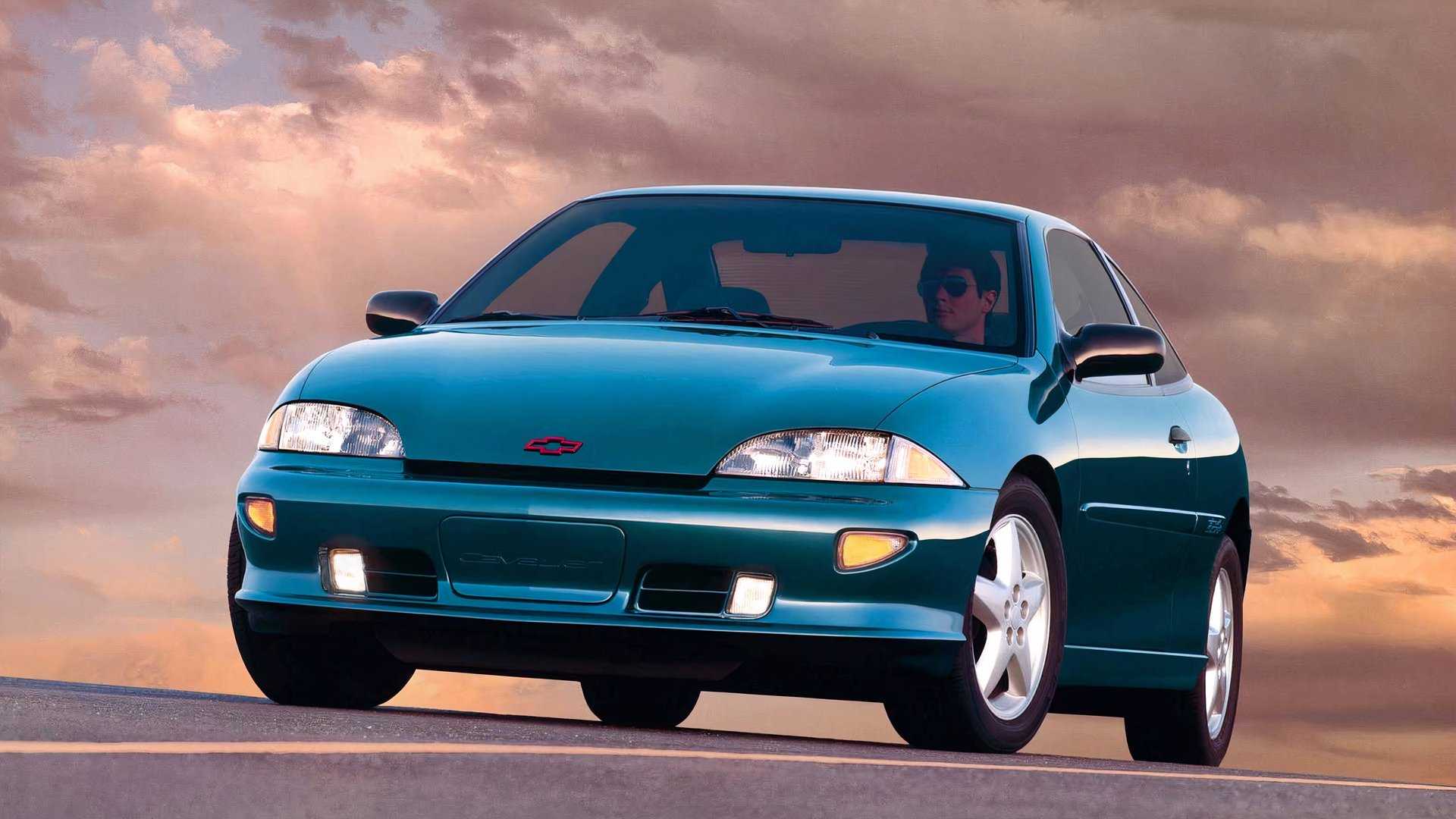
Chevrolet Cavalier: A Political Move
In 1993, the Chevrolet Cavalier was shipped to Japan under a Toyota badge. The move was politically motivated, aiming to improve trade relations between the U.S. and Japan. However, the Cavalier never stood a chance against Japanese entry-level cars. It sold only around 11,000 units per year before being discontinued.
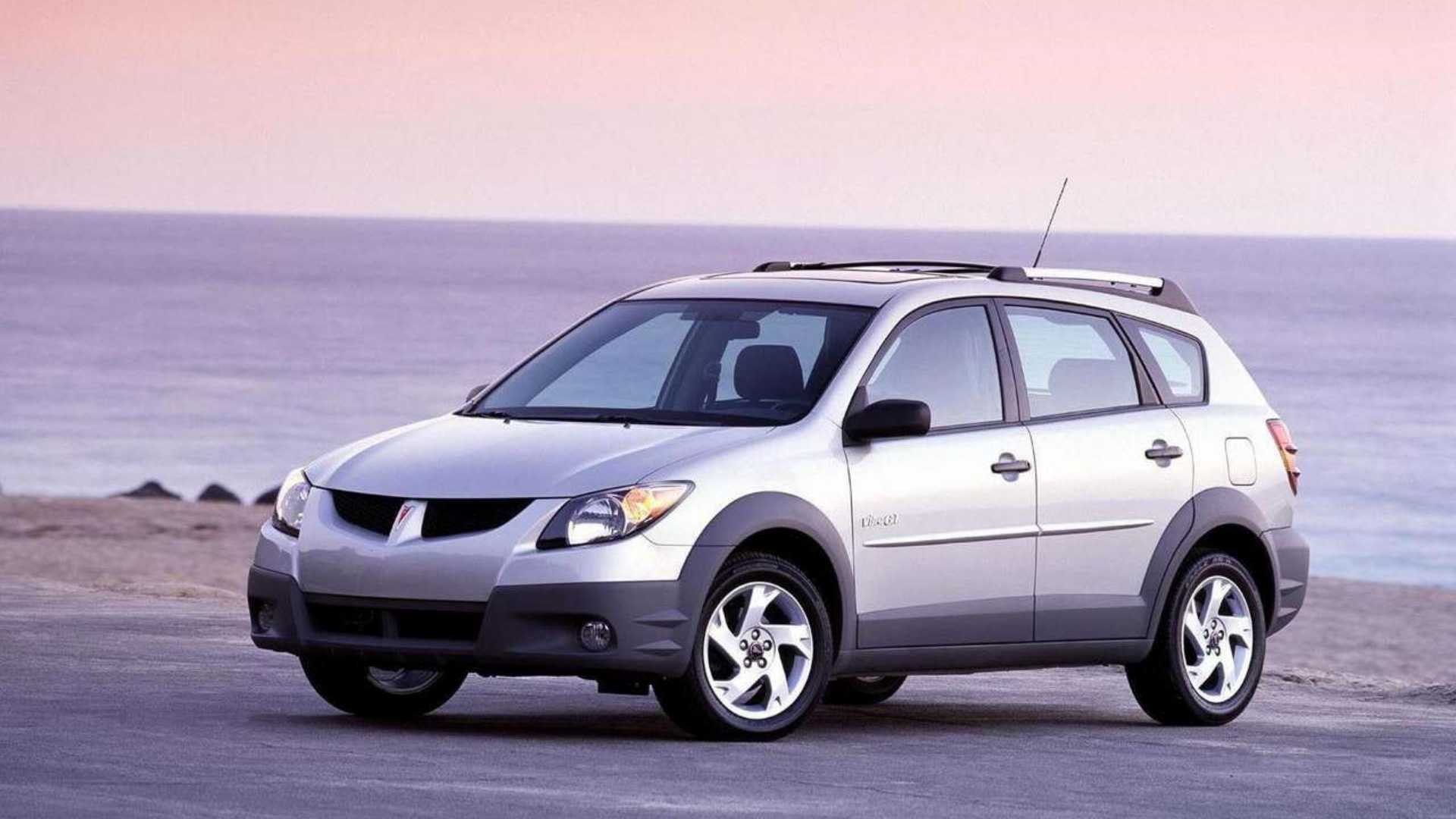
Toyota Voltz: An American-Japanese Collaboration
The Toyota Voltz was essentially a rebadged Pontiac Vibe, developed in partnership with Toyota. While it was an example of American and Japanese collaboration, it still struggled in the Japanese market. Sold from 2002 to 2004, the Voltz managed only 10,000 units in its final year.
Ford Mustang: A Niche Market
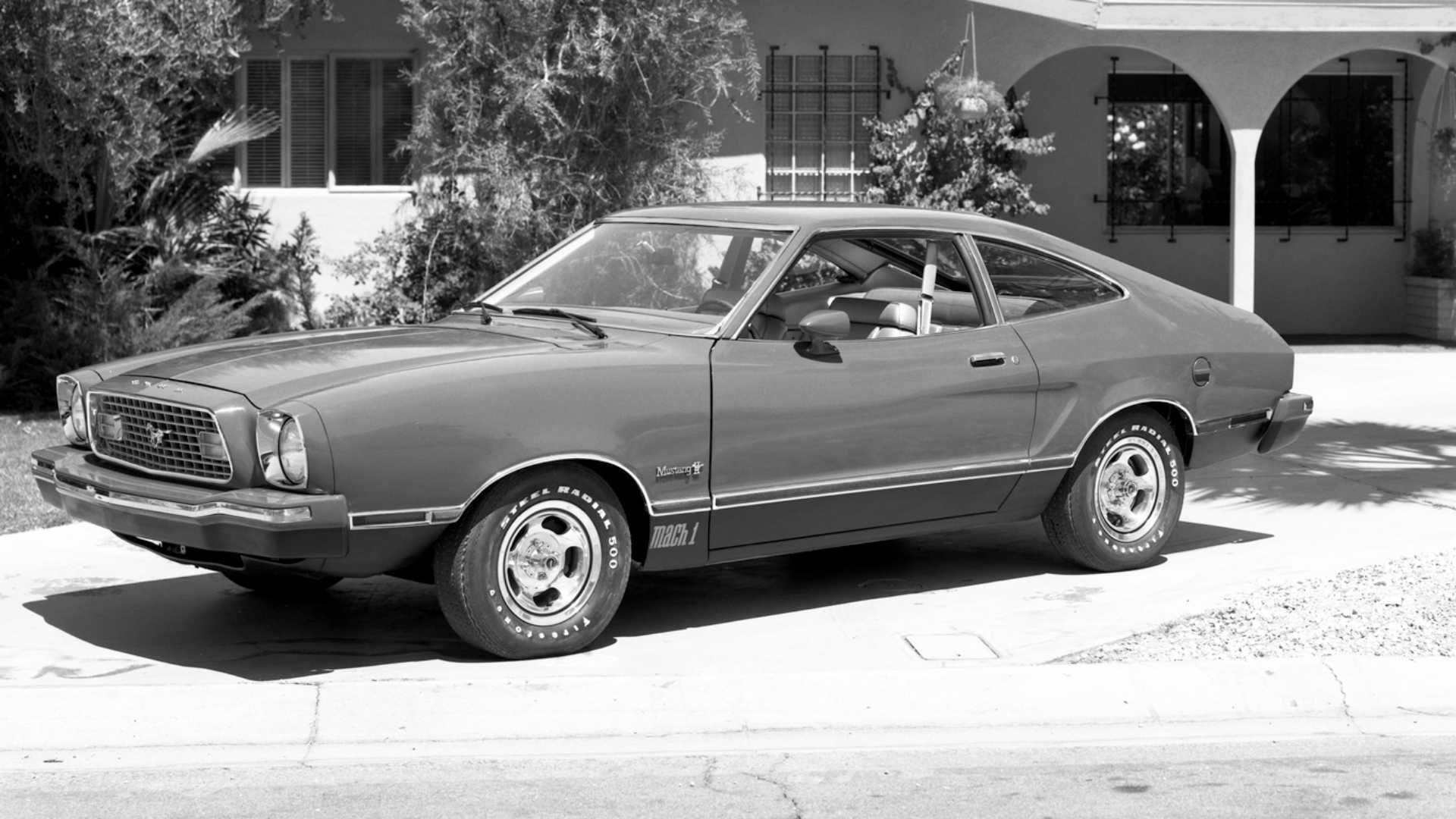
The Ford Mustang has always had a limited following in Japan. During the 1970s, the Mustang II was imported for American military personnel, but it never gained widespread popularity. The car’s underpowered performance and lack of appeal to the broader Japanese market led to its eventual withdrawal.
Ford Explorer: Not Just Any Off-Roader
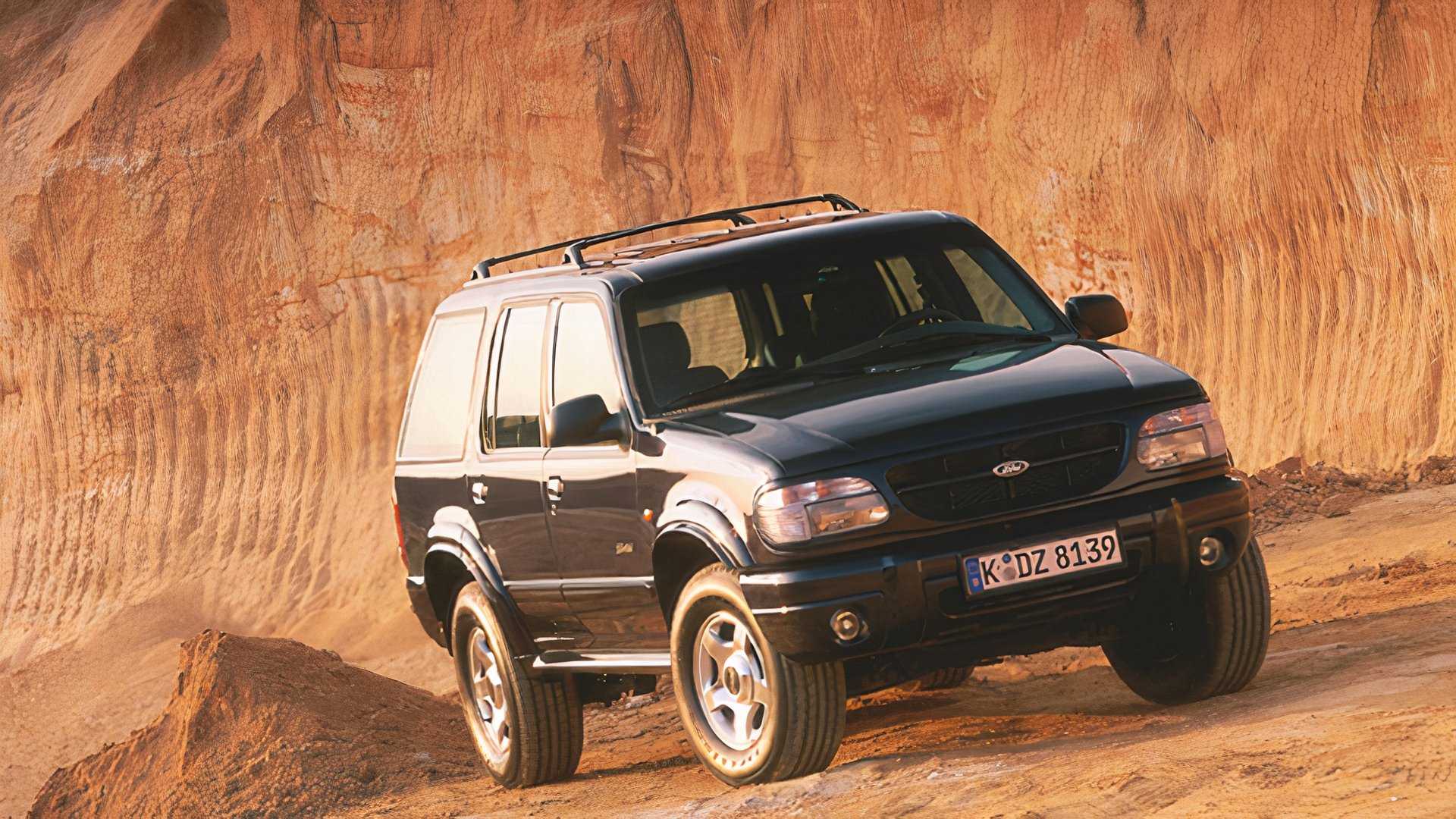
Ford introduced the Explorer to Japan in 1995, hoping to capitalize on the popularity of the Jeep brand. However, the Explorer failed to capture the same appeal as the Jeep Wrangler. Ford eventually pulled the Explorer from the Japanese market in the mid-2000s.
Ford Probe: A Missed Opportunity
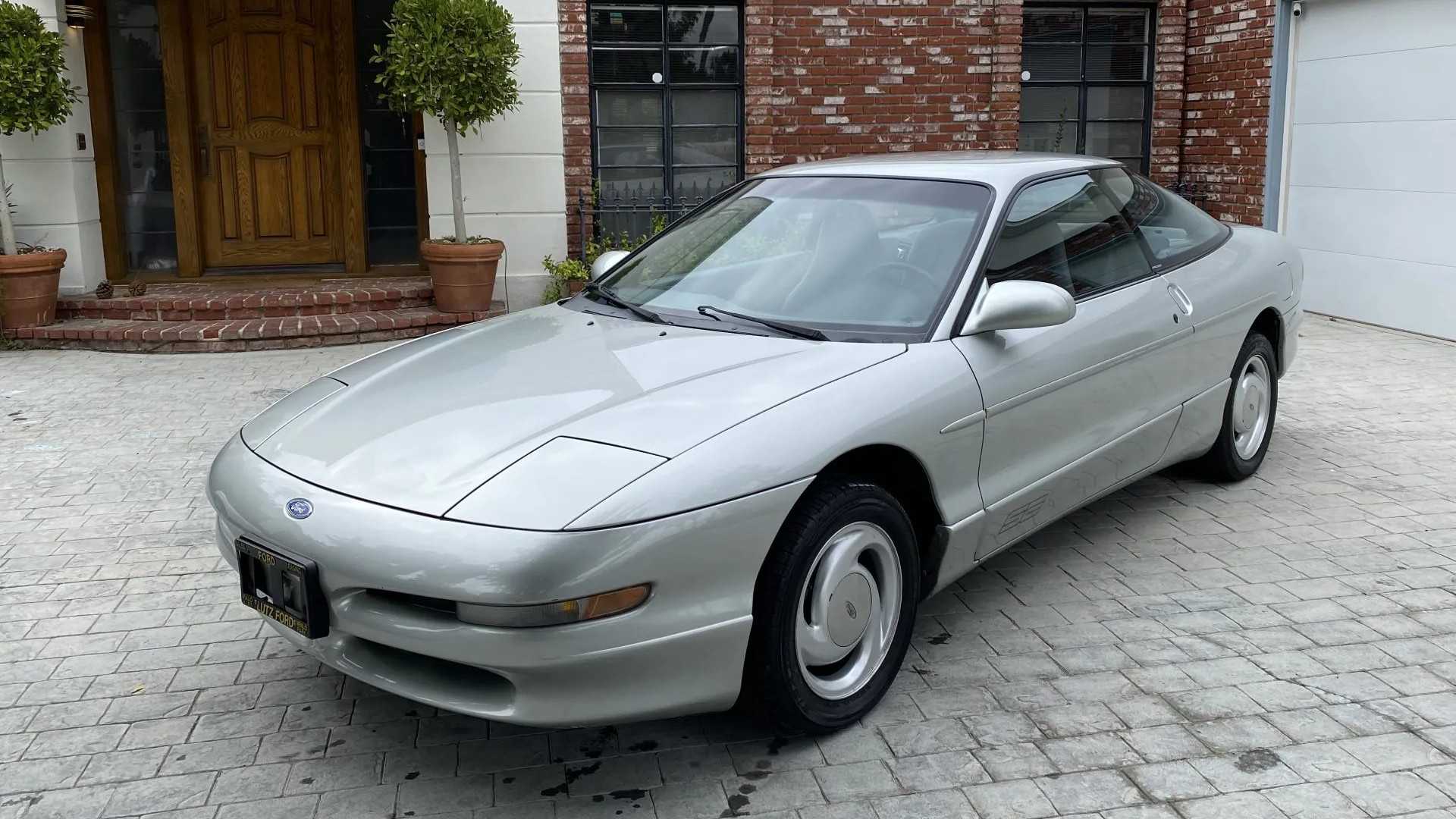
Based on the Mazda MX-6, the Ford Probe was marketed as a Mustang alternative but failed to gain traction. Its base engine was too big for Japan and too small for the U.S., making it a misfit in both markets.
Tesla Model S: A Shift in Priorities
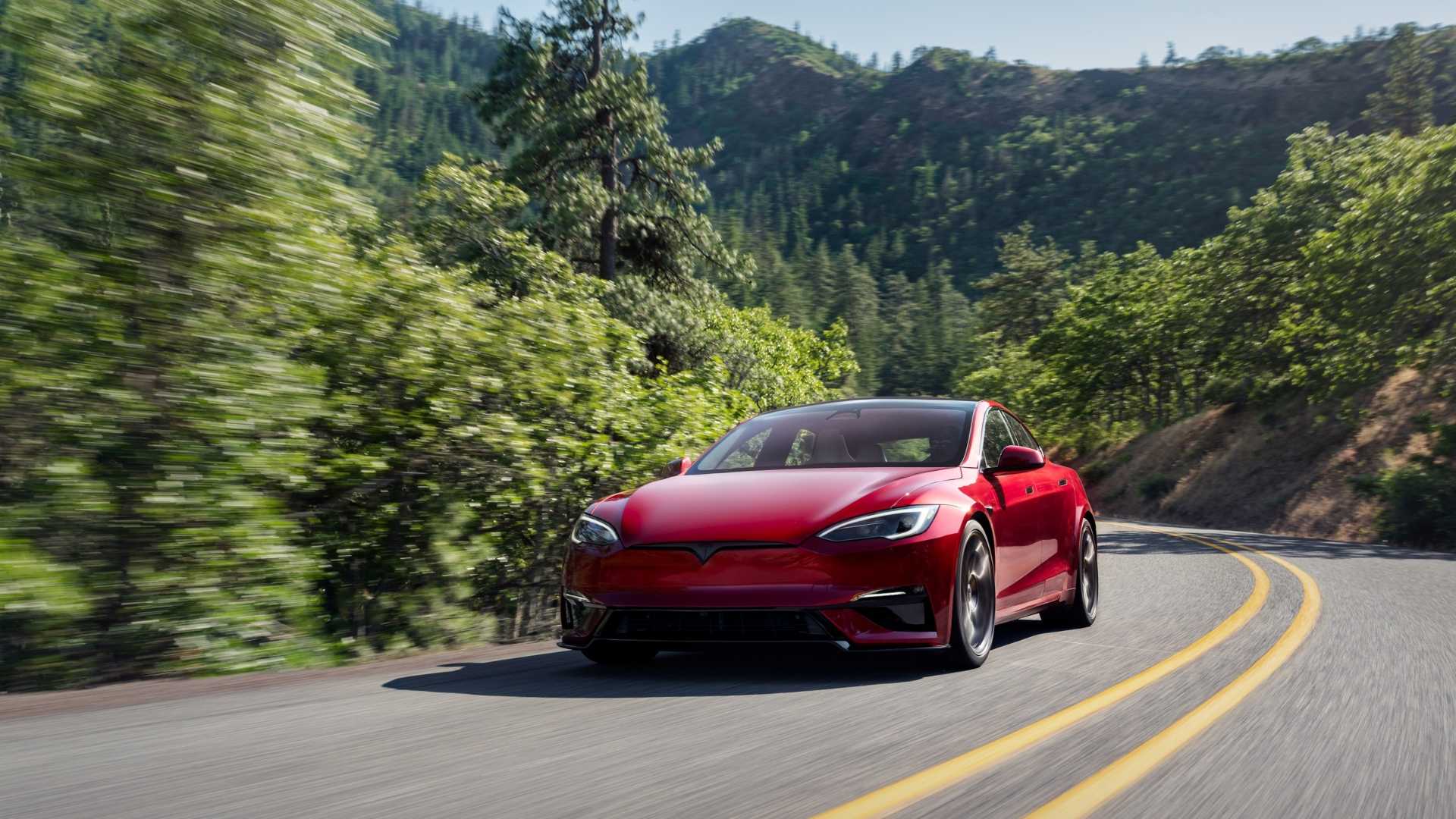
Tesla has done reasonably well in Japan, but the Model S has been a low priority. In 2023, production of the right-hand-drive Model S was halted, signaling a shift in focus toward smaller models like the Model Y.
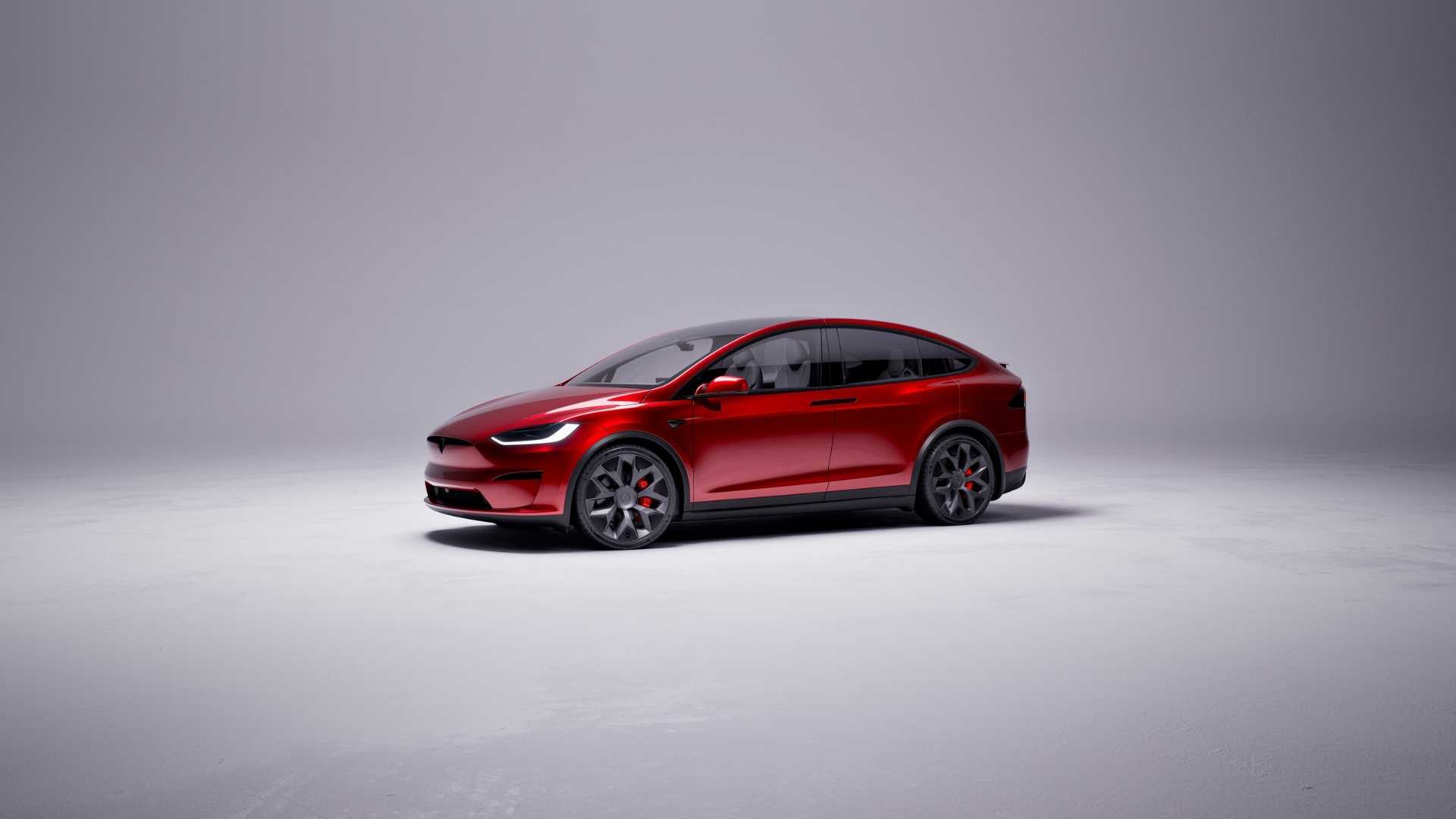
Tesla Model X: Another Shift
Similar to the Model S, the right-hand-drive Model X was also pulled from production in 2023. Tesla’s focus has shifted toward the Model Y and Model 3, leaving larger models like the Model X and Cybertruck behind.
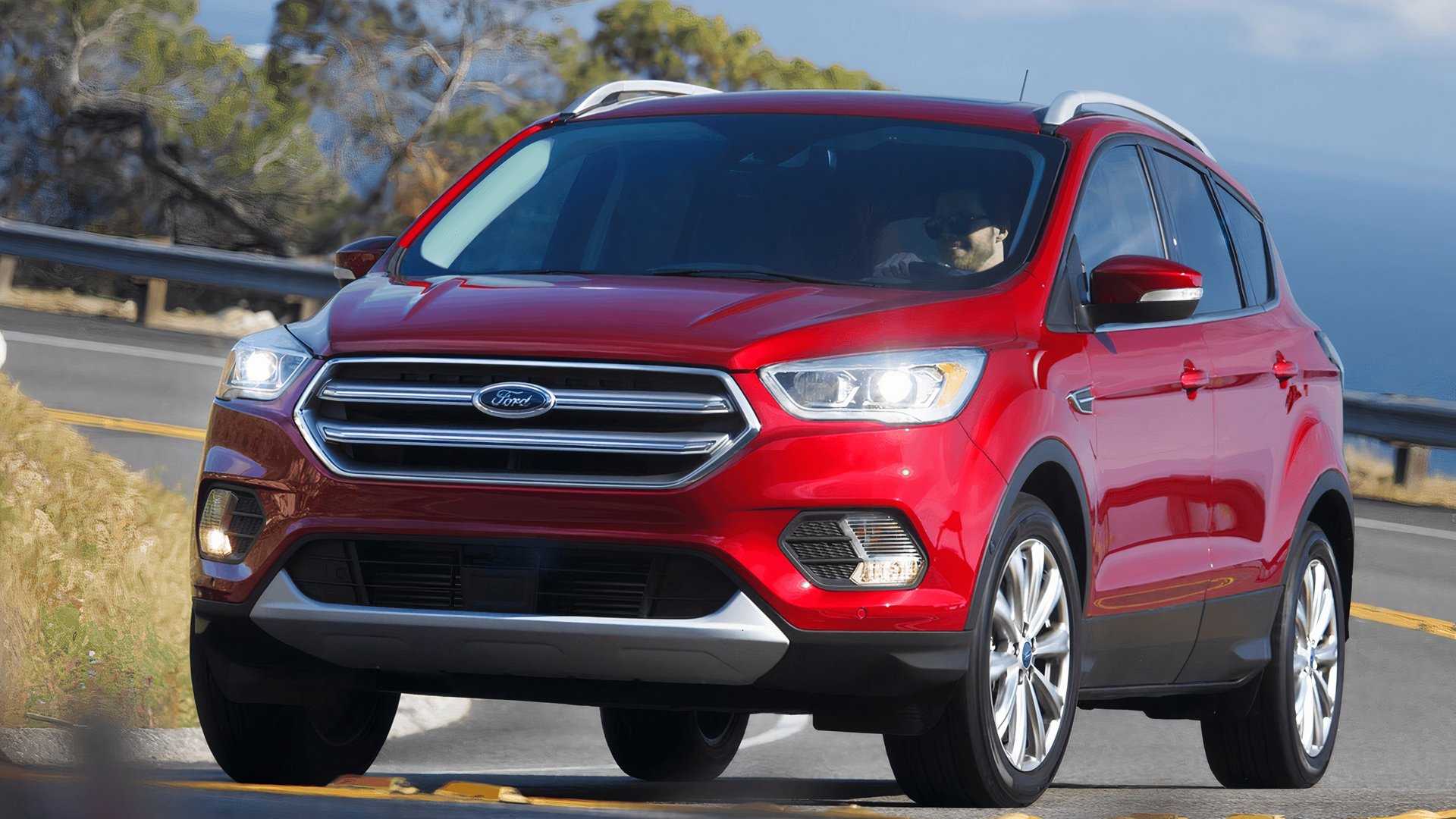
Ford Kuga: A Final Exit
The Ford Kuga, known as the Escape in the U.S., struggled in Japan during the early 2010s. As part of a broader exit strategy, Ford decided to leave the Japanese market, marking the end of its efforts to compete with local brands.

Post a Comment for "American Cars Struggled in Japan's Market"
Post a Comment