
Austin Council's Battle Over Public Safety Budget Cuts
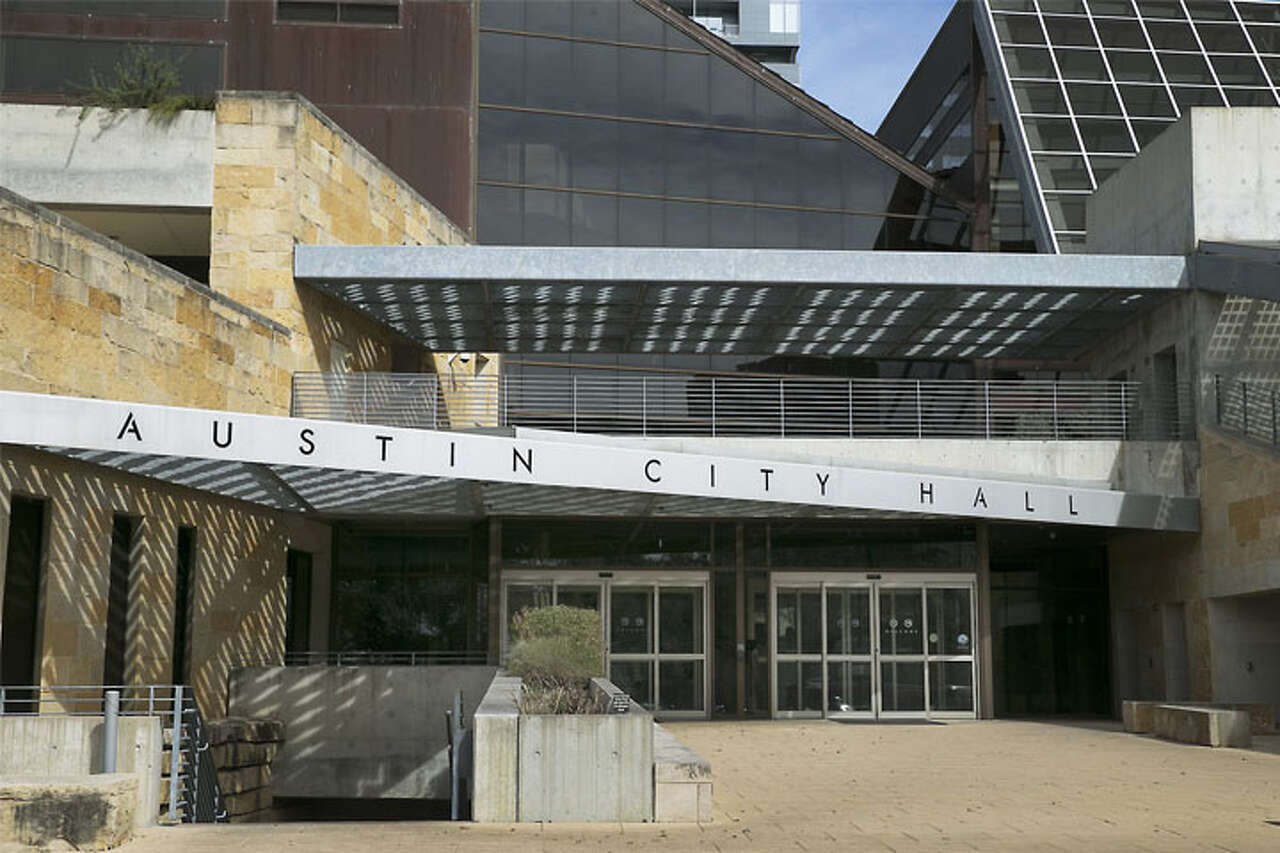
Austerity Budget Proposal Sparks Debate in Austin
As the Austin City Council prepares to discuss a new austerity budget proposal on Tuesday, public safety funding has emerged as a central issue. The debate highlights the tension between maintaining essential services and addressing financial constraints.
Public safety unions, including the Austin Firefighters Association and the Austin EMS Association, are urging the council to allocate millions of dollars to support the fire department and emergency medical services. In contrast, a coalition of nearly two dozen progressive organizations is advocating for a more balanced approach that prioritizes homeless services, parks, and other community programs. This coalition also calls for a reduction in police spending, which they argue is one of the few viable ways to address the city's budget shortfall.
The controversy intensified after City Manager T.C. Broadnax released a revised budget proposal that cut the Austin Fire Department and Austin-Travis County EMS budgets by over $14 million combined. Leaders of the fire and EMS associations have criticized these cuts, warning that they could compromise response times and the ability of their agencies to handle emergencies.
"WHAT THE MANAGER PROPOSED DOESN'T ADEQUATELY FUND THE RESOURCES WE NEED," said James Monks, president of the EMS Association. "We're asking the council to do just that."
The budget proposal comes in the wake of the Nov. 4 election, where voters rejected Proposition Q, a measure that would have generated nearly $110 million by increasing the property tax rate by over 20%. The $6.3 billion budget approved in August had already accounted for this money, so the council must now approve a new spending plan.
A city staff presentation posted online ahead of Tuesday’s budget work session outlines Broadnax’s proposal, which includes net cuts of nearly $55 million to the Prop Q budget. It also eliminates a $40.5 million planned transfer to reserves and a $14.1 million withdrawal from that savings account. Updated estimates suggest the city’s deficit could grow to $37.4 million by 2029, assuming a modest annual tax rate increase of 3.5% and no further budget cuts.
Under the original Prop Q budget, EMS was set to receive $6.3 million to hire more staff and purchase new ambulances and equipment. The Fire Department was to receive $8.3 million to cover overtime costs. These amounts are now eliminated in Broadnax’s proposal, although EMS’ overall budget is still higher than the previous fiscal year.
"Council told us they would take care of us, and here we are asking them to do just that," Monks said.
Firefighters Association President Bob Nicks warned that without the extra funding, some firetrucks may be staffed with only three firefighters instead of four—a national best practice that Austin codified in 2018 through city ordinance.
"FOUR-PERSON STAFFING ISN'T JUST A BEST PRACTICE," Nicks said. "IT'S THE BEST WAY TO KEEP AUSTIN SAFE FROM DANGEROUS FIRES."
City spokesperson Erik Johnson noted that Broadnax’s recommendations don’t necessarily mean the Fire Department will abandon four-person staffing, but details will be worked out by the City Council.
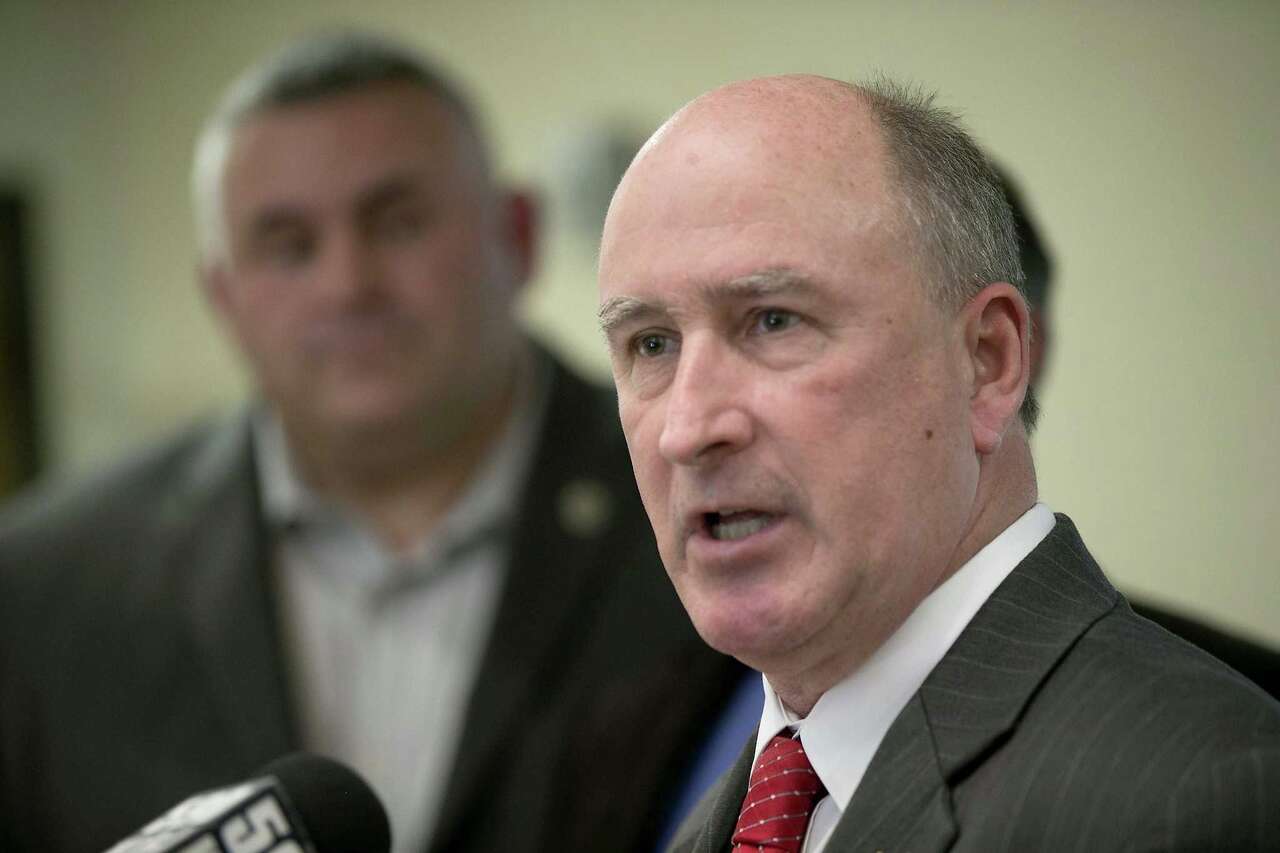
Council Members Weigh in on Public Safety Funding
Going into Tuesday’s work session, a significant portion of the 11-member council has expressed support for restoring some of the EMS reductions. However, attitudes toward Fire Department funding are more mixed, with some members describing overtime pay as a costlier way to deliver services.
Four council members—Mike Siegel, Paige Ellis, José Velásquez, and Mayor Pro Tem Fuentes—posted a proposal on the City Council message board that would restore about $4.4 million to the EMS budget by transferring $1.8 million from the city’s reserve fund and making smaller cuts to nine other departments.
"ENSURING THAT OUR COMMUNITY HAS ACCESS TO PARAMEDICS DURING EMERGENCIES IS AN ESSENTIAL SERVICE OUR CITY PROVIDES," Fuentes wrote on behalf of the four members.
Several other members have indicated they are inclined to restore at least some of the EMS funding, arguing that the extra money would help make the agency more efficient and responsive. However, they also voiced concerns about the potential domino effect of higher public safety spending on other areas of the budget.
"We HAVE TO BE VERY CAREFUL WITH OUR PUBLIC SAFETY BUDGETS," said Council Member Chito Vela. "WITHOUT MORE REVENUE, FULLY FUNDING PUBLIC SAFETY MEANS DEFUNDING VIRTUALLY EVERY OTHER ASPECT OF THE CITY."
Council Member Krista Laine, whose northwest Austin district voted overwhelmingly against Prop Q, expressed concern about public safety spending growing at rates "significantly faster than the revenue the city can bring in."
"That IS NOT WHAT THE VOTERS TOLD US TO CONTINUE DOING," Laine said, referring to the outcome of the Prop Q election. "WE HAVE TO DELIVER SERVICES MORE EFFECTIVELY AND EFFICIENTLY, WITH SLOWER GROWTH."
Despite these concerns, Broadnax’s proposal does not call for any cuts to the Austin Police Department. However, the Austin Police Association, which represents officers, has also opposed public safety cuts. Until recently, it was unclear whether the city would consider invoking a clause in the $220 million contract approved with the association last year, which allows for reducing police raises if a measure like Prop Q fails.
On Nov. 7, Austin Chief Financial Officer Ed Van Eenoo sent a memo to City Council indicating that this would not happen. A coalition of nearly two dozen progressive organizations, including Equity Action and AFSCME Local 1624, is calling on council members to push back on Van Eenoo’s determination. The coalition argues that reducing police spending could free up funds for other services.
"REDUCING POLICE SPENDING PROVIDES ONE OF THE FEW VIABLE WAYS TO IMMEDIATELY FREE UP THE MILLIONS OF DOLLARS NEEDED TO SALVAGE PROGRAMS AND PARKS SERVING ALL AUSTINITES," the statement reads.
Johnson, the city spokesperson, did not directly address questions about whether Van Eenoo’s analysis included estimates on how much money the city could save by invoking the raise reduction clause. The staff presentation estimates that the 5% raise officers are slated to receive next year will cost about $11.7 million.
A similar clause is included in the city’s tentative labor agreement with the firefighters union. That contract, which staff estimates will cost a total of $63 million, poses another variable for the council.
Broadnax’s proposed budget includes $5.7 million to cover the first year of the contract, which grants firefighters annual raises of 3% to 4% and slightly reduces their average workweek. Despite these benefits, firefighters remain opposed to the overtime cuts.
Nicks accused Broadnax and Fire Chief Joel Baker of misleading the City Council at a July 28 budget work session by implying that absenteeism among firefighters is to blame for rising overtime costs. Baker had told the council this summer that he had "enough bodies, just not enough bodies coming to work."
"That WAS A PUNCH IN THE FACE," Nicks said. "THE DATA THEY USED INCLUDES MILITARY LEAVE AND TRAINING—THINGS THAT SHOW OUR COMMITMENT, NOT A LACK OF IT."
Council Member Mike Siegel said one of his top priorities is EMS funding but that he also supports the Fire Department’s overtime additions. However, he wants to see that funding accounted for in the contract. City Council is currently set to vote on the new contract and the new budget at the same Nov. 20 meeting.
"I SUPPORT THE FIREFIGHTERS DEMANDS FOR SAFETY AND WORK LIFE BALANCE," Siegel said, "BUT WHEN WE VOTE TO APPROVE A LONG-TERM CONTRACT, I WANT IT TO PROVIDE PREDICTABILITY FOR THE COMMUNITY."

Post a Comment for "Austin Council's Battle Over Public Safety Budget Cuts"
Post a Comment