
Best yoga mats for beginners, experts, and all levels in between
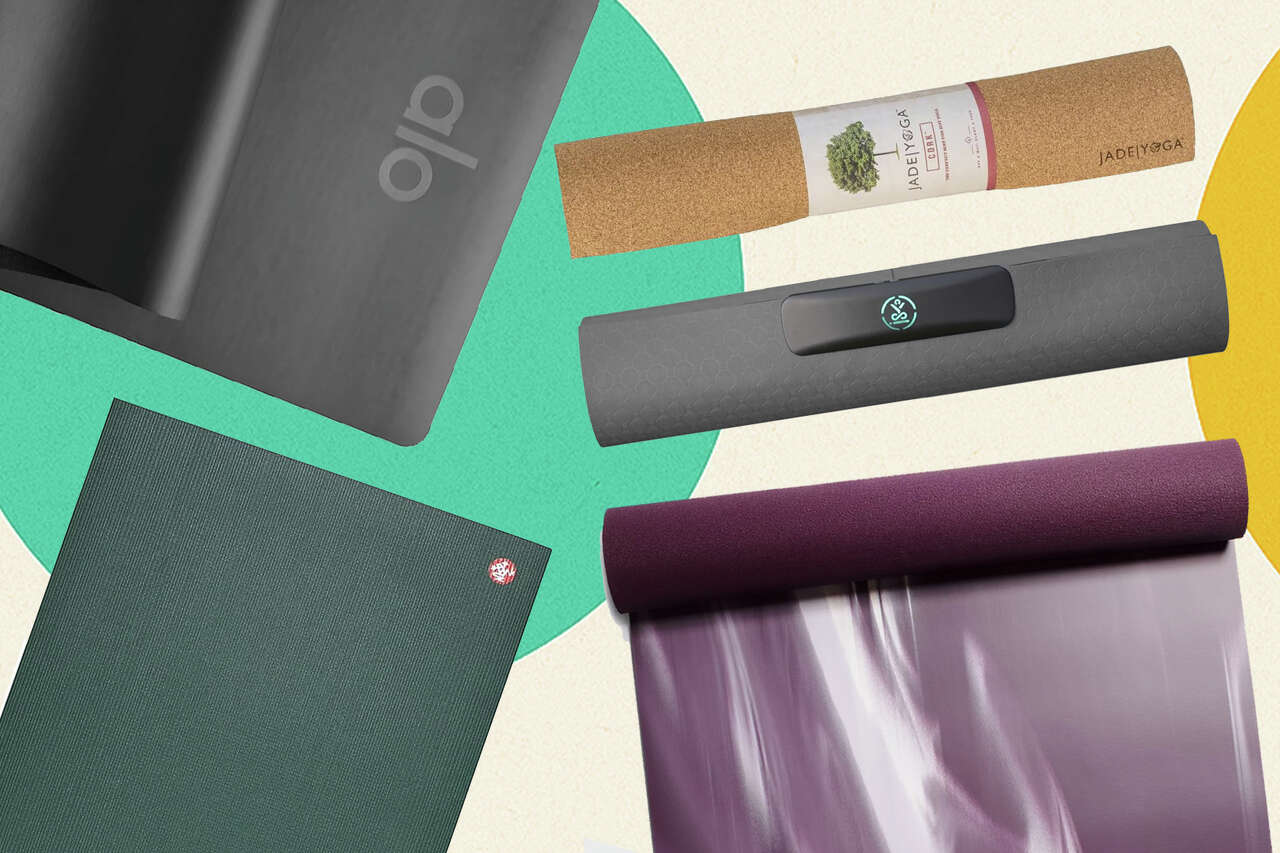
Yoga mats may appear similar at first glance, but their performance and feel can vary significantly based on design, materials, and intended use. Just as there are different styles of yoga, there isn't a one-size-fits-all mat. What works for one person's practice might not be ideal for another, even if they're performing the same pose in the same class. Factors such as texture, grip, cushioning, and material play a crucial role in shaping the experience.
For example, some yogis prefer extra cushioning to protect their joints during slower, restorative practices, while others opt for a thinner, firmer mat to enhance stability in balancing poses. The durability of a mat also matters, especially if it's used on rougher surfaces rather than smooth studio floors. Understanding your personal practice style and environment can help you choose a mat that enhances your experience rather than detracts from it. Testing different mats or reading reviews can help you find the perfect balance of comfort, support, and traction tailored to your needs.
Here are some top recommendations:
Best Overall:
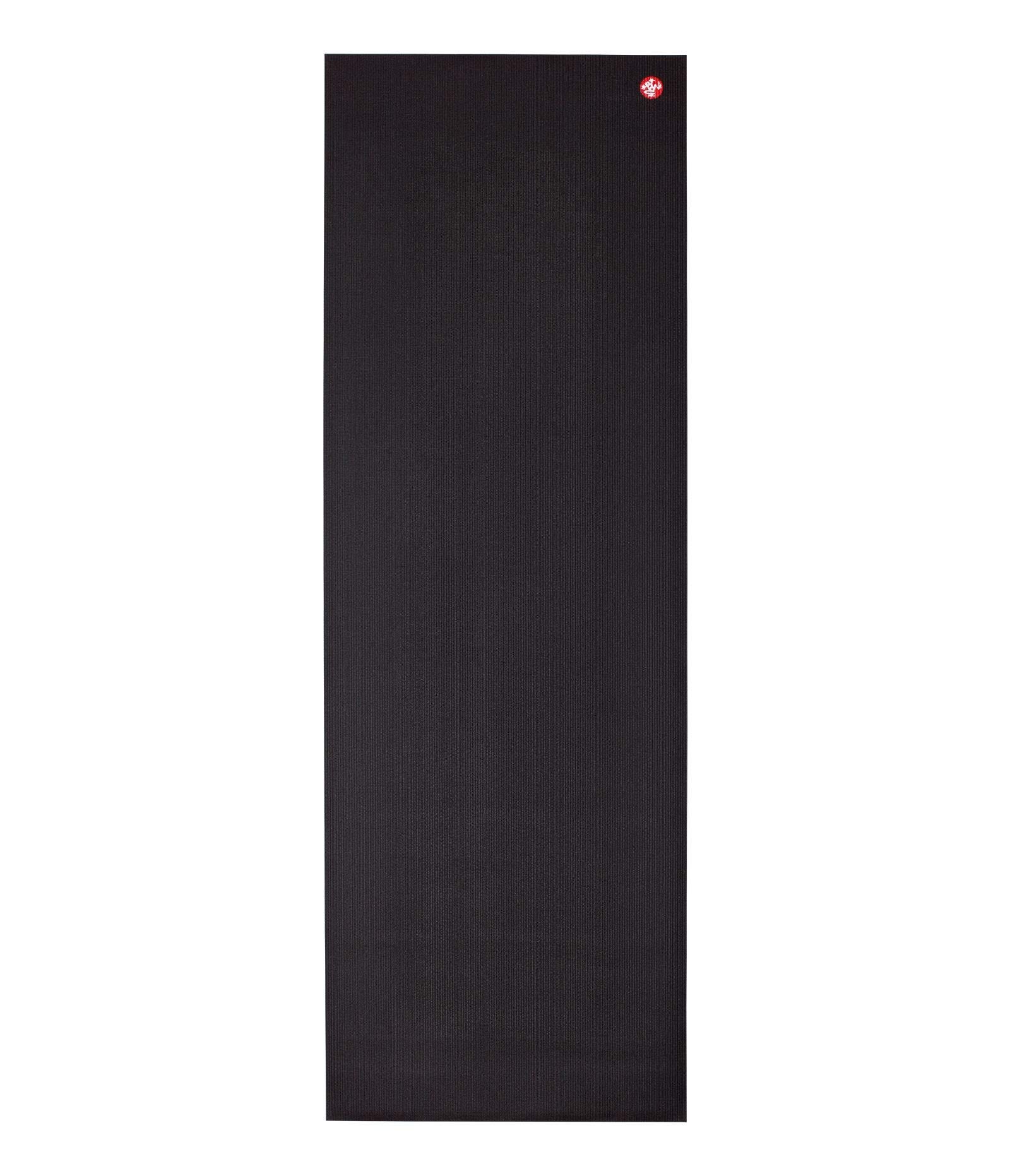
Manduka PRO Yoga Mat
 Manduka PRO Yoga Mat - amazon.com
109.98
Shop Now
Manduka PRO Yoga Mat - amazon.com
109.98
Shop Now
The Manduka PRO Yoga Mat is a popular choice among yoga and fitness communities due to its high-quality and durable construction. It has received positive reviews from verified customers, with many praising its performance across various practices. The mat is made without toxic emissions and is certified Standard 100 by OEKO-TEX, making it an eco-friendly option for conscious consumers.
Its closed-cell construction resists moisture, sweat, and dirt, helping it stay cleaner and last longer. The thick cushioning offers comfort and stability during intense sessions, and the textured traction is beneficial for hot or power yoga classes. Its dimensions are three inches longer and two inches wider than average, providing extra room for movement. However, the added weight makes it less convenient for travel.
Specs: - Size: 26 inches wide x 71 inches long (extra-long option is 85 inches) - Thickness: 6mm - Weight: 7.5 pounds (extra-long option is 9.5 pounds) - Material: 100% latex-free high-density cushion made from PVC
What we like: - Impressive durability with a textured surface on both sides for added grip. - Built to last with a 10-year guarantee. - Extra cushioning, extra-long size, and softening over time.
What we don't like: - Heavier than average, making it less ideal for travel. - Higher price point compared to other mats.
Best Non-Slip:
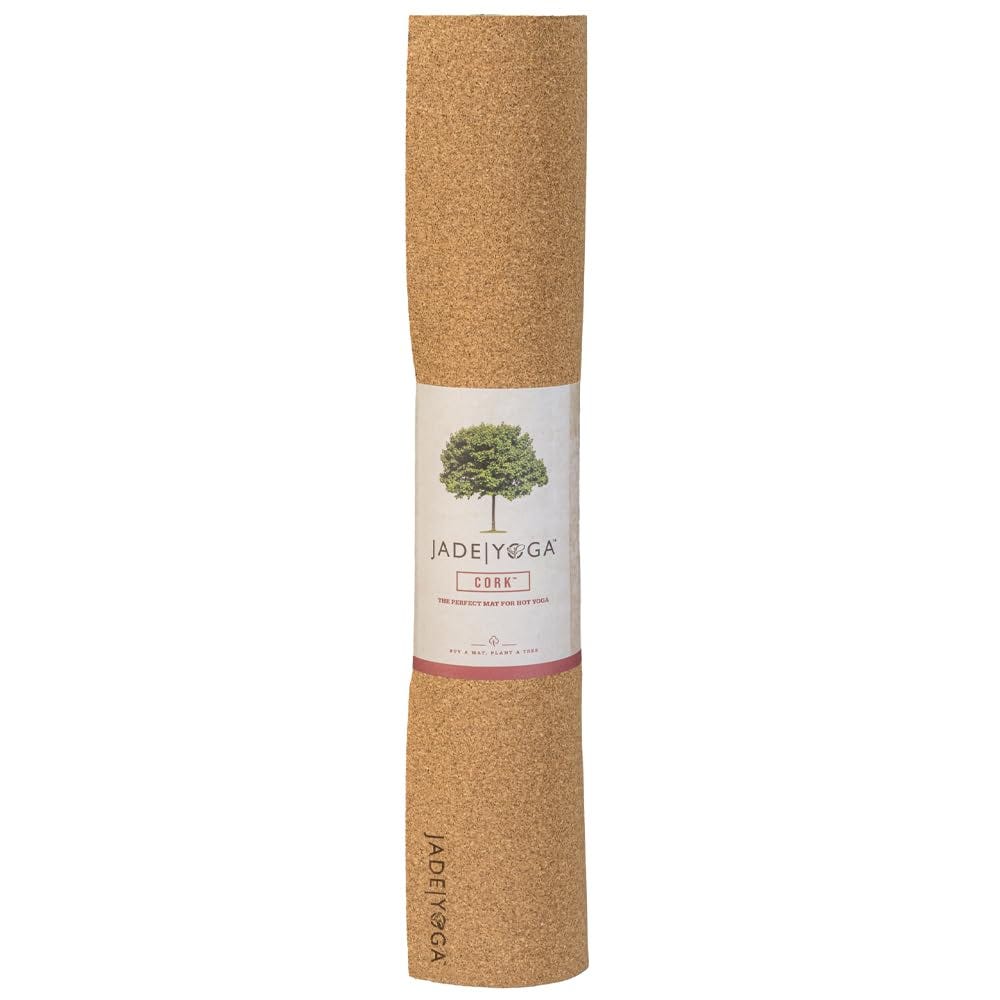
Jade Cork Yoga Mat
 Jade Cork Yoga Mat - Hot Yoga - amazon.com
99.95
Shop Now
Jade Cork Yoga Mat - Hot Yoga - amazon.com
99.95
Shop Now
The Jade Cork Yoga Mat is ideal for hot yoga, combining sustainability with serious performance. Made from sustainably harvested cork and natural rubber, it contains no PVC and uses rapidly renewable materials. Its natural grip remains strong even during sweaty sessions, making it suitable for high-intensity flows.
The cork surface becomes grippier with moisture, and the rubber top adds comfort and resilience. This thoughtful design makes it suitable for both beginners and experienced yogis. Additionally, Jade plants a tree for every mat sold, reflecting its commitment to environmental responsibility.
Specs: - Size: 24 inches wide x 72 inches long - Thickness: 4.5mm thick - Weight: 5 pounds - Material: Sustainably harvested cork and natural rubber, no PVC
What we like: - Natural grip that improves with moisture. - Eco-friendly materials with no harmful chemicals. - Trees planted for every mat sold.
What we don't like: - Relatively high price. - May wear out faster under heavy use. - Requires proper storage to prevent cracks.
Most Versatile:
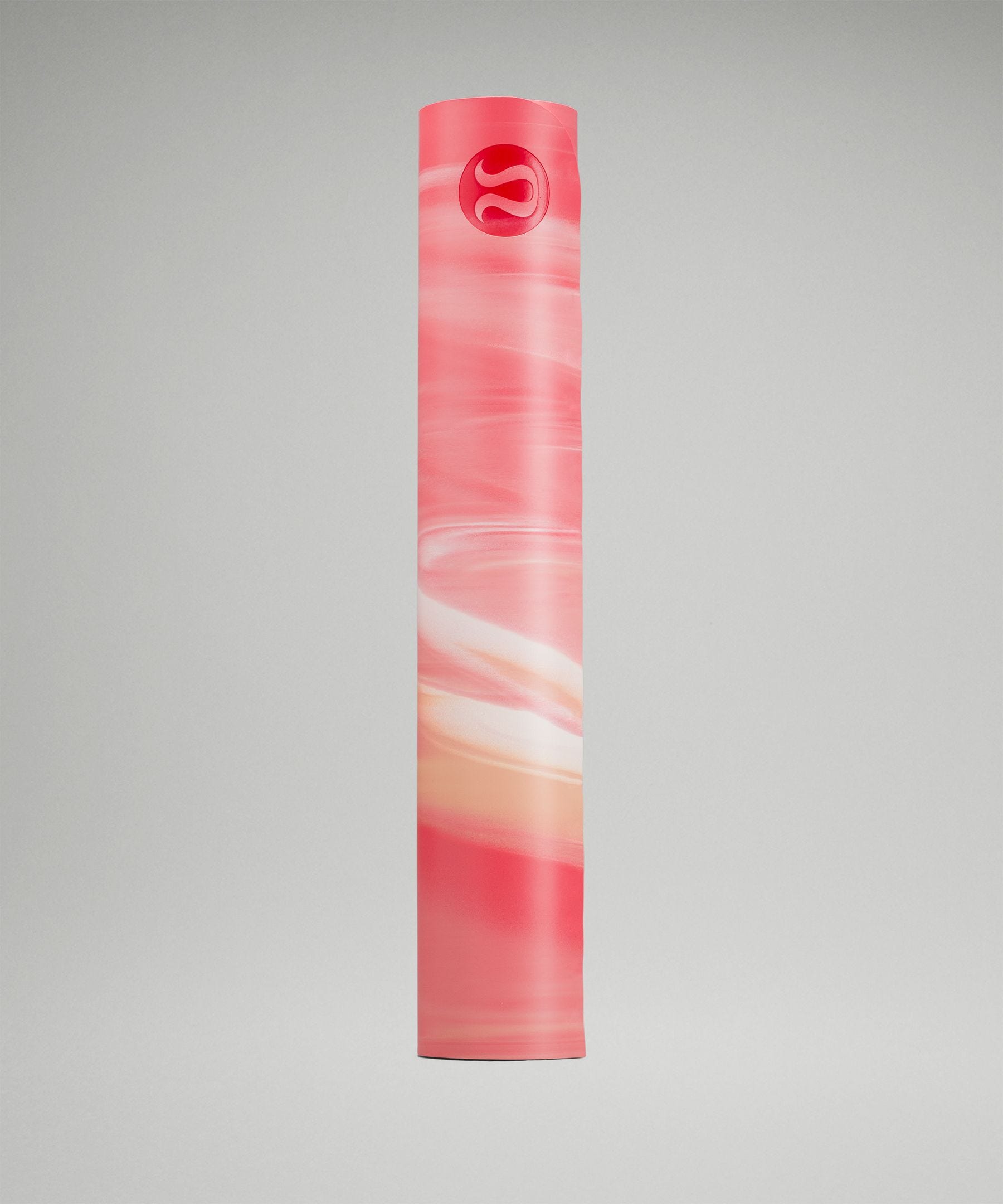
Lululemon The Mat 5mm
 The Mat 5mm - lululemon.com
118.00
Shop Now
The Mat 5mm - lululemon.com
118.00
Shop Now
Lululemon's The Mat 5mm is known for its strong traction and smooth surface, which makes post-class cleanup quick and easy. Its antimicrobial treatment helps prevent mold and mildew, which is useful for those who forget about their mat between classes.
The polyurethane top layer absorbs moisture, maintaining grip during heated sessions. The natural rubber on the reverse side provides solid cushioning, making it ideal for restorative practices when flipped.
Specs: - Size: 26 inches wide x 71 inches long - Thickness: 5mm - Weight: 5 pounds - Material: 100% FSC-certified rubber
What we like: - Excellent grip during intense sessions. - Easy to clean with a smooth, antimicrobial finish. - Dual-sided design offering versatility.
What we don't like: - Heavier than expected for its size. - Dense construction may feel heavy. - Less convenient for travel.
Best Luxurious:
Alo Warrior Mat
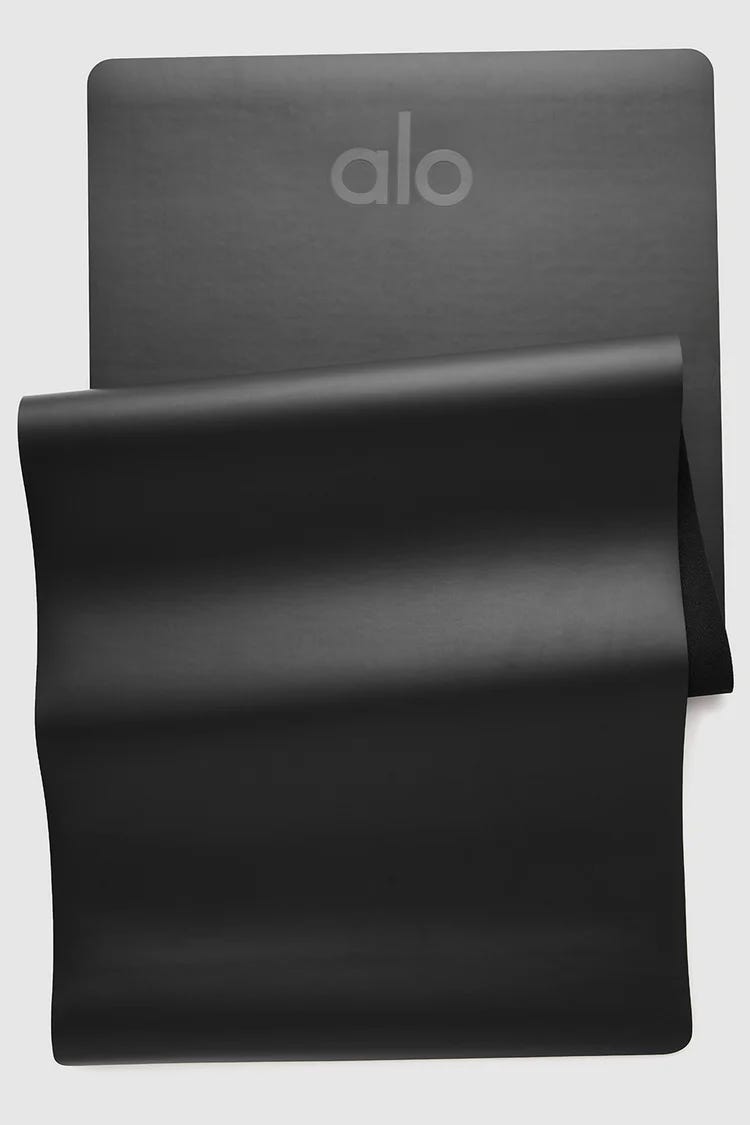 Warrior Mat - aloyoga.com
148.00
Shop Now
Warrior Mat - aloyoga.com
148.00
Shop Now
The Alo Warrior Mat combines physical support with a premium practice experience. Its oversized, slip-resistant surface helps you stay grounded through even the sweatiest flows, while the moisture-wicking anti-odor design keeps things fresh.
It features a sleek, minimalist design that looks good in any space. Made without PVC, formaldehyde, or toxins, it's a cleaner, safer option for mindful practitioners. The matte finish feels luxurious underfoot and adds the right amount of grip.
Specs: - Size: 26.4 inches wide x 74.4 inches long - Thickness: 5mm thick - Weight: 8 pounds - Material: Top layer: 100% polyurethane leather, Bottom: 100% rubber
What we like: - Sleek, high-performance design with grip, comfort, and style. - Oversized surface for ample movement. - Non-toxic, PVC-free materials.
What we don't like: - Heavy and bulky. - Not ideal for travel. - Requires proper care to avoid stains.
Best Affordable:
Amazon Basics Yoga Mat
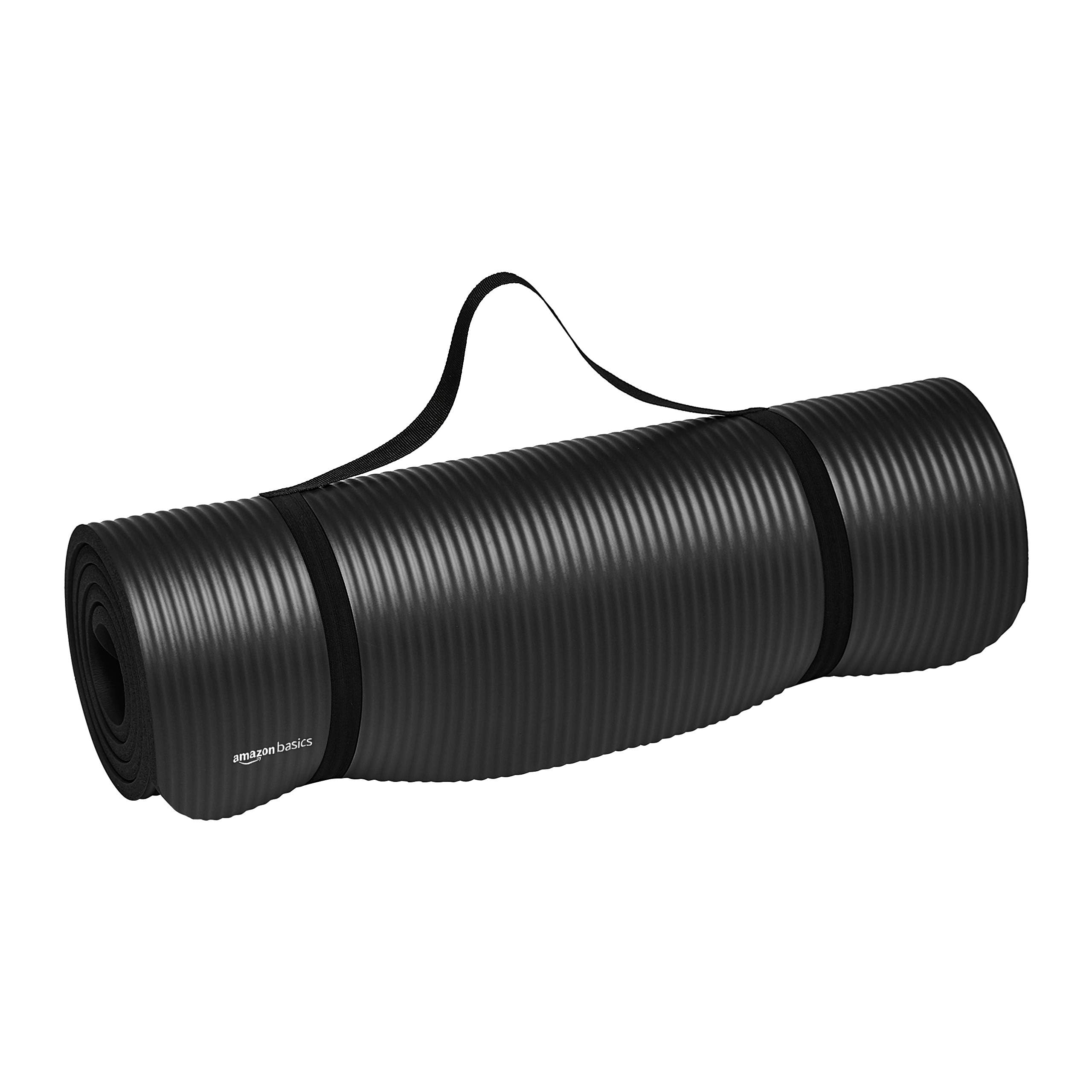 Amazon Basics Extra Thick Exercise Yoga Gym Floor Mat with Carrying Strap - amazon.com
21.81
Shop Now
Amazon Basics Extra Thick Exercise Yoga Gym Floor Mat with Carrying Strap - amazon.com
21.81
Shop Now
The Amazon Basics Yoga Mat is an affordable option for beginners or those on a budget. Made from 100% NBR foam, it offers a surprisingly cushy feel due to its half-inch thickness, providing ample padding for yoga, stretching, or general workouts.
The textured surface improves grip, and the foam is durable enough for regular use. It comes with an elastic strap for easy carrying and compact storage, making it convenient for gym or studio use.
Specs: - Size: 24.3 inches wide x 73.2 inches long - Thickness: 12.7 mm - Weight: 2.2 pounds - Material: 100% NBR Foam
What we like: - Thick, cushioned support for comfort. - Textured surface for improved grip. - Lightweight and easy to transport.
What we don't like: - May be too squishy for advanced poses. - Grip not reliable in sweaty conditions. - Not ideal for high-intensity practices.
Best for Smart Practice:
YogiFi Smart Mat Gen
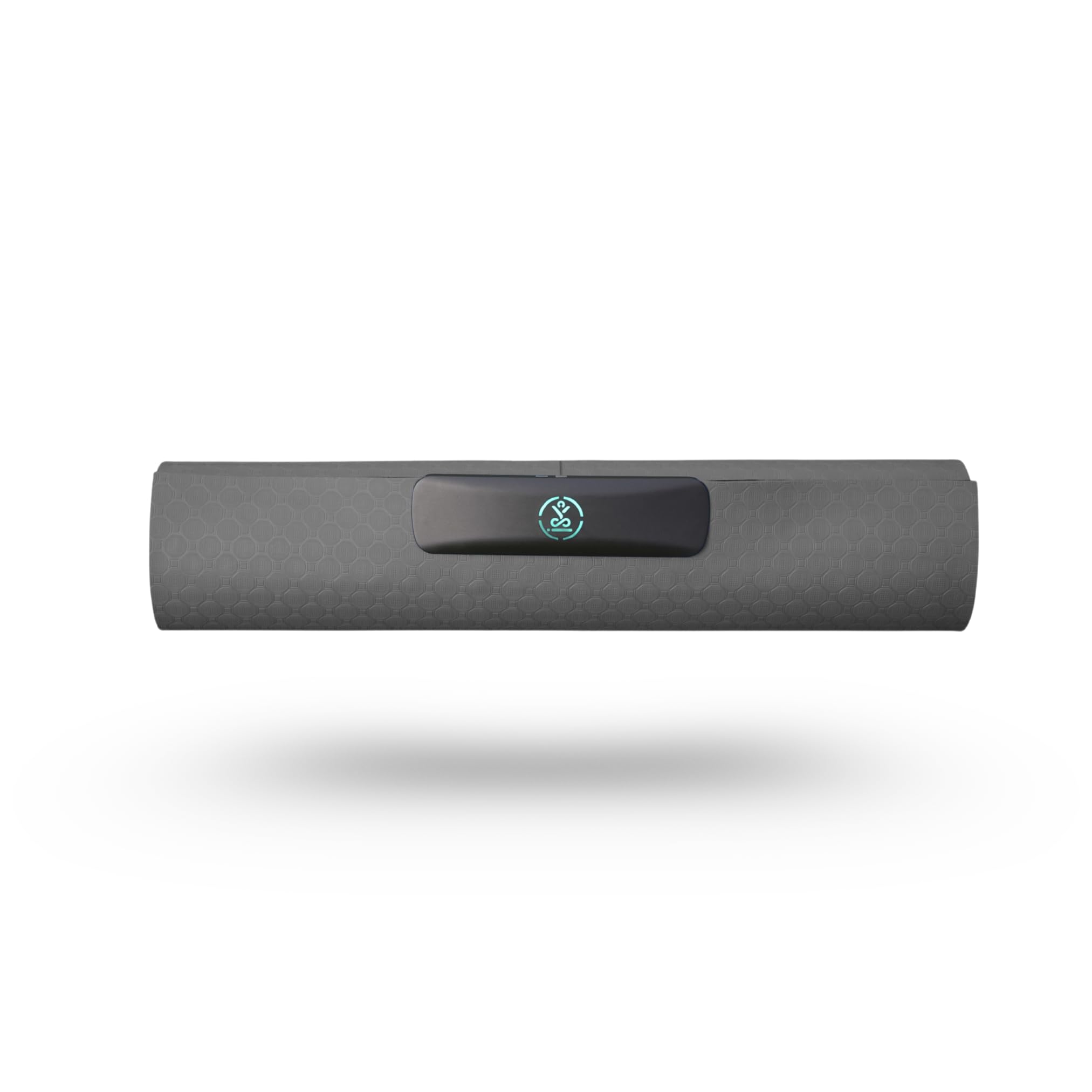 YogiFi Smart Mat Gen3 - amazon.com
179.00
Shop Now
YogiFi Smart Mat Gen3 - amazon.com
179.00
Shop Now
The YogiFi Smart Mat Gen3 is an AI-powered smart yoga mat that acts as a personal coach. Its sensor technology provides real-time feedback on posture, alignment, and balance to help improve form and get more out of each session.
Through the YogiFi app, users can follow guided programs or switch to Freestyle Mode to practice alongside instructors on YouTube, Zoom, or other platforms. After each session, the mat delivers detailed performance insights and posture analysis, offering the feel of personalized coaching without a studio environment.
Specs: - Size: 25.98" wide x 71.65" long - Thickness: 5.84mm thick - Weight: 2.2 pounds - Material: Thermoplastic Elastomers
What we like: - Real-time feedback like having a personal coach. - Haptic and audio cues for alignment correction. - Wide range of yoga and breathwork classes.
What we don't like: - Full functionality depends on the app. - Feedback limited to alignment, not breath or flow. - Higher priced. - Needs charging after every other use.
Why Trust Us
Our recommendations are based on real experience and research. Our lead tester, Katelyn Clement, has been active for many years, regularly practicing yoga, strength training, and other forms of movement, so she knows what makes a mat truly supportive and reliable. We carefully examined product specifications, materials, and brand claims, and backed them up by reading numerous customer reviews to understand how each mat performs in real-world use. Every mat on our list was selected with both beginner and experienced users in mind, ensuring you get honest, well-rounded advice you can trust.
What We Considered While Deciding on the Best Yoga Mats
- Thickness and Cushioning: Choose a mat with sufficient padding to support your joints, especially when practicing floor-based or restorative techniques. Thinner mats (about 0.125 inch) offer stability for balance poses, while thicker ones (about 0.25 inch or more) provide extra comfort for sensitive knees or longer sessions.
- Material and Sustainability: Yoga mats come in a variety of materials, including PVC, TPE, natural rubber, jute, and cork. If you are eco-conscious, look for mats made from sustainably-sourced, biodegradable materials, such as natural rubber or cork. However, keep potential allergies in mind. Natural rubber, for example, contains latex, which can trigger allergic reactions in some people. Non-toxic, PVC-free mats are ideal for creating a cleaner, safer practice environment.
- Grip and Texture: A good mat should offer a reliable grip, especially during sweaty sessions or fast-paced flows. Some mats have textured surfaces for extra traction, while others rely on moisture-activated grip or closed-cell construction.
- Portability and Weight: If you plan to take your mat to classes or travel with it, consider its weight and whether it comes with a strap or carrying case. Heavier mats are better for stability at home, while lighter ones are easier to transport.
- Size and Dimensions: Standard mats are 68 inches long x 24 inches wide, but if you're taller or want more space to move, look for extra-long or wider mat options. The right fit ensures better comfort and freedom during practice.
Ask the Experts
What is the difference between a beginner yoga mat and a professional one?
The main difference between a beginner yoga mat and a professional or advanced yoga mat lies in the quality of materials, grip, durability, and overall performance.
Beginner Yoga Mat: - Price: More affordable, often under $50 - Material: Usually made of PVC or basic foam like NBR or TPE - Thickness: Often thicker for extra cushioning - Grip: Moderate grip, but will become slippery when wet - Durability: Less durable, may wear down with frequent use - Extras: Sometimes includes a carrying strap or printed alignment guides - Best for: Light use, slower-paced yoga, stretching, and getting started.
Professional Yoga Mat: - Price: Higher-end, typically $80 to $150 or more - Material: Made from premium, eco-friendly materials like natural rubber or cork - Thickness: Thinner but denser, providing support without compromising balance - Grip: Superior grip, especially under sweaty or hot yoga conditions - Durability: Built to last for years, even with daily use - Extras: Often larger in size; designed for serious practice and advanced flows - Best for: Daily practice, advanced styles like power or hot yoga, and long-term use.
Are expensive yoga mats worth it compared to budget options?
Expensive yoga mats can be well worth it if you practice regularly or require extra grip, durability, and support. They're usually made from higher-quality, eco-friendly materials and last much longer than budget options. Premium mats also tend to offer better performance during intense or heated sessions. Features like moisture-wicking surfaces, antimicrobial treatments, and added joint support can make a noticeable difference in your comfort and stability, especially during longer practices or high-impact movements. For many dedicated practitioners, these benefits justify the higher price point.
Additionally, many higher-end mats are sourced from brands that prioritize sustainability and ethical manufacturing. If supporting environmentally responsible companies is important to you, choosing a premium mat may better align with your values. These mats often use natural rubber, recycled materials, or non-toxic production methods, which benefit your personal practice space and the planet. However, they are usually heavier and more expensive, which may not suit beginners or casual users.
Budget mats can still be comfortable and functional for light or occasional practice. If you're serious about yoga, investing in a premium mat often pays off; however, if you are just starting, a more affordable option may be all you need.
Which material is best for yoga mats: PVC, TPE, or natural rubber?
The best yoga mat material depends on your needs. PVC is affordable and durable, but not eco-friendly. TPE is lightweight, non-toxic, and offers a good middle ground, though it is less durable. Natural rubber provides the best grip and eco-friendliness, but it's heavier, more expensive, and not suitable for those with latex allergies. For performance and sustainability, natural rubber is ideal; for casual or beginner use, TPE or PVC may be more practical.
How do you properly clean and maintain a yoga mat so it lasts longer?
To make your yoga mat last longer, wipe it down after each use with a gentle cleaner, such as diluted vinegar or a mild soap-and-water solution. Let it dry completely before rolling it up to avoid mold or odors. Deep-clean it occasionally, but avoid soaking, especially on natural rubber or cork mats.
It's also a good idea to rotate your mat regularly, flipping it over or switching the top and bottom when possible. This helps prevent uneven wear and extends the life of the surface, especially in high-performance areas like where your hands and feet rest the most often.
Store it in a cool, dry place away from direct sunlight, and avoid using lotions or oils before practice to prevent stains. If you are still unsure about how to care for your mat, the product description will provide details and sometimes include care instructions for maintaining your mat best. With regular care, your mat will stay clean, grippy, and supportive for years.
Here's how we choose products to recommend to you. Prices are accurate at the time of publication and subject to change.

Post a Comment for "Best yoga mats for beginners, experts, and all levels in between"
Post a Comment