
Cooperation Overcomes National Politics at Europe's Borders
The Vjosa River: A Symbol of Transboundary Cooperation

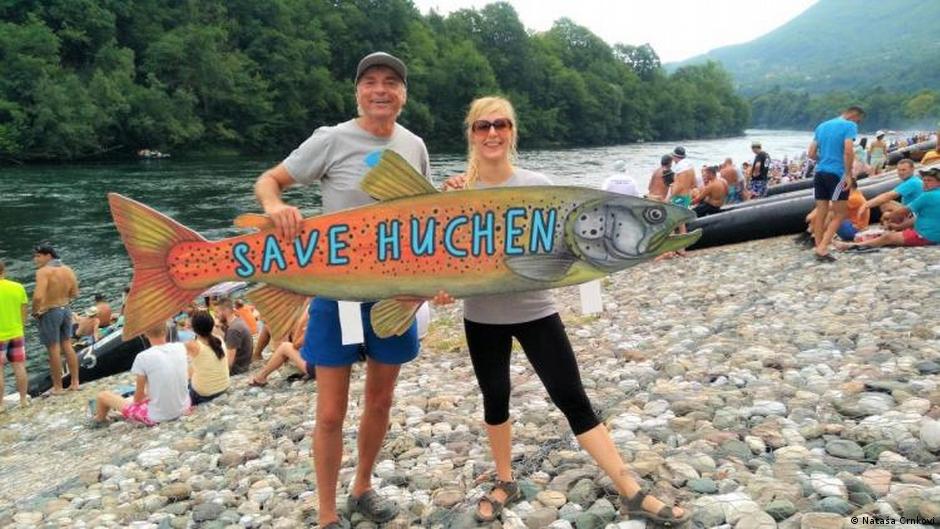
The Vjosa River, known as Aoos in Greek, originates in the Pindus Mountains of Greece and flows northwest through Greece and Albania before reaching the Adriatic Sea. In March 2023, Albanian environmentalists celebrated a historic milestone—the establishment of Europe's first wild river national park along the Vjosa within Albanian territory. This achievement marked a significant victory for activists, scientists, and local residents who had long campaigned for the protection of this pristine river.
"Rivers unite," said Ulrich Eichelmann of RiverWatch, an Austria-based organization dedicated to river conservation. "There's a connectivity in rivers because everyone along a river is part of the same river-basin ecosystem."
Nature Knows No Borders
Eichelmann emphasized that the European eel serves as a perfect example of this interconnectedness. The eel enters the Vjosa at the delta in the Adriatic Sea and travels upstream to its source in Greece. After spending several years there, it migrates downstream again and returns to the sea. This natural cycle highlights the importance of preserving entire river systems across borders.
RiverWatch is now working with Greek and Albanian activists to expand the Vjosa Wild River National Park to include the section of the river that flows through Greek territory all the way to its source. Eichelmann believes both countries will benefit from this collaboration. "Each side needs the other to make it work," he said. "The river unites these people around the vision of a transboundary national park that covers the entire river basin."
Cross-Border Cooperation in the Balkans
At the time the Vjosa Wild River National Park was created, a similar transnational campaign was underway across the Balkans to protect the region's unique river systems. Save the Blue Heart of Europe was groundbreaking, as it was the first such cross-border movement in a region historically plagued by animosities.
From Austria to the Gulf of Corinth, dozens of citizen groups—often working alongside NGOs—are involved in the Blue Heart campaign. These groups are focused on protecting their waterways from development, ensuring that the ecological integrity of these rivers remains intact.
Benefits Beyond Environmental Protection
Eichelmann noted that environmental activists often work constructively, sometimes even in opposition to their governments, on issues like extraction, climate change, and conservation. However, the benefits of their efforts extend beyond the environment.
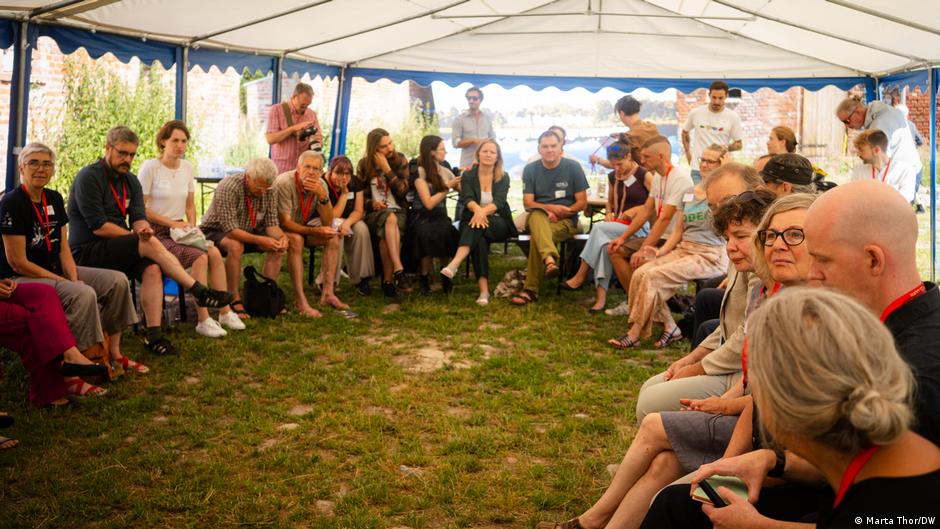
Transnational cooperation helps reduce nationalist tensions, as seen in various cross-border projects across Europe. With financial support from the Journalismfund Europe's Local Cross-Border Grants program, three Deutsche Welle teams investigated how activists operate in borderlands where environmental challenges transcend state boundaries.
In all three cases, concerned citizens and their allies worked closely with counterparts across national borders, forming bonds that challenge traditional nationalism.
How Cross-Border Activism Builds Trust
Although it would be too much to claim that environmentalism alone can heal past conflicts, there is ample evidence that shared regional interests are a stronger motivator for action than nationalist ideologies. Grassroots engagement fosters trust, as demonstrated in the 2022 cleanup of the Oder River, which flowed through Germany, the Czech Republic, and Poland.
A toxic algae bloom in the Oder River killed 360 tons of fish, prompting a transnational alliance called Time for the Oder to form. This alliance, consisting of 28 smaller groupings from the three countries, has achieved notable successes, including a court ruling blocking upstream construction and the restoration of natural floodplains.
Despite obstacles such as differing languages and nationalities, the alliance has not been compromised by suspicion or stereotypes. They have also secured support from the European Environment Initiative to strengthen cross-border civic engagement along the Oder.
The Prespa Lakes: A Model for Environmental Peacemaking
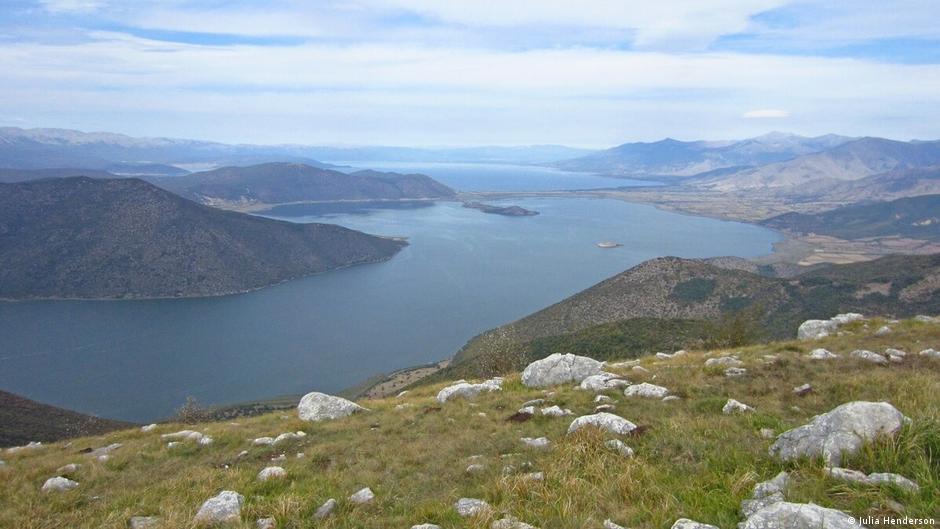
In the borderlands of Greece, Albania, and North Macedonia, a transboundary coalition called PrespaNet links conservationists from all three countries. These mountain lakes are home to the world's largest Dalmatian pelican colony and are considered one of the region’s natural treasures.
In the 1980s, Greek naturalists recognized the significance of the Prespa lakes and took it upon themselves to safeguard them. The Society for the Protection of Prespa set up in northern Greece, where biologist Myrsini Malakou focused on the wetlands and littorals of the Greek side.
Malakou understood early on that the Prespa basin had "three countries, two lakes, one future." Through PrespaNet, she brought in Albanian and North Macedonian NGOs committed to conservation.
"Environmental peacemaking" is how Malakou describes the effort. It involves nurturing communication and collaboration that transcends political borders to benefit the entire region.
Opposition to Lithium Mining
This model of cross-border activism is not limited to the Prespa lakes. In the border regions of Bosnia and Serbia, citizens from both countries became activists when Swiss and Canadian companies began exploring lithium mining. These communities oppose lithium extraction and have garnered widespread support in both countries.
Although Serbs managed to temporarily halt lithium mining, the battle is ongoing. When news of the plans broke, Serbian activists reached out to their Bosnian counterparts, offering support. Their Bosnian friends accepted the help, learned from the experience, and even joined in.
"For a long time, Prespa was the only place in the troubled Balkans where states and people built bridges to safeguard natural and cultural values," Malakou said. "Cooperation and reconnection were born from the environment. Nature is what brought us together."



Post a Comment for "Cooperation Overcomes National Politics at Europe's Borders"
Post a Comment