
Disney stock drops 7% amid mixed performance by media giant
Disney's Earnings Report: Streaming Success Amid TV Network Challenges
Disney recently released its fiscal fourth-quarter earnings report, which exceeded analyst expectations for earnings but fell short of revenue forecasts. The company's entertainment segment was significantly influenced by the performance of its streaming services, while its traditional linear TV business faced continued challenges.
Strong Performance in Streaming Services
Disney's flagship streaming service, Disney+, added 3.8 million subscribers during the quarter, bringing its total to 131.6 million. This growth highlights the increasing popularity of streaming platforms as consumers shift away from traditional pay TV bundles. Operating income for the streaming division rose by 39% to $352 million, driven by higher subscription prices and expanded access through new partnerships.
The company also launched an ESPN direct-to-consumer app, which offers content similar to its TV networks, including ESPN+ and other additions. This app is available to Charter Communications' pay TV subscribers and has helped attract new users. Iger emphasized that the app is a positive step for the future of ESPN, with encouraging engagement rates from users accessing the service through pay TV subscriptions.

Struggles in Linear TV Networks
Despite the success of its streaming services, Disney's linear TV networks experienced a decline in ad revenue. Revenue for the entertainment unit dropped 6% year-over-year to $10.21 billion, primarily due to lower advertising income and the impact of a carriage dispute with YouTube TV. This dispute has resulted in the unavailability of Disney's TV networks on YouTube TV since October 31.
Disney is currently negotiating with YouTube TV and is prepared for a prolonged battle. CEO Bob Iger expressed hope that the deal can be finalized soon to allow consumers access to Disney's content on the platform. Additionally, the company noted that the 2024 joint venture deal for India Hotstar affected its linear network results.
Financial Highlights
Disney reported adjusted earnings per share of $1.11, surpassing the expected $1.05. However, total revenue for the quarter came in at $22.46 billion, slightly below the anticipated $22.75 billion. Net income for the quarter was $1.44 billion, or 73 cents per share, more than double the $564 million, or 25 cents per share, reported in the same period last year.
The company also announced plans to increase its dividend and double its share buyback program for fiscal 2026. CFO Hugh Johnston highlighted the momentum in Disney's streaming and experiences businesses, stating that the company is well-positioned for future growth.
Positive Results in Experiences Segment
Revenue for Disney's experiences segment, which includes theme parks, resorts, cruises, and consumer products, increased by 6% to $8.77 billion. Operating income for this segment rose by 13% to $1.88 billion, reflecting strong performance in the parks and cruise businesses.
Johnston noted that bookings are up 3%, and spending per person at parks increased by 5% in the fiscal first quarter. The cruise segment, in particular, showed strong demand, with ships selling out at the same rate as before, despite the expansion of the fleet. Two new ships, Disney Destiny and Disney Adventure, are set to join the fleet soon, with the latter launching in March as the first ship ported in Asia.
Sports Division Performance
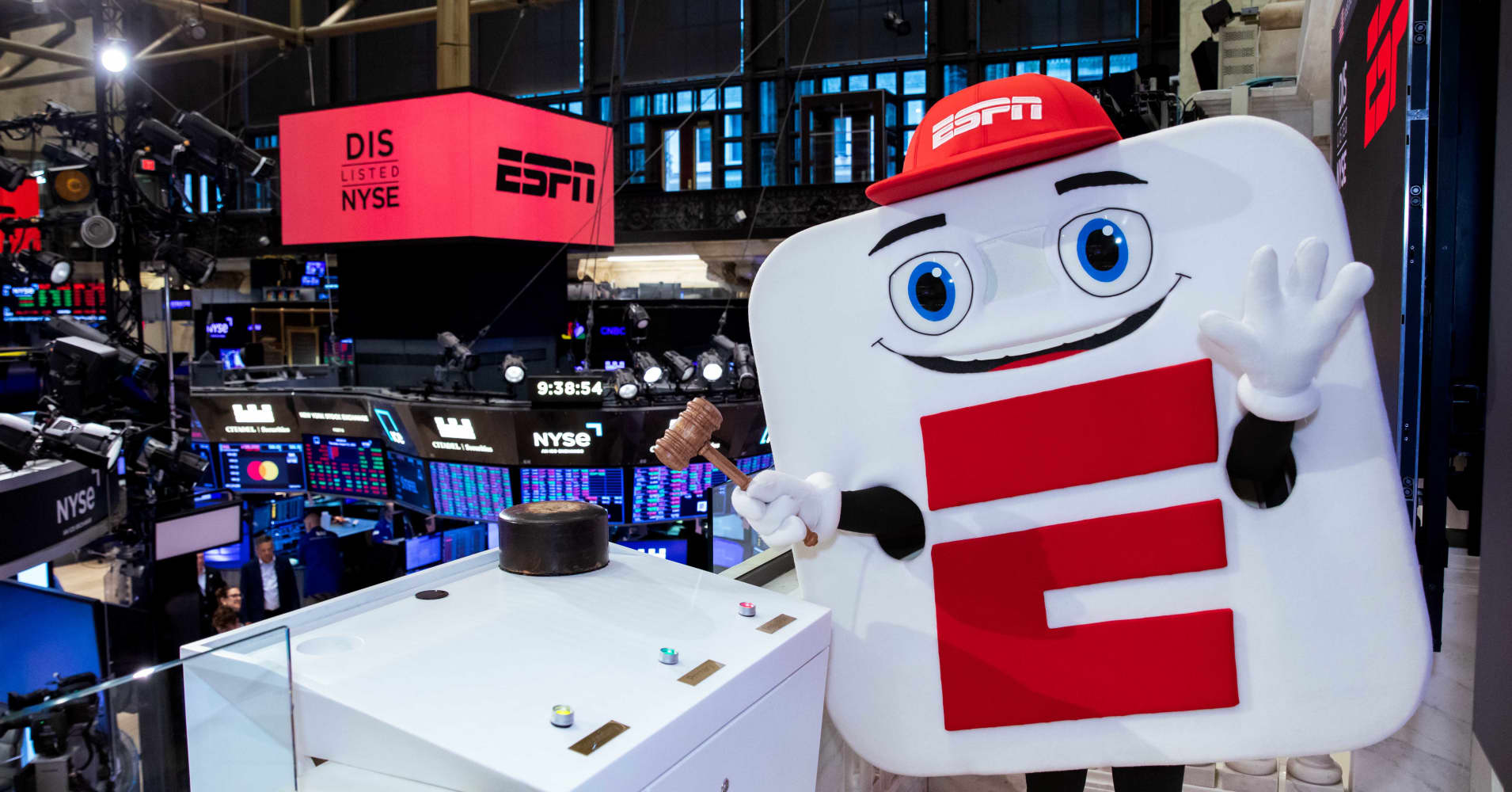
Revenue for Disney's sports division, which includes ESPN, increased by 3% to approximately $4 billion. While operating income remained essentially flat at $898 million compared to the previous year, the launch of the ESPN app and higher programming costs contributed to the changes in financial results.
Despite the challenges in the traditional TV market, sports remains a key area of strength for Disney, with high viewership and significant advertising revenue.

Future Outlook
Disney continues to focus on expanding its streaming offerings and enhancing its experiences segment. The company's decision to stop reporting subscriber numbers and average revenue per unit (ARPU) for its streaming services mirrors the approach taken by Netflix. This shift reflects the evolving landscape of the streaming industry and Disney's strategic focus on long-term growth.
As the company navigates the challenges of traditional TV and capitalizes on the opportunities in streaming and experiences, it remains committed to delivering value to shareholders and meeting the changing demands of its audience.

Post a Comment for "Disney stock drops 7% amid mixed performance by media giant"
Post a Comment