
Don't Be Fooled: The M10 Booker Tank's Disappointing Reality
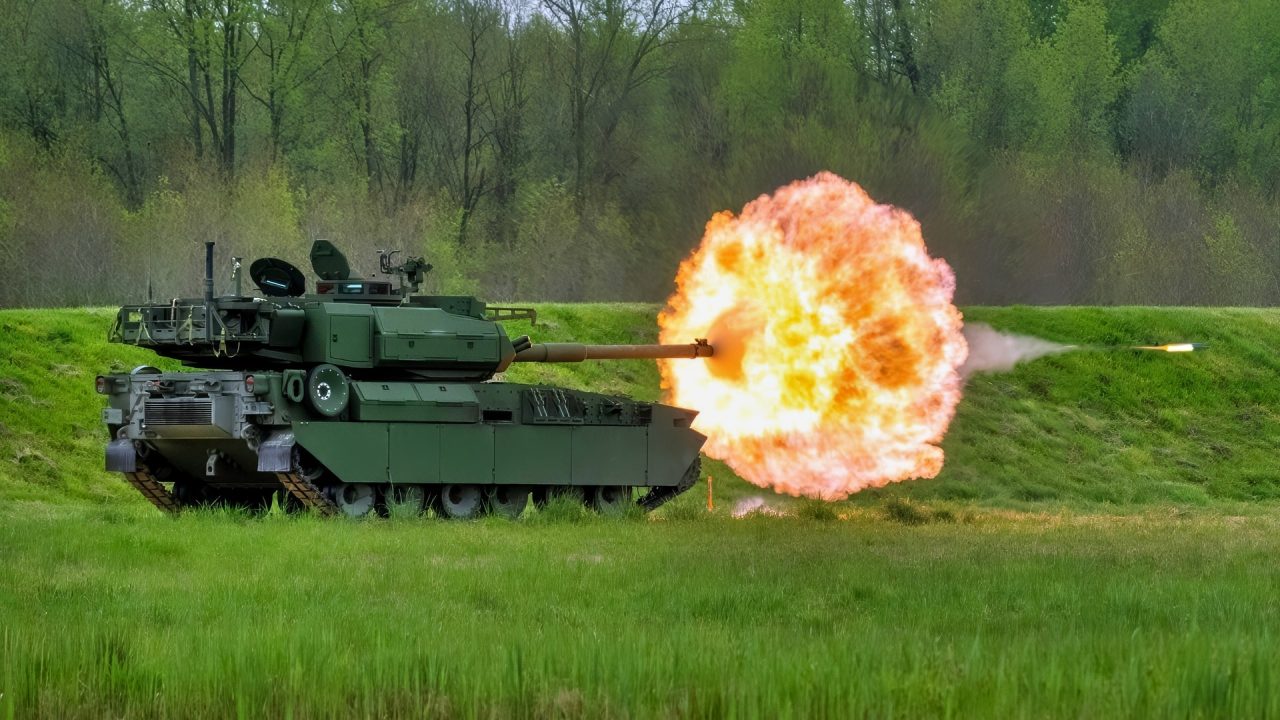
Key Points and Summary
The M10 Booker originated as the Army’s Mobile Protected Firepower program, a “light tank” intended to provide infantry brigades with mobile, protected direct fire without the logistical burden of an Abrams. Initially envisioned as air-deployable and C-130 capable, the design was gradually weighed down by requirement creep, swelling to roughly 42 tons and losing its original niche.
Industrial constraints, a restrictive maintenance model, and a muddled concept of operations compounded the problem. When the Pentagon ordered an end to “obsolete or ineffective” programs in 2025, the Booker was an easy target—exposing deep flaws in U.S. Army acquisition and industry alike.
Could the M10 Booker Have Been Saved?
When the U.S. Army accepted its first M10 Booker Combat Vehicle in April 2024, it was seen by many as the much-anticipated solution to a persistent shortfall in infantry firepower. It was a light tank designed to give light brigades the power they needed without all the logistical headaches and burdens of a main battle tank. But less than a year later, in June 2025, the program was suddenly canceled.
The sudden decision to terminate the program has raised plenty of questions, specifically about how the Army procures critical platforms like this, and whether America’s industrial base is up to the job.
After years of anticipation, a program that was designed to solve key problems for the U.S. military came to an abrupt end - but could it have been saved?
What the M10 Booker Was - and What It Was Supposed To Do
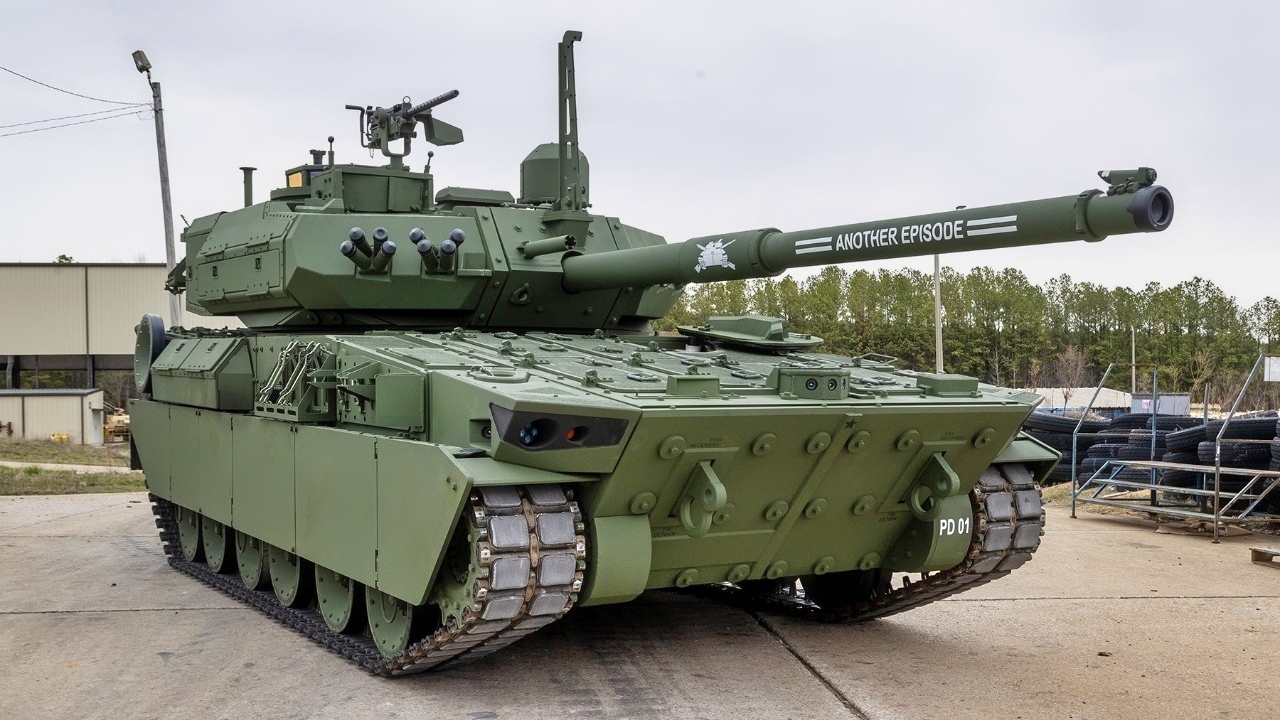
The M10 Booker began its life as the “Mobile Protected Firepower” (MPF) program, designed to give the U.S. Army’s infantry brigade combat teams a mobile, protected, direct-fire vehicle capable of neutralizing enemy fortifications and light-to-medium armored threats.
Historically, these combat teams lacked much firepower beyond small arms and light support, so the MPF was doing something game-changing - filling a gap without bogging down light brigades with heavy machinery.
In June 2022, the Army awarded a contract to General Dynamics Land Systems (GDLS) to build as many as 96 M10s. By April 2024, the first vehicle had been delivered. The design was impressive: it was operated by a four-person crew, it was a tracked vehicle, and it was armed with a 105 mm M35 low-recoil cannon, a 7,62 mm coaxial machine gun, and a .50-caliber M2 heavy machine gun.
It features an 800-horsepower diesel engine and could reach speeds of up to 40 miles per hour - and beyond speed, the vehicle could traverse rough terrain, hills, and urban areas. It’s designed to go everywhere and do as much as humanly possible without the burden of a battle tank.
On paper, the Army envisioned fielding four MPF battalions by 2030, with a planned total acquisition of 504 vehicles across the Army and National Guard.
Had the plan gone ahead, infantry brigades - including both airborne and light-infantry units - would have had the kind of direct fire support they’d always needed, but which were previously only reserved for heavier armored formations.
Why It All Went Wrong - and Could It Have Been Saved?
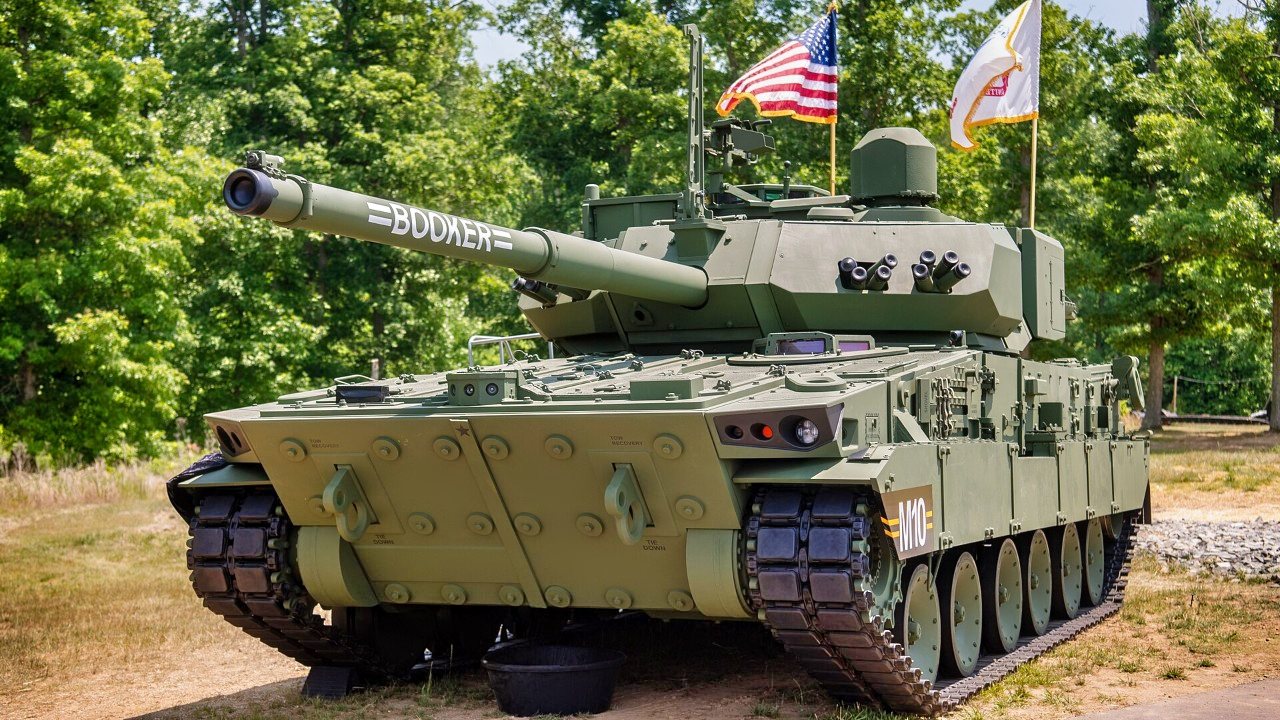
The demise of the M10 Booker wasn’t due to a lack of effort or enthusiasm for the project. In fact, the vehicle was popular in theory. The problem, in part, was that the car drifted far from its original promise over time, and the underlying U.S. defense-industrial base simply failed to deliver a platform that could meet the Army’s evolving requirements.
The cancellation of the program was the product of interlocking problems that meant the Army and industrial base simply couldn’t come to terms.
On May 1, 2025, the Army leadership announced the cancellation of the program under a directive from the Pentagon that specifically stated it would “end procurement of obsolete systems, and cancel or scale back ineffective or redundant programs."
By the time of the official June 11 termination notice, only low-rate initial production (LRIP) vehicles had been accepted, and full-rate production was canceled.
It meant the Army would receive only a handful of those early vehicles.
At the heart of the failure was a pattern that is familiar to anyone who has spent time observing U.S. defense procurement in recent years: requirement creep.
This is not unique to the Army; it is seen often across the Navy and the Air Force, too.
The Booker started its life as a light, air-deployable infantry-support vehicle - but as time went by, the Army stipulated additional requirements that eventually pushed the vehicle's weight to as much as 42 tons.
That creep made it far too heavy for its intended role; it was no longer airdroppable, and it could no longer even be carried on a Lockheed C-130 Hercules transport aircraft - a basic objective.
The vehicle also lacked a coherent concept of operations and purpose after the creep.
The M10- never actually fully integrated into any existing systems and was little more than sheer firepower - a gun on wheels in a chassis that was too heavy to transport by air.
The program even depended on a maintenance contract with GDLS that restricted the Army’s ability to perform basic repairs.
So, could it have been saved? Yes and no.
Yes, it could have been saved had the program stuck to the original plan, created something that was more easily integrated into existing systems, planned for the future, and could have been repaired by the Army without GDLS support.
But that’s all easier said than done.
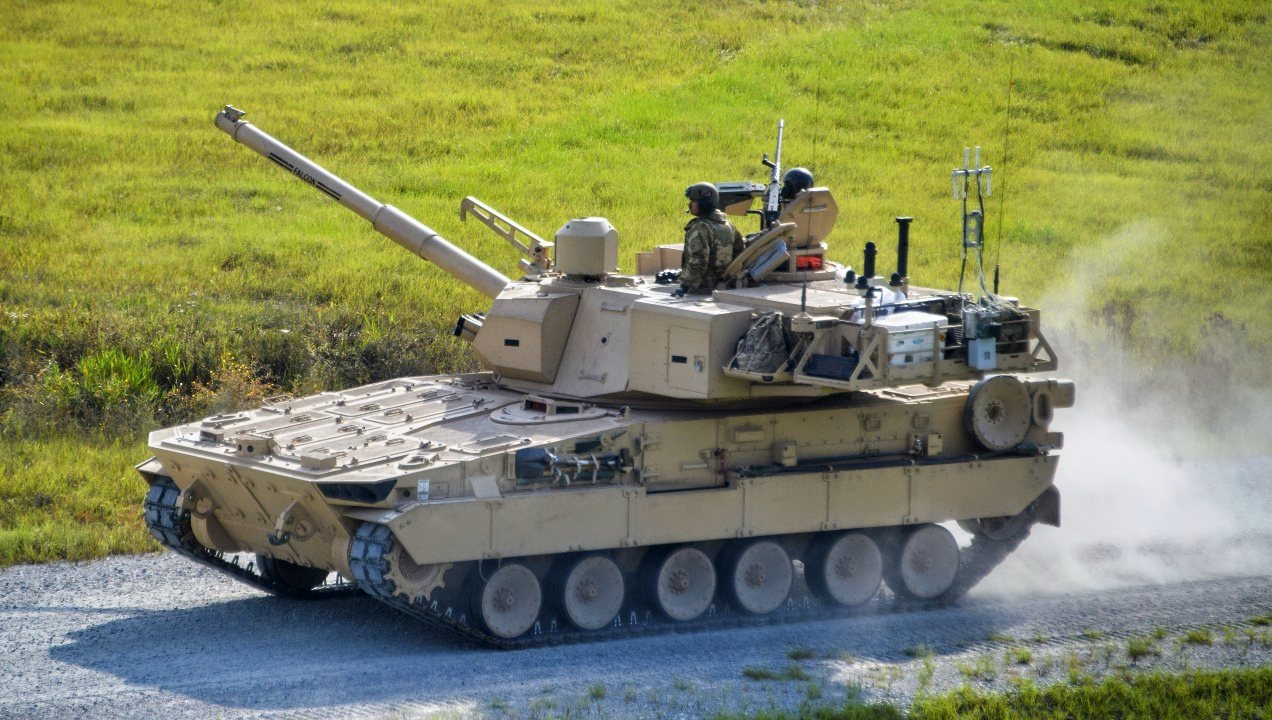
The M10 Booker kept evolving as the Army’s needs changed during development, and both industry and the U.S. military couldn’t see eye to eye.
In the end, that turned the M10 Booker into a heavy tank rather than the agile light assault vehicle it was always meant to be.
If the Army had frozen the requirements early, then the program could have been saved - but at the same time, had those requirements been frozen, the end product would still have been unsatisfactory.
GDLS would have delivered a product that met the Army's requirements at the time, but one perhaps unprepared for the future.
If the industrial base had been structured to allow for more modular maintenance or upgrades, the Booker may have been a valuable asset for the future.

Post a Comment for "Don't Be Fooled: The M10 Booker Tank's Disappointing Reality"
Post a Comment