
Eco-Friendly Roofing for Modern Living
The Rise of Sustainable Roofing Solutions
As homeowners become more conscious of their environmental impact, the demand for sustainable roofing solutions has never been higher. Eco-friendly materials not only promote energy efficiency and environmental sustainability but also reduce reliance on non-renewable resources and minimize emissions associated with traditional construction methods. From solar-integrated roofing systems to green living roofs, there are numerous options that blend function with visual appeal, allowing homeowners to choose a solution that suits their unique needs.
Sustainable roofing can lead to long-term savings and increase property value, making homes more attractive to environmentally conscious buyers. These roofs often enhance curb appeal while offering tangible benefits such as lower utility bills, improved durability, and increased resale opportunities. Whether planning a new construction or considering roof upgrades, partnering with trusted professionals can help turn sustainability goals into reality.
Solar-Integrated Roofing Systems
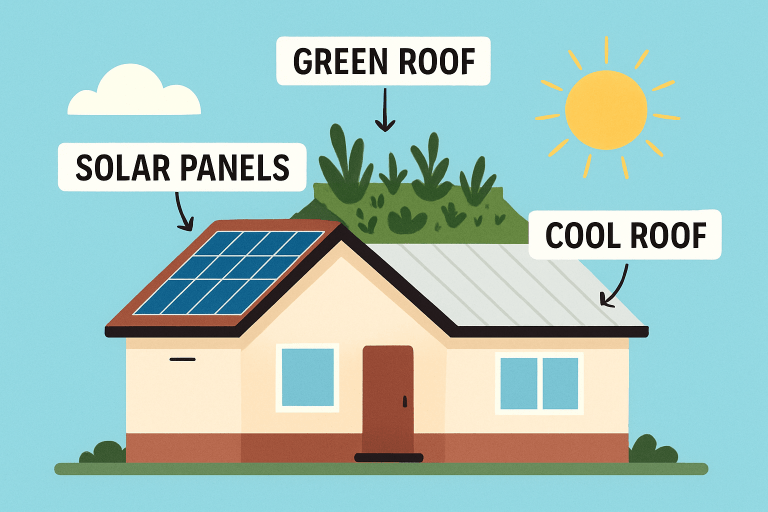
Solar-integrated roofing is revolutionizing the way homes harness clean energy. Unlike bulky solar panels mounted on top of the roof, solar shingles and tiles are designed to replace conventional roofing materials, creating a sleek and modern appearance. These systems convert sunlight directly into usable energy, reducing utility bills and greenhouse gas emissions. Additionally, they can increase a home’s value and curb appeal. With advancements in battery storage and smart home integration, homeowners can store excess energy for use during peak hours or outages, ensuring reliable power in various situations.
Green Living Roofs
Green living roofs offer a unique way to transform rooftops into thriving ecosystems. These systems feature layers of vegetation planted atop a waterproof membrane, providing habitat for wildlife and natural insulation that keeps homes cooler in summer and warmer in winter. By reducing the urban heat island effect and supporting rainwater management, green roofs improve air quality in cities and contribute to healthier communities. They also provide beautiful recreational spaces, extend the life of the underlying roof, and attract pollinators and birds, enhancing urban ecological health.
Cool Roofs: Reflective Materials for Energy Efficiency
Cool roofs utilize highly reflective materials, such as specially coated shingles or white thermoplastic membranes, to bounce sunlight away from buildings. This significantly lowers roof temperatures, maintaining a more comfortable indoor environment and reducing the need for air conditioning, which can slash summertime energy bills. Cool roofs are ideal for hot climates and urban settings where reducing heat absorption makes a tangible difference. They also improve comfort levels within the home, potentially reducing wear and tear on HVAC equipment, and often qualify for municipal energy-saving programs. Widespread adoption of cool roofs in a community can further reduce localized heat and lower utility costs for entire neighborhoods.
Recycled and Reclaimed Materials
Roofing made from recycled and reclaimed materials offers an effective way to reduce landfill waste while delivering lasting performance. Many manufacturers now produce shingles and tiles from post-consumer and post-industrial waste, including rubber, plastic, and wood fiber. These products often rival or exceed conventional materials in terms of durability, weather resistance, and style, providing a sophisticated solution for eco-conscious homeowners. Using recycled content in roofing materials also conserves natural resources, reduces the energy required for new manufacturing, and often results in lighter products that place less stress on a home’s structure. Some brands even offer customization in colors and textures, allowing for creative design without compromising sustainability.
Durable Natural Materials
Natural and renewable roofing materials, such as clay, slate, and sustainably harvested wood, bring character and resilience to modern homes. When responsibly sourced, these materials are highly durable, naturally insulating, and biodegradable at the end of their lifecycles. Slate roofs, in particular, can last over a century with little maintenance, making them one of the most enduring choices available. Clay tiles offer a timeless look and excel in both hot and cold climates due to their insulating properties. With proper maintenance, natural wood shakes and shingles can provide both charm and decades of reliable service, especially when treated to resist moisture and pests. Choosing natural materials can also support regional economies and lower the carbon footprint associated with transportation.
Smart Roofing Technology
Modern sustainable roofs often incorporate smart technology, such as sensors and monitoring devices. These tools track structural health, temperature, moisture, and leak detection, enabling homeowners to address issues early and reduce costly repairs. The result is a more resilient, responsive home that continuously optimizes its energy performance and comfort levels. Smart systems can send real-time alerts to mobile devices, allowing owners to act before problems escalate. When integrated with home automation platforms, these technologies can work together to balance energy expenditure, maintain optimal living conditions, and extend the lifespan of the roofing system.
Financial Incentives and Rebates
Switching to sustainable roofing can also be financially advantageous. Homeowners may be eligible for rebates, tax credits, and local incentives when choosing energy-efficient options like solar shingles, cool roofs, and living roof installations. These programs are often available at the local and federal levels, helping to offset initial investments and make sustainability accessible for more families. Many utility companies also offer additional incentives or reduced energy rates for sustainable upgrades, and some financing options allow the cost of improvements to be incorporated into property tax payments or home energy loans.
Final Thoughts
Integrating sustainable roofing solutions aligns with eco-friendly values and can lead to meaningful economic savings, lower maintenance needs, and increased property desirability. By staying informed and proactive, homeowners can select the best approach to sustainable roofing for their climate, home design, and budget—ensuring comfort, aesthetics, and responsibility go hand in hand for years to come. Ultimately, sustainable roofing presents a unique opportunity to protect your investment, support your community, and become a leader in environmentally responsible living without compromising on style or quality.

Post a Comment for "Eco-Friendly Roofing for Modern Living"
Post a Comment