
Effects of the government shutdown on overburdened animal shelters and rescues
Animal shelters and rescues across the country are sounding the alarm as recent government shutdowns have led to a cascade of challenges that are not widely understood. The shutdown, which lasted 40 days—the longest in U.S. history—has had far-reaching economic consequences, affecting everything from federal employees to essential programs like the Supplemental Nutrition Assistance Program (SNAP).
The federal government has taken steps toward reopening, but the damage caused by the shutdown is still being felt. In New Jersey, for example, SNAP benefits ran out at the beginning of November, leaving hundreds of thousands of residents without access to food for their families. This situation has created a ripple effect that is impacting more than just human populations.
Start the day smarter. Get all the news you need in your inbox each morning.
According to a report by Forbes, the economic effects of the shutdown have deepened over time, touching small businesses, nonprofits, and housing programs. Thousands of federal workers continue to work without pay or have been furloughed, adding to the financial strain on communities.
As people across the country face increasing financial hardship, there is growing concern about what will happen to their pets. Multiple sources indicate that individuals who are forced to be more conservative with their spending during this uncertain time may find themselves unable to afford basic care for their animals. This could lead to an increase in pet surrenders and abandonments, placing even more pressure on already overburdened animal shelters and rescue organizations.
"If you can't feed your kid, you're giving up your dog, your cat, your guinea pigs or whatever it is, and people are just unaware of it," said Robyn Urman, founder of Pet ResQ Inc. in Tenafly. "Our pantry is empty, it's not getting better, and people are not aware of the trickle-down effect."
How are local shelters faring, and what can people do to help?
Shelters and rescues are in crisis
Before the shutdown, animal shelters and rescues across the country were already facing a crisis. Urman, who has been rescuing and working with animals since 1982, said this has been the hardest year yet.
Olivia Gonzalez, social media manager at the Associated Humane Societies Newark Shelter, echoed Urman, adding that even before the shutdown, intake was the highest it has ever been.
"The nation is going through a financial crisis. Even without this government shutdown, people are forced to choose between caring for their pets and caring for their families," Gonzalez said, adding that the shutdown has "just exacerbated those conditions."
She continued, "It seems like every other call is a family in need, unable to care for their pet, unable to provide basic necessities such as food, supplies, veterinary care."
At AHS Newark, Gonzalez said, there is an owner surrender waiting list "well into" March 2026. On the list are more than 80 dogs and between 80 and 100 cats.
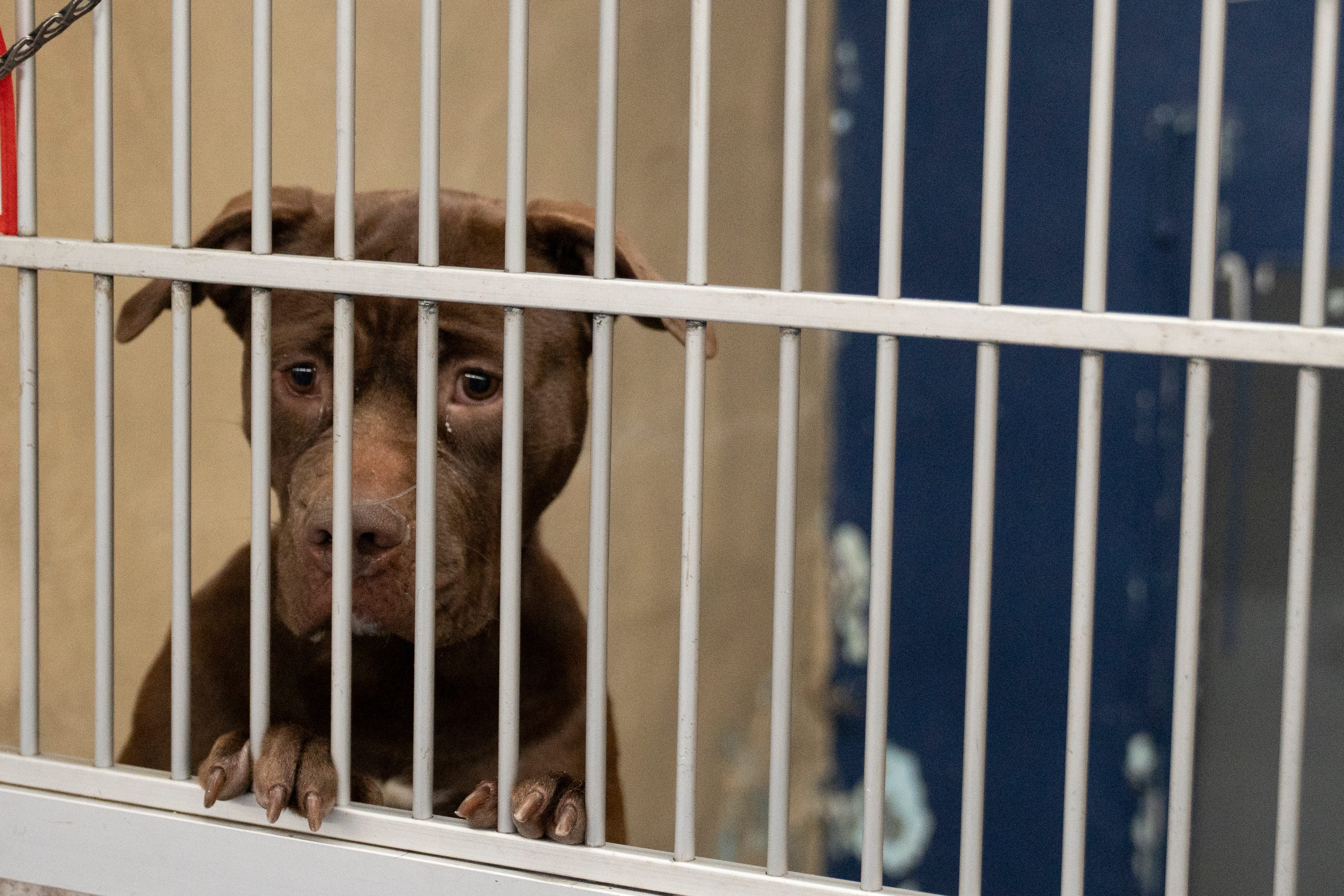
Over the last several days, the shelter has filled to capacity, and its employees have seen an increase in abandoned animals. Gonzalez said AHS Newark can realistically house about 125 to 130 dogs and about 150 cats and/or kittens.
"Our shelter is trying to help the most that we can by providing families with food when they ask. But it is a frightening moment, and we are filling up," Gonzalez said. "We are taking the government shutdown very seriously. We're trying to provide help and hope to those who need it, but at the end of the day there are only so many kennels in the shelter."
In the last month, Pet ResQ Inc. has received about 17 surrender requests, Urman said. Because of a lack of foster homes, it has been able to take in only five.
At St. Hubert's Animal Welfare Center, a rescue based in Madison, Sarah Sangree, director of community engagement, said there has been a decrease in the number of donations.
"We've been really committed to keeping pets with their people ... we distribute pet food and supplies to some human food banks ... we are there every month," Sangree said. "What we've actually noticed recently is, we rely on donations to fill those shelves, and our own donations have decreased pretty significantly recently."
St. Hubert's also has a long waiting list for people who want to surrender their pets, Sangree said, adding that the rescue works hard to provide community members with enough support that they may not need to make that move.
How to help: Fostering or volunteering
For those looking to help local shelters and rescues during this time of uncertainty, steps include donating, fostering and volunteering.
St. Hubert's, AHS Newark and Pet ResQ Inc. all told NorthJersey.com that they are always in need of fosters.
Gonzalez said fostering through AHS and many other animal welfare organizations is free.
"We try to provide everything that you need, from a crate to a bed, a leash and collar, and, when the need arises, medical care as well," she said. "Offering your home as a foster could be the difference between an animal getting out of the shelter and an animal not getting out of the shelter."
Gonzalez continued, "We always try to tell people: It doesn't need to be the perfect setup ... because anything that you can offer as a foster parent is better than the life that they are living in the kennel."
These organizations and others also offer a variety of volunteer opportunities. Visit the website of a local shelter or rescue for more information about how to volunteer or become a foster.
How to donate pet supplies
In addition, shelters and rescues are desperately in need of donations.
"Donations are amazing," Gonzalez said. AHS Newark has an Amazon wish list that people can use to donate. Recently, the shelter collected small, easy-to-carry bags of food to be distributed to community members.
Going forward, it is working to connect with local food banks to create a "one-stop shop" for food and pet supplies, Gonzalez said.
St. Hubert's also has an Amazon wish list, as well as an on-site store. Food can be dropped off at the shelter in Madison, said Sangree, who added, "We're open every day, and we are just thrilled when people donate."
Other locations that are accepting donations of pet supplies, Urman said, include Plaza Pet World in Northvale, Dumont Borough Hall, and Hackensack Meridian Fitness and Wellness in Maywood.
Overall, Urman and others said, the ultimate goal is to keep pets in their homes as long as possible.
"If you've ever thought about adopting a dog, now is the time," Gonzalez said, "and just showing up to support your local shelters, whether it be AHS, your local municipal shelter or a trusted rescue organization."
This article originally appeared on NorthJersey.com: Impacts of the government shutdown on already overwhelmed animal rescues and shelters
Animal shelters and rescue organizations are struggling to keep up with the increased demand for their services. Many of these groups rely on donations and community support to operate, and the current financial climate has made it even more difficult for them to provide the necessary care for animals in need.
Some of the key challenges facing shelters include:
- A surge in pet surrenders due to financial instability among pet owners.
- Limited resources for food, medical care, and shelter for animals.
- A shortage of volunteers and staff to manage the increased workload.
In response to these challenges, many shelters are urging the public to step up and offer assistance. Here are some ways people can help:
- Donate money, food, or supplies to local animal shelters and rescues.
- Volunteer time to help with daily operations or outreach efforts.
- Advocate for policies that support both humans and animals during times of economic hardship.
- Spread awareness about the impact of government shutdowns on vulnerable communities, including pets.
As the effects of the shutdown continue to unfold, it is clear that the crisis extends beyond just human needs. Animal shelters and rescues are playing a critical role in supporting pets whose owners are struggling to make ends meet. With continued public support and awareness, these organizations can continue to provide vital services to animals in need.

Post a Comment for "Effects of the government shutdown on overburdened animal shelters and rescues"
Post a Comment