
Family of Missing Colombian Seeks Answers After U.S. Strike on Suspected Drug Boat
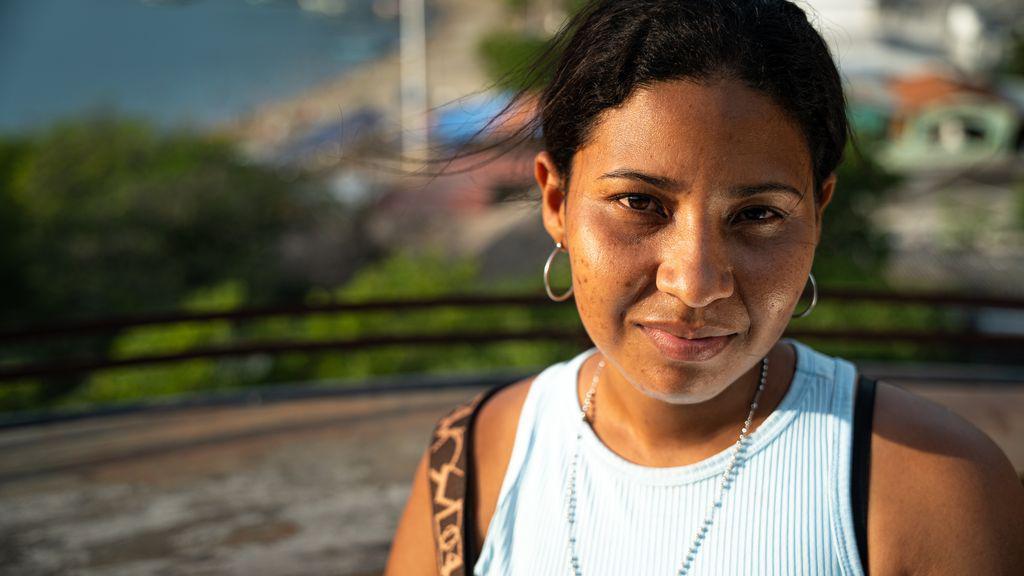
Lizbeth Perez stands at the edge of the tranquil fishing bay in Taganga, Colombia, her eyes filled with fear as she recalls the last time she spoke to her uncle, Alejandro Carranza. He was a kind and cheerful man, known for his love of fishing and his role as a devoted father and uncle. On September 14, he left his home in La Guajira, Venezuela, as he usually did, heading out on his boat. The next day, President Donald Trump announced that a U.S. strike had targeted a vessel departing from Venezuela, claiming that three individuals described as "extraordinarily violent drug-trafficking cartels and narco-terrorists" were killed.
Since then, Lizbeth has not seen her uncle, and his five children are left without their father. The family is still waiting for answers, unsure if he was even on the boat that was struck. "The truth is we don't know it was him," she says. "We don't have any proof apart from what we saw on the news."
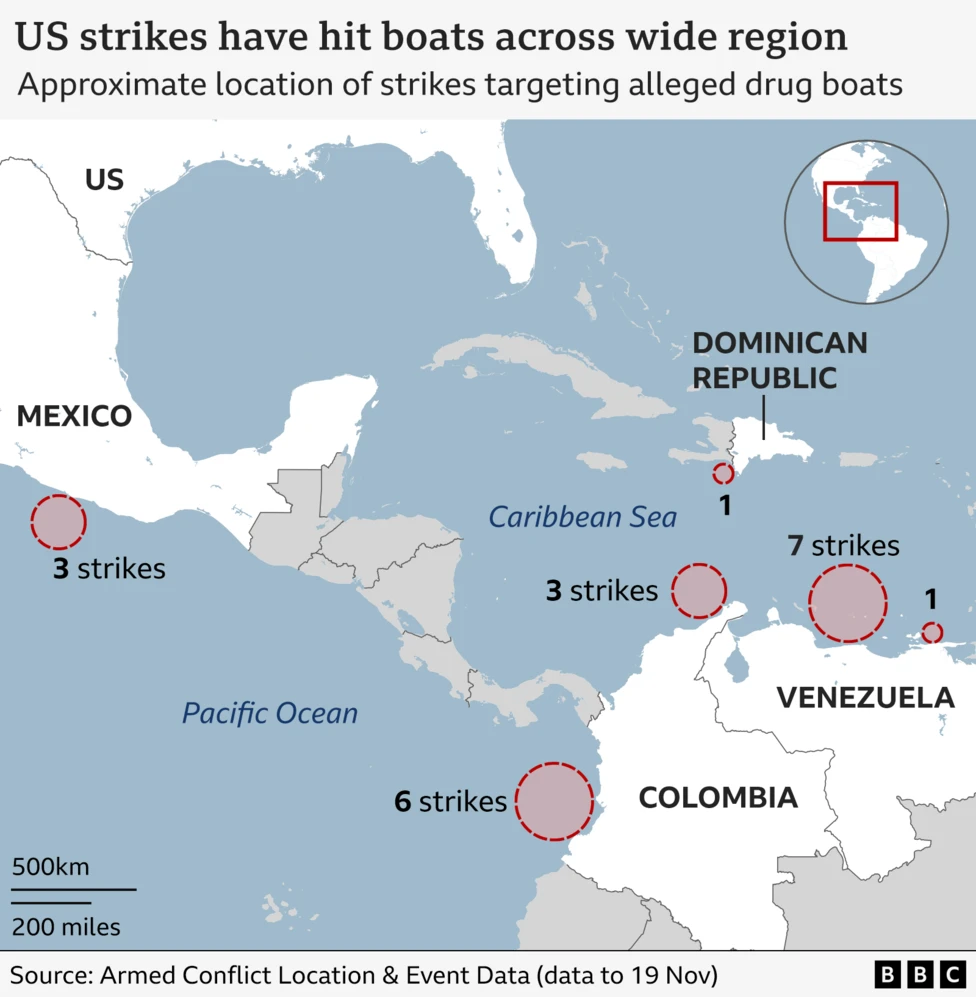
The U.S. has been conducting strikes on alleged drug-trafficking boats in the Caribbean since September, expanding the operation to the Pacific. According to U.S. statements, at least 83 people have been killed in 21 such strikes. Defense Secretary Pete Hegseth claims the campaign aims to remove "narco-terrorists" from the hemisphere and protect the U.S. from drugs that are killing its citizens. The Trump administration justifies these actions as a necessary self-defense measure to prevent drugs from entering the country.
However, the strikes have drawn criticism from regional countries and concerns about potential violations of international law. Colombian President Gustavo Petro has condemned the attacks, stating that Colombian citizens were aboard the boat hit on September 15 and later claimed that Carranza was among those killed. In response, the White House urged Petro to publicly retract his statement, while Trump accused him of encouraging drug production and threatened to cut off U.S. aid to Colombia.
Mr. Carranza comes from a large family living in a small house in Gaira, a fishing village near Taganga. His family denies the characterization of him as a narco-trafficker, despite his past criminal record for stealing weapons from the police nine years ago. They are hurt by the accusations and believe the U.S. should prove whether he was involved in drug trafficking before taking such drastic action.
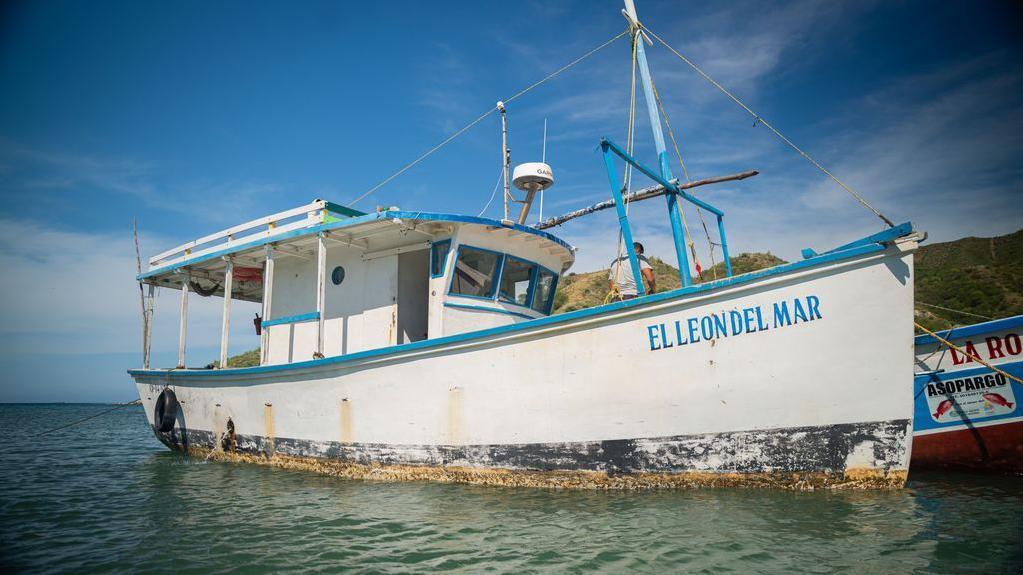
A U.S. lawyer representing some of Mr. Carranza's family, Daniel Kovalik, who also works for President Petro, states that Mr. Carranza's wife and older daughter recognized his boat from U.S.-released footage of the strike. Kovalik plans to sue the U.S. government on behalf of the family. International law prohibits the military from killing civilians unless they pose an imminent threat of violence, even if engaged in criminal activity.
"Even if you claim that the people you're killing are trafficking drugs, you don't have the right to just engage in extrajudicial killings," Kovalik said. "They're tiny boats... If you really believe they were doing something wrong, those people should be arrested, tried in a court of law, convicted, and sentenced."
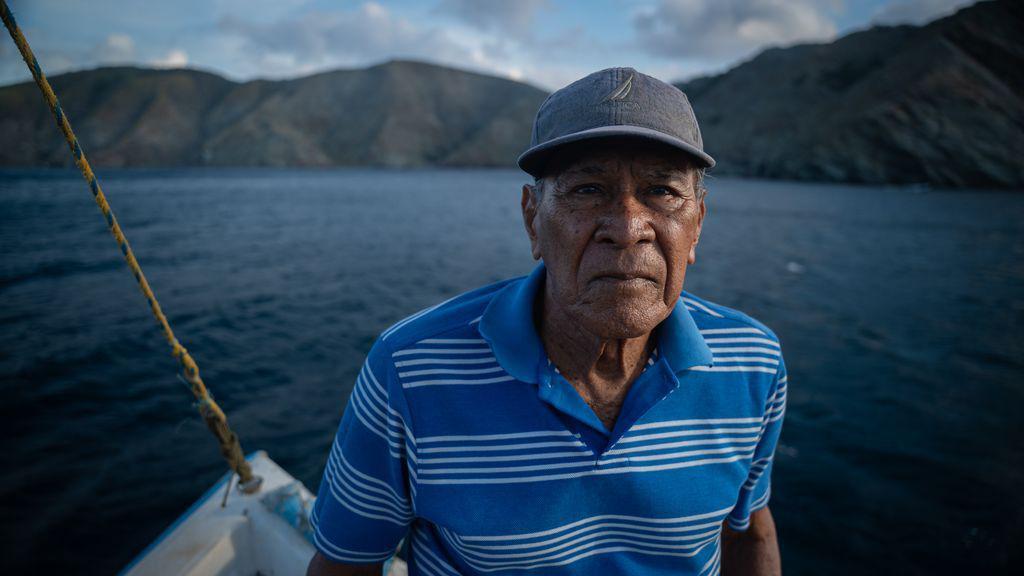
Back in Taganga, the strikes have created anxiety among local fishermen like 81-year-old Juan Assis Tejeda, who has spent 70 years fishing these waters. He describes seeing drones flying over them while out at sea, which "hover quietly, come back again, and disappear." Though he has never been involved in drug trafficking, he fears the U.S. might mistake him for a trafficker. Some fishermen do get involved due to poverty, but Tejeda prefers to live peacefully with the little money he earns rather than take risks.
Many in the region believe the U.S. strikes are not solely about targeting small, alleged drug-trafficking boats but also about applying military pressure on Venezuela's president, Nicolás Maduro. The U.S. accuses Maduro of leading a criminal organization called the Cartel de los Soles, a claim he strongly denies. The U.S. State Department plans to designate this group as a foreign terrorist organization, adding to speculation about potential strikes on Venezuelan soil.
As the U.S. considers its next move, the quiet fishing villages along the Caribbean coast wonder whether diplomacy or war lies ahead. Critics argue that the U.S. boat strikes constitute crimes against humanity, with former ICC prosecutors condemning the actions. The situation remains tense, with fishermen and families caught in the crossfire of a complex geopolitical conflict.

Post a Comment for "Family of Missing Colombian Seeks Answers After U.S. Strike on Suspected Drug Boat"
Post a Comment