
Family Reunited After a Decade – Trump's Crackdown Threatens to Tear Them Apart
A Family’s Struggle Under U.S. Immigration Policies

In a cozy waterside house in Lakeland, Florida, Marven shares a joyful moment with two women he deeply loves—his sister Rochelle and their biological mother, Guerline. Their laughter echoes as they celebrate his 16th birthday, a day filled with warmth and love. Yet, beneath the surface of this celebration lies an unspoken fear: the possibility of being separated again.
Also part of this family is Stacey Nageli Angulo, who adopted Marven when he was just three years old. She brought him to the U.S. from Haiti following the devastating earthquake in 2010. Since then, she has played a pivotal role in reuniting Marven with his mother and sister. Three years ago, she helped Guerline and Rochelle come to the U.S., where they now live under a program called Temporary Protected Status (TPS). This status allows individuals already in the U.S. from countries affected by war or natural disasters to stay legally. However, this protection is set to expire for 350,000 Haitians in February, as part of broader changes to U.S. immigration policies.
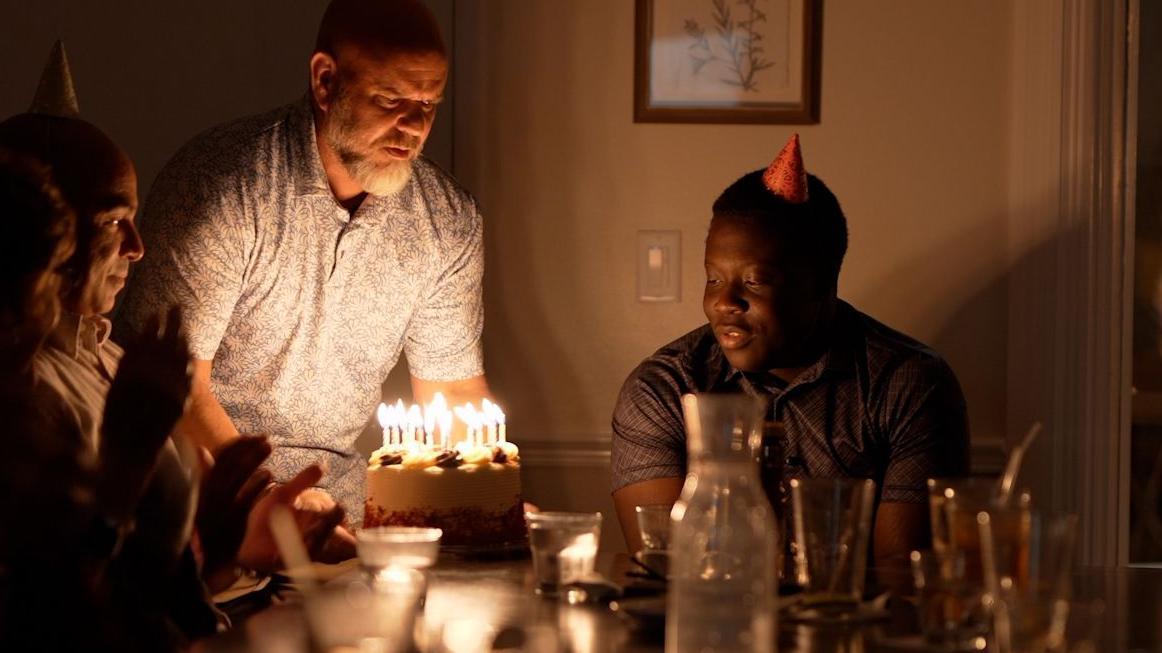
Rochelle, now 21, cheers as Marven blows out the candles on his birthday cake, but Guerline’s smile is tinged with worry. In just a few months, the two women could be forced to return to Haiti, a country that has become increasingly dangerous due to rising gang violence.
Guerline recalls the difficult decision to give up her son for adoption after the earthquake. “It scarred me,” she says, “but I wanted a better life for him.” Stacey, who previously worked in the corporate world, felt compelled to adopt a child from Haiti in the aftermath of the disaster. She raised Marven alongside her two biological children. More recently, she began exploring legal ways to bring Rochelle and Guerline to the U.S. When a humanitarian program opened in 2023, they applied immediately and were approved within weeks.
The two women initially lived in a caravan on Stacey’s property before moving into a local apartment. Guerline now works in a hotel, while Rochelle holds jobs at a supermarket and a nursery. Both are working toward brighter futures, with Rochelle dreaming of becoming a nurse. Marven often spends the night at their apartment, enjoying the Haitian food Guerline prepares. He describes his life as feeling more complete now that the family is together.

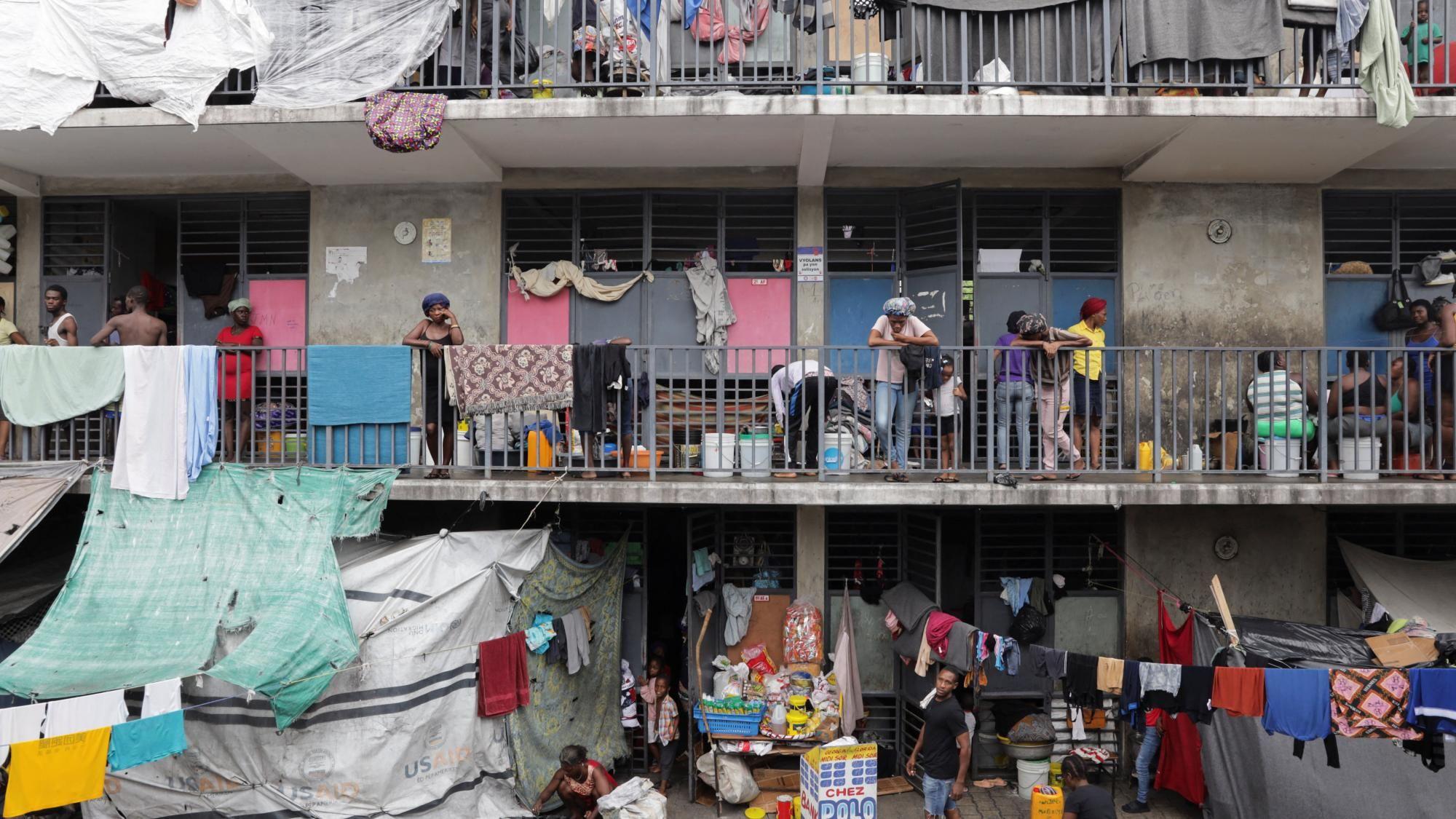
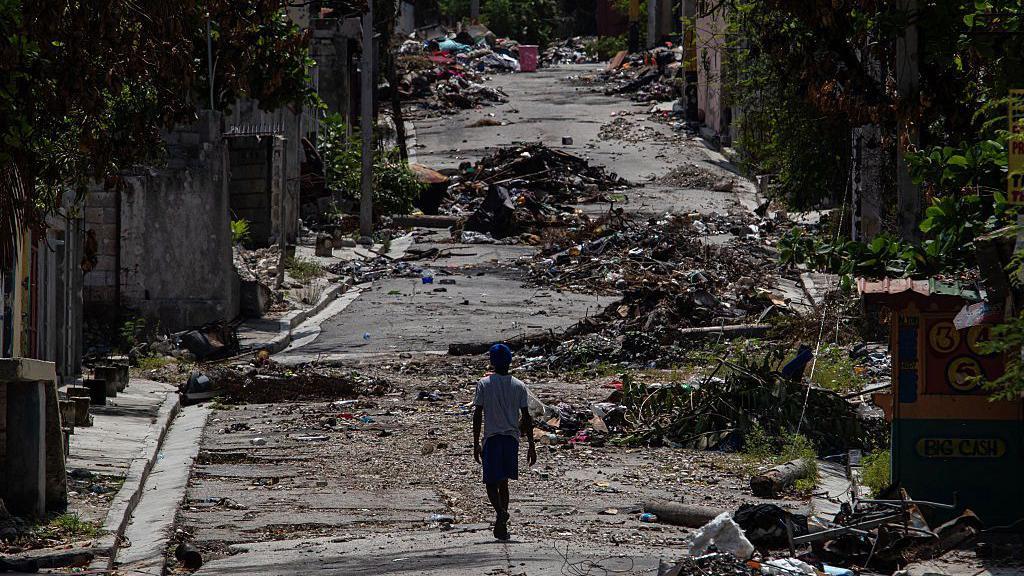
However, Rochelle and Guerline are terrified of returning to Haiti. The situation there has deteriorated significantly, with gang violence displacing a tenth of the population, according to the United Nations. Kidnappings, killings, and other crimes have surged, making daily life unsafe for many.
Rochelle recounts the fear she faced in Port-au-Prince, where she witnessed young girls being kidnapped. “They asked for ransom and never got them back,” she says. She receives disturbing videos from friends and relatives in Haiti, showing bodies being burned and gang shootouts. “There's gun fighting all the time. You can't really go out,” she adds.
Stacey, who once supported President Trump, is now horrified by the potential deportation of Rochelle and Guerline. “Do we want open borders? Absolutely not. Do we want criminals deported? Absolutely,” she says. “But to rip families apart like ours and deport people to countries where it's absolutely unsafe… is unthinkable and unconscionable.”
Despite repeated extensions of TPS since its introduction in 2010, the U.S. Department of Homeland Security (DHS) claims that conditions in Haiti have improved enough for citizens to return. However, the U.S. government still advises its citizens not to travel to Haiti due to kidnapping, crime, and civil unrest. DHS also argues that continuing TPS for Haitians is not in the U.S.’s interest, citing challenges in vetting migrants and obtaining information from Haitian law enforcement. A spokesperson for DHS stated that TPS had been abused and exploited.

Over a million people in the U.S. hold TPS, with individuals from 20 countries benefiting since 1990. This year, the U.S. has ended TPS for six countries, including Afghanistan, Cameroon, Honduras, Nepal, Nicaragua, and Venezuela. Legal challenges have delayed the end of TPS for Haitians, but many believe the policy will ultimately be enforced.
In Miami, another Haitian woman, Monique, faces the same uncertainty. She has lived in the U.S. for over 16 years and is the only one of her family members facing deportation. Her husband is a permanent resident, her daughter is a U.S. citizen, and her son has a green card application pending. Monique, who works as a bus driver, believes the U.S. should not send people back to Haiti, where she fears for her life. “Don’t send us to Haiti… just kill us,” she says.
In Florida, where 56% of voters supported Donald Trump, many Republicans express support for enforcing immigration laws but also concern about the human cost of current policies. Stacey feels the Republican Party is “completely out of touch” with its voter base on immigration. Meanwhile, local businessman Sam Romain, chair of Polk County Republicans, is less sympathetic. “You knew that it was temporary, you built your life on a temporary status and now… you're upset it's expiring. We knew what the rules were,” he says.
For Rochelle and Guerline, the future remains uncertain. “We were told America is the land of freedom and safety,” Rochelle says. “Now I don't know where we belong.” Marven adds, “I love my sister very much. I don't know what I'd do if anything happened to her.”
The three pose together for a photograph—mother, son, and daughter. But in a few months’ time, two of them could be gone.

Post a Comment for "Family Reunited After a Decade – Trump's Crackdown Threatens to Tear Them Apart"
Post a Comment