
Flight Cuts Alert: What Travelers Must Know Now
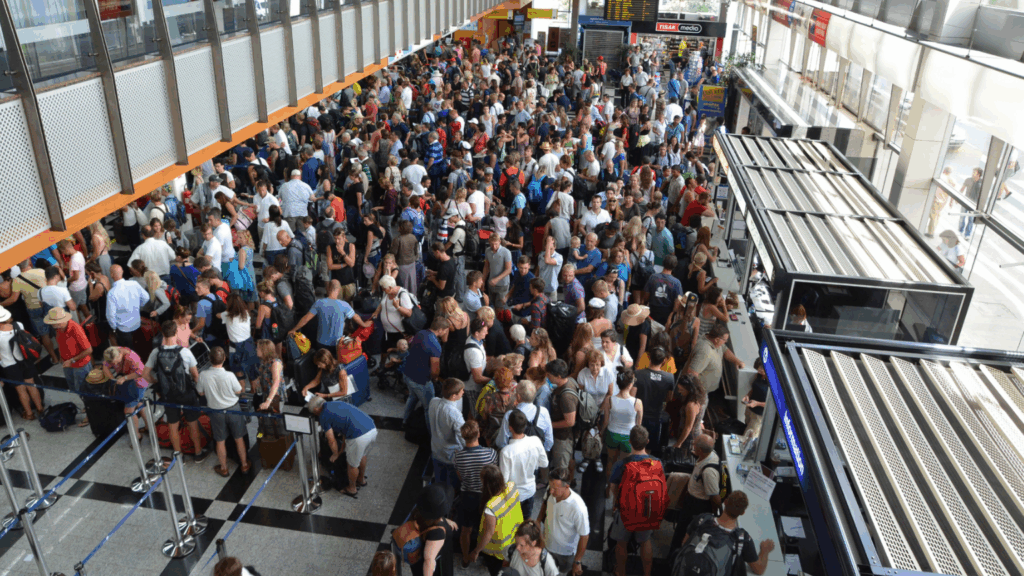
Air Travelers Face Uncertainty as Government Shutdown Impacts Flight Operations
Air travelers across the United States are experiencing a growing sense of uncertainty as the ongoing government shutdown leads to reduced flight operations at major airports. Airlines have already canceled hundreds of flights, and more reductions are expected if the shutdown continues. Transportation Secretary Sean Duffy emphasized that his team is taking careful but firm action, citing rising safety concerns, increasing pressure on air traffic controllers, and data indicating that the system is moving in the wrong direction. While airlines claim they can rebook most passengers, many travelers heading into the busy holiday season are reconsidering their plans.
Flight Reductions Roll Out At Major Airports
Initially, officials planned for an immediate 10% reduction in capacity starting Friday. However, they opted to phase in the reductions gradually to avoid sudden disruptions. Duffy explained that this decision came after safety teams reviewed key indicators and determined that a gradual tightening of operations would better protect passengers and crews. The Federal Aviation Administration (FAA) is now limiting flight capacity at 40 major U.S. airports, forcing airlines to adjust their schedules while trying to maintain system stability. If staffing issues continue to worsen, Duffy warned that today’s 10% reduction could increase to 15% or even 20% in the coming weeks.
Safety Data Driving Tough Decisions
Duffy stressed that the flight cuts are not a political move but a direct response to troubling trends within the national airspace system. Reports of "loss of separation" events—measuring how closely aircraft fly to one another—have increased. Pilots have also raised concerns about controller stress and slower responses in the tower and radar rooms. Additionally, there has been a rise in runway incursions across the country. Together, these factors indicate mounting strain rather than improvement, prompting regulators to ease pressure on air traffic controllers before a serious incident occurs.
Airlines Cancel Hundreds Of Flights
By early Friday morning, over 800 flights within, into, or out of the United States had already been canceled, according to aviation tracking data. American Airlines plans to cut about 220 of its roughly 6,000 daily departures through the weekend, while United Airlines expects to cancel under 200 of its more than 5,000 daily flights during the same period. Delta Air Lines has announced approximately 170 daily cancellations. The major carriers say they are spreading reductions across their networks to limit the impact on smaller markets and ensure travelers still have options to reach their destinations.
Most Passengers Can Be Rebooked, But Expect Frustration
Despite the cancellations, airlines insist that most affected customers will be able to secure alternate flights. United reported that roughly half of its impacted passengers were rebooked within four hours of their original departure time. Executives compare the weekend's disruptions to a mid-sized weather event rather than a total breakdown of the system. Even so, travelers should expect longer lines, schedule shuffles, and tighter availability on popular routes as airlines juggle planes, crews, and airport slot limits in real time.
International Flights Remain Largely Protected
One key decision from federal officials is to avoid cutting international routes. Duffy said grounding or limiting overseas flights would violate international aviation agreements and could trigger retaliation from partner countries. This backlash could lead to long-term restrictions on U.S. carriers abroad, harming both travelers and the broader aviation industry. To prevent that scenario, the FAA's reductions are focused primarily on domestic schedules, keeping cross-border flights operating while the shutdown continues.
The White House Is Briefed, But Duffy Pushes For A Fix
Duffy stated he has spoken directly with President Donald Trump about the reduction plan and emphasized that the administration is fully informed of the safety team's recommendations. While stressing that safety guides every decision, Duffy also framed the solution in blunt terms. The fastest way to stabilize the system, he argued, is to reopen the government and restore full staffing and pay for air traffic controllers and other critical personnel. Until that happens, federal agencies will keep adjusting flight capacity to reduce risk, even if it means more cancellations.
Real Travelers, Real Plans Disrupted
Behind the numbers are travelers watching long-planned trips fall apart. In Wisconsin, Caitlin Ladner had arranged a surprise visit to see her parents in Raleigh with her sister, only to receive a cancellation notice from United. Although she was offered a chance to reschedule, the uncertainty around the shutdown led her to cancel her trip entirely. At Reagan National Airport outside Washington, D.C., Florida traveler Frederick Ross said the growing possibility of last-minute cancellations has him rethinking his holiday flights and considering a family road trip instead. Across terminals nationwide, passengers are refreshing apps, lining up at service desks, and trying to get home or away before further cuts take hold.
FAA Order Targets 40 High Impact Airports
Under an emergency order issued Thursday, airlines operating at 40 major "high impact" airports must scale back flights by 6% by November 11 and 10% by November 14. Carriers that exceed those limits face fines of $75,000 per flight over the cap. The order is designed to ease pressure on overloaded control centers and towers where staffing shortages have become critical. Officials say that strategically reducing departures at the busiest hubs should help controllers manage traffic more safely, even as the shutdown stretches past the one-month mark.
Mounting Strain On Air Traffic Controllers
Air traffic controllers are at the center of the crisis. They are required to work without pay for the duration of the shutdown, a situation that has led to financial strain, low morale, and rising burnout. In recent weeks, scattered delays and cancellations have been linked to short staffing, and a surge in callouts last weekend pushed some facilities to the brink. At one point, officials reported that about 80% of controllers in the New York City area were absent, forcing widespread slowdowns. Veterans of the industry note that controllers played a key role in ending the 2019 shutdown, when similar staffing stress spilled over into major delays and public pressure.
What Travelers Should Expect Next
For now, airlines and federal officials say they believe there are enough seats in the system to prevent all-out chaos, especially since this is not peak summer or a holiday week. Still, passengers should prepare for a travel environment that feels like an ongoing weather disruption: rolling cancellations, rebooked itineraries, and crowded remaining flights. The impact could deepen if the shutdown continues, flight reductions increase, or key facilities become too understaffed to operate safely. Until the political stalemate ends, every trip will require extra flexibility, a backup plan, and close attention to airline updates.

Post a Comment for "Flight Cuts Alert: What Travelers Must Know Now"
Post a Comment