
Germany's Hidden War Strategy Against Russia
The Evolution of Military Strategy in Germany
A dozen senior German officers met at a triangle-shaped military compound in Berlin about 2½ years ago to develop a secret plan for a potential war with Russia. Now, they are working to implement it. The 2022 full-scale invasion of Ukraine ended decades of stability in Europe, leading to the fastest military buildup since the end of World War II. However, the success of a future conflict will not only depend on the number of troops and weapons but also on the logistical operations at the heart of Operation Plan Germany.
This classified document, spanning 1,200 pages, outlines how up to 800,000 German, U.S., and other NATO troops would be transported eastward toward the front line. It maps the ports, rivers, railways, and roads they would use, along with how they would be supplied and protected during transit. Tim Stuchtey, head of the nonpartisan Brandenburg Institute for Society and Security, emphasized that due to the Alps forming a natural barrier, NATO troops would have to cross Germany in case of a clash with Russia.
The plan represents an “all-of-society” approach to war, blurring the lines between civilian and military realms. This mindset reflects a return to Cold-War-era strategies but updated to address new challenges such as Germany’s aging infrastructure, inadequate legislation, and a smaller military. German officials believe Russia could attack NATO in 2029, but recent incidents like spying, sabotage, and airspace intrusions suggest it might be preparing sooner.
Analysts think a possible armistice in Ukraine could free up time and resources for Russia to prepare an attack on NATO members in Europe. If successful, the planners believe this effort can ensure victory and make war less likely by making it clear to enemies that an attack would not succeed.
Logistical Challenges and Innovations
The magnitude of the shift required was evident in the autumn when defense contractor Rheinmetall set up an overnight field camp for 500 soldiers, complete with dormitories, shower cabins, gas stations, a field kitchen, drone surveillance, and armed guards. The operation was built in 14 days and dismantled in seven. Marc Lemmermann, head of sales at Rheinmetall’s logistics business, described it as building a small town from nothing and dismantling it quickly.
Rheinmetall recently signed a €260 million deal to resupply German and NATO troops, part of the military’s efforts to incorporate more private sector involvement. However, the operation exposed flaws, such as land that couldn’t accommodate all vehicles and noncontiguous plots forcing soldiers to be bused around. A previous drill highlighted the need for a new traffic light to ease gridlock during military convoys.
Such lessons are continuously incorporated into OPLAN and its annexes. The document, housed on the military’s air-gapped “red network,” is now in its second iteration.
Obstacles and Intangible Challenges
Some of the biggest obstacles facing Germany’s military planners are intangible: ponderous procurement rules, onerous data protection laws, and other regulations from a more peaceful era. Executing the plan requires rewiring mentalities and erasing almost a generation’s worth of habits. Nils Schmid, deputy defense minister, said, “We must relearn what we unlearnt.”
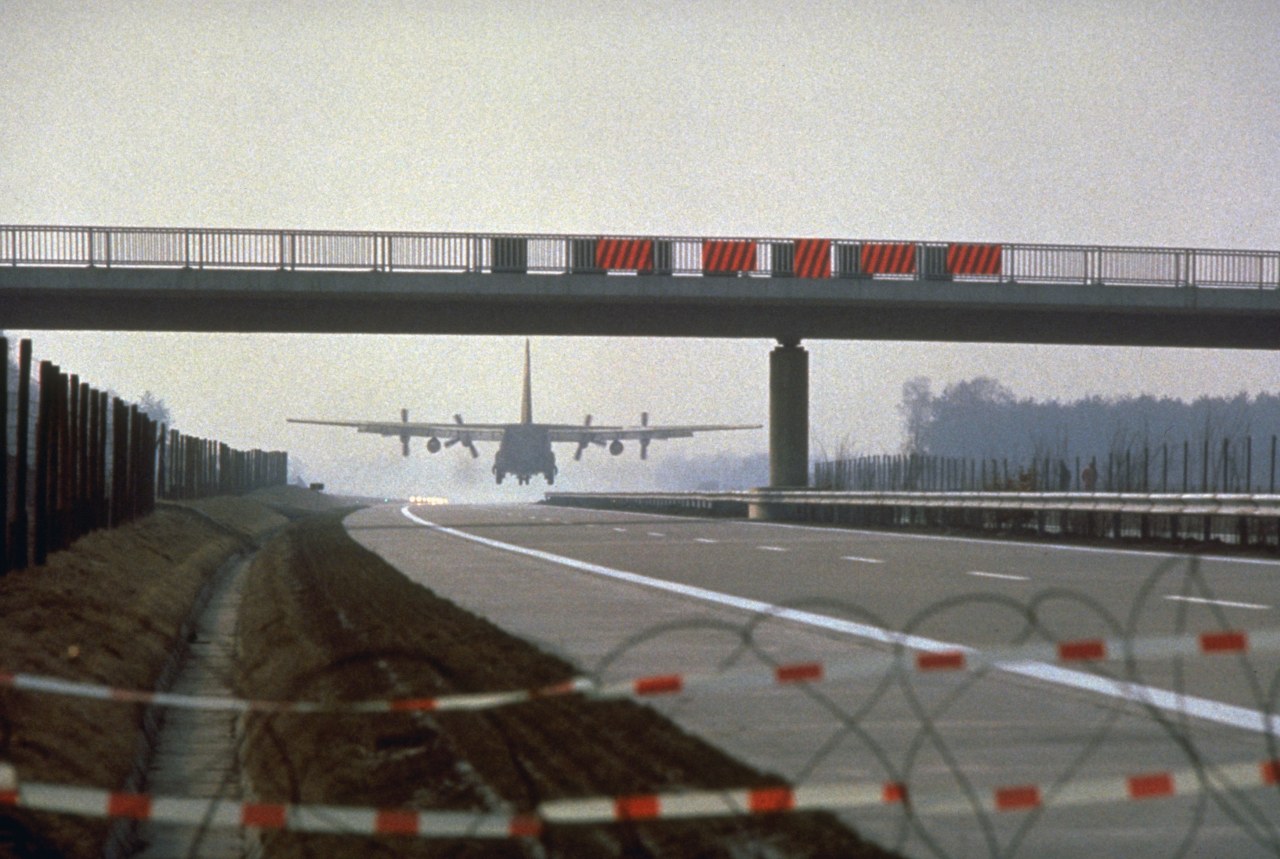
A troubling accident occurred on the A44 federal highway between Steinhausen and Brenken, where sections were built during the Cold War for emergency landing strips. These dual-use infrastructures were once standard, but many are now unusable due to underinvestment. Berlin estimates 20% of highways and over a quarter of highway bridges need repairs. Germany’s North Sea and Baltic Sea harbors require €15 billion in work, including €3 billion for dual-use upgrades.
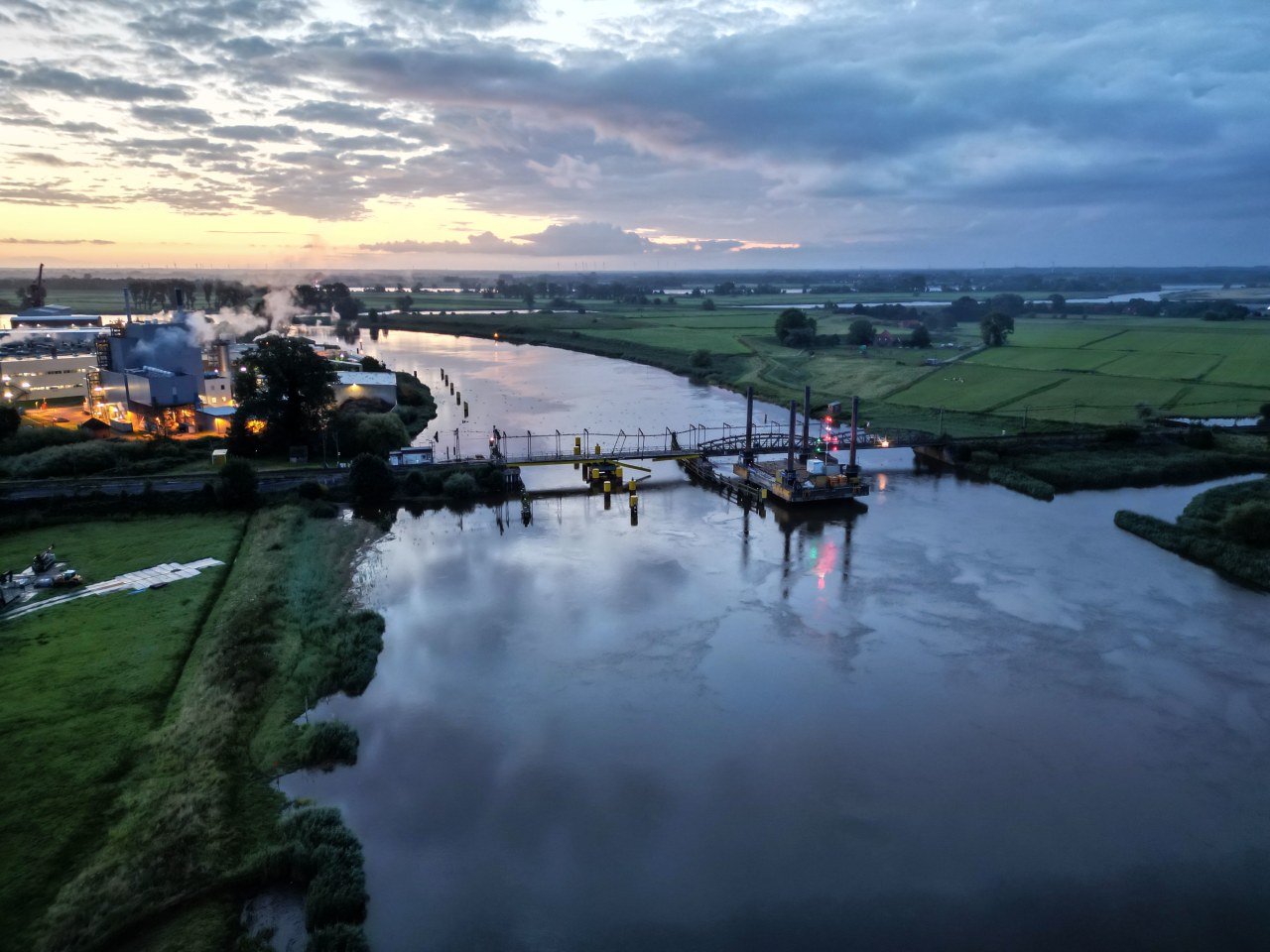
Jannik Hartmann, associate fellow at the NATO defense college, noted that such patchiness limits military movement in case of war. A recent incident involving a Dutch cargo ship ramming a railway bridge highlights the problem. Though no foul play was found, the incident disrupted ammunition supplies and forced the U.S. military to move shipments to a Polish port.
Infrastructure Investment and Resilience
In the short term, improving resilience means maximizing existing road and rail networks. Longer term, Berlin aims to spend €166 billion by 2029 on infrastructure, including over €100 billion for neglected railways and prioritizing dual-use infrastructure.
Adapting to New Threats
The yearslong effort to make Germany war-ready began after Russia’s 2022 invasion of Ukraine, when Chancellor Olaf Scholz unveiled a €100 billion rearmament fund. Later that year, the German military created a Territorial Command to lead homeland operations, tasked with drafting OPLAN.
In a war with Russia, Germany would serve as a staging ground rather than a front line. The military would need to collaborate with the private sector and civilian organizations on an unprecedented scale.
By March of last year, drawing on feedback from various ministries, agencies, and local authorities, Bodemann’s team completed the plan’s first iteration. The time had come to put it in action.
While the new Merz government focused on a €500 billion defense spending plan and a return to conscription, the bundeswehr worked under the radar, briefing hospitals, police, and disaster relief agencies, striking agreements with states and the autobahn operator, and drawing transit routes for military convoys.
In late September, a military exercise called Red Storm Bravo took place in Hamburg to rehearse cooperation between the bundeswehr and the police, firefighters, and civil protection units. The scenario involved 500 NATO troops forming a convoy of 65 vehicles heading eastward through the city. However, things began to go off-script, revealing the challenges of real-world implementation.
Sabotage and Legal Hurdles
The inadequacies of peacetime legislation have made it harder for Germany to protect itself against sabotage, one of the biggest threats facing OPLAN. Recent attacks on the railway system, including arson and vandalized cables, highlight the risks. In October, a man was jailed for planning to sabotage military installations and railway infrastructure on behalf of Russia.
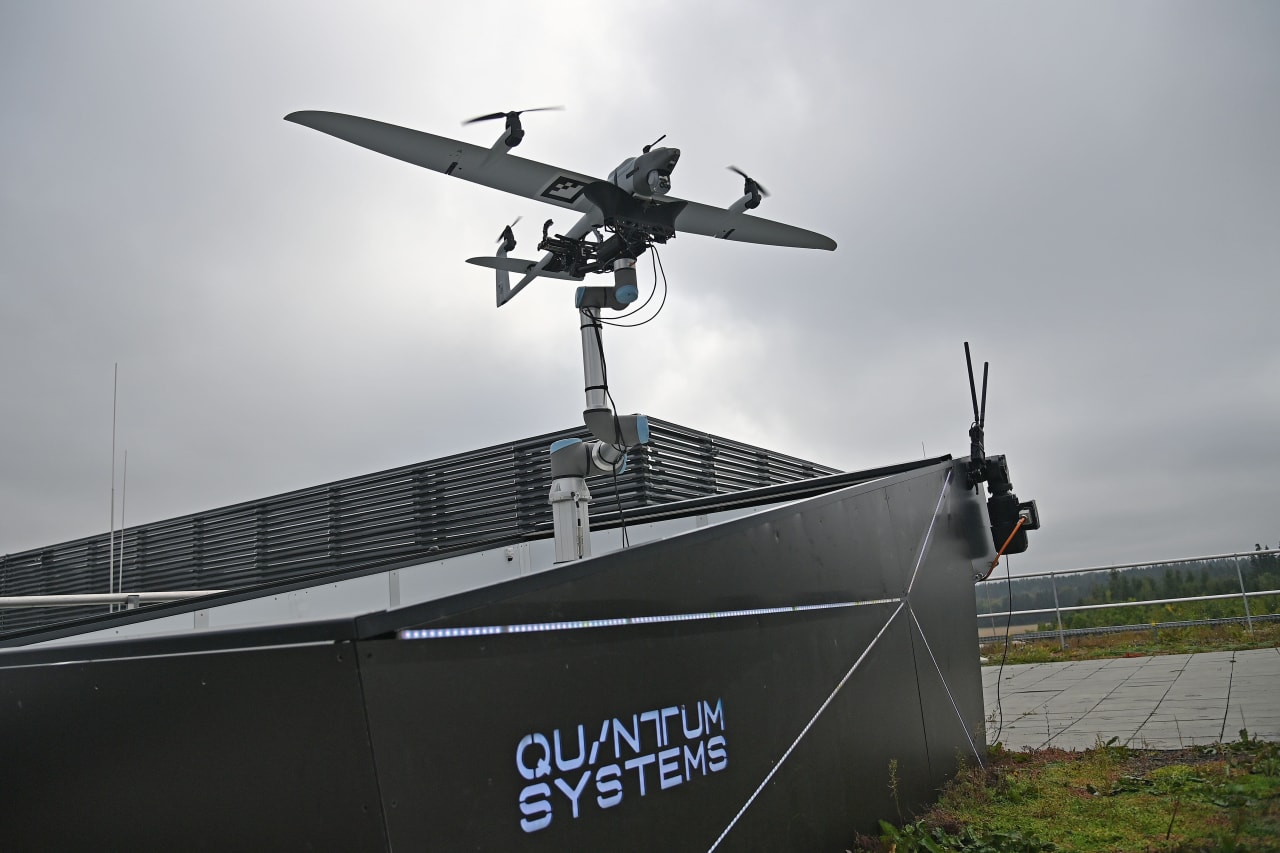
Germany’s domestic intelligence agencies conducted nearly 10,000 employee background checks for critical infrastructure operators last year alone. Paul Strobel, head of public affairs for Quantum Systems, noted that antiquated legislation restricts the use of drones over built-up areas and requires position lights, which defeats their purpose in a military setting.
Despite these challenges, the bundeswehr remains optimistic. “Considering that we started with a blank page in early 2023, we are very happy with where we are today,” said the officer and OPLAN co-author. However, as recent stress tests showed, there is still work to do for the plan and reality to align.

Post a Comment for "Germany's Hidden War Strategy Against Russia"
Post a Comment