
How the NTSB is Stopping Bridge Disasters Before They Happen
The Francis Scott Key Bridge Collapse: A Warning for the Nation
The collapse of the Francis Scott Key Bridge in Baltimore could become a recurring issue across the United States if critical safety recommendations are not followed, according to the National Transportation Safety Board (NTSB). On Tuesday, the NTSB issued 17 safety recommendations aimed at preventing similar accidents, following the tragic incident last year when the 213-million-pound cargo vessel Dali lost power and struck a pillar of the bridge, causing it to collapse.
The Dali, operated by Synergy Marine, experienced a loss of engine and electrical power as it was leaving the port. This led to a catastrophic collision that resulted in six fatalities. In response, the NTSB has urged Synergy Marine to implement several measures, including the use of thermal imaging to detect loose wires on other vessels, ensuring the correct pumps are used, and preventing engines from automatically shutting down in such situations.
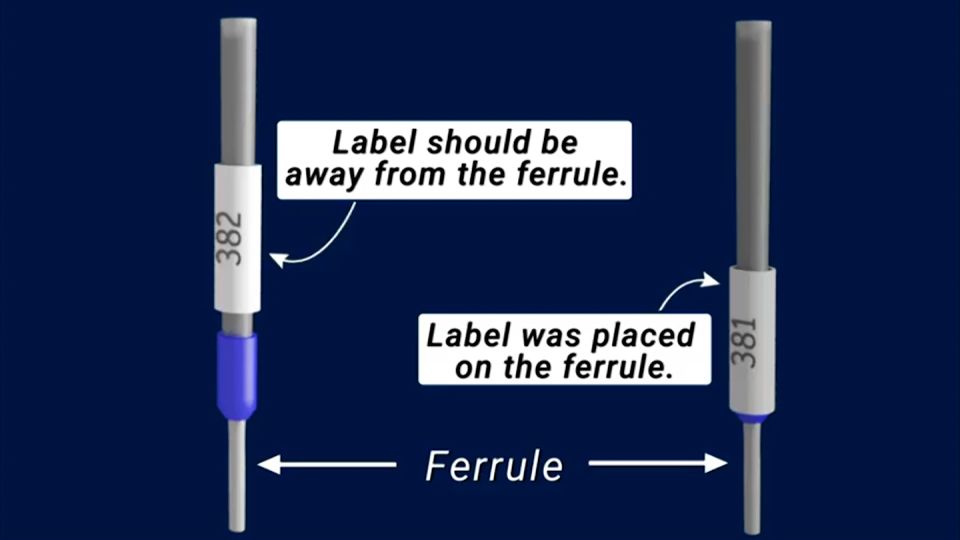
Other recommendations include new rules for wire labeling, a warning system for drivers crossing bridges during emergencies, and improved data recording systems on ships to capture essential information in case of a crash.
"In order to see safety change, we need our recommendations implemented," said NTSB chairwoman Jennifer Homendy, addressing reporters after a nearly five-hour public meeting. "That’s the next step. We’ve issued the safety recommendations now we need to make sure that they’re implemented, and so we will work diligently."
Understanding the Cause of the Disaster
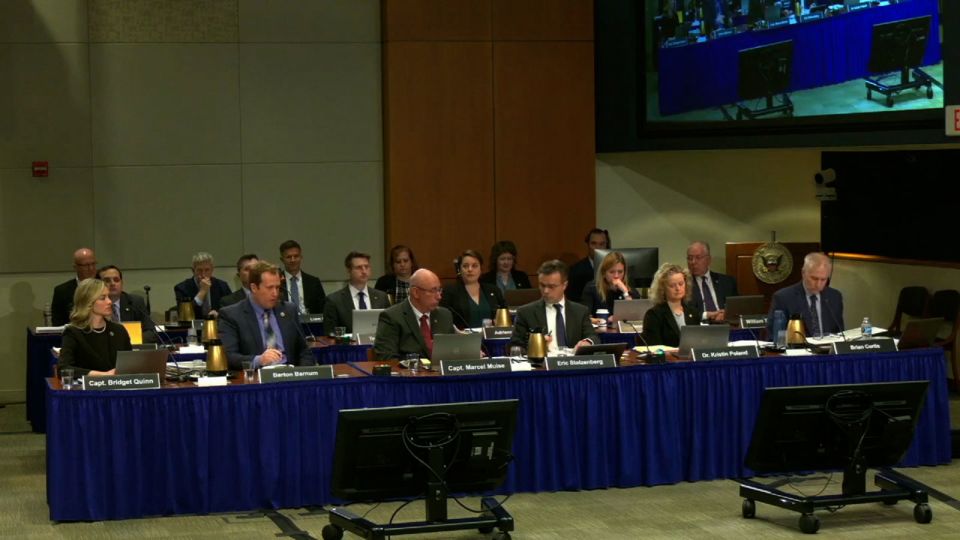
The NTSB held a public meeting on Tuesday to determine the probable cause of the Dali's collision with the Francis Scott Key Bridge and its subsequent collapse. The 984-foot-long vessel, which operated in the container liner trade, was carrying cargo between Asia and the US East Coast. The bridge, owned and operated by the Maryland Transportation Authority, opened to traffic on March 23, 1977.
Despite being rated satisfactory in its last inspection in 2024, the bridge had nearly 30 times the acceptable level of risk for critical bridge collapse if hit, according to guidance from the American Association of State Highway and Transportation Officials. However, this risk was never evaluated before the collapse because the Maryland Transportation Authority did not conduct such an assessment.
The MDTA stated that the blame for the bridge collapse lies solely with the ship, asserting that the Key Bridge met all federal requirements and was approved for use.
Synergy Marine expressed gratitude to the NTSB for its professionalism and technical rigor during the investigation, stating that it and Grace Ocean Investment Limited, the ship's owner, have fully cooperated with the board.
"We note the Board’s findings, including its observations regarding the vulnerability of the Key Bridge’s main support pier, as well as the comments relating to aspects of the vessel’s electrical arrangements. These matters will be reviewed in detail with our technical teams, the vessel owner and counsel," the statement said.
Broader Implications and Risk Assessments
In addition to the Dali incident, the NTSB has recommended risk assessments for 68 other bridges in 19 states, including the Golden Gate Bridge in California, several bridges in New York City, and others in Pennsylvania, Florida, and Michigan. These bridges, built before 1991, lack current vulnerability assessments.
Despite these recommendations, Homendy noted that some of these bridges still have not been evaluated for the risk of collapse if a ship like the Dali were to hit them.
The Role of a Single Loose Wire
The NTSB identified a single loose wire as a key factor in the power outage that led to the crash. During the ship’s construction, a label was incorrectly placed on a signal wire, preventing it from making a proper connection in a circuit breaker. This ultimately caused the first blackout.
According to Marcel Muse, the NTSB’s investigator in charge, the Dali lost steering, the ability to operate the bow thruster, key water pumps, and most of the vessel’s lighting and equipment essential for operations. The first outage lasted 58 seconds.
"There are thousands of wires on the Dali, and one loose wire would not have been easily found by the crew," Homendy said. "Locating a single wire that is loose among thousands of wires is like looking for a loose bolt in the Eiffel Tower."
Challenges in Extracting Data
Investigators faced significant challenges in extracting information from the vessel’s recorders, similar to airplane black boxes. Voyage data recorders (VDRs) are designed to continuously record navigational and location data, radar images, basic engine operations, alarm status, bridge audio recordings, and VHF radio communications.
However, Sean Payne, an investigator in the NTSB’s vehicle recorder division, highlighted several issues that made it difficult to extract and use the data efficiently. These included unrecorded data during the vessel’s first blackout, the lack of communication recording between the bridge and engine room, digitally destructive mixing of recorded bridge audio channels, inadequate VDR playback software, and complex workflows for processing proprietary VDR data.
Final Report and Future Steps
The final report on the incident will be revised and issued in several weeks, with the 17 recommendations formally issued and finalized by the NTSB. Homendy emphasized the importance of their voice in advocating for safety improvements, even without enforcement power.
"We have a really big voice, and we’re not afraid to use it," she said. "While we don’t have enforcement power, certainly, we have had a lot of success with voluntary adoption of our recommendations. We’re usually at an 83% closure rate."

Post a Comment for "How the NTSB is Stopping Bridge Disasters Before They Happen"
Post a Comment