
Kia Soul Issues: Top and Bottom Generations to Avoid or Choose
Kia Soul Overview
First Generation: The AM (2010–2013)

The original Kia Soul made its debut at the 2008 Paris Motor Show. Its boxy design was inspired by a sketch doodle by Mike Torpey in 2005, aiming to represent a boar wearing a backpack. The Soul was positioned as a compact car with an affordable price point for young people. Kia wasn't the first brand to attempt this style, with Toyota's Scion Xb preceding it. The Soul emphasized space optimization, featuring a folding rear bench that could be adjusted for different needs.
Kia offered the first generation with various editions, paint colors, and vinyl wraps to maintain its youthful image. It was well-connected for its time, offering Bluetooth, iPod connectivity, a CD player, and Sirius Satellite Radio. Early models used either a 1.6 or 2.0-liter gas four-cylinder engine from the "Gamma" and "Beta" series, later replaced with updated "Gamma II" and "Nu" engines in 2012. The first-gen Soul reached a peak of 102,267 units sold in 2011.
Second Generation: The PS (2013–2019)
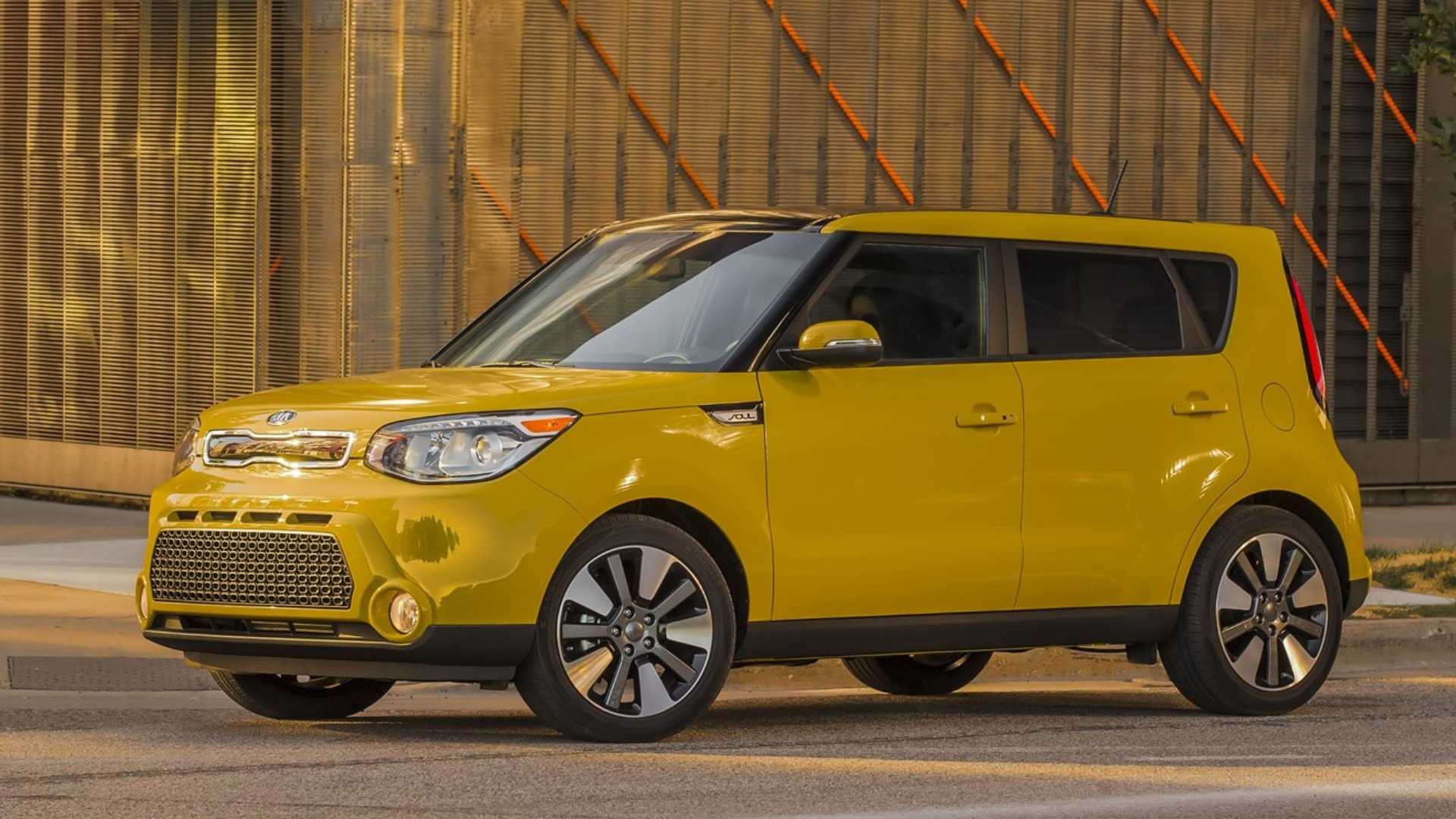
Following the success of the first generation, the second-generation Soul was unveiled at the 2013 New York and Frankfurt auto shows. It featured the iconic floating trim piece on the rear hatch and continued to be a practical, affordable option. It carried over the 1.6-liter Gamma GDi and 2.0-liter Nu GDi engines, paired with a six-speed manual or automatic transmission. For cost efficiency, Kia based the Soul on the European market second-generation Kia Cee'd. A 2017 facelift introduced a 1.6-liter turbocharged Gamma engine and a seven-speed dual-clutch transmission. The EV version was short-lived, but the second-gen Soul remained popular among economy-conscious buyers.
Third Generation: The SK3 (2019–2025)
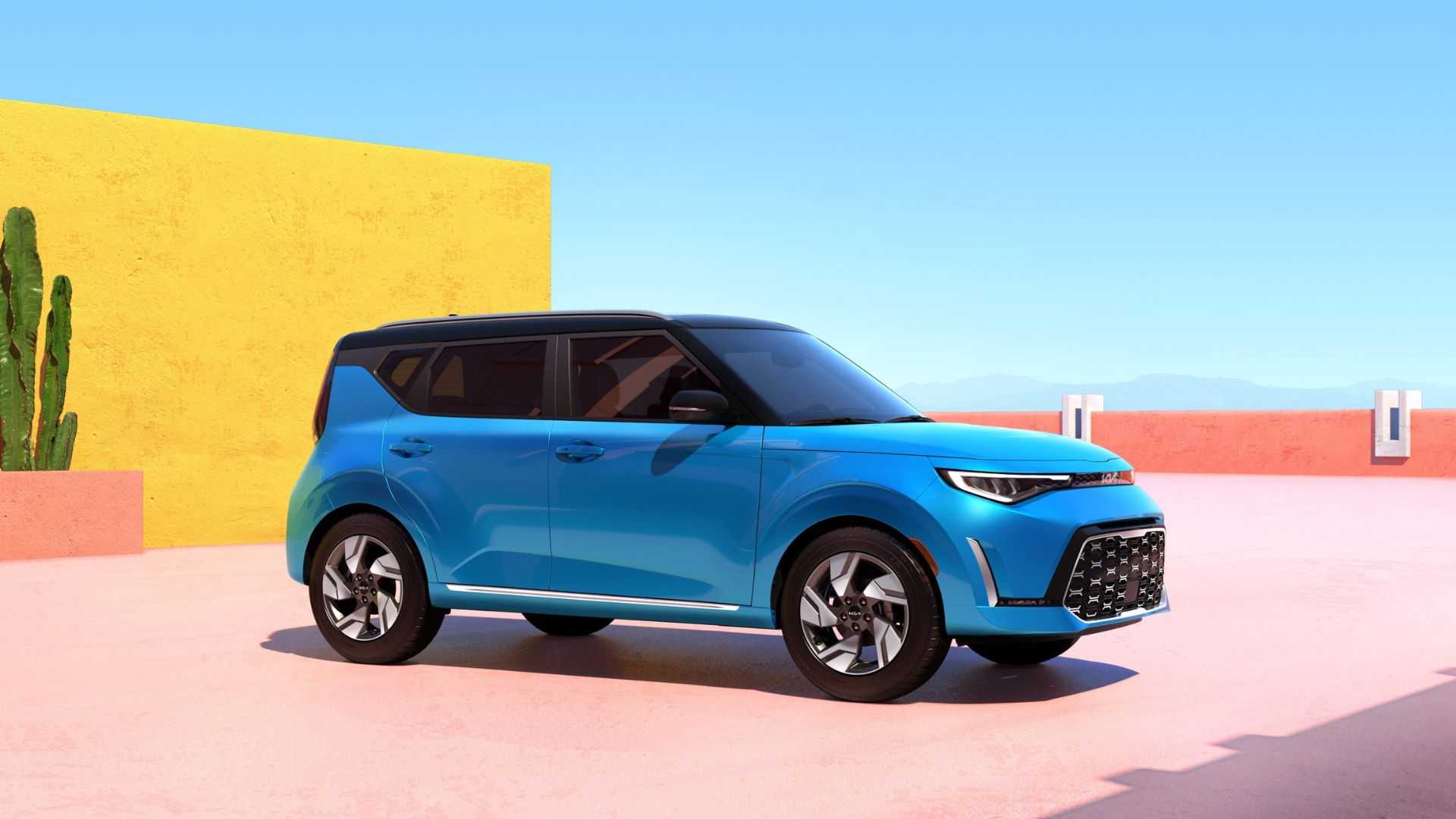
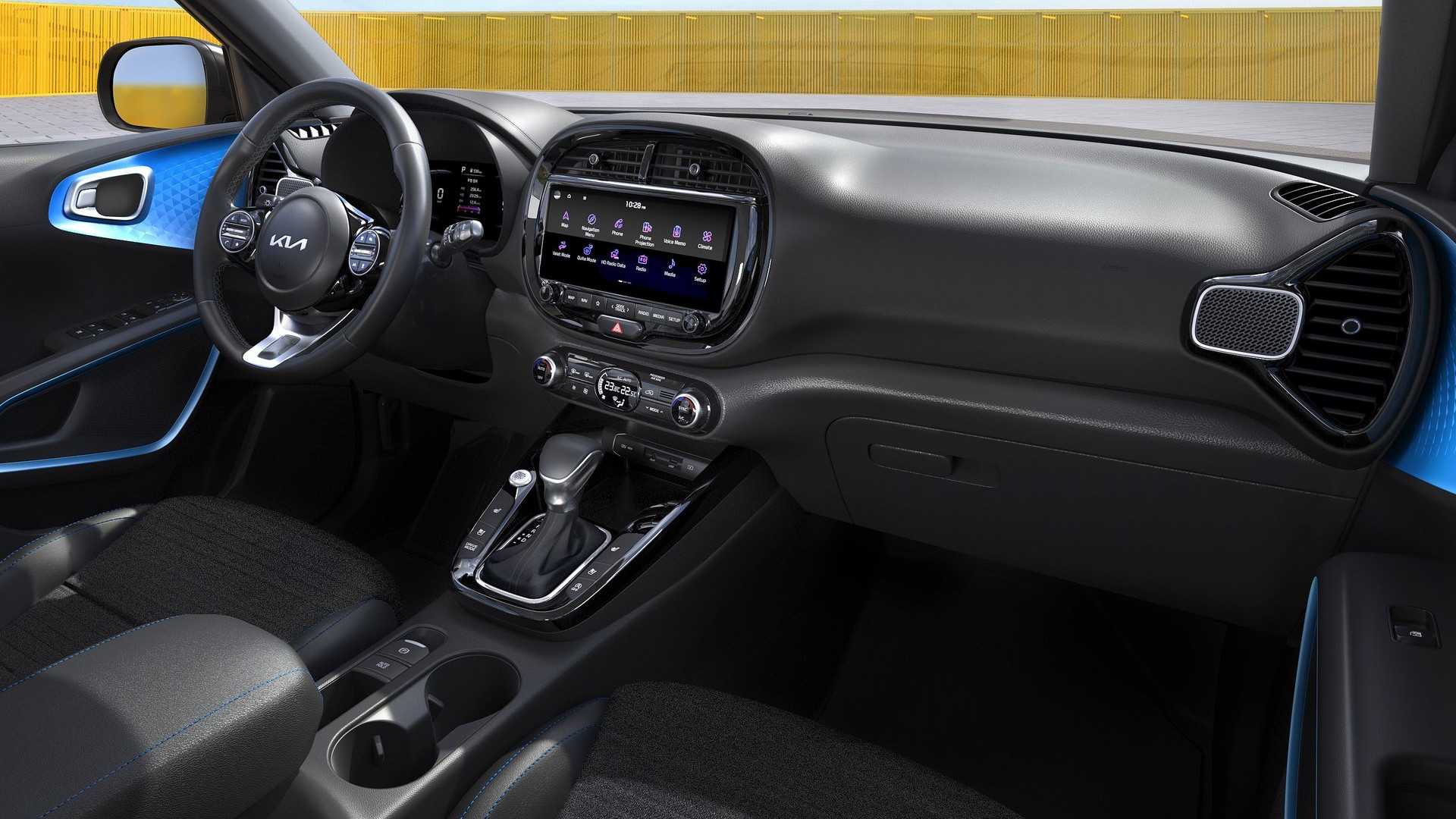
The final generation of the Kia Soul launched in 2019, based on the Hyundai Kona compact crossover. This shift aimed to reposition the Soul from a hatchback to a crossover, reflecting the growing popularity of crossovers. The third-gen Soul focused on space and device connectivity, maintaining its fan base. The EV version was dropped for the US market, with the 2.0 Nu naturally aspirated and 1.6 Gamma II T-GDi as options. In 2021, the 1.6 turbo was discontinued, leaving the 2.0 N/A engine paired with a CVT. A 2021 facelift added larger screens and new color options, but the Soul was eventually discontinued in 2025 due to poor sales.
Kia Soul Rivals
The Honda Element And Jeep Renegade
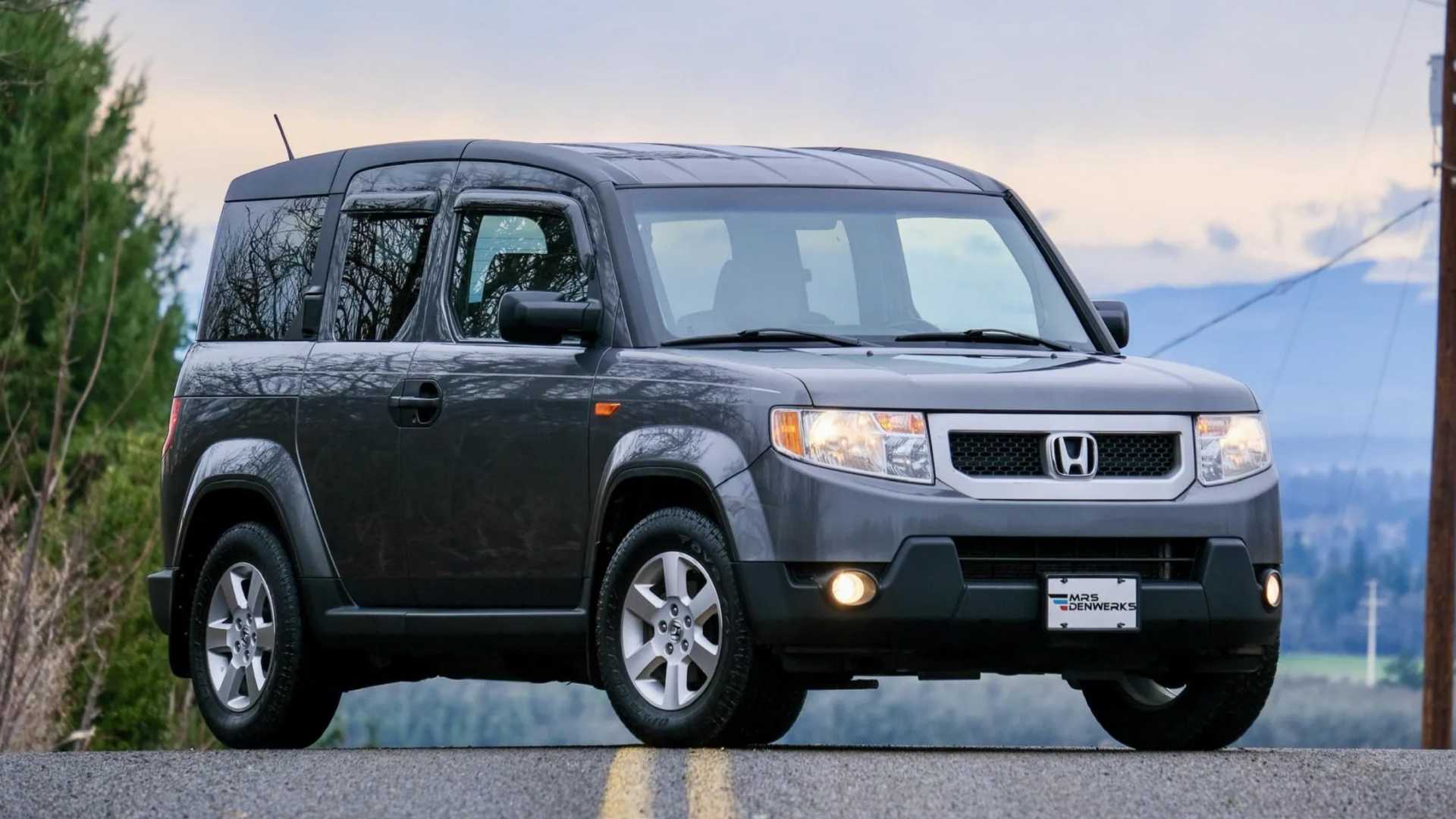
The main rivals in the boxy, affordable hatchback segment were the Honda Element and Jeep Renegade. Honda used smart packaging and reliability to maintain its reputation. The Jeep Renegade, with its rugged look, also had a cult following. Both models, like the Soul, faced challenges in profitability and were eventually discontinued. However, the Soul lasted longer than both the Element and Renegade.
Common Kia Soul Problems

As a mass-produced, affordable vehicle, the Kia Soul has encountered several common issues. These problems vary across generations and can affect performance and repair costs.
Blown Engines (Second Generation)
The second-generation 2016 Kia Souls with the 2.0-liter engine are known for excessive oil consumption leading to engine failure. This issue was linked to overheating exhausts, with some owners reporting needing expensive repairs around $7,000. One owner shared their experience of sudden engine failure despite recent oil changes.
CVT Transmission Failure (Third Generation)
Early third-generation Souls faced erratic revs, jerking, and complete transmission failure. While less common in post-2020 models, it remains a costly concern for affected owners.
Clunking When Turning (First And Second Generation)
First- and early second-generation Souls often experienced clunking sounds when turning, which could lead to steering column damage. Replacing the flex coupler typically resolved the issue, costing around $750–$1,000.
Theft Concerns (All Generations)
Kia models from 2011 to 2021 were known for being easy to steal, leading to the "Kia Boys Challenge" trend. While recalls have improved security, theft concerns remain a factor for potential buyers.
How Much Does It Cost To Maintain A Kia Soul?
Maintaining a Kia Soul is relatively affordable. Key figures include:
- Kia's brand reliability score: Four out of five stars (RepairPal)
- Average annual repair cost: $437 (RepairPal)
- Average 5-year repair cost: $2,300 (CarEdge)
- Chance of major repair: 22% (CarEdge)
Kia offers a limited basic warranty of five years or 60,000 miles and a powertrain warranty of 10 years or 100,000 miles, helping keep costs low unless facing catastrophic failures.
What Is The Worst Generation To Own And Is A Kia Soul Expensive To Own?
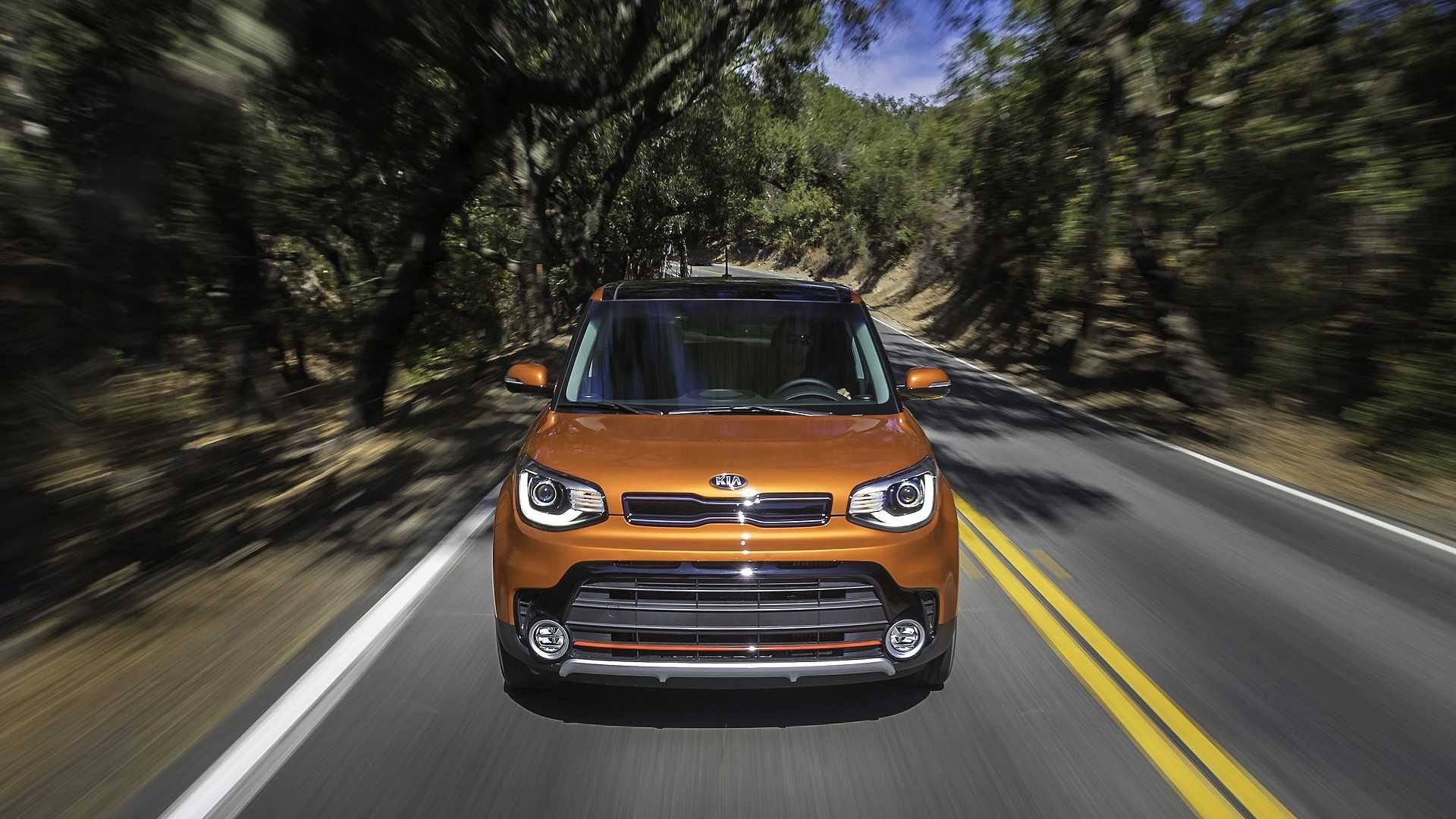
The worst generation to own is the second-generation 2014 or 2015 2.0 automatic model, known for blown engines, excessive oil consumption, and steering issues. While the third generation is more expensive to repair, the second generation faces the most severe mechanical problems.
What Is The Best Generation To Own?

The first generation, though older, has fewer complaints, making it a good choice if looking for a manual. The third generation without the CVT is also a reliable option.
Overall, the Kia Soul offers great value with room, economy, and unique styling. However, potential buyers should be aware of possible issues and maintenance costs.

Post a Comment for "Kia Soul Issues: Top and Bottom Generations to Avoid or Choose"
Post a Comment