
NASCAR's 2025 Championship Four Fiasco Could End the Format Forever
The Unfair Finish of the NASCAR Cup Series Championship
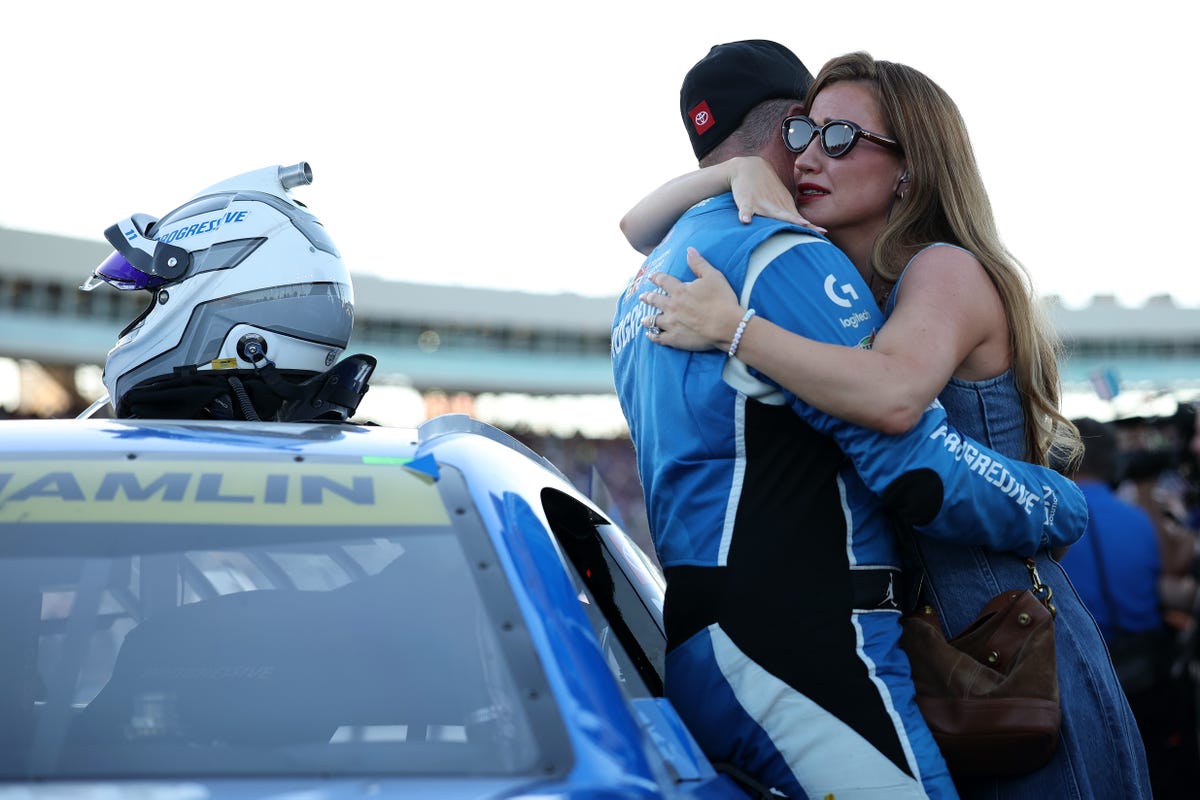
The theme of Sunday's NASCAR Cup Series Championship race at Phoenix was one of regret and apology. Kyle Larson, who unexpectedly won the title due to a series of bizarre events, expressed that "a large part of [him] feels really bad and sad" about how he secured the championship over Denny Hamlin, a driver who had been dominant throughout the season. His teammate William Byron, whose flat tire triggered the caution that allowed Larson to win, admitted it "sucks" that his crash played such a pivotal role in the outcome. Hamlin, visibly devastated, said, "In this moment," he "never [wants] to race a car again."
The guilt from Hendrick Motorsports teammates and Hamlin’s despair are not necessarily about whether Hamlin deserved the title over the course of the season, but rather about what happened on Sunday. In a normal format, Larson would have been a deserving champion, as one of about five drivers who performed exceptionally well throughout the year. However, the current format is designed to reward performance in the final moments of the season. Hamlin did just that by dominating the race, holding a three-second lead with five laps to go, which would have secured him the championship in a more fair setup.
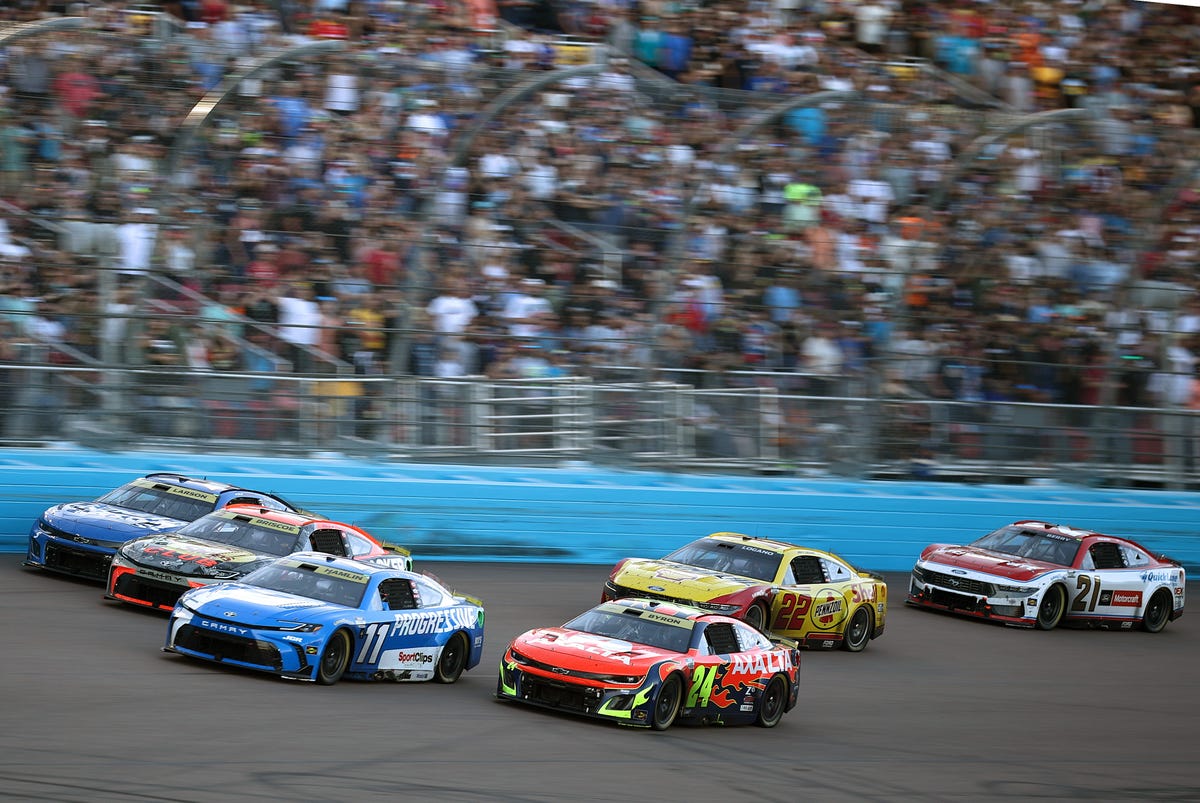
Instead, Hamlin’s lead was erased by a caution, leading to an overtime finish. Teams representing Toyota and General Motors stayed out of the way as Larson took two tires while Hamlin opted for four. This would have created a straightforward duel between the two. However, three Ford teams chose to fight for the win by taking two tires or not pitting at all, leaving Larson restarting sixth and Hamlin restarting two rows back. The championship ultimately came down to whose first corner of the restart was slowed by struggling Ford cars. As Larson sailed around the outside in turn 1, Hamlin found himself boxed in. Larson became the champion, and Hamlin remains the winningest driver without a championship in NASCAR Cup Series history.
The Flawed Championship Four Format
The biggest issue with the Championship Four format is that it often crowns champions who feel unearned, much like Larson’s victory on Sunday. As racing historian Elizabeth Blackstock noted in a column on Monday, this is a storytelling problem inherent in the format. Over a typical season, a championship battle usually comes down to one or three rivals who have closed in on each other after excelling in different areas throughout the year. A close title fight at the end feels like the culmination of all those storylines into one triumphant final battle.
The playoff format, however, fills the same four slots with equal contenders every year, opening the door for drivers like lower-level champions Matt Crafton and Daniel Hemric to win titles in seasons where they were mediocre. This issue has worsened over the past four years, as Ford teams focused their efforts on the finale at Phoenix Raceway. Lead Ford operators Team Penske, by design, focused almost entirely on getting into the Championship Four and winning that race. It was a brilliant, albeit somewhat shameless strategy, and it led to three straight titles for Joey Logano or Ryan Blaney. Last year, Logano won his third championship with by far the worst average finish of any Cup Series champion ever.
The Role of Strategy and Fairness
So long as these are the rules, this is a perfectly valid strategy. The plan by Ford teams to flood the top of the field with cars on two or no tires was also a smart move to achieve their goal of winning a race. Why should Ford care that this completely altered the championship result? Deciding a champion fairly and with some degree of seriousness is NASCAR’s job, not the job of any team, manufacturer, or driver.
Ultimately, NASCAR’s Championship Four problem is just the biggest symptom of a broader issue: a series-wide preference for chaos over competition. Double-file restarts, "overtime" finishes that guarantee every race with a late caution ends with a two-lap sprint, and frequent cautions combined with generous wave-around rules regularly create situations where a driver can leap from 30th to near the lead on the last restart simply by not pitting. This kind of situation is often called "manufactured drama," but it undermines the natural drama that sports build through fair competition.
These same problems appeared in the other two Championship Four races held this past weekend as well. Corey Heim excelled on a restart to turn his historic Truck Series season into a championship, but Connor Zilisch was not so lucky when Jesse Love pulled away in the closing laps to win a title from what would have otherwise been a distant, but respectable, second in almost any other format. Love deserves credit for a good season and a great final result, but that credit should come in the form of laudatory columns and blogs suggesting he could bring the momentum he showed on Saturday into a season-long title hunt next year. After Zilisch collected 10 trophies (albeit one with the help of a relief driver) over the year, Love does not deserve a championship for one great stint alone.
The Future of the Playoff Format
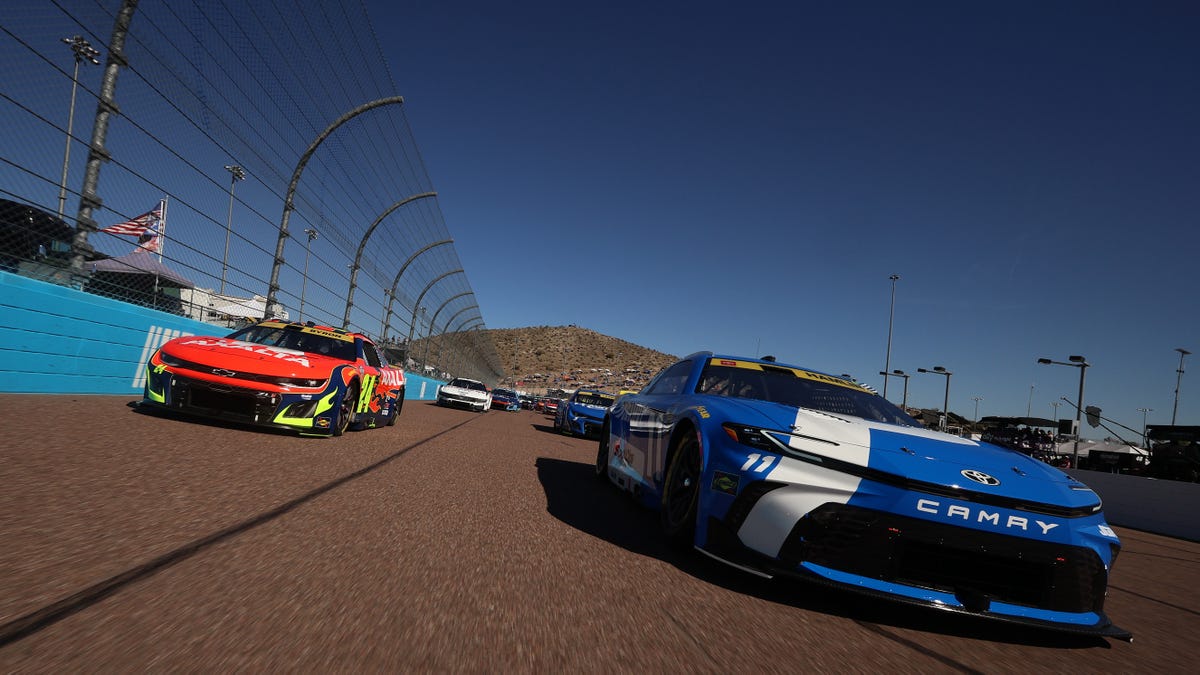
Thankfully, this weekend’s Championship Four finale weekend was probably the last for a very long time. NASCAR began exploring changes to its playoff format after Logano’s particularly middling 2024 championship season, and the resulting playoff committee is now reportedly expected to alter the format before next year’s season kicks off.
The next NASCAR format is unlikely to be perfect, but it should at least be an improvement. If the stock car sanctioning body can get back to naming champions in a way that is at least somewhat fair and representative, next year’s champion can hopefully celebrate a title without having to apologize to the driver most wronged by the format.

Post a Comment for "NASCAR's 2025 Championship Four Fiasco Could End the Format Forever"
Post a Comment