
Paris Agreement's Path to Slowing Warming Remains Unfulfilled
The Climate Challenge: A Decade of Progress and Setbacks
BELEM, Brazil (AP) — Over the past decade, the world has witnessed significant changes in the climate landscape. While leaders once celebrated a historic climate agreement in Paris, the reality of global warming has evolved in ways that were not anticipated or desired.
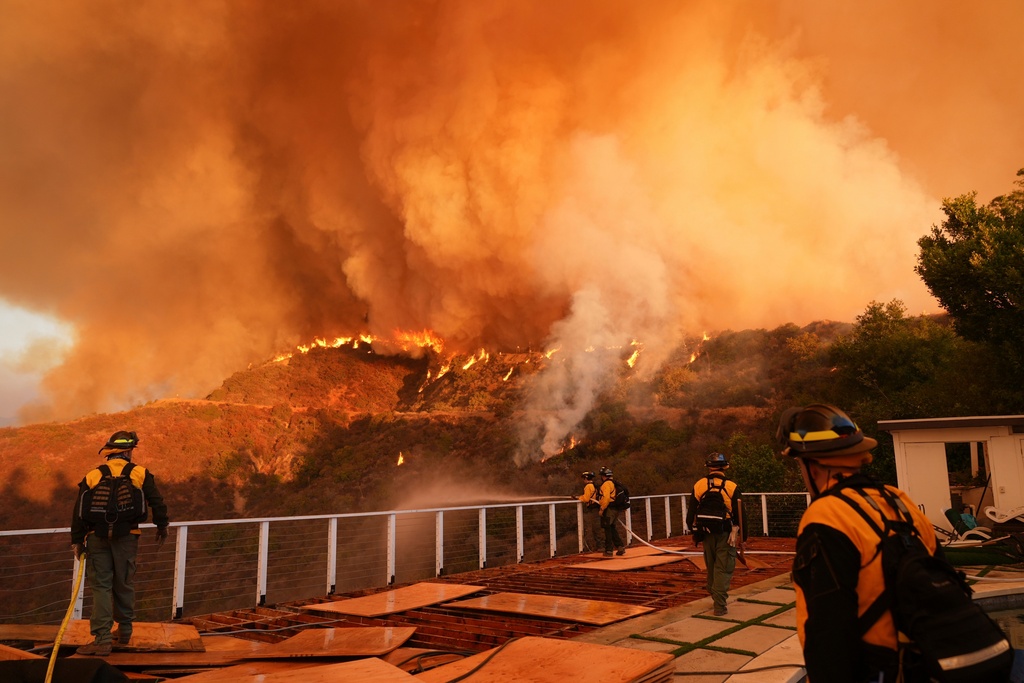
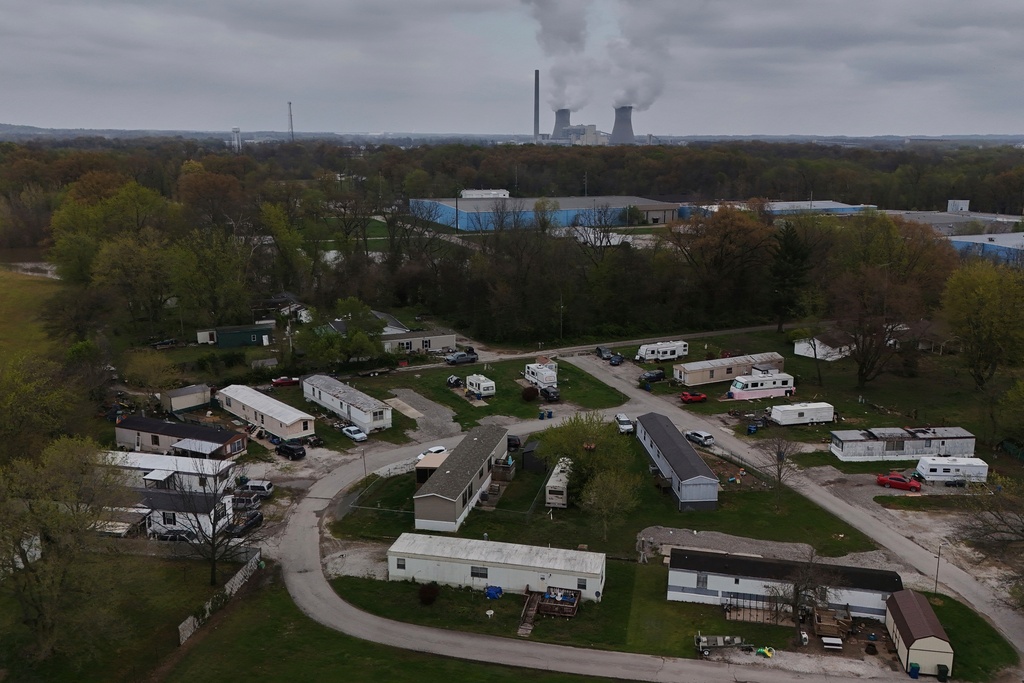
The Earth's climate has become more extreme, with warming occurring at a faster rate than society has managed to reduce its reliance on fossil fuels. Scientists and officials have noted that the emissions from burning coal, oil, and natural gas continue to contribute to global warming, despite efforts to mitigate their impact.
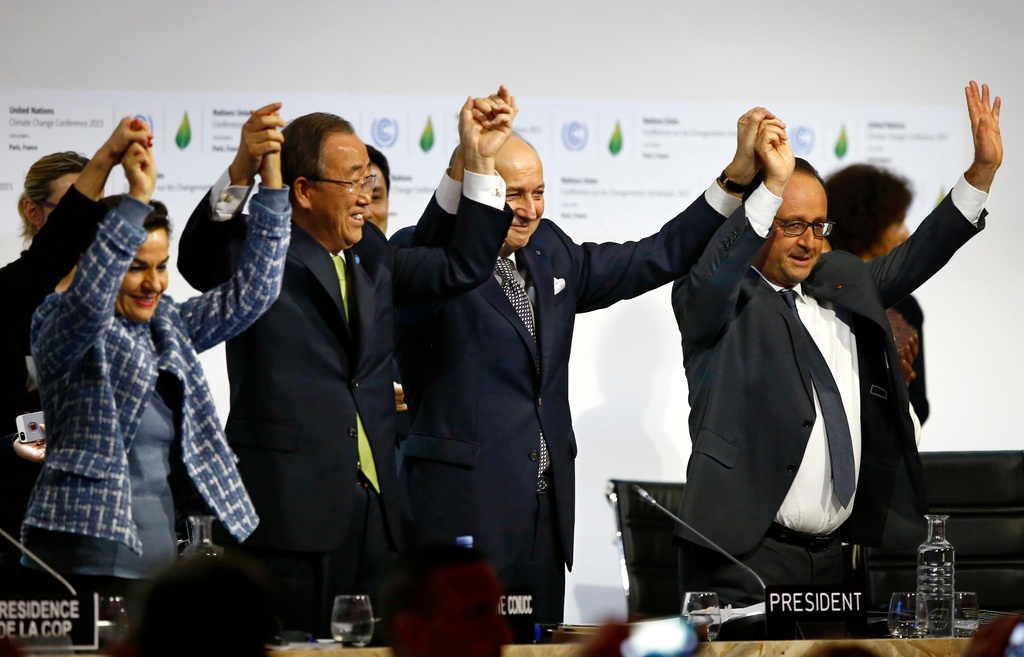
There has been some progress in reducing future warming projections by over a degree Celsius since 2015. However, this is not enough to meet the targets set by the Paris Agreement. As diplomats gather in Belem, Brazil, for the annual United Nations climate negotiations, the lack of sufficient progress will be a central topic of discussion.

Johan Rockstrom, director of the Potsdam Institute for Climate Research in Germany, emphasized the need for honesty about the current state of climate change. He stated that the impacts of warming are occurring more rapidly and severely than previously predicted. Despite these challenges, diplomats remain committed to the goals established in Paris.
Christiana Figueres, former U.N. climate chief, highlighted that while the pace of climate action has exceeded expectations, it is still not fast enough to match the acceleration of climate-related harms. This gap between progress and necessary action continues to widen.
Inger Andersen, executive director of the U.N. Environment Programme, expressed concern that the world is "obviously falling behind" in its efforts to combat climate change. She warned that the actions being taken are akin to sawing the branch on which we sit.
Danger Signs
The planet's annual temperature has increased by approximately 0.46 degrees Celsius since 2015, one of the most significant 10-year temperature rises on record. According to data from the European climate service Copernicus, this year could be among the hottest on record. Each year since 2015 has been warmer than the year of the Paris climate deal.
Deadly heat waves have affected not only traditional hotspots like India and the Middle East but also temperate regions such as the Pacific Northwest in North America and Siberia in Russia. The frequency and intensity of extreme weather events have increased, with the decade since 2015 witnessing the most Category 5 Atlantic hurricanes and the most billion-dollar weather disasters in the United States.
Wildfires have devastated areas in Hawaii, California, Europe, and Australia, while floods have caused widespread damage in Pakistan, China, and the American South. Many of these events have been linked to human-caused climate change. Additionally, the loss of ice from glaciers and ice sheets in Greenland and Antarctica has reached over 7 trillion tons since 2015, equivalent to 19 million Empire State Buildings.
Sea levels have risen by 40 millimeters over the past decade, according to Steve Nerem, a University of Colorado professor researching sea level rise. This increase is enough to fill 30 lakes the size of Lake Erie.
Even the Amazon, where the climate negotiations are taking place, has shifted from a carbon sink to a source of emissions due to deforestation.
Success in Bending the Curve
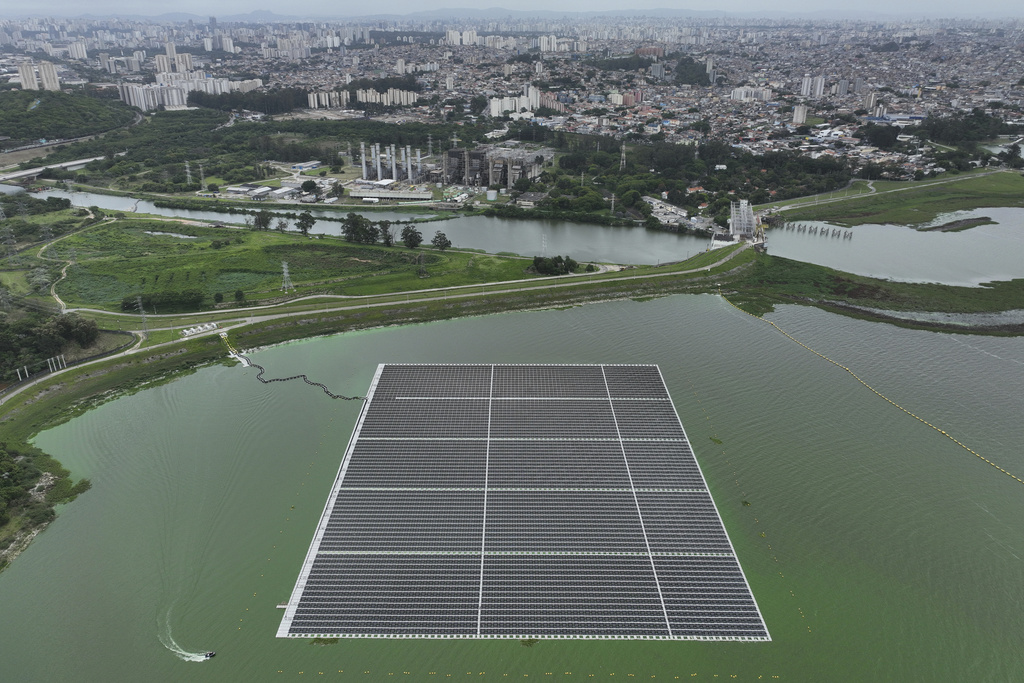
Despite the challenges, there have been notable successes in the past decade. Renewable energy has become more cost-effective than fossil fuels in most regions. Wind and solar power accounted for 74% of global electricity growth in 2024, according to U.N. reports. The number of electric vehicles sold globally has surged from half a million in 2015 to 17 million last year.
Todd Stern, former U.S. Special Climate Envoy, noted that the shift toward renewable energy is unstoppable. While the world is now on track for 2.8 degrees Celsius of warming, it is still far from the 1.5-degree goal set by the Paris Agreement.
A report by the Bezos Earth Fund and other organizations found that while many indicators show progress, none are on pace to meet the 1.5-degree target. Kelly Levin, a report author, acknowledged that technological advancements have outpaced previous projections but emphasized that they are not fast enough to address the current challenges.
Pollution Keeps Growing
Methane levels in the atmosphere have increased by 5.2% from 2015 to 2024, while carbon dioxide levels have risen by 5.8% in the same period, according to NOAA data. Although developed countries have reduced their emissions by about 7%, developing nations like China and India have seen significant increases.
Oxfam International reported that the richest 0.1% of people increased their carbon emissions by 3% since 2015, while the poorest 10% reduced their emissions by 30%. Joanna Depledge, a climate negotiations historian, noted that the Paris Agreement has underperformed, highlighting the complex nature of its outcomes.
The Associated Press’ climate and environmental coverage receives financial support from multiple private foundations. AP is solely responsible for all content. Find AP’s standards for working with philanthropies, a list of supporters and funded coverage areas at AP.org.

Post a Comment for "Paris Agreement's Path to Slowing Warming Remains Unfulfilled"
Post a Comment