
Pennsylvania Approves $50.1 Billion Budget, Ending Monthslong Standoff
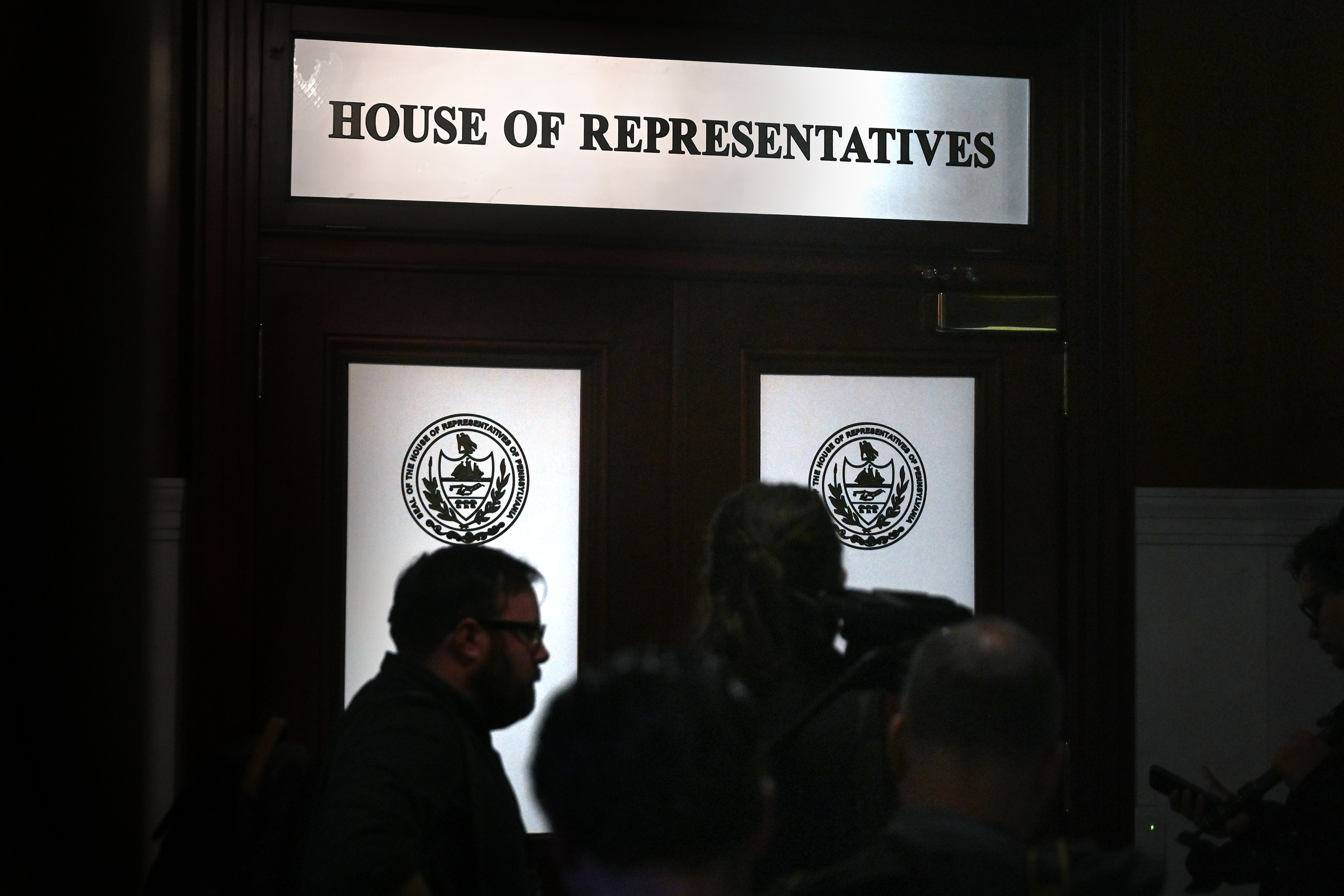
Pennsylvania Approves Historic $50.1 Billion State Budget
HARRISBURG, Pa. — Governor Josh Shapiro signed a historic state spending plan on Wednesday, marking the end of a four-month budget stalemate that had left many state services in limbo. The nearly $50.1 billion budget is the largest in Pennsylvania’s history and represents a 4.7% increase over the previous fiscal year.
The deal was approved by both the House and Senate with bipartisan support, ending a period of uncertainty for schools, counties, and nonprofits that had been waiting for state funding. The budget passed the House with a vote of 156-47 and the Senate with a vote of 40-9, showcasing a rare moment of collaboration between Democrats and Republicans.
Key Components of the Budget Deal
One of the major victories for Senate Republicans was the decision to exit the Regional Greenhouse Gas Initiative (RGGI), an interstate cap-and-trade program that charges power plants for carbon emissions. Former Democratic Governor Tom Wolf had joined RGGI in 2019 without legislative approval, which sparked criticism from Republicans. House Minority Leader Jesse Topper called RGGI the “No. 1 issue holding Pennsylvania back from economic growth.”
Democrats agreed to this move as part of a broader compromise to resolve the budget impasse. House Majority Leader Matt Bradford acknowledged the need for compromise, stating, “I’m one who believes there should be a price on carbon, but I recognize the reality of the situation and compromise is required.”
In return, Republicans agreed to increased spending on public education, school building rehabilitation, and a new earned-income tax credit aimed at working Pennsylvanians.
Investments in Education and School Funding
The budget includes more than $665 million in new funding for public schools, with approximately $562 million allocated through the state’s adequacy and tax equity formulas. These funds are intended to address the $4 billion “adequacy gap” identified by experts, following a 2023 court ruling that found Pennsylvania’s education funding system unconstitutional.
Senate Minority Appropriations Chair Vince Hughes praised the budget for its investments in public school funding and other critical areas. He stated, “This budget has good work in it that helps address those issues, and on the issue of affordability, which sang loud and clear in the most recent election as a predominant issue that Pennsylvanians want us to address.”
Additionally, the budget includes changes to how cyber charter schools are funded, with an estimated $178 million in adjustments. However, leaders of 10 of the state’s 14 cyber charter schools warned that the funding cuts could lead to significant layoffs and potential closures.
No New Funding for Mass Transit
Despite being a key priority for Democrats, the budget does not include additional funding for mass transit. In September, Democrats removed mass transit from the negotiations after a lawsuit required SEPTA to undo service cuts, and Senate Republicans were unwilling to commit to long-term investment. Instead, Shapiro approved the use of capital funds to help SEPTA manage its budget deficit for the next two years.
Impact of the Budget Impasse
The prolonged budget stalemate had significant consequences for schools, counties, and social service providers. Many agencies had to cut jobs, take out expensive loans, or reduce services due to delayed state funding.
Kristyn DiDominick, executive director of the Bucks-Mont Collaborative, highlighted the strain on nonprofit organizations. She noted that many had to delay payments, reduce hours, and cut staff and services. “The damage isn’t in just the delay, it’s in the cost of the repair,” she said.
Conclusion
With the budget finally passed, the state can begin to address the financial challenges faced by local governments and service providers. While the deal represents a significant step forward, some agencies will take time to recover from the impacts of the funding delay. The resolution of the budget impasse marks a new chapter for Pennsylvania as it moves forward with its 2025-26 fiscal year.

Post a Comment for "Pennsylvania Approves $50.1 Billion Budget, Ending Monthslong Standoff"
Post a Comment