
Researchers Blocked from Studying Historic Hurricane Melissa
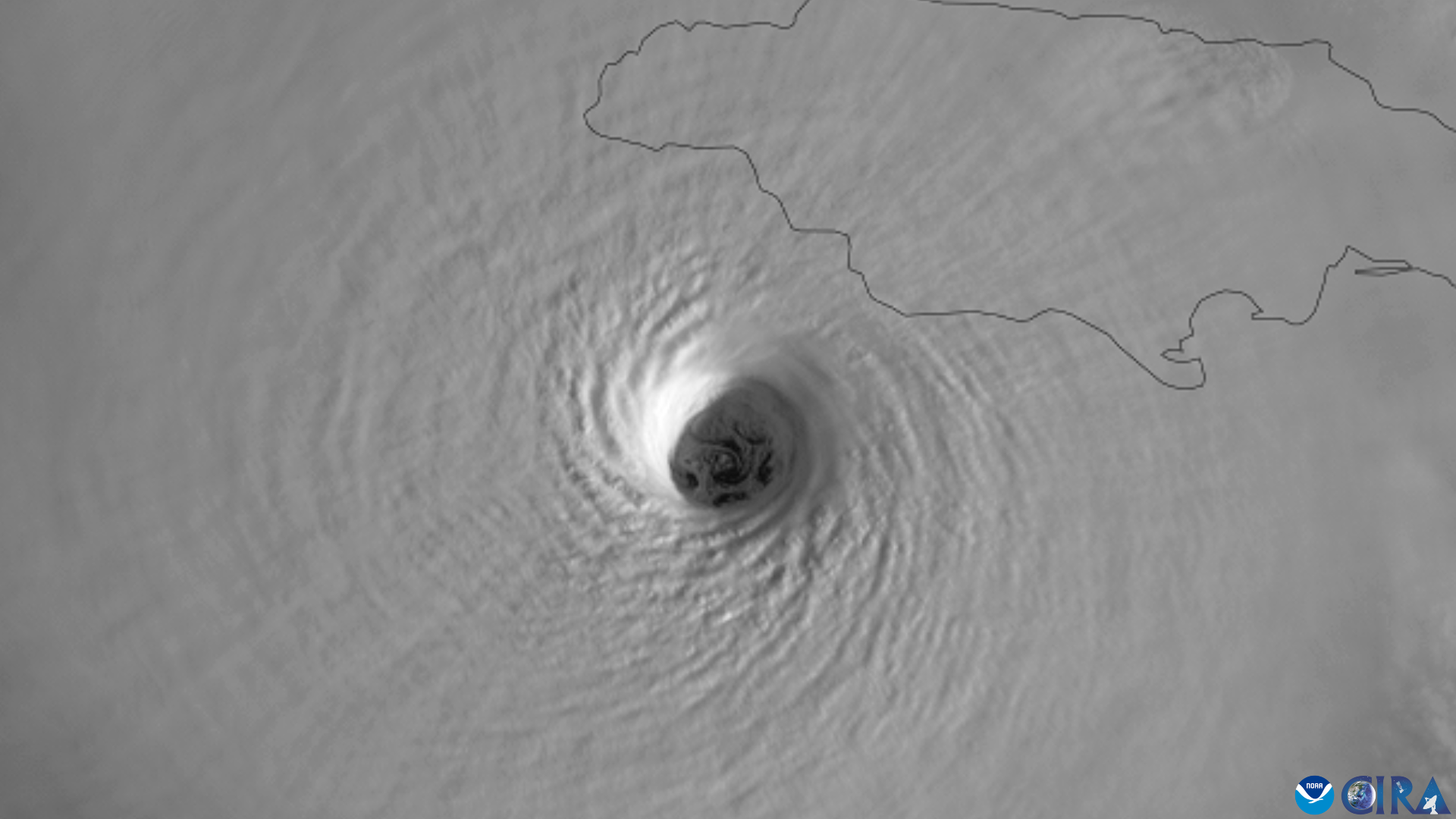
Scientists are working to understand why some tropical storms rapidly intensify into major hurricanes, and they emphasize the importance of studying each one due to the rarity of such opportunities. However, when Melissa became one of the most powerful hurricanes on record during a federal government shutdown, researchers were left frustrated. Their "hurricane hunter" missions into the storm's center were limited in scope.
Federal flight engineers, pilots, and scientists from the National Oceanic and Atmospheric Administration (NOAA) conducted multiple dangerous missions into Melissa, alongside their research partners. Despite the critical nature of their work—providing essential data for hurricane forecasting—their pay was withheld during the shutdown.
The crews were restricted from flying additional flight paths or deploying extra research instruments not deemed necessary for forecasts. This limitation meant that Melissa, which had some of the strongest winds ever recorded in an Atlantic hurricane, became a missed opportunity to study its unique behavior, according to James Franklin, a retired former branch chief at the National Hurricane Center.
“The patterns flown in Melissa were very basic, the minimal kind of pattern they could do,” Franklin said. “It was as simple as possible with as small a crew as possible.”
Veterans within NOAA told USA TODAY that the shutdown has been particularly challenging for employees, including those at the National Weather Service, the National Hurricane Center, and various laboratories under the Oceanic and Atmospheric Research division. The shutdown has significantly hindered hurricane research efforts.
Melissa was one of three Category 5 hurricanes this summer, the highest category on the Saffir-Simpson Hurricane Wind Scale. It has been linked to 77 deaths, according to the Pan American Health Organization. Additionally, it is among 13 Category 5 hurricanes in the past decade, suggesting an apparent increase in both the intensity and frequency of rapid intensification among the strongest storms, fueled by warmer oceans.
During the shutdown, federal employees granted exceptions to conduct hurricane reconnaissance missions were only allowed to collect basic data about the storm. John Cortinas, a former deputy assistant administrator for science with NOAA’s Oceanic and Atmospheric Research, explained that other research observations typically collected during hurricane seasons were not available. These included experiments conducted by NOAA’s Hurricane Research Division and its academic partners, who were able to pay their scientists who flew with NOAA during Melissa.
For example, earlier NOAA missions this summer involved dropping small, expendable instruments to study how conditions inside the hurricane core interact with the surrounding environment. These instruments remained grounded during Melissa, while other instruments and drones used for forecast information were deployed.
Andrew Hazelton, an associate scientist at the University of Miami, who participated in several missions during Melissa, noted that the reconnaissance missions yielded “a lot of great data.” He praised the hard work of the team despite the difficult circumstances and the fact that many were working without pay. “But it would have been cool to be able to get more,” he said.
Shutdown stretches on
As the country awaits resolution to the political standoff between Congress and the administration, former federal employees describe a challenging year for NOAA staff. This shutdown is now the longest in history and follows months of upheaval. NOAA employees have faced mass layoffs, incentivized early retirements, spending and hiring freezes, cost-cutting measures, and canceled contracts as part of efforts to reduce the size of the federal bureaucracy and shrink the budget. These cuts align with recommendations from the Heritage Foundation's Project 2025.
Despite these challenges, NOAA has stated its commitment to its mission, including the hurricane center. The agency received authorization to fill over 400 vacancies and is accepting applications for many of those positions. While the weather service was exempted from the hiring freeze, other parts of NOAA were not, creating a stressful and demoralizing work environment, according to John Sokich, a retired director of congressional affairs for the National Weather Service.
The weather service continues to operate without pay during the shutdown to provide critical forecasts and warnings. This situation adds to the stress of being short-staffed and overworked, especially until vacancies are filled and the shutdown ends.
Climate research cuts in limbo
The Trump administration and supporters of Project 2025 have targeted climate science, referring to NOAA as “one of the main drivers of the climate change alarm industry.” During a speech to the United Nations General Assembly, President Trump criticized concerns about global warming, calling it “the greatest con job ever perpetrated on the world.” In a budget document, the White House claimed that some of NOAA’s research and grant programs “spread environmental alarm.”
However, NOAA veterans argue that the proposed 2026 budget cuts go beyond just long-term climate change and forecasting. The Office of Oceanic and Atmospheric Research faces significant reductions, with Sokich stating, “Climate research is essentially gone in the current proposed NOAA budget from the president.” This includes critical short-term climate research, such as 60 and 90-day forecasts and seasonal forecasting, which are vital for farmers planning planting and harvesting.
Such cuts, if enacted, would impact services relied upon by farmers across the nation. Even if Congress fully funds NOAA, the administration could continue withholding funds. The agency’s network of private weather businesses, television meteorologists, academia, and non-profit organizations has expressed concern over the proposed elimination of much of NOAA’s atmospheric research division. Many have added disclaimers to their products to clarify that the data comes from NOAA.

Post a Comment for "Researchers Blocked from Studying Historic Hurricane Melissa"
Post a Comment