
Shepherd School of Music Marks 50th Anniversary with Concert and Gala
Cultivating curiosity and pushing the boundaries of discovery is a core principle at Rice University. This philosophy is reflected throughout the university's lush, tree-lined campus, where students and faculty from around the world come together to explore new scientific breakthroughs, literary masterpieces, and more.
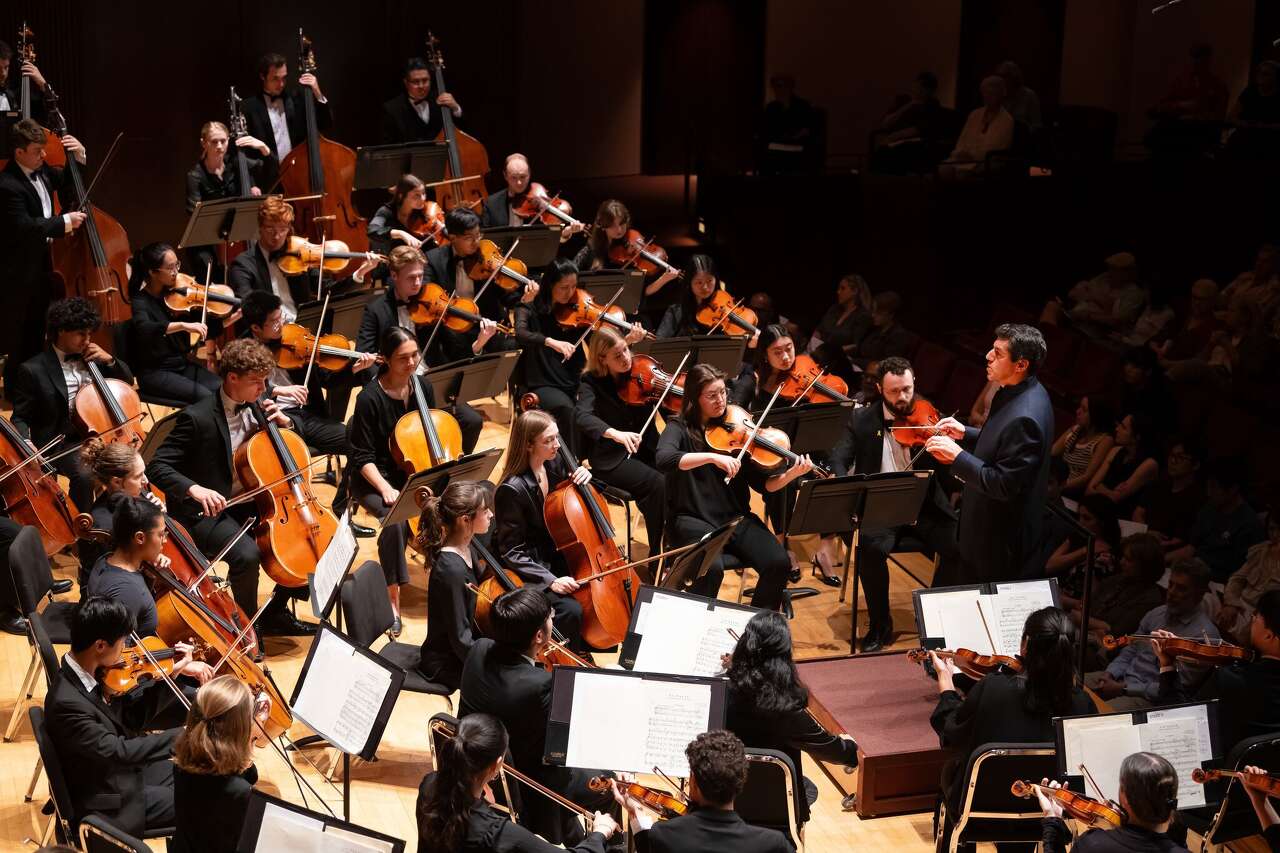
In a quiet corner of the campus, near the gentle curve of Rice’s inner loop north of University Drive, lies Alice Pratt Brown Hall, home to the Shepherd School of Music. Here, the sounds of musical exploration echo through the halls. A cello resonates with a rich, lingering note as the bow glides away from the strings. In an adjacent practice room, a composer refines a piece on the piano, repeating it until it captures the intended emotion. A soprano effortlessly hits a dazzling high C, showcasing the talent that thrives in this space.
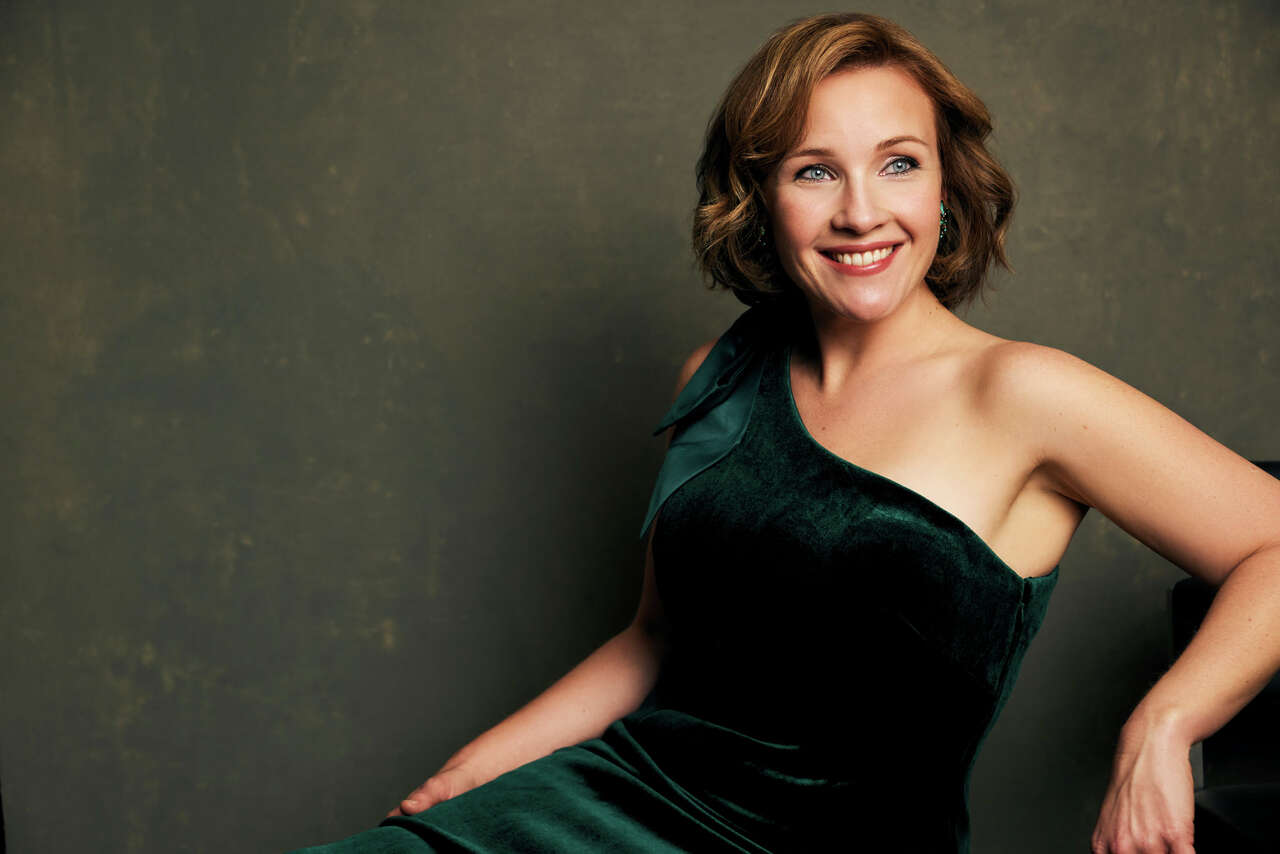
The Houston Grand Opera (HGO) is currently presenting "Il Trittico" in its entirety, marking a special celebration for the Shepherd School of Music, which is celebrating its 50th anniversary this year. The school has planned several events to honor this milestone, including a gala on November 8, featuring a dinner on stage at the Brockman Hall of Opera. Before the gala, there will be a concert featuring Sasha Cooke, a mezzo-soprano and alumna of the school, who will perform a selection from Pierre Jalbert's "Another Starry Night," a piece commissioned specifically for the anniversary.
Tickets for the concert can be purchased separately from the sold-out gala dinner, with prices starting at $100. More information is available at https://music.rice.edu/events.
For Matthew Loden, dean of the Shepherd School, the 50th anniversary represents not just a celebration of the past but also a commitment to the future. "We recognize at Rice that creative practice is equivalent to research," he said. "Our Rice University Office of Research provided funding to help us commission our composition faculty to write world premier pieces in honor of the 50th anniversary. Since last year, we've been performing these works in various sequences, and those performances will continue for another year."
This year has been filled with excitement for the school, which has grown into one of the top music programs in the country. Its graduates are not only accomplished musicians but also skilled collaborators, capable of working seamlessly with others in ensembles. Many have gone on to conduct orchestras globally, perform at the Metropolitan Opera, and play in prestigious concert halls.
Loden has traveled across the country over the past year, sharing the 50th anniversary commissions with alumni and supporters. He has been moved by the passion people show for the school, even those without direct ties to it. "I have been surprised at how many people, not only alumni who remember it so fondly, but also people who don't have any affiliation at all with the Shepherd School, express interest in being part of it," he said.
When the Shepherd School of Music was founded in 1975, it didn’t have its own building. The name had existed since 1950, after Sallie Shepherd Perkins donated $8 million to Rice University for the project, stipulating that it be named after her grandfather, Benjamin A. Shepherd. While music classes had been offered on campus, creating a program that would educate future singers, composers, and performers required bold vision. At the time, the school aimed to compete with renowned institutions like Juilliard and the Eastman School of Music, which had long-standing reputations and established pipelines to major opera houses and performance venues.
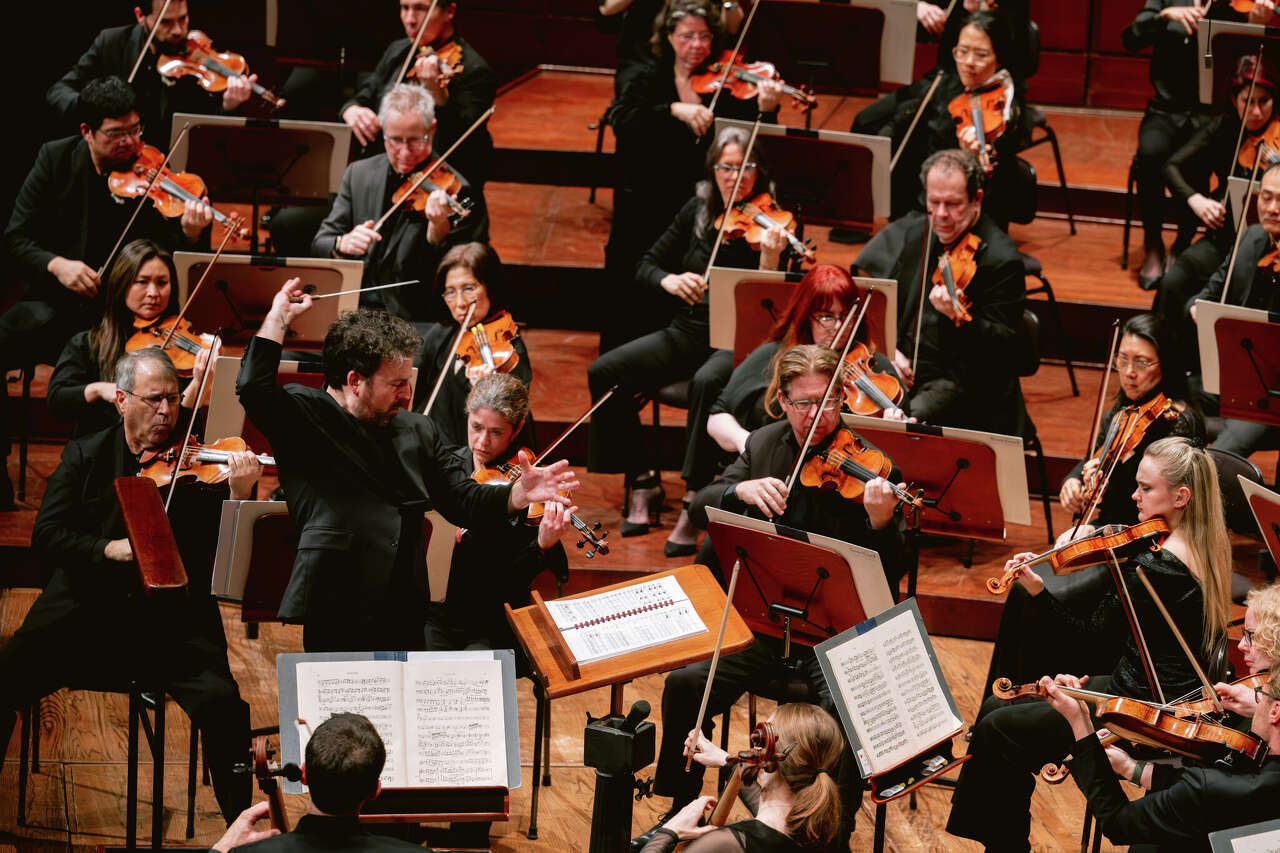
However, the Shepherd School followed a distinct path, building its program from the ground up in a way that aligned with Rice's values. Unlike other schools that focused heavily on music theory, Rice chose to emphasize practical training in ensemble performance. Musicians were taught not only to refine their craft but also to listen and collaborate, skills essential for success in the professional world.
The early years of the school were marked by a nomadic existence. Practice spaces were scattered across the campus, and performance halls were shared with drama productions. Some coaching and playing spaces were located off-campus, within properties owned by Rice. Despite these challenges, the early years were a time of growth and development.
During this period, Rice's George R. Brown School of Engineering and the Wiess School of Natural Sciences were also launched, contributing to the vibrant academic environment. Outside the university, Main Street Theater opened just across the street, and within two years, both Stages and The Ensemble Theatre were established. "There was something incredibly active in the arts and cultural space at that time," said Loden. "There was a sense of fearlessness in creation, reflecting our ability to explore new directions."
Loden reflects on this spirit in today's environment, where he sees a growing movement to devalue intellectual and artistic pursuits. "There's a clear effort to dismiss nuanced and ambiguous forms of expression that might make people uncomfortable," he said. However, the Shepherd School has always embraced ambiguity and creativity, and Loden expects this to continue. He praises Rice's president, Reginald DesRoches, for his support of the school.
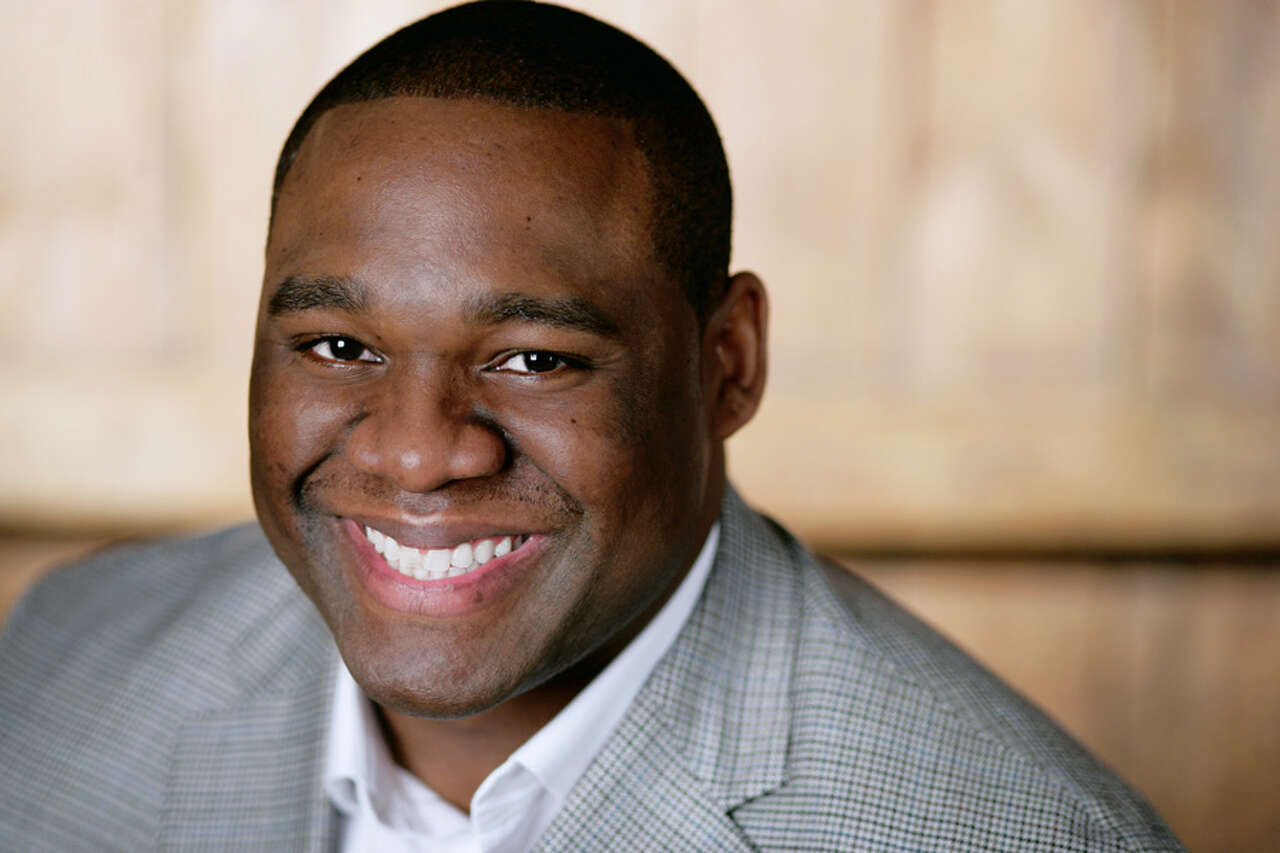
Star alumni include notable figures such as opera singer Sasha Cooke, Michael Sumuel, Grammy-winning producer Blanton Alspaugh, conductor James Gaffigan, and composer Germanine Franco, who created the score for Disney's "Encanto." In 2022, the Brockman Hall of Opera opened, ushering in a new era for the study and performance of classical music. Recent performances of "The Magic Flute" have sold out.
For Loden, the focus is not just on sold-out performances or accolades, but on building a community that invites audiences to experience the work of talented musicians. Most performances are free, and the spaces are designed for optimal acoustics, offering a professional-grade experience in a university setting. These events provide opportunities for people to engage with classical music in an intimate and welcoming way.
"We're kind of the gateway to Rice University as a destination," said Loden. "People might come to a family concert at the Shepherd School or a symphony concert, and then discover other attractions like the Moody Center for the Arts or the Baker Institute."

Post a Comment for "Shepherd School of Music Marks 50th Anniversary with Concert and Gala"
Post a Comment