
Special Session Day 4: Crime Bills and Film Studio Measures Pass Nevada Assembly
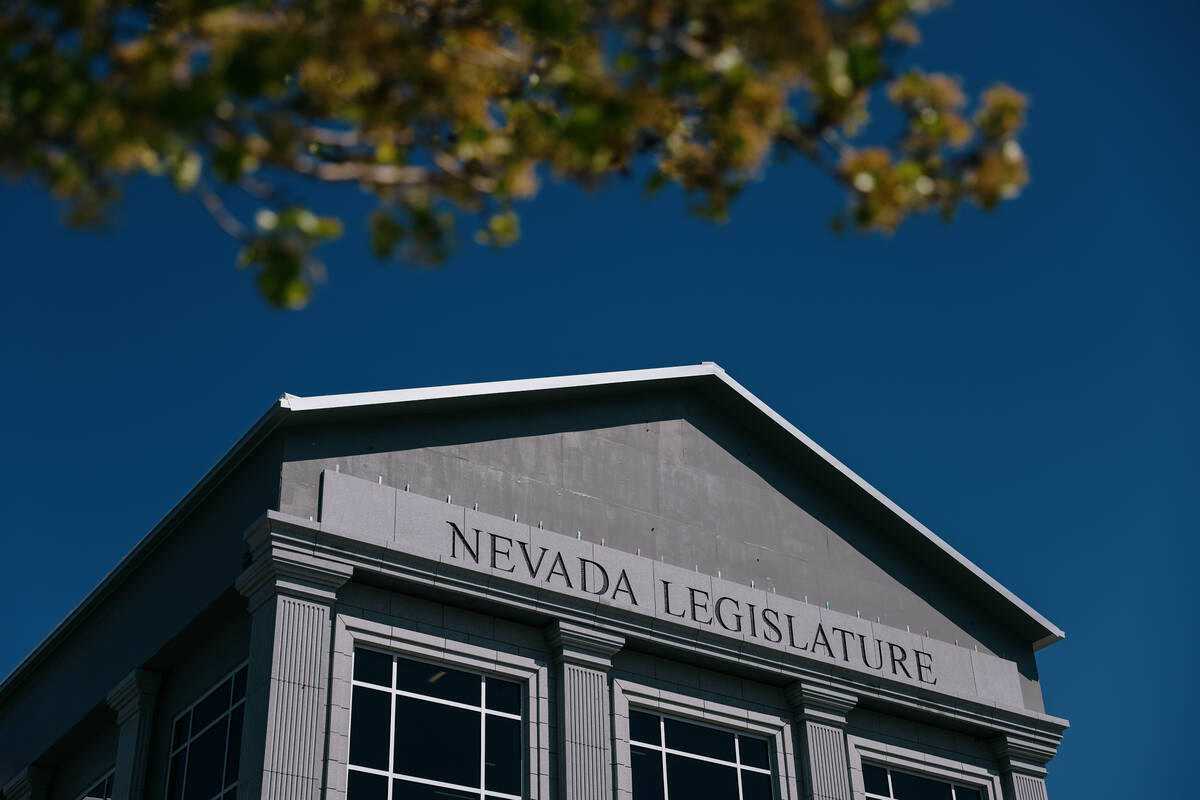
Nevada Legislature Advances Key Bills in Special Session
CARSON CITY — Two significant bills in the Nevada Legislature’s special session have cleared an important hurdle after being voted out of the Assembly on Sunday morning. These bills, Assembly Bill 5 and Assembly Bill 4, are now under consideration by the state Senate. AB 5 aims to expand the state’s film tax credit program to attract Hollywood studio development to Southern Nevada, while AB 4, proposed by Governor Joe Lombardo, seeks to make substantial changes to the state’s criminal justice code.
Critical Votes and Controversies
The wide-reaching crime bill passed the Assembly with a vote of 31-11. The so-called “Nevada Studio Infrastructure Jobs and Workforce Training Act” was approved by a narrow margin of 22-20 following a lengthy floor debate. The votes were not without challenges. Two assemblymembers, Las Vegas Republicans Brian Hibbetts and Heidi Kasama, were absent from the chamber. Speaker Steve Yeager, D-Las Vegas, allowed them to participate remotely via videoconference, which required him to declare "exceptional circumstances." However, Assemblymember Selena Torres-Fossett, D-Las Vegas, initiated a vote to appeal the decision.
Torres-Fossett questioned why the two members were allowed to vote remotely, suggesting they were preparing for a vacation. The remaining 40 members voted on the appeal, but it failed to pass, allowing Hibbetts and Kasama to vote remotely. Without their votes, the bill would have failed to advance.
Hibbetts, reached by text, explained that he had preplanned travel that he couldn't change and had notified the governor's office and Assembly leadership of his plans before the special session. He stated, "I was asked to participate remotely, and I thought it was important to fulfill my duties as an elected representative, so I did."
Windsor Park Funding Moves Out of Senate
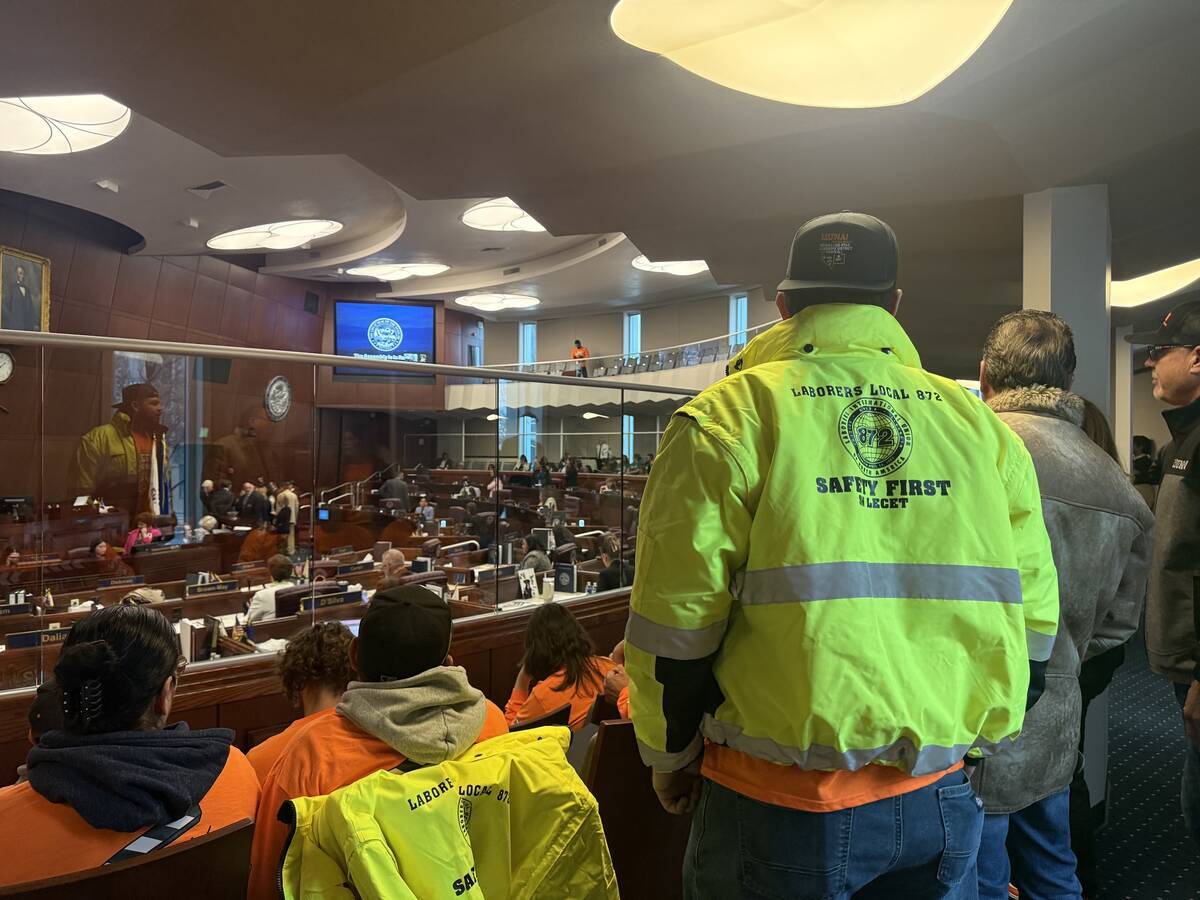
Senators passed a bill with a vote of 19-2, providing additional funding and provisions to an existing program to build new homes for residents of a sunken North Las Vegas neighborhood. Sens. Robin Titus, R-Wellington, and Jeff Stone, R-Henderson, voted against the measure.
Senate Bill 6 would require that the entity chosen to develop the housing tract also be hired, without formal bidding, to perform additional work related to the project, including demolishing vacated homes in Windsor Park to clear space for a public park. The measure would also allocate an additional $25 million from Nevada’s general fund. It must now be considered in the Assembly.
Film Bill Gets Same Narrow Vote as June
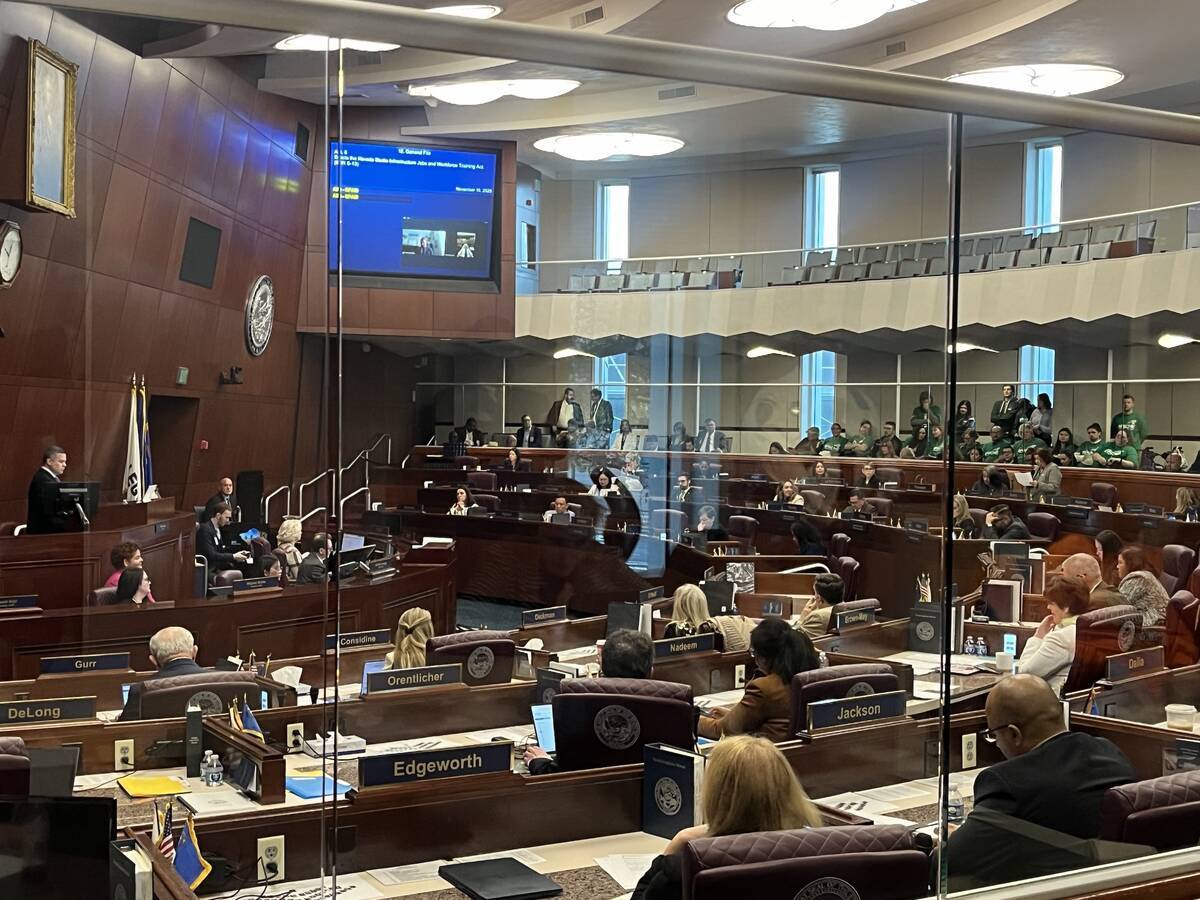
“There’s been a lot of conversation, there’s been a lot of passion on both sides of it,” said Assemblymember Daniele Monroe-Moreno, one of the bill’s sponsors, on the Assembly floor before the AB5 vote. “But for me, Mr. Speaker, it simply comes down to, this is a workforce development, economic development bill for this state.”
Opponents expressed concerns about the tax credit program’s impact on state revenues. The 15-year transferable tax credit program worth $1.8 billion is projected to generate 23 cents in tax revenue to the state per $1 of tax credit. Credits would become available beginning in 2029.
“This is not just about the jobs for construction workers,” said Assemblymember Alexis Hansen, R-Sparks, during floor debate. “I’m a legislator for the entire state of Nevada first. And while I want people to have jobs, I cannot let them have those jobs at the expense of my state revenues. That’s where my allegiance has to be first.”
The vote count was the same as the last time the bill was up for passage May 30 during the regular session. However, this time, six assemblymembers changed their votes—an even split of changing from support to opposition and vice versa. Hibbetts, Cinthia Zermeño Moore, and Hanadi Nadeem previously voted against the bill in May but supported it Sunday. Jovan Jackson, Gregory Keonig, and Bert Gurr previously voted to pass the bill; on Sunday they voted against.
Sixteen Democrats and six Republicans voted for the bill; 11 Democrats and nine Republicans voted against it.
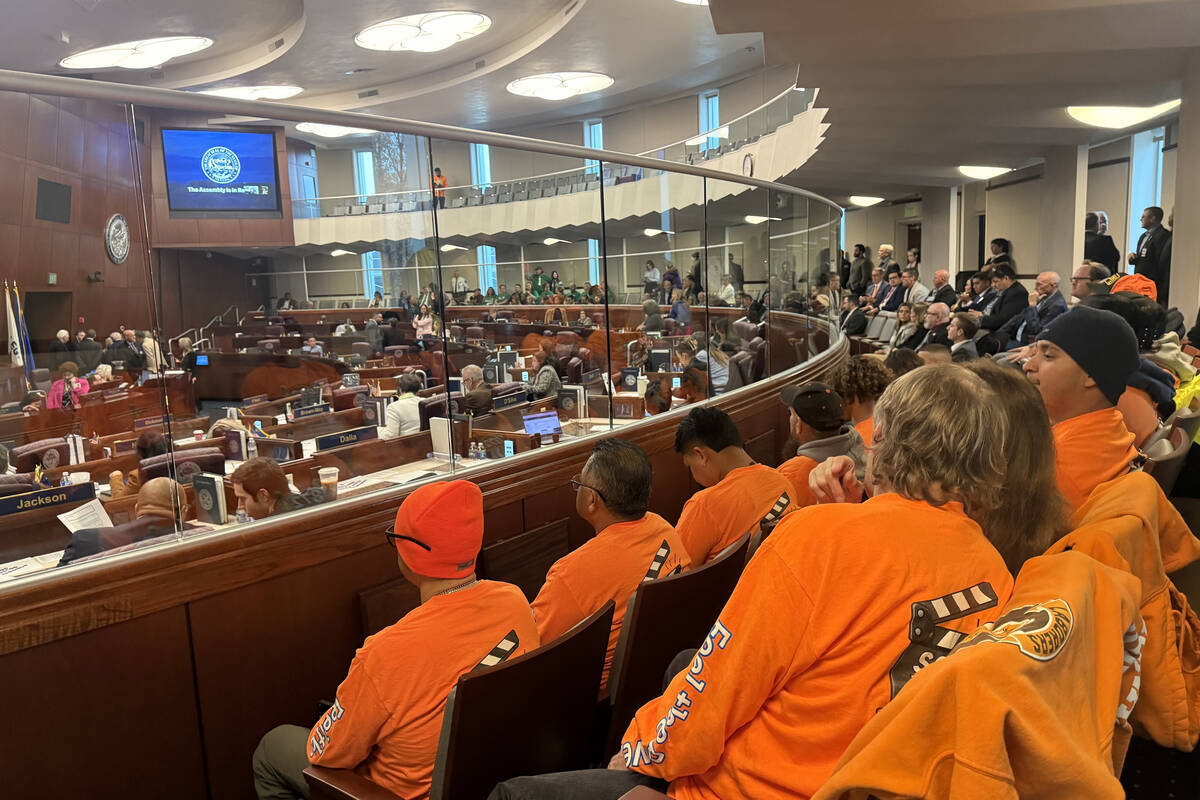
After the vote, Moore, D-Las Vegas, said she had concerns about the bill during the regular session but heard from her constituents that they wanted the Summerlin Studios project. “The No. 1 industry where folks work in my district is construction, and quite frankly, I’m tired of seeing my neighbors out of work,” she said, adding that she was excited to see a required $6 million investment from the studio developers to partner with advocacy group Chicanos Por La Causa to build a film and TV workforce training and educational center in east Las Vegas.
Hibbetts said he changed his vote from the regular session because he saw positive changes in the special session’s version of the bill and was pleased with the $6.3 billion in private investment required over the bill’s lifespan. Project partners would be required to spend $1.8 billion in new capital investment and $4.5 billion in film or TV production spending by the end of the program in June 2044.
Crime Bill Passes to Senate
The crime bill seeks to change over a dozen portions of Nevada’s criminal justice laws, which include creating enhanced penalties for DUI offenses and assaults against hospitality workers, a new felony charge for burglary involving property damage, and expanded definitions of stalking and domestic violence.
It could also prompt the return of a controversial court program that coincided with an increase in judges banning criminal defendants from the Las Vegas Strip. The Resort Corridor Court was backed by the gaming industry as a way to address crime on the Strip, but was criticized by opponents who said it targeted homeless people in the area.
One assemblymember addressed the floor in opposition of the crime bill: Moore, who wanted to see more language addressing immigration enforcement. “I cannot vote for a bill that will further criminalize our Black and brown communities, especially our immigrant communities, at a time when we’re seeing that they are under attack,” she said.
Moore said she wanted the bill to include a proposed amendment authored by the American Civil Liberties Union of Nevada. The amendment would have prevented immigration detention facilities from being constructed without the approval of the Legislature and would have required law enforcement to investigate reports of people being detained by masked individuals as kidnappings.
Following the vote, Moore said that although she has not heard reports of masked agents conducting immigration enforcement in Nevada, not implementing the ACLU amendment is a “missed opportunity” to protect immigrants in the future.
The Assembly passed an amendment to the crime bill that removed a portion of the bill that would have required law enforcement to notify a foreign consular if a criminal defendant is believed to be in the U.S. illegally. The amendment also removed requirements for additional court hearings to ensure that criminal defendants awaiting trial surrender firearms.
The 11 opposition votes to the bill were all Democrats.
Other Bills Head to Governor’s Desk
Four bills have passed both chambers of the Nevada Legislature and could soon be signed by the governor as a special legislative session entered its fourth day Sunday.
Lawmakers passed a proposal to establish the Silver State Assistance Program, which sets up the framework for a state-supported system similar to federal programs like the Supplemental Nutrition Assistance Program, or SNAP, in case of a lapse in federal funding. The bill did not include appropriations because the federal program’s funding pause ended after Congress voted to end the government shutdown last week.
Legislators also passed Assembly Bill 1, setting up a Secure Operations Center for cybersecurity in state government and allocating funding for improvements; Assembly Bill 2, which would exempt some gaming licensees from a law that requires retail liquor stores to pay liquor wholesalers by electronic funds transfer or credit card; and Assembly Bill 3, which would allow public officials to request their personal information be kept confidential from certain public records.
The bills now await Gov. Joe Lombardo’s signature before they can become law.
Lombardo announced the special session Wednesday with less than 24 hours notice. The agenda includes over a dozen legislative proposals and budget appropriations.

Post a Comment for "Special Session Day 4: Crime Bills and Film Studio Measures Pass Nevada Assembly"
Post a Comment