
Supreme Court Justices Challenge Territorial Authority
A Historic Dissent from the Supreme Court
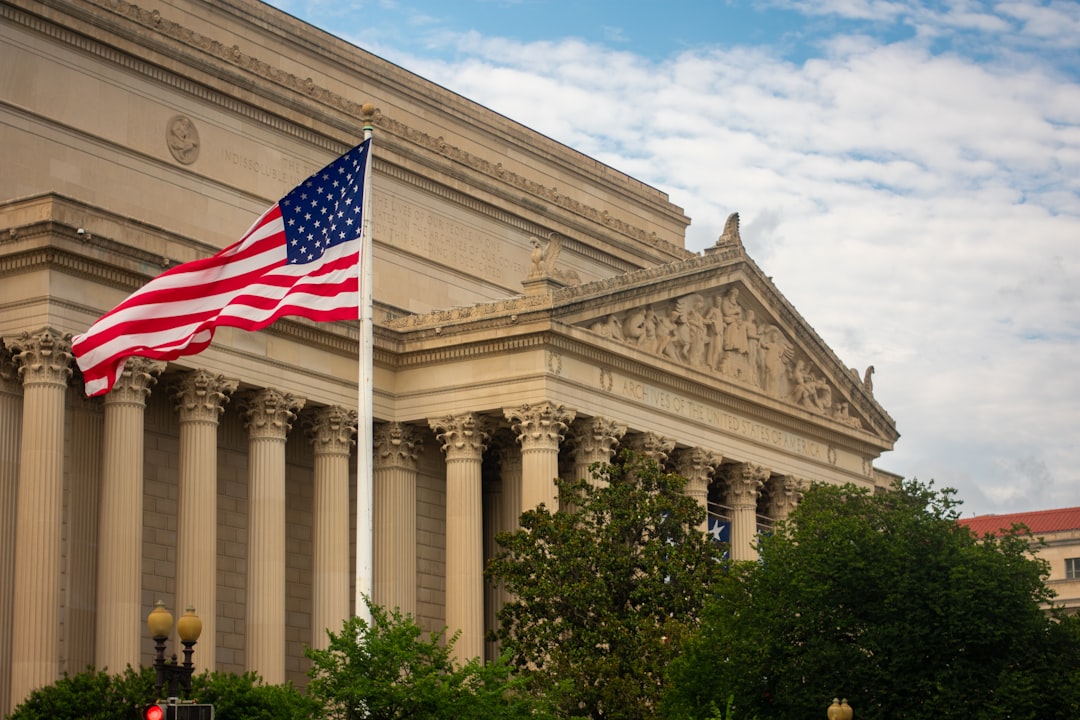
Photo by Juliana Uribbe on Unsplash
A recent dissent from two U.S. Supreme Court Justices has sparked significant discussion about the constitutional authority of Congress over U.S. territories. The nonprofit Right to Democracy highlighted this development, noting that it marks a historic first: two Justices explicitly rejecting the concept of plenary power — or near-unlimited authority — that Congress has traditionally held over residents in U.S. territories.
In an email to supporters and media, the group’s co-director and attorney, Neil Weare, described the dissent as “significant,” emphasizing that it is the first time any federal judge, especially a Supreme Court Justice, has questioned the constitutional basis for Congress’ control over the territories. Weare stated, “The idea that Congress has unrestricted plenary power over U.S. territories is not grounded in the text or history of the U.S. Constitution.”
The dissent was issued when the Court declined to review Veneno v. United States, a case that challenged the federal government’s power over Indian Country. In their written opinion, the Justices argued that the Constitution’s Territories Clause does not grant Congress “plenary power even within the Territories themselves.” They also referenced United States v. Vaello Madero (2022), where Justice Gorsuch noted that the government “may not ignore that charter in the Territories any more than it may in the States.”
According to Right to Democracy, this shift indicates that the Justices are rejecting the notion that Congress’ authority over U.S. territories is absolute. Instead, they are affirming that such power must be bound by the Constitution itself.
Understanding Plenary Power
Plenary power in constitutional law refers to complete and exclusive authority over a subject matter, limited only by the Constitution itself. For over a century, this doctrine has shaped how the federal government governs territories like Puerto Rico, Guam, the U.S. Virgin Islands, American Samoa, and the Northern Mariana Islands. The early-20th-century Insular Cases established that Congress could treat these territories differently from the states, allowing lawmakers to decide which constitutional rights apply.
However, these decisions have been widely criticized for their racist language. In 2022, Justice Gorsuch called them “shameful.”
Dr. Adi Martínez Román, co-director of Right to Democracy based in Puerto Rico, emphasized that the dissent resonates with residents across the territories. She pointed out that these communities remain subject to federal laws without voting representation in Congress or full participation in presidential elections.
“People across all five U.S. territories have consistently rejected the exercise of undemocratic, unchecked power over our communities by the federal government,” she said. “The repudiation of this plenary power by these two conservative Justices is timely as we approach the 250th anniversary of the Declaration of Independence and consider what ‘consent of the governed’ means for people in U.S. territories who have been denied self-determination for over 125 years.”
Future Implications and Discussions
Right to Democracy, which advocates for dismantling the undemocratic colonial framework governing U.S. territories, plans to host a virtual panel later this month. Legal experts will discuss what the dissent could mean for the constitutional status of U.S. territories and future challenges to the Insular Cases.
Additional News Highlights
Venezuela Tensions
The USS Gerald R. Ford aircraft carrier has entered waters near Latin America, prompting Venezuela to mobilize its military. This move has raised concerns about potential escalations in the U.S. counternarcotics campaign in the region.
Grijalva Sworn In
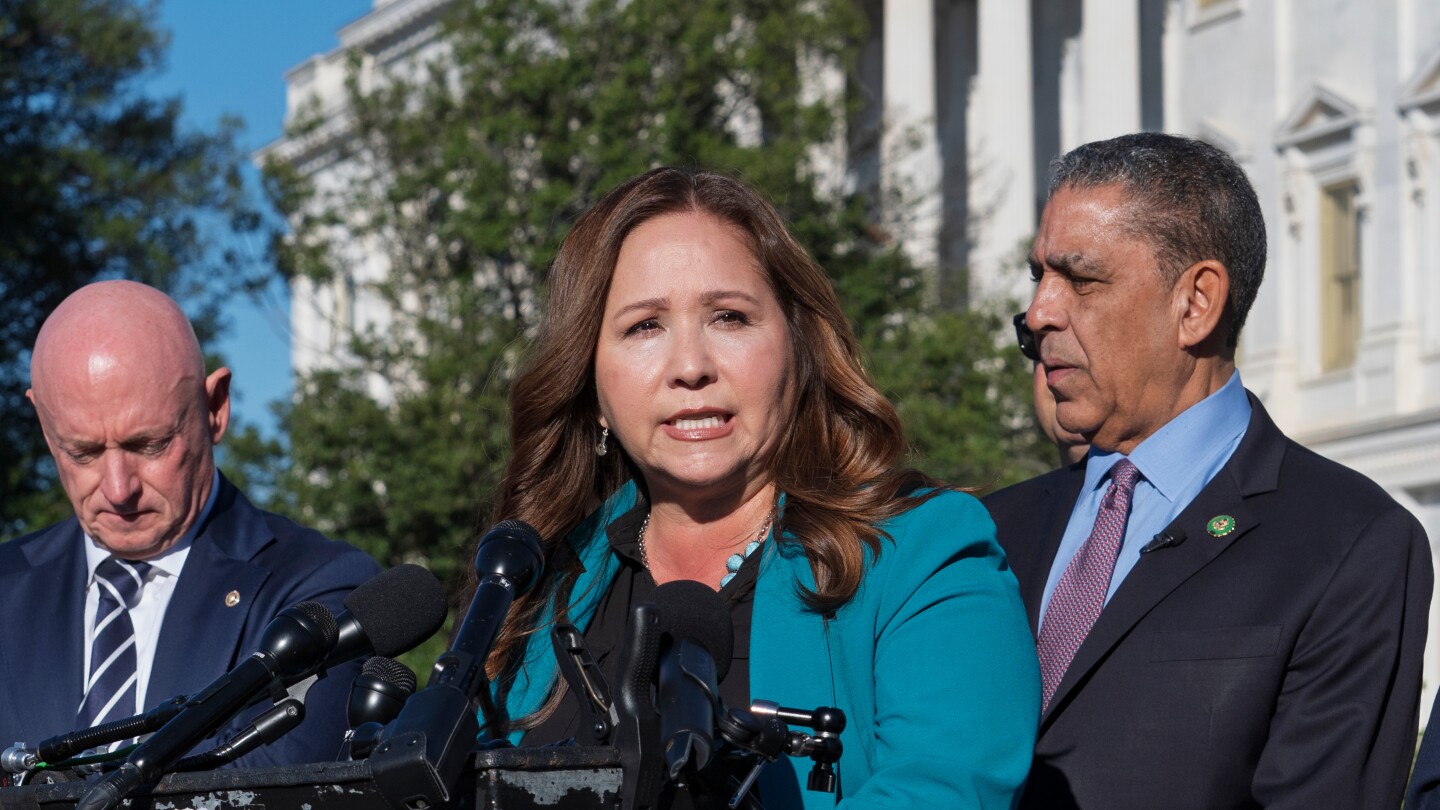
Democrat Adelita Grijalva was sworn in as a member of Congress after winning a special election in Arizona. Her swearing-in came more than seven weeks after her victory, paving the way for key legislative votes.
“Apaga el Odio” Campaign
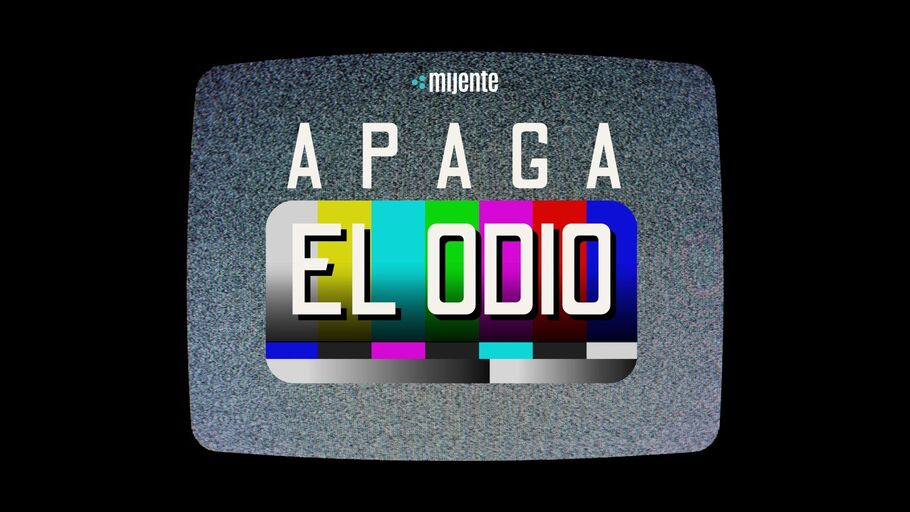
Mijente launched a bilingual campaign titled “Apaga el Odio” to combat the spread of fear through media outlets like Univision and Telemundo, which have been broadcasting messaging related to deportation.

Insular Cases

And now a word from our sponsor
Fuel your business brain. No caffeine needed.

Consider this your wake-up call.
Morning Brew is the free daily newsletter that powers you up with business news you’ll actually enjoy reading. It’s already trusted by over 4 million people who like their news with a bit more personality, pizazz — and a few games thrown in. Some even come for the crosswords and quizzes, but leave knowing more about the business world than they expected.
Quick, witty, and delivered first thing in the morning, Morning Brew takes less time to read than brewing your coffee — and gives your business brain the boost it needs to stay sharp and in the know.
Try Morning Brew for free
What We’re Reading
Venezuela Tensions: From the Washington Post, “The USS Gerald R. Ford aircraft carrier has entered waters near Latin America, prompting Venezuela to put the entire country’s military arsenal at the ready, as the U.S. naval buildup fuels speculation that the Trump administration intends to dramatically escalate its deadly counternarcotics campaign there.”
Grijalva Finally Sworn In: From the Associated Press, “Democrat Adelita Grijalva was sworn in as the newest member of Congress on Wednesday, more than seven weeks after she won a special election in Arizona to fill the House seat last held by her late father.”
“Apaga el Odio” Campaign: Advocacy group Mijente launched an “Apaga el Odio” bilingual campaign, noting on Instagram that “Univision and Telemundo are broadcasting Trump’s deportation messaging straight into our homes. They are airing DHS ads pressuring our people to leave quietly or be hunted down by ICE. This is how a culture of fear spreads: in our living rooms, during novelas, in the background.”

About the Author
Julio Ricardo Varela is the founder of The Latino Newsletter. He is also its current part-time publisher and executive director. He wrote, edited, and published this edition of The Latino Newsletter.
Consider donating to The Latino Newsletter. Any contribution, no matter how small, helps keep this newsletter free and accessible to all. ¡Gracias mil!

Post a Comment for "Supreme Court Justices Challenge Territorial Authority"
Post a Comment