
The Reset: Lessons from China's Ticket Stub Economy


What you're missing:
The Reset is a newsletter we send out every Sunday to the corporate enterprise subscribers to WrapPRO. If you think your company or organization would be interested in signing up for an enterprise plan, please reach out to our head of enterprise sales, Kimberly Donnan, at kimberly.donnan@The News Pulse.

Welcome back enterprise subscribers,
With less than eight weeks to go in 2025,
Hollywood
is counting on a remaining slate of film releases to rescue its
annual box office performance.
In China, box office grosses
exceeded all of 2024's returns in early October,
hitting nearly $6 billion
(or 42.5 billion yuan).
Studio execs and box office followers are
confident Hollywood's remaining movies can deliver
, as we reported last week, but the annual total box office will still be well below its
pre-pandemic record high in 2018 of $11.9 billion
in the U.S. (thank you, "Black Panther.")
Comparing China and U.S. on box office is tricky business, each with its own
cultural
and
economic calculus for putting bodies into theater seats
. But I wondered if there was anything in particular that might offer lessons from China.
I came across something that China calls its
"ticket-stub economy,"
in which ticket stubs from various cultural events, like tourism, movies and sports can be used for discounts at other events. The program started in earnest in 2024 as an effort to boost China's lagging economy. China's National Film Administration and China Media Group this year went a step further to launch the
"China Film Consumption Year,"
leveraging the spending power of movies to boost consumption, enlisting institutions across China's economy to help promote it. Data suggests that one purchased ticket can yield
1.5-2x
the ticket price
in follow-up
"secondary spending"
and that ticket-holders save around
15% to 30% on related services
.
At a time when
Americans are struggling with affordability
, the idea of a sweeping program
to promote discounts
that involved movie-going in theaters sounds like it could be a win -- or worth a try. That, of course, would require some
creative thinking
on the economy that seems
void in D.C. at the moment.
If and until that happens, studio heads will continue to wring their hands and pray that
"Wicked: For Good"
and
"Zootopia 2"
can deliver big for 2025.
Have a great week -- and
go see a movie
.
Tom Lowry
Senior Vice President/Editorial Strategy
tom.lowry@The News Pulse

- Peacock
Still Streaming in the Red
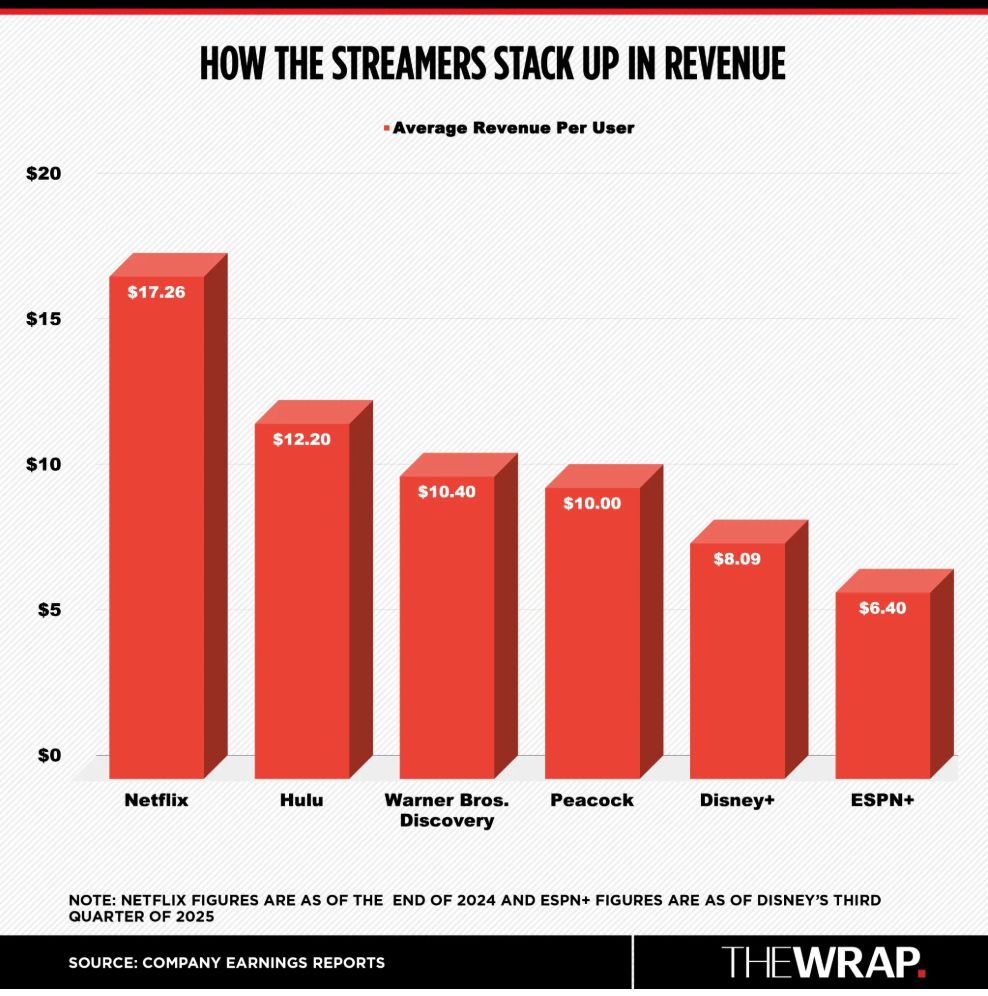
As the third quarter earnings reporting season wrapped up last week, our TV business reporter Lucas Manfredi was busy doing his
regular wrapup of how the streamers stacked up.
From his story on Friday, we see that
Peacock
was the
only major streamer to continue to report a loss
, though it narrowed from the prior-year period. Still, its results illustrate why parent
Comcast
is potentially keen to buy
Warner Bros.
and combine the companies' two mid-tier streaming services. As usual,
Netflix
remains well ahead of the competition on profitability, though the gap remains tight among
Disney
, Warner Bros. Discovery and
Paramount
, which all posted profits for their respective combined streaming businesses.
- Sports and Its Investment Metamorphosis
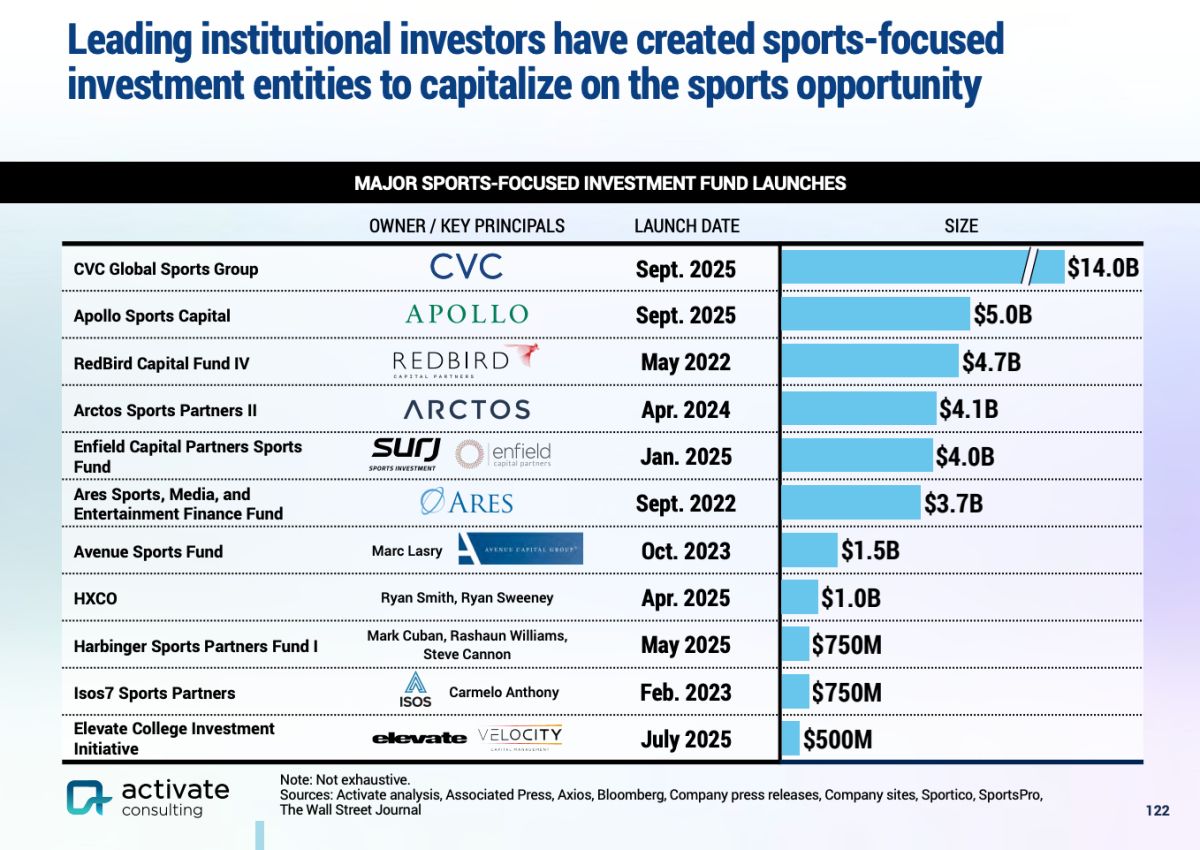
One of the biggest stories in all of sports the last five years has been
the rush of institutional capital into leagues, teams and related ventures
across the world. As part of its
2026 forecast report for media and entertainment
,
Activate Consulting
published this chart that says it all when it comes to this trend -- major financial firms launched sports-focused funds seeking opportunities, topped by
CVC
with
a $14 billion fund
that was announced in September.

On Thursday,
Disney's Experiences unit
, which includes its theme parks, hotels, Disney Cruise Line and consumer products, saw revenue rise 6% to $8.8 billion and
profits jump 13% to $1.9 billion
. It was yet another quarter drawing applause from Wall Street for a part of the Mouse House that has delivered consistently.
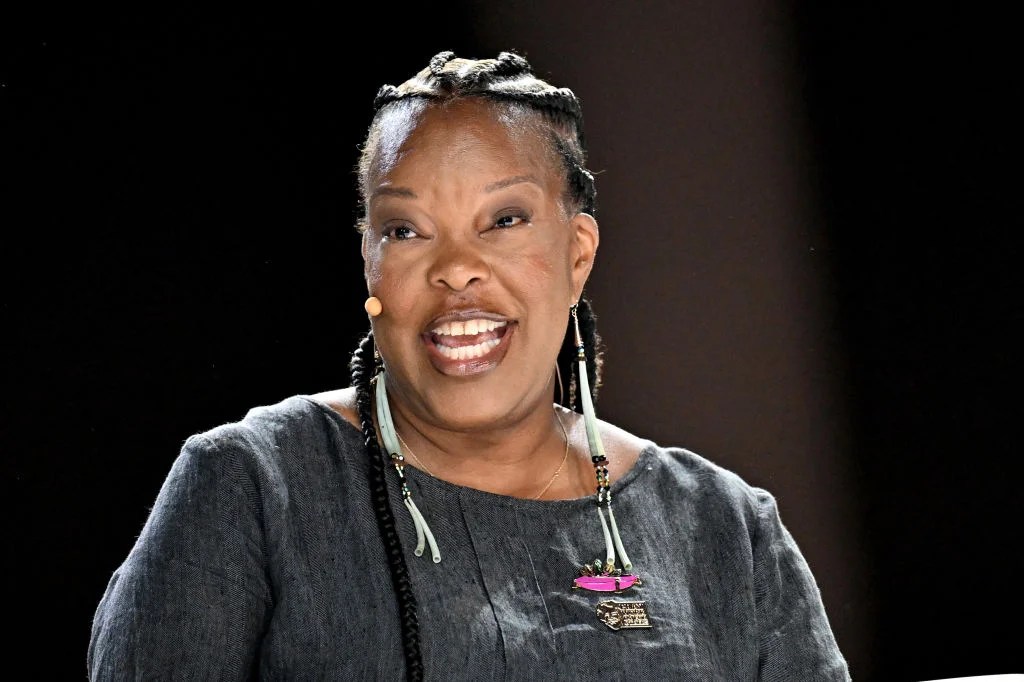
What often goes unrecognized in the hype around numbers on the company earnings call is the work of executives like
Charita Carter
, with her rare hybrid skills of not only in creative but finance.
Carter is
executive creative producer at Disney Imagineering.
In short, that is the business that comes up with the ideas for Disney's parks, cruise lines and other events. Carter, who started out as an accountant, has been at Disney for 18 years and the teams she has overseen received
20 patents
over the year for attractions that you and your kids likely have paid a ticket for.
It's not a stretch to say that all the cool stuff that Carter and Imagineering deliver has contributed to much of the success of
Disney Experiences
and why its chief,
Josh D'Amaro
, is a leading candidate to
succeed Disney CEO Bob Iger.
Carter's groundbreaking work has often required her teams to navigate the thorny issues around race and inclusion. Carter was tasked with upgrading the fan favorite
Splash Mountain
to
Tiana's Bayou Adventure,
which first faced opposition from Disney traditionalists opposed to change but Carter and Disney senior brass forged ahead. Tiana's Bayou Adventure featured the first African-American princess from the fan-favorite animated film. Our film writer Drew Taylor documented much of this effort to bring it to life earlier this year. And here's
Carter in a video
explaining why this project, in particular, inspired her.
A Black woman
in a senior leadership role anywhere is not common, but more so in Hollywood. Carter does not take that role lightly. 'I'm happy to say that (at) Imagineering …
I've had more positive experiences than I have had negative ones.
There have been negative experiences, but the positive ones have outweighed them, and as I've worked with teams now in the creative space for 15 years, yes,
I am an African-American producer
. But I'm,
I'm Charita Carter, I'm a known entity, first and foremost.
I think that our organization's magic is the people we work with and the fact that we work with so many amazing, talented, passionate people. That's the reason
I'm still here
," Carter told Forbes in 2022.

There are lots of cinematic remakes to watch out for
, The Economist
How sports gambling took over prediction markets in the US,
Financial Times
The Importance of Being Argumentative
, WSJ CEO Brief
WrapPRO
Subscribe
The post The Reset: Lessons From China's Ticket Stub Economy appeared first on The News Pulse.

Post a Comment for "The Reset: Lessons from China's Ticket Stub Economy"
Post a Comment