
Tired of Aching Joints? 10 Proven Natural Fixes

Understanding Rheumatoid Arthritis
Rheumatoid arthritis (RA) is an autoimmune disease that occurs when the body's immune system mistakenly attacks its own healthy cells, particularly targeting the lining of the joints. This leads to inflammation that can damage cartilage and bone over time, resulting in significant and often permanent loss of joint function. Common early symptoms include joint pain and stiffness, especially in the morning, along with swelling and redness. As RA progresses, it can affect the entire body, causing fatigue, weight loss, and sometimes a mild fever.
Without proper treatment, chronic inflammation can lead to severe joint deformity. The impact of RA extends beyond physical health, as it often affects individuals during their prime working years, leading to emotional and social stress, reduced productivity, and the need for extended sick leave.
Complementary Treatments: Medicinal Plants for RA
While advanced medical treatments have improved the prognosis for many people living with RA, herbal remedies are increasingly used as complementary therapies. These natural remedies can help alleviate inflammation and boost overall well-being, though they should not replace prescribed medication. It is important to consult a healthcare provider before starting any new treatment.
Proven Plants and Spices for Inflammation
Several plants and spices have been shown to be effective in reducing inflammation associated with RA:
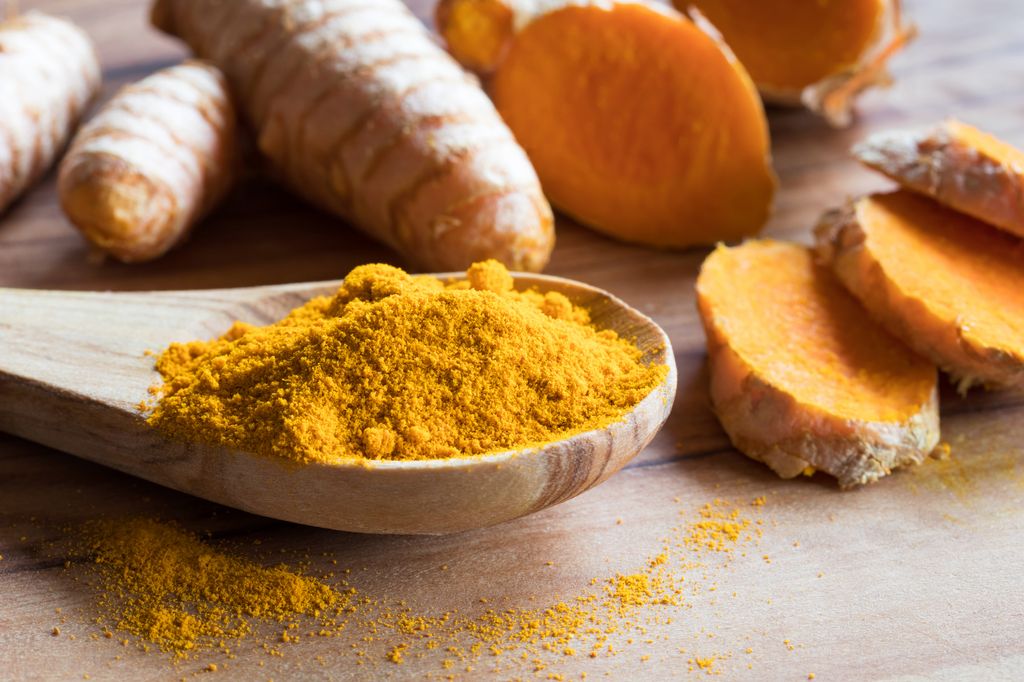
- Turmeric: Contains curcumin, which has powerful anti-inflammatory properties. Studies show that curcumin inhibits molecules involved in inflammation, helping reduce RA symptoms.
- Ginger: Known for its anti-inflammatory effects due to compounds like gingerols and shogaols. It can reduce joint inflammation and pain.
- Boswellia: Also known as Indian frankincense, this resin has anti-inflammatory properties and has been shown to reduce pain and stiffness in arthritis patients.
- White Willow Bark: Often called "natural aspirin," it contains salicin, which converts to salicylic acid in the body, helping reduce inflammation and joint pain.
RA Diet Plan: Anti-Inflammatory Foods
A diet rich in anti-inflammatory foods can significantly improve RA symptoms. Key recommendations include:
- Fatty Fish: Salmon, sardines, and mackerel are high in omega-3 fatty acids, which have potent anti-inflammatory effects.
- Fruits and Vegetables: Berries, spinach, and broccoli are rich in antioxidants that combat free radical damage.
- Nuts and Seeds: Walnuts, chia seeds, and flax seeds provide additional sources of omega-3.
- Green Tea: Contains polyphenols that act as powerful antioxidants with anti-inflammatory properties.
- Spices: Ginger and turmeric can be easily incorporated into meals for their anti-inflammatory benefits.
Top Supplements for Joint Health
Supplements can also support joint health and reduce RA symptoms. Recommended options include:
- Glucosamine and Chondroitin: Help maintain cartilage health.
- Omega-3: Found in fish oil, it is a powerful anti-inflammatory agent.
- Vitamin D and Calcium: Essential for strong bones and preventing joint damage.
- MSM (Methylsulfonylmethane): May help reduce pain and inflammation.
Managing Flare-Ups: Heat and Cold Therapy
Heat and cold therapies can provide relief during RA flare-ups. Applying heat via hot compresses or baths helps relax stiff muscles and improve blood flow. Cold therapy, on the other hand, reduces inflammation and numbs painful areas, making it ideal for acute pain.
Exercise and RA: Safe Workouts for Flexibility
Moderate exercise plays a crucial role in managing RA symptoms. Activities such as walking, swimming, yoga, and Pilates can improve flexibility and muscle strength without putting excessive strain on the joints. Regular physical activity enhances blood circulation, aiding tissue recovery and reducing overall inflammation.

Obesity and RA: The Importance of Weight Management
Obesity is a growing public health concern and is linked to chronic inflammatory conditions like RA. Studies show that obesity increases the risk of developing RA and worsens joint pain and inflammation. Maintaining a healthy weight is essential for managing RA effectively.
Reducing Risk: RA, Systemic Inflammation, and Cardiovascular Health
Severe obesity increases the risk of cardiovascular diseases (CVD), which are major causes of illness and death in RA patients. Systemic inflammation contributes to atherosclerosis, exacerbating existing risk factors like hypertension and dyslipidaemia. Managing inflammation through a healthy lifestyle, including a balanced diet, regular exercise, and stress reduction, is vital for preventing long-term complications.
Conclusion
Combining conventional medical treatments with natural remedies, dietary changes, supplements, and lifestyle modifications can significantly improve the quality of life for individuals with rheumatoid arthritis. By addressing both the physical and emotional aspects of the condition, patients can better manage their symptoms and reduce the risk of long-term complications.





Post a Comment for "Tired of Aching Joints? 10 Proven Natural Fixes"
Post a Comment