
Trump Hesitates on Venezuela Strikes, Warns Top Aides
The U.S. Military Buildup in the Caribbean
President Trump has shown hesitation regarding military action to remove Venezuelan President Nicolás Maduro, according to U.S. officials. This hesitation stems from concerns that strikes might not effectively force Maduro out of power. The administration’s approach to Venezuela remains uncertain, despite a significant increase in military presence in the region and public threats from Trump about potential attacks.
The situation began as a counternarcotics initiative involving airstrikes on drug-trafficking vessels but has evolved into one of the largest U.S. military buildups in the Caribbean in recent decades. This buildup is now focused on pressuring or potentially removing Maduro from power. However, key decisions, such as whether the goal is to oust Maduro or get him to make concessions, are still under discussion.
Trump continues to ask his aides about military options, leading some to believe he may eventually authorize an attack. The options range from increasing economic pressure through sanctions and tariffs to conducting military actions inside Venezuela, including targeting government and military facilities.
For now, the administration is content with gradually increasing U.S. forces in the region and continuing to strike boats involved in drug smuggling. A recent attack in the Eastern Pacific resulted in the destruction of a vessel and the death of two alleged drug traffickers. During a speech in Miami, Trump stated, “We’re blowing them up, linked to the Maduro regime in Venezuela and others.”
There is no set timeline for a decision on escalating the campaign. Trump remains cautious about direct involvement in Venezuela after a previous attempt to oust Maduro through support for his opposition failed. He also has reservations about using the military for regime change.
“The president has said he would continue to strike narcoterrorists trafficking illicit narcotics—anything else is speculation and should be treated as such,” said Karoline Leavitt, the White House press secretary.
Options for Increasing Pressure on Maduro
U.S. officials have presented Trump with three main options to increase pressure on Maduro:
- Economic Pressure: Imposing stricter sanctions and increasing tariffs on countries that purchase Venezuela’s oil.
- Support for Opposition: Bolstering the Venezuelan opposition while adding more U.S. military assets in the region to apply pressure on Maduro.
- Military Action: Launching airstrikes or covert operations against government and military facilities and personnel.
The Justice Department is working on a legal justification for targeting Maduro as part of a military operation, although officials did not respond to requests for comment.
The Trump administration has labeled Maduro a “narco-terrorist” and accused him of leading a trafficking network that aims to flood the U.S. with cocaine. In August, the U.S. offered a $50 million reward for information leading to the arrest or conviction of Maduro for narcotrafficking.
U.S. officials believe that the steps already taken could encourage members of Venezuela’s security elite to turn against Maduro and oust him. The administration has been in contact with the Venezuelan opposition, and opposition leader María Corina Machado urged Maduro to accept a transition, stating, “If he accepts a transition, it will move forward orderly and faster—but it will take place regardless of whatever Maduro does.”
Some U.S. officials argue that there is no need to force out Maduro if he agrees to curb drug trafficking, allow greater U.S. access to Venezuela’s oil reserves, and commit to fair elections.
Political Divisions and Concerns
Senator Jim Risch (R, Idaho), chair of the Senate Foreign Relations Committee, stated that Maduro has conspired with U.S.-designated terrorist drug cartels and will face similar consequences. However, Risch noted that there is no indication the U.S. is preparing for military action against Venezuela.
On the other hand, some senior Democrats, like Rep. Jim Himes (D., Conn.), believe it is unlikely that Trump will take military action. Himes expressed skepticism about the likelihood of U.S. military involvement in Latin America.
Secretary of State Marco Rubio, who also serves as Trump’s national security adviser, has played a key role in shaping the strategy and military campaign against drug boats. He briefed lawmakers on the plan recently.
Trump has publicly warned about possible attacks inside Venezuela, suggesting that “the land is going to be next.” However, he has since softened his stance, denying any plans to bomb military targets in Venezuela and expressing doubt about going to war with the country.
Maduro has accused the U.S. of trying to overthrow him, calling the military campaign “regime change through military threat.” Despite this, Maduro has promised to provide data showing his country does not traffic drugs and has expressed willingness to ease tensions.
Military Deployment and Strategic Considerations
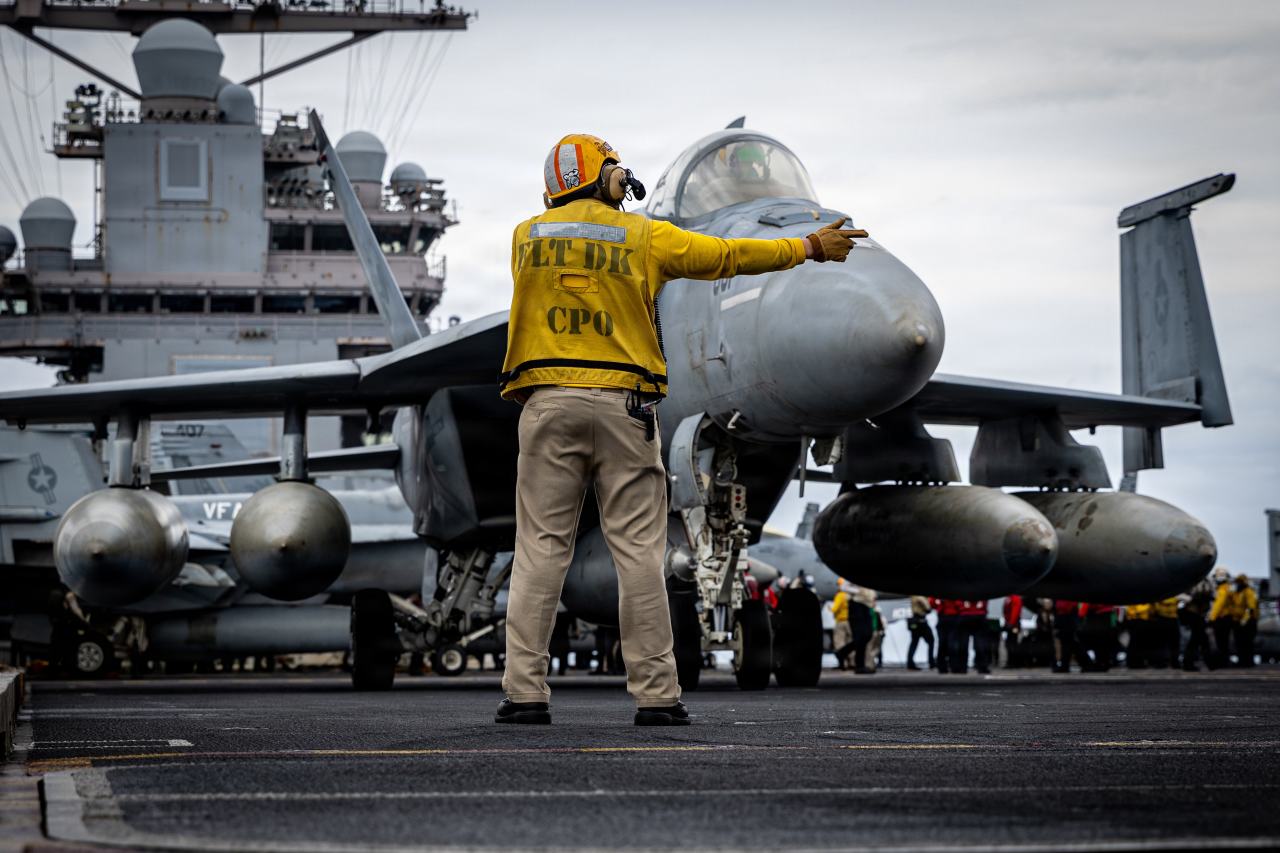
The Pentagon announced the deployment of the aircraft carrier USS Gerald R Ford and its carrier strike group to the Caribbean, where it will join eight naval warships already in the region. This move increases U.S. firepower in case of potential airstrikes using jet fighters and long-range Tomahawk cruise missiles.
The carrier’s journey across the Mediterranean has been slower than expected, likely due to additional training and maintenance before entering a potential conflict zone. Experts suggest that the slower pace allows the crew to prepare for operations in the Caribbean.
“When they deployed, they probably didn’t prepare for this scenario, this operation in the Caribbean,” said Bryan Clark, a senior fellow at the Hudson Institute. “I think this is probably the need for them to make sure that they are proficient at the kinds of actions they would need to do in the Caribbean.”

Post a Comment for "Trump Hesitates on Venezuela Strikes, Warns Top Aides"
Post a Comment