
Trump's Obamacare Plan: Give Money to Consumers, Not Insurers
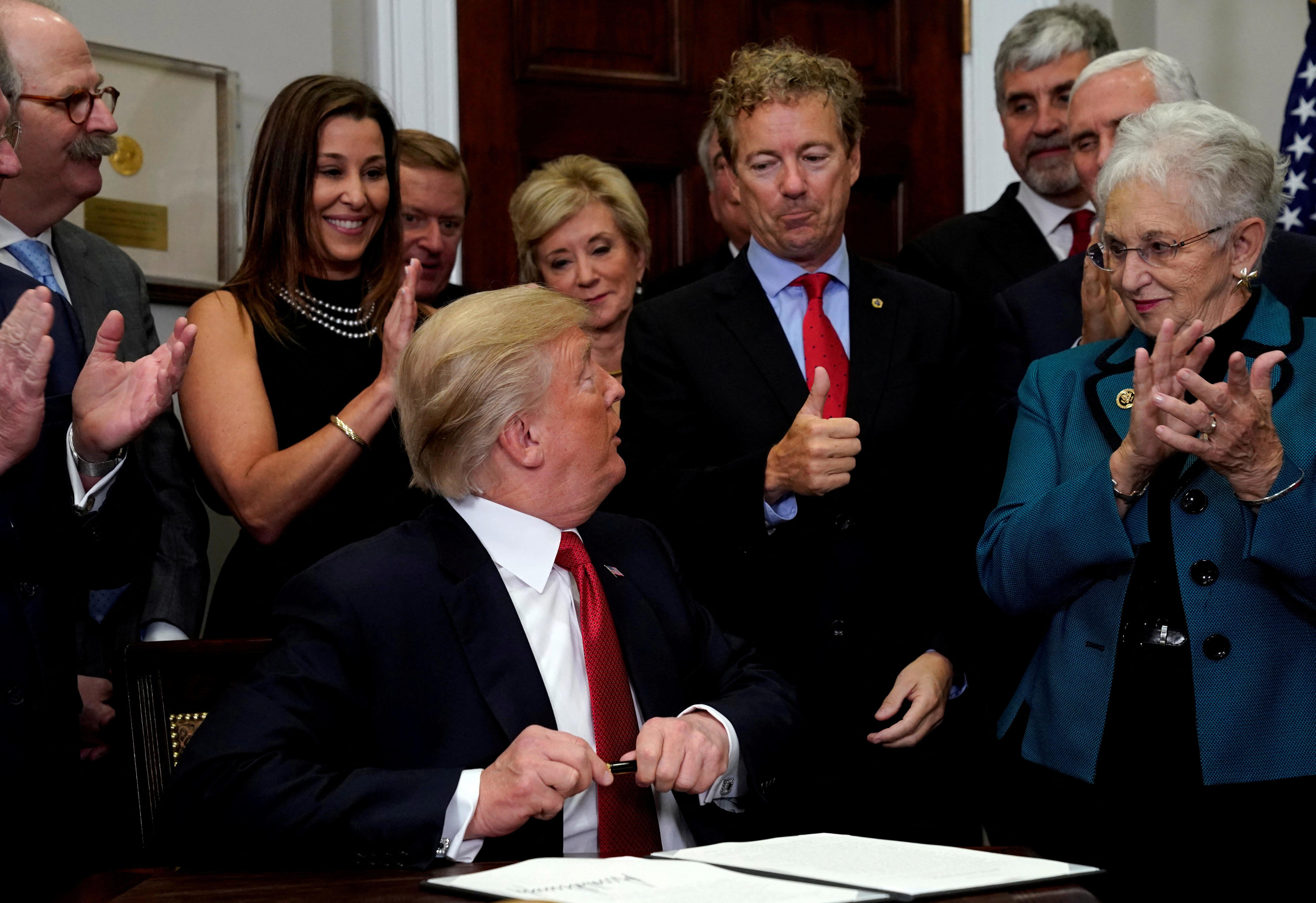
President Donald Trump and Republicans have proposed an alternative to the Affordable Care Act: sending money directly to consumers instead of health insurance companies. This idea has gained traction as Congress continues to debate the future of affordable health insurance for millions of Americans.
Republican Proposals and the Debate Over Tax Credits
Republicans are promoting various proposals, though many details remain unclear. They argue that this approach would give individuals more control over their healthcare spending. Meanwhile, Democrats aim to strengthen the Affordable Care Act by extending tax credits that were introduced during the COVID-19 pandemic. These credits are set to expire at the end of 2025, which could cause average costs for 22 million Americans with subsidized ACA insurance to more than double starting January 1, 2026, according to KFF, a health policy nonprofit.
Senate Majority Leader John Thune, R-South Dakota, has promised a vote on extending these tax credits by mid-December, but he has not guaranteed Republican support. House Speaker Mike Johnson, R-Louisiana, has also avoided committing to a vote, calling the enhanced tax credits a "boondoggle." When signing legislation to end the 43-day government shutdown without extending the subsidies, Trump stated his desire for "money to go directly to you, the people."
The Impact on Rising Healthcare Costs
While the tax credits would make Obamacare insurance more affordable for millions, they do little to address the broader issue of rising healthcare costs. Americans spend more on medical care than any other nation, and these rising costs lead to higher insurance rates that affect everyone, regardless of their coverage type—whether through employers, Medicare, or the ACA.
More than 150 million Americans who get coverage through their employer will see average costs in 2026 rise at the highest level in a decade. Additionally, older Americans on Medicare will face a 9.7% increase in Part B premiums, straining affordability for seniors who rely on Social Security to manage their expenses.
How Would Sending Money Directly to Consumers Work?
Trump has not provided detailed plans for his proposal. In a November 18 post on Truth Social, he stated, "THE ONLY HEALTHCARE I WILL SUPPORT OR APPROVE IS SENDING THE MONEY DIRECTLY BACK TO THE PEOPLE," instead of insurance companies.
Several members of Congress, former Trump administration officials, and academic researchers have suggested using health savings accounts (HSAs) to fund healthcare. HSAs are typically used by working-age Americans with employer-sponsored health insurance. These accounts allow consumers to save money before taxes for eligible expenses like doctor visits, hospital bills, or prescription drugs.
Sen. Bill Cassidy, R-Louisiana, has proposed pairing HSAs with "bronze" level Affordable Care Act plans. Families would receive federal money deposited into an HSA to shop for healthcare services. "It empowers the patient to lower the cost," Cassidy said during a Senate hearing.
Brian Blase, a White House adviser during the first Trump administration, has suggested shifting a portion of Obamacare funding to HSAs for low-income enrollees. Under his proposal, lower-income consumers could choose to direct subsidies to an HSA rather than send payments directly to insurance companies.
Sen. Rick Scott, R-Florida, recently announced a bill that would convert the ACA's cost-sharing reduction payments into HSA-style "Trump Health Freedom Accounts." States would need to submit a waiver to the federal government to establish these accounts, which could be used to pay for health insurance premiums. Currently, HSAs cannot be used to pay for health insurance premiums, except under limited circumstances.
"Americans will always make a better choice for their families than the government will," Scott said in a statement. "We should give them that opportunity and take a huge step forward in fixing Obamacare."
Democratic Concerns About the 'Cliff'
Democrats are skeptical about the timing of these Republican proposals. They warn that there isn't enough time to reform the ACA's tax credits without risking coverage for millions of Americans. Sen. Catherine Cortez Masto, a Nevada Democrat, described the situation as a "cliff," arguing that Congress should extend the enhanced premium tax credits for one year to allow for thoughtful long-term reforms.
Sen. Ron Wyden, D-Oregon, agreed that it is unlikely Congress can craft a viable health reform plan in the next few weeks. He emphasized the need to extend the tax credits first, stating, "There is no way for Congress to put together a proposal in the next couple of weeks that's going to help people in January."
Health policy experts also express skepticism about diverting existing ACA subsidies to HSAs. Such a move could destabilize the ACA marketplaces, potentially causing healthier individuals to drop coverage and leaving sicker people in the insurance pools, which could drive up premiums.
"The original tax credits that have existed since the ACA was first passed, that's what keeps that market working," said Cynthia Cox, KFF's vice president and director of the Program on the ACA. "Without those tax credits, the market collapses, and then there's no option for people who have preexisting conditions to get health insurance."
Robert Kaestner, an economist and research professor at the University of Chicago, noted that the concept of sending money directly to consumers is not new. "This has been the conservative health reform plan for 40 years," he said. While HSAs might work for middle- and higher-income individuals, he argued that lower-income families lack the financial cushion to handle costly health events like cancer treatment.
"The HSA can't cover your cancer care," Kaestner said.

Post a Comment for "Trump's Obamacare Plan: Give Money to Consumers, Not Insurers"
Post a Comment