
Ukraine War Update: Bulgaria Seizes Russian Oil Refinery
Bulgaria Drafts Law to Seize Russian Oil Refinery
Bulgaria is taking significant steps to address the impact of international sanctions on its energy sector. The country is drafting new legislation that would allow it to seize control of an important oil refinery belonging to Russia's sanctioned oil giant, Lukoil. This move comes as part of a broader effort to protect the plant from the repercussions of U.S. sanctions imposed on Russia's largest oil companies over its ongoing conflict in Ukraine.
The Burgas refinery is the only one of its kind in Bulgaria and has historically been a vital component of Lukoil's foreign business empire. With the U.S. joining Britain in imposing sanctions on Russia's two largest oil companies, the situation for Lukoil has become increasingly precarious. The draft legislation aims to ensure that the refinery remains operational and accessible despite these challenges.
The proposed law would permit a special manager to oversee the sale of the Burgas oil refinery, with the owner, Lukoil, having no right to vote on or appeal against the decision. This measure is seen as a strategic move to safeguard the facility from potential disruptions caused by the sanctions. Public broadcaster BNT quoted Boyko Borissov, former prime minister and leader of the GERB party, as stating that there is "a lot of logic" in this approach.
This development highlights the complex interplay between international politics, energy security, and economic stability. As global tensions continue to escalate, countries like Bulgaria are navigating the delicate balance between maintaining economic ties and adhering to international sanctions regimes.
Key Points
- Bulgaria drafts law to seize and sell Russian oil refinery
- Why talk of the fall of Pokrovsk – and Ukraine – is premature
- Putin's aides push him for full-scale nuclear tests
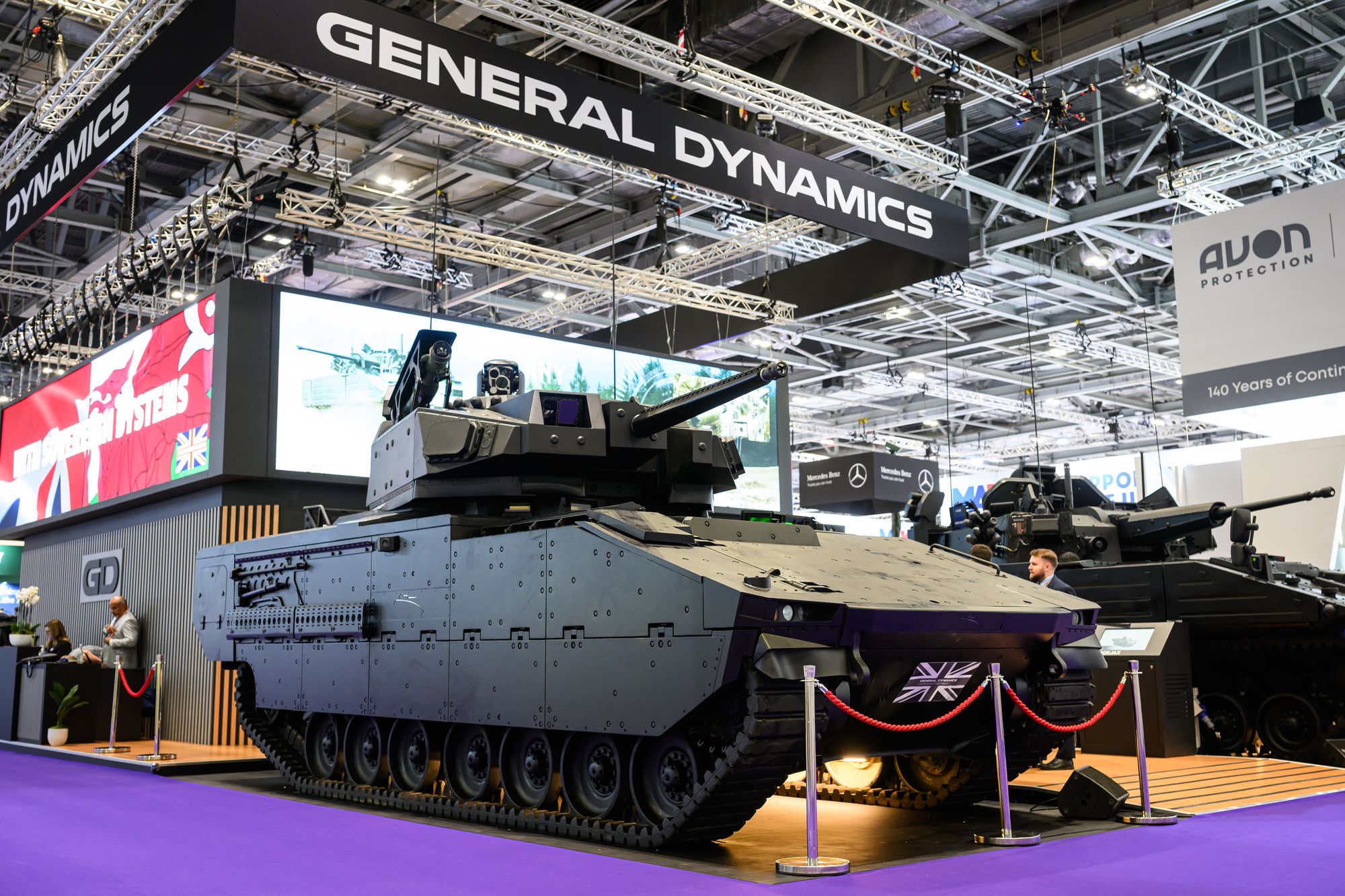
- Britain may send troubled Ajax vehicles to Ukraine
- Putin orders defence of oil sites from Ukrainian drone attacks
Russia's Nuclear Testing Plans and International Reactions
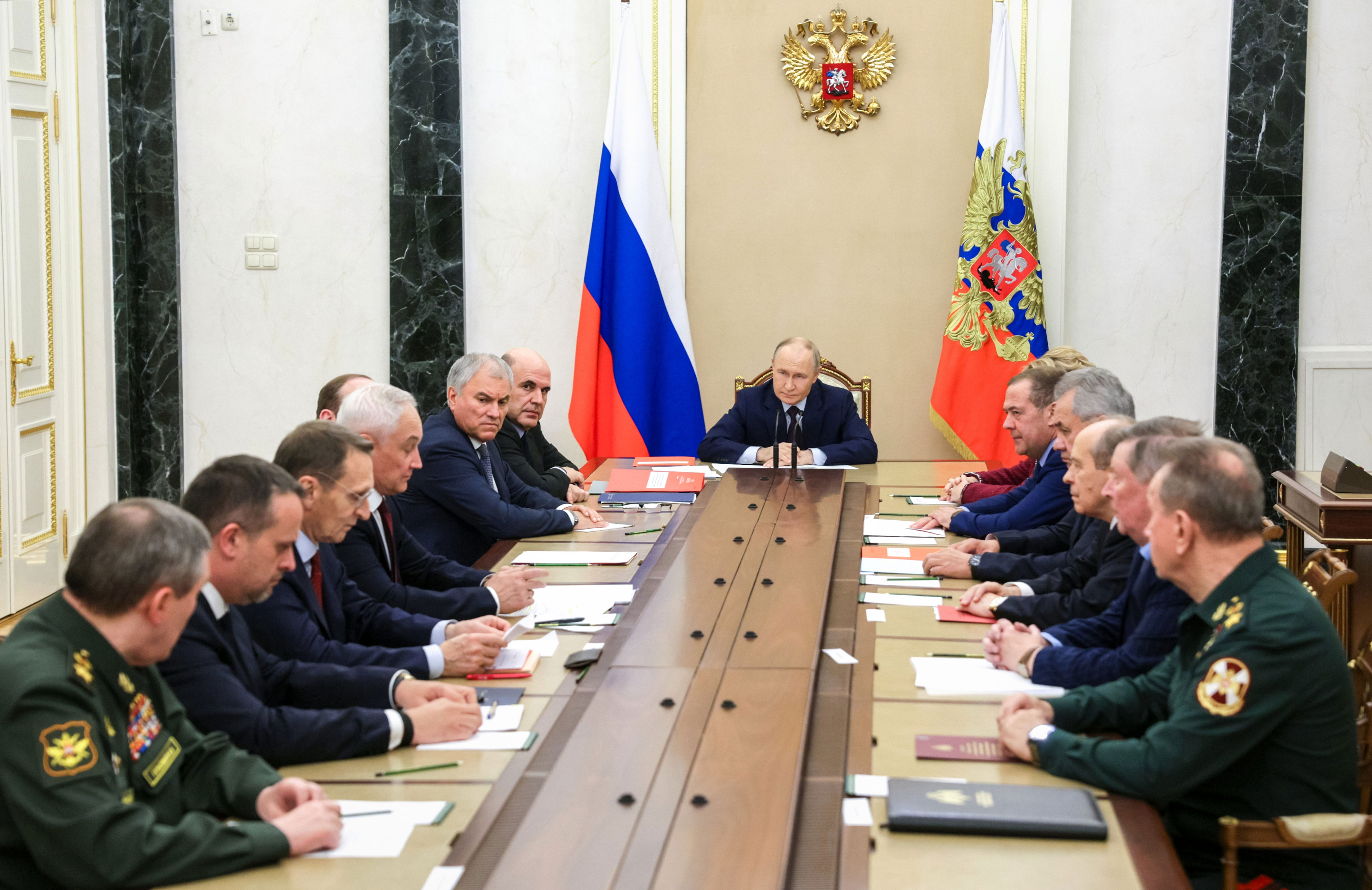
In a significant escalation, Russian President Vladimir Putin has ordered his aides to prepare for full-scale nuclear testing. This directive follows U.S. President Donald Trump's announcement that the United States would resume nuclear weapons testing after more than three decades. Putin's decision has sparked concerns among international observers, who fear that such actions could destabilize global security.
Russian Defence Minister Andrei Belousov has urged Putin to consider immediate preparations for nuclear tests, citing recent U.S. remarks and actions as justification. The comments were made during a meeting between Putin and his Security Council, where parliamentary speaker Vyacheslav Volodin raised the issue of how Moscow should respond to Trump's threat to conduct the first U.S. nuclear weapons test in 33 years.
General Valery Gerasimov, head of the General Staff, emphasized the urgency of taking appropriate measures, warning that failing to act now could result in lost opportunities for a timely response. He noted that the time required to prepare for nuclear tests, depending on their type, ranges from several months to several years.
Security analysts warn that a resumption of nuclear testing by any of the world's nuclear powers would be destabilizing, potentially triggering a similar response from other nations. This concern is particularly relevant given the current geopolitical climate, where tensions between major nuclear powers are already high.
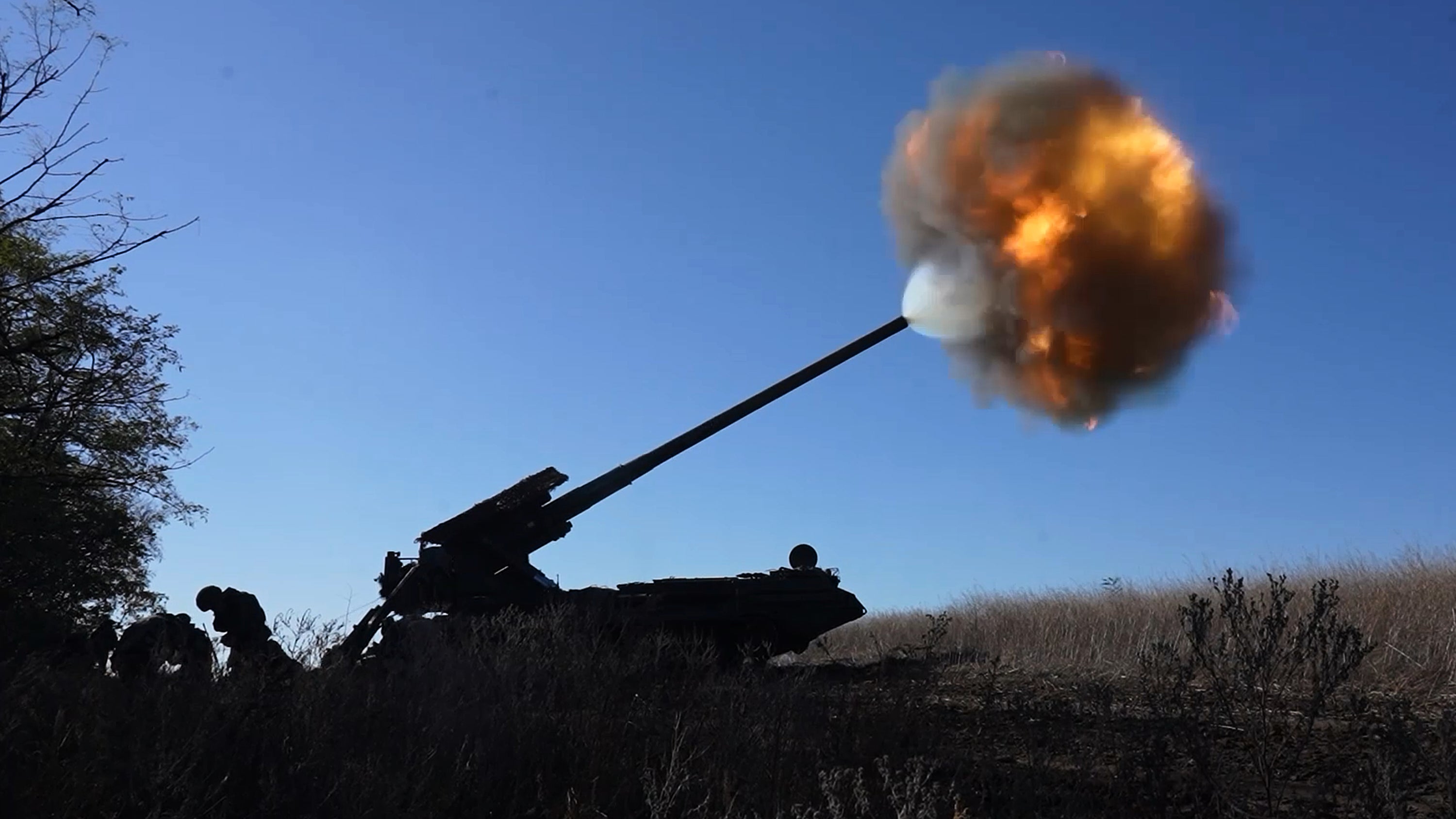
European Defense Against Russian Drone Incursions
Poland and Romania are deploying a new American weapons system, Merops, to defend against Russian drones. This follows recent incursions into NATO airspace, which have exposed the alliance’s vulnerabilities and put Europe on edge. The American-made Merops system, compact enough for a mid-sized pickup truck, identifies and intercepts drones. It crucially employs artificial intelligence to navigate even when satellite and electronic communications are jammed.
The deployment of Merops is part of a broader effort to enhance Europe's defenses against the growing threat of Russian drone attacks. The system will also be used by Denmark, as part of a move to boost defenses on the alliance’s eastern flank. This initiative underscores the urgent need for NATO to strengthen its capabilities in the face of evolving threats.
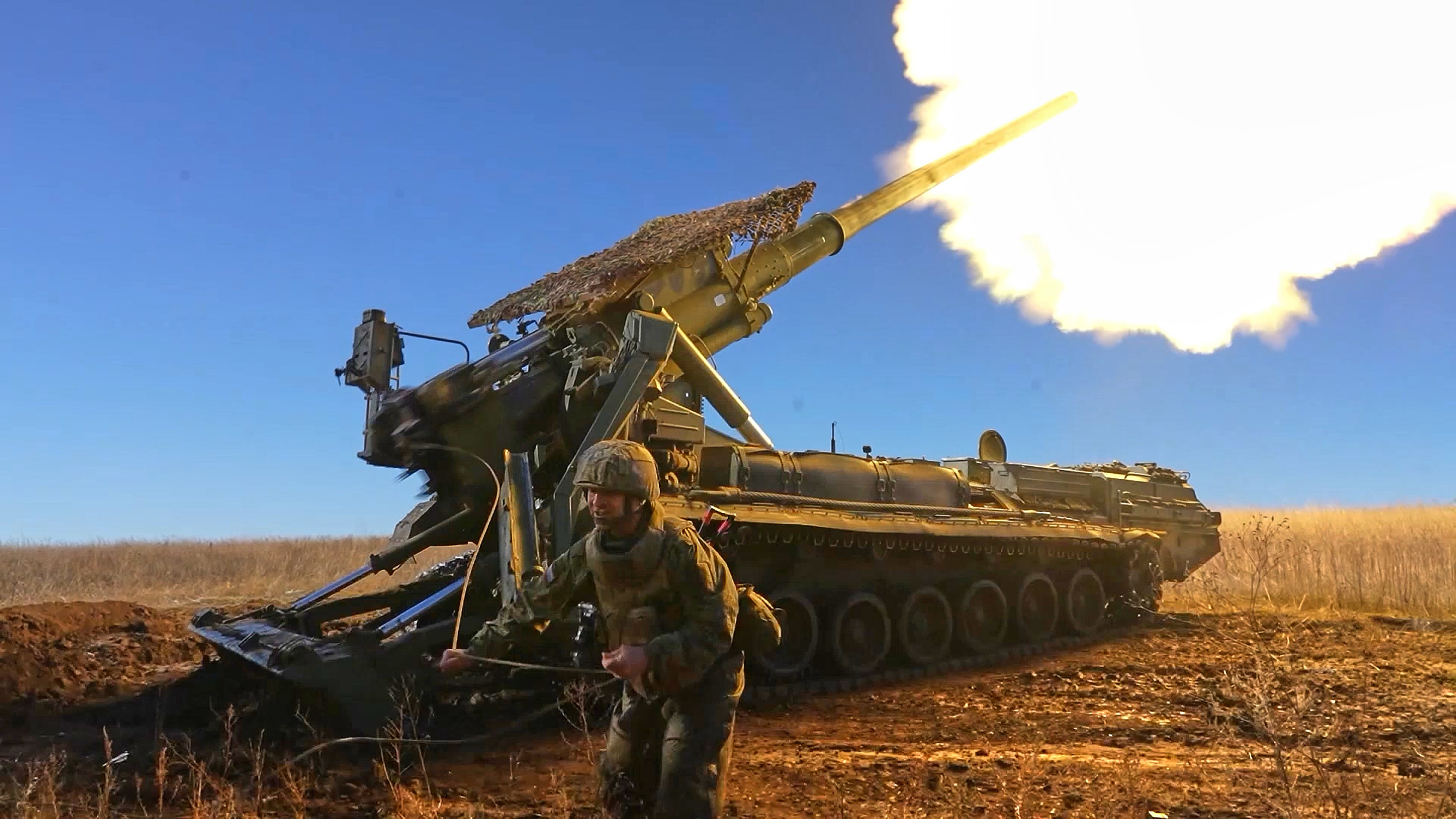
Ukraine's Drone Strikes on Russian Infrastructure
Ukraine has continued its campaign of drone strikes against Russian infrastructure, targeting key facilities in the Volgograd region. The attack on the Volgograd oil refinery was the second such strike in almost three months, according to Ukraine's general staff. While Russian officials did not confirm the attack, the local governor reported that drones started a fire at an unspecified industrial facility in the region.
The Volgograd refinery is the largest producer of fuel and lubricants in Russia's Southern Federal District, processing more than 15 million tons of crude annually — about 5.6% of the country's total refining capacity, according to Ukrainian officials. These strikes highlight the ongoing efforts by Ukraine to disrupt Russia's war effort by targeting critical infrastructure.
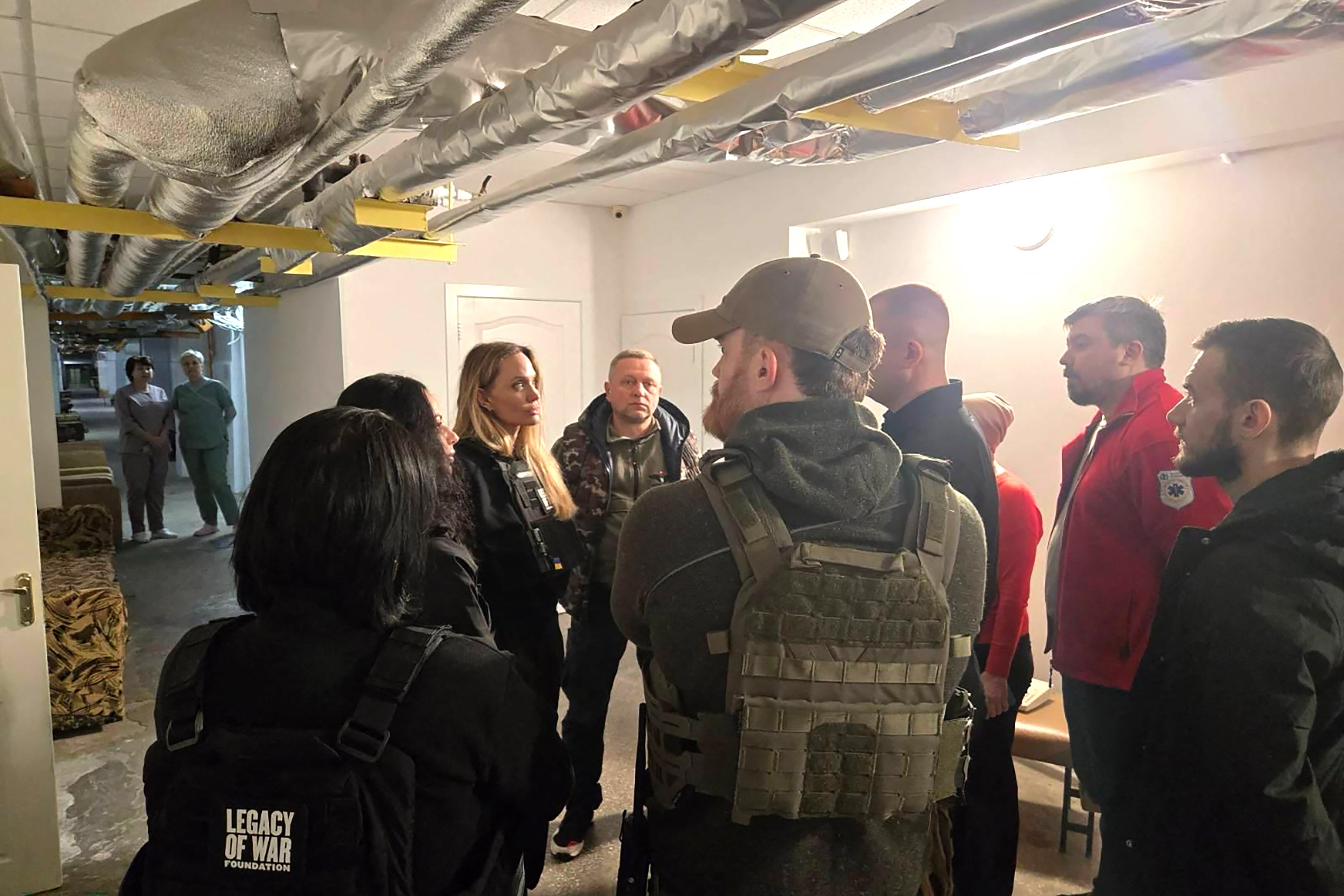
Angelina Jolie's Visit to Ukraine's Frontline Region
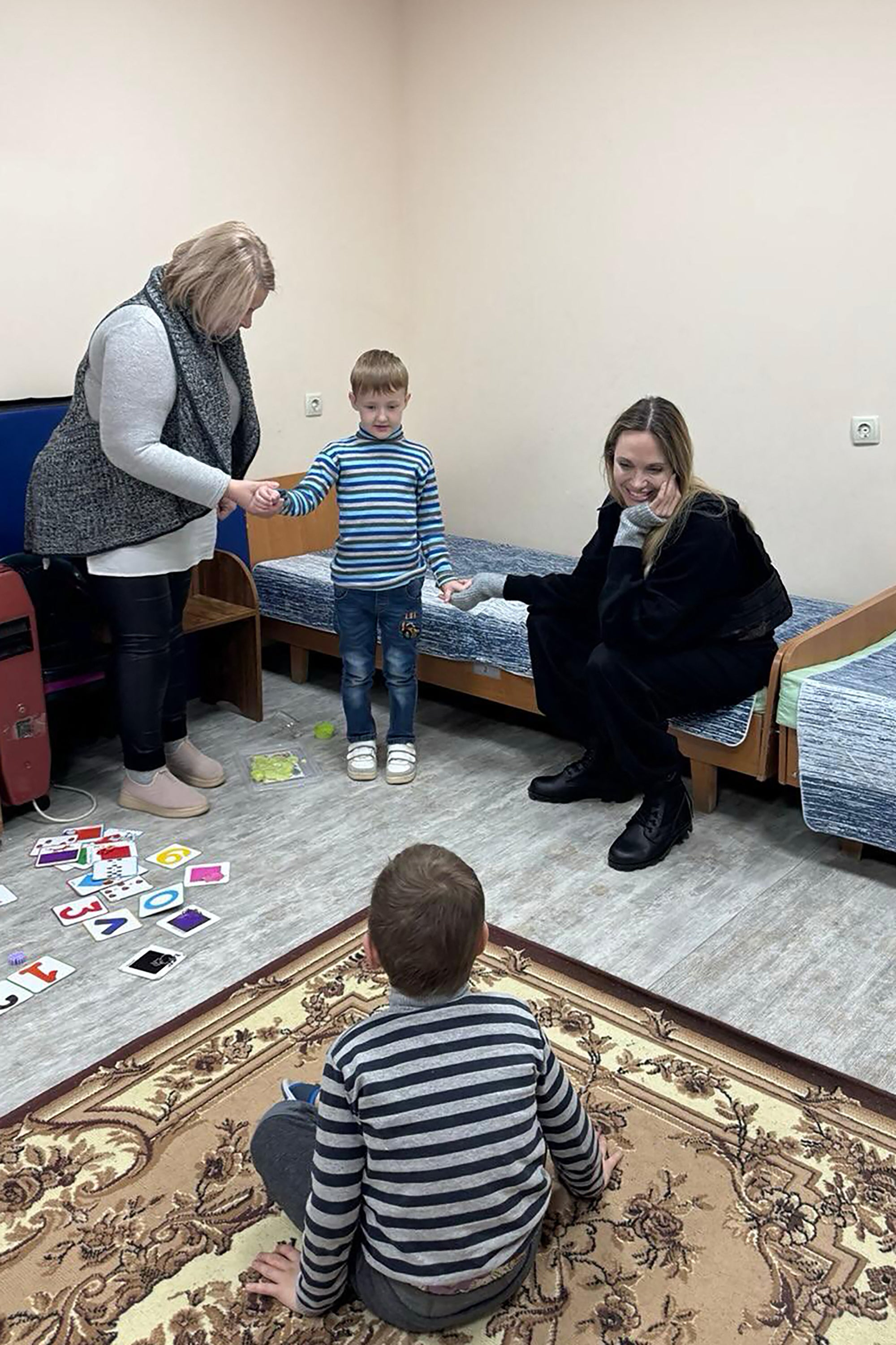
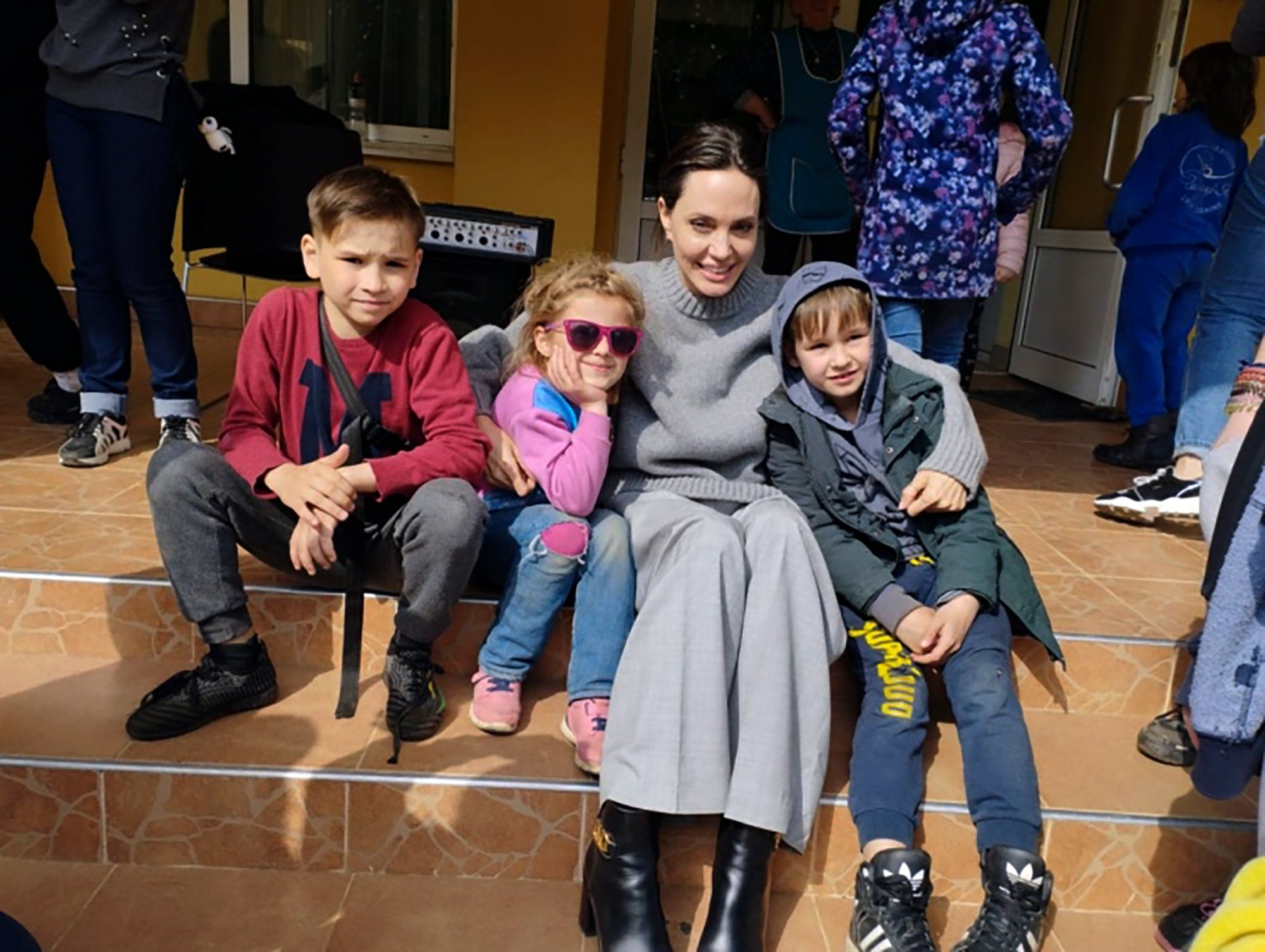
Hollywood actor Angelina Jolie made a surprise visit to Ukraine's frontline region, meeting medical staff, volunteers, and civilians living under constant attacks from Russian troops. Her visit took place in Kherson and nearby Mykolaiv, where she expressed admiration for the resilience of the local population.
Jolie's visit was marked by a moment of tension when her local driver was press-ganged into the military. Despite this, she remained focused on her mission to support those affected by the conflict. Her presence brought attention to the ongoing humanitarian crisis in the region and highlighted the need for continued international support.
South Africa Investigates Citizens Lured into Mercenary Forces
South Africa's government has launched an investigation into how 17 of its citizens were tricked into joining mercenary forces in the Russia-Ukraine war. The men, aged between 20 and 39, were lured into joining mercenary forces "under the pretext of lucrative employment contracts" and had issued distress calls after becoming trapped in Ukraine's eastern Donbas region.
President Cyril Ramaphosa has ordered an investigation into the circumstances that led to the recruitment of these young men into these seemingly mercenary activities. The incident has raised concerns about the vulnerability of South African citizens to exploitation by foreign entities.
Poland Launches New Military Programme
Poland is rolling out a new military programme this month as part of a broader plan to train around 400,000 people in 2026. The programme, dubbed "At Readiness," will be voluntary and open to all citizens, from schoolchildren to working adults, companies, and seniors. It will offer a basic security course, survival training, medical instruction, and cyber-hygiene classes.
This initiative reflects Poland's increased focus on national defense following Russia's invasion of Ukraine. The country now spends more of its GDP on defense than any other NATO member and plans to expand its forces by nearly a third over the next decade.
Belgium Enhances Airspace Surveillance
Belgium is working to improve surveillance of its airspace following repeated sightings of drones over its airports and military bases. Defence Minister Theo Francken announced that a national air security centre would be operational by January 1, 2026. If suspect drones are sighted in the meantime, "where possible we will try to take them down, we will try to jam them," he said.
Belgium's government will also discuss the acquisition of "counter-drone material" on Friday. This move comes amid heightened concerns about drone incursions, which have been linked to hybrid warfare by Russia. Although Belgium has not confirmed the involvement of Russian forces, the incidents have raised alarms across the region.
EU Urges Russia to Halt Nuclear Threats
The European Union has urged Russia to stop making nuclear threats and called on all parties to avoid actions that could spark a new arms race. A spokesperson for the EU stated, "The EU urges Russia to refrain from nuclear threats and all actors to avoid actions that could trigger a new arms race."
This statement comes in response to Russian President Vladimir Putin's order for officials to draft plans for a possible nuclear test, Moscow's first since 1991, in response to U.S. President Donald Trump's announcement that the U.S. would resume testing. The EU's call for restraint highlights the growing concerns about the potential for a new nuclear arms race.
Ukraine's Sanctions Against Russia
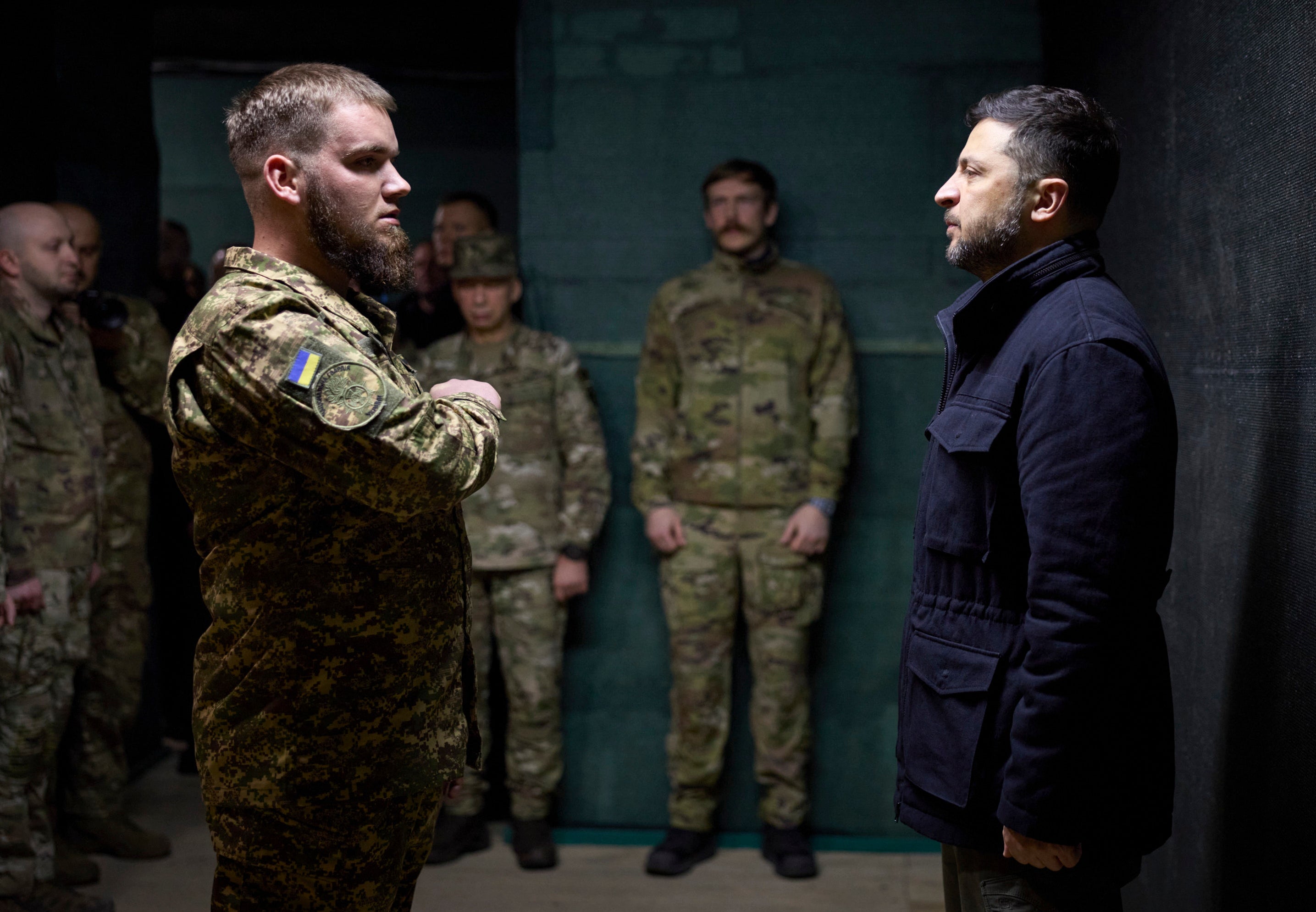
Ukrainian President Volodymyr Zelensky has signed off several new sanction decisions against Russia in an effort to put pressure on Moscow. He stated that the EU's 19th sanctions package against Russia for this war is now in effect in Ukraine. Zelensky emphasized the importance of extending European Union sanctions into the jurisdictions of other European countries outside the EU.
The new sanctions target Russian entities involved in resource extraction in the Arctic, which contributes to funding Russia's ability to wage war. Zelensky also mentioned that his government is preparing new decisions by the National Security and Defense Council of Ukraine based on relevant submissions regarding entities in Russian propaganda and military production, as well as collaborationists.
Hungary's Relations with Russia and the U.S.
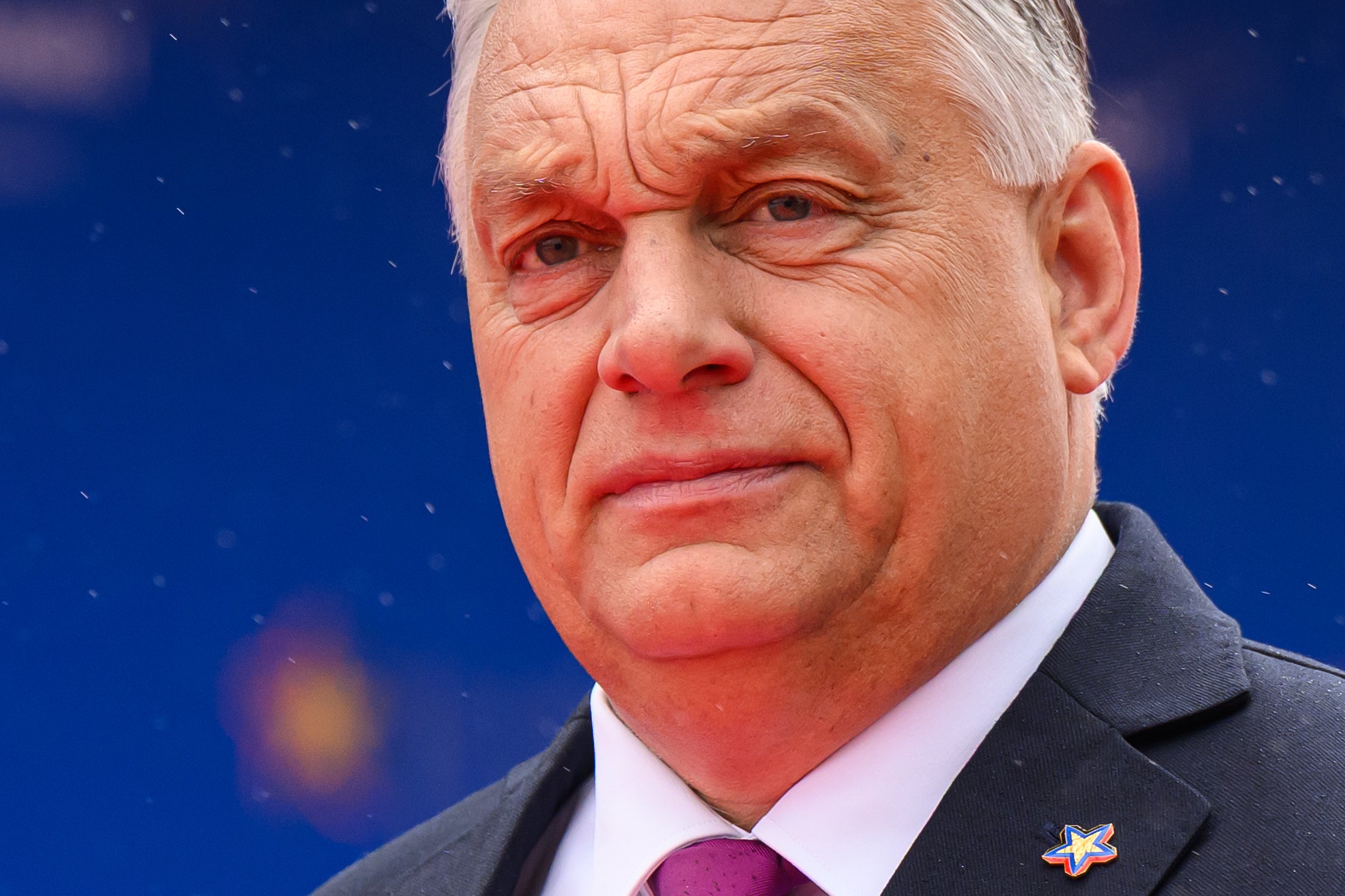
Hungarian Prime Minister Viktor Orban is set to meet with U.S. President Donald Trump, with the priority being to convince the administration to turn a blind eye to Hungary's commitment to buying Russian oil. Orban has maintained warm relations with the Kremlin despite its war against Ukraine, and has curried favor with Trump and his MAGA movement.
However, Orban is under increasing pressure from both Brussels and Washington to end Hungary's reliance on Russian oil, a resource seen as critical for funding Moscow's war. Last month, the Trump administration levied sanctions on Russian state-affiliated energy giants Lukoil and Rosneft that could expose their foreign buyers — like India, China, and Hungary — to secondary sanctions.
Ukraine's Military Strategy and Drone Campaign
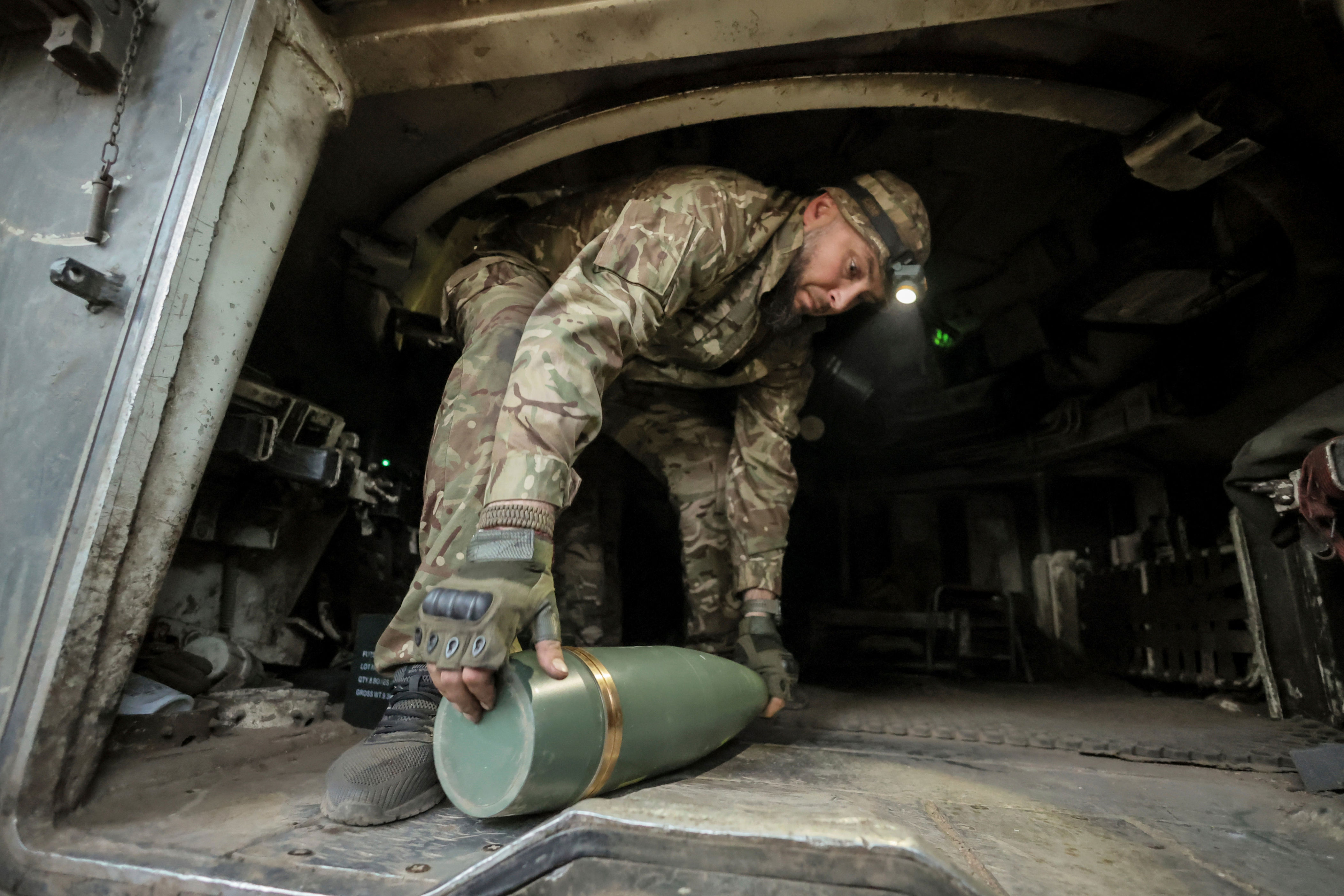
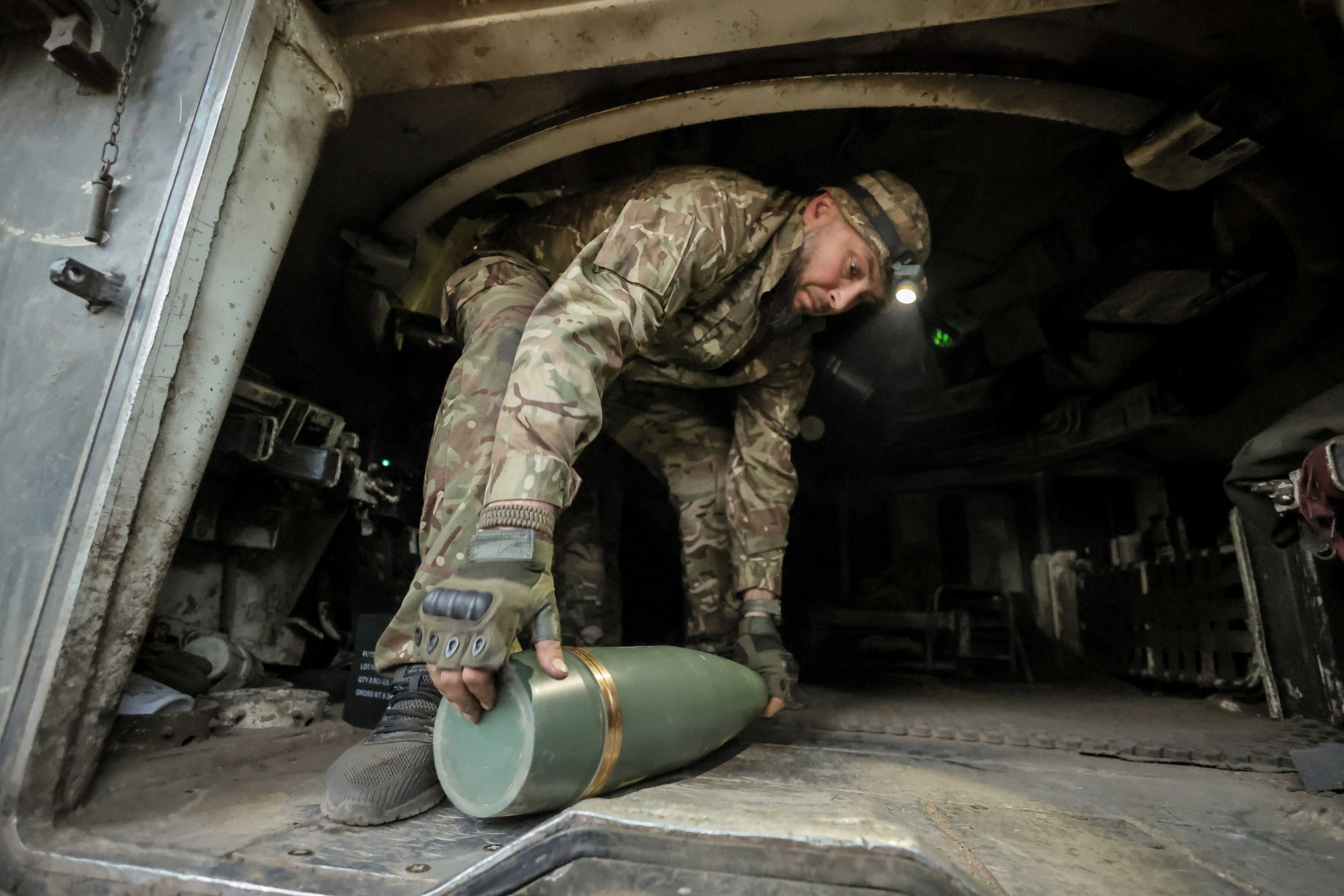
Ukraine's military has continued its aggressive strategy, targeting Russian oil refineries, depots, and pipelines in a bid to undermine the Russian economy as Russian forces advance in eastern Ukraine. The use of domestically produced drones has allowed Ukraine to strike deep inside Russian territory, causing embarrassment for Moscow and disrupting its war effort.
Recent drone strikes have targeted key infrastructure, including an industrial plant around 1,300km (800 miles) inside Russia. These attacks have forced Moscow to increase its defenses against Ukrainian drone attacks, leading to the deployment of millions of reservists to protect Russian oil facilities.
The Broader Implications of the Conflict
The ongoing conflict between Russia and Ukraine has far-reaching implications for global security and economic stability. The situation in Pokrovsk, a strategic city in eastern Donetsk, has become a focal point of the fighting, with both sides claiming victories and setbacks. The battle for Pokrovsk is seen as a critical step in Russia's attempt to capture the remaining 10% of Ukraine's eastern industrial Donbas region.
As the conflict continues, the international community remains vigilant, with concerns about the potential for further escalations, including the resumption of nuclear testing and the spread of drone attacks across Europe. The situation underscores the need for sustained diplomatic efforts to de-escalate tensions and find a peaceful resolution to the conflict.

Post a Comment for "Ukraine War Update: Bulgaria Seizes Russian Oil Refinery"
Post a Comment