
Virtual Learning's Enduring Impact: Indiana Students and Schools Reap Benefits
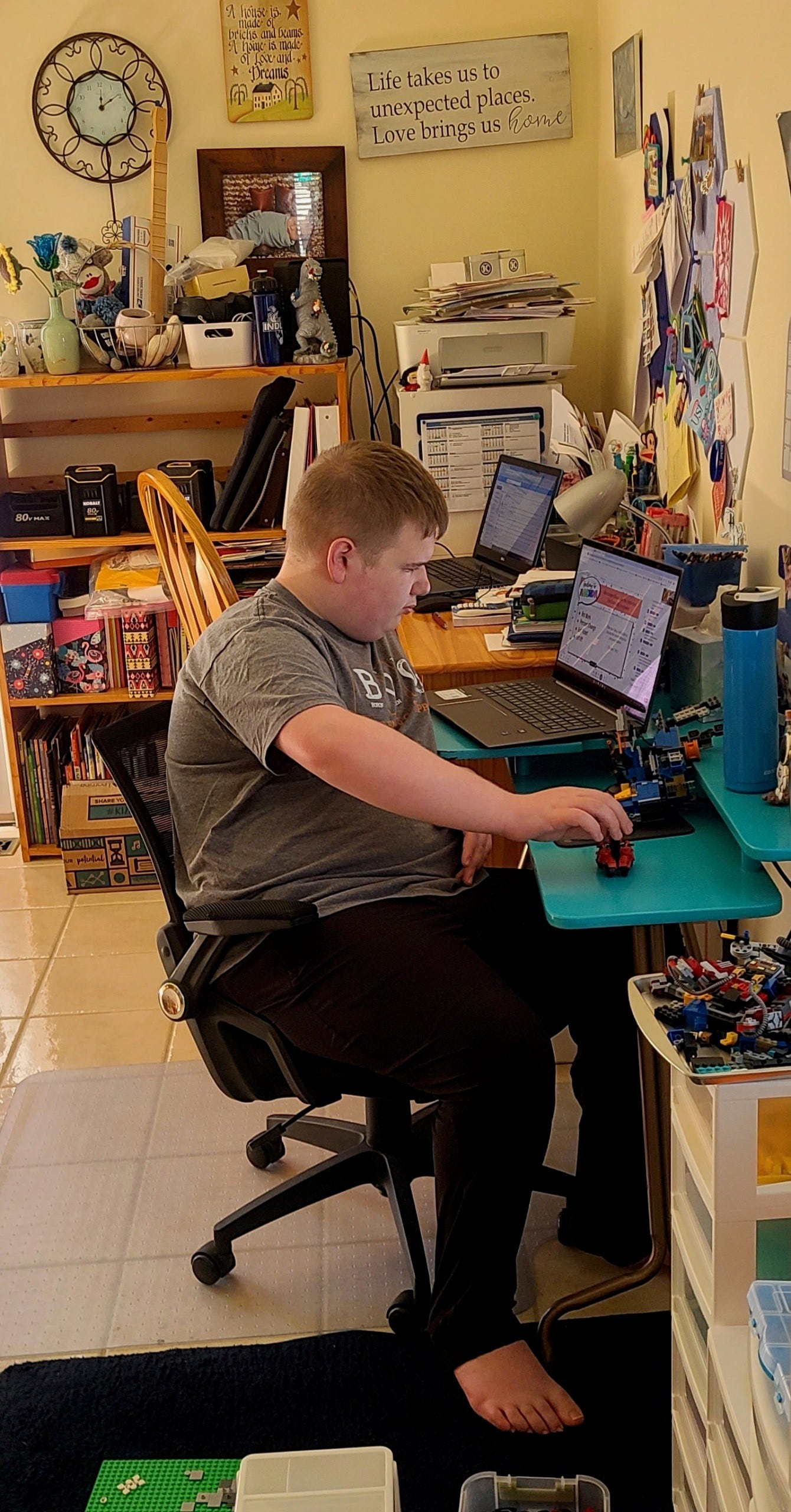
Middle school was a difficult time for Ian Gore. His mother, Elizabeth Gore, noticed that the joy of learning was fading, even though he had always been a high-performing student. She observed that the traditional in-school environment wasn't meeting his emotional or academic needs.
“He was only surviving,” Gore shared with IndyStar. “He wasn’t the thriving adolescent he needed to be. Now he is.”
The family decided to explore alternatives, and Ian enrolled in full-time online classes through the Indiana Digital Learning School. A year later, his passion for learning has returned. At a recent in-person meeting with his teachers, he was ready to give out hugs—something unusual for him.
“And my kid’s not a hugger,” Gore said. “It was so exciting. He had made some huge relationships with them, and they just connected. They get the kiddos.”
This shift to online learning is becoming more common across the country, especially in Indiana. While most families have continued with in-person schooling post-pandemic, some are finding benefits in virtual education for their children. To meet this growing demand, more districts are adopting virtual programs. This trend comes with potential financial advantages for schools.
Legislative changes are pushing districts toward virtual schools. Beech Grove Schools, for example, has partnered with K12, a company that operates multiple virtual schools in Indiana, including private options. The district now runs its own virtual K-12 program and a high school credit recovery initiative.
Beech Grove is responsible for all students enrolled in the virtual schools, whether they live in the district or not. For every student in the Indiana Digital Learning School, the district keeps 6% of the per-student funding provided by the state. The rest goes to K12, which handles curriculum, technology, and staffing.
According to the contract, Beech Grove will receive at least $500,000 annually to cover administrative costs, such as employing a data specialist to ensure compliance with state requirements. Other small districts, like Beech Grove, have also partnered with K12 to help manage budget shortfalls.
One notable example is Union School Corporation, which saw significant enrollment growth through its partnership with K12. However, it now faces closure due to concerns over how it earns millions from virtual schooling.
Beech Grove Superintendent Laura Hammack remains confident in the model. She emphasizes that the district’s approach is integrated, not just a third-party solution. “We say now that we are seven schools, not five, and this is just part of the suite of options we offer to our families,” she said.
Why does Beech Grove want to work with K12?
Hammack highlighted several key benefits. The program offers fully synchronous learning throughout the day, which aligns with the district’s goals. It also includes in-person testing for standardized exams, and all teachers are Indiana-licensed. Students receive laptops and necessary materials.
Attendance policies for the virtual school require students to log in daily and stay engaged. If a student accumulates over 10 consecutive or 18 cumulative unexcused absences, they may be withdrawn from the program.
While virtual schools have faced challenges, including past issues with inflated enrollments and lower academic performance, Hammack believes the consistency of the curriculum will benefit students.
“Having that consistent curriculum is really exciting for us,” she said. “We think it will translate well for students who may be going back and forth between in-person and virtual settings.”
Liz Sliger, executive director for the Indiana Digital Learning School, emphasized the focus on individualized learning. “We pride ourselves on serving the individual student, recognizing intelligence that might look different or be served outside of a traditional environment,” she said.
Why families are choosing online learning
Many families opt for virtual schooling due to health reasons, such as anxiety or depression. Others choose it for flexibility, including expectant mothers or students with jobs.
Kylene Varner, legislative liaison for the Indiana Association of Home Educators, noted that concerns about school culture and bullying have increased. “Parents are leaving a publicly funded system because of behaviors of students,” she said.
Varner also highlighted growing anxiety over new laws, such as holding back third graders who aren’t proficient in reading. She stresses that virtual schooling is not the same as homeschooling.
Gore explained that her family initially considered homeschooling but found that Ian preferred being taught by a teacher. Now, he can complete assignments from anywhere and receives personalized support.
“He doesn’t lack social interactions,” Gore said. “He can communicate with classmates online and pursue extracurricular activities he enjoys.”
Gore expects the family to continue with the virtual school for the rest of Ian’s K-12 journey.

Post a Comment for "Virtual Learning's Enduring Impact: Indiana Students and Schools Reap Benefits"
Post a Comment