
What went wrong in Texans' final possessions during loss to Broncos | Film study
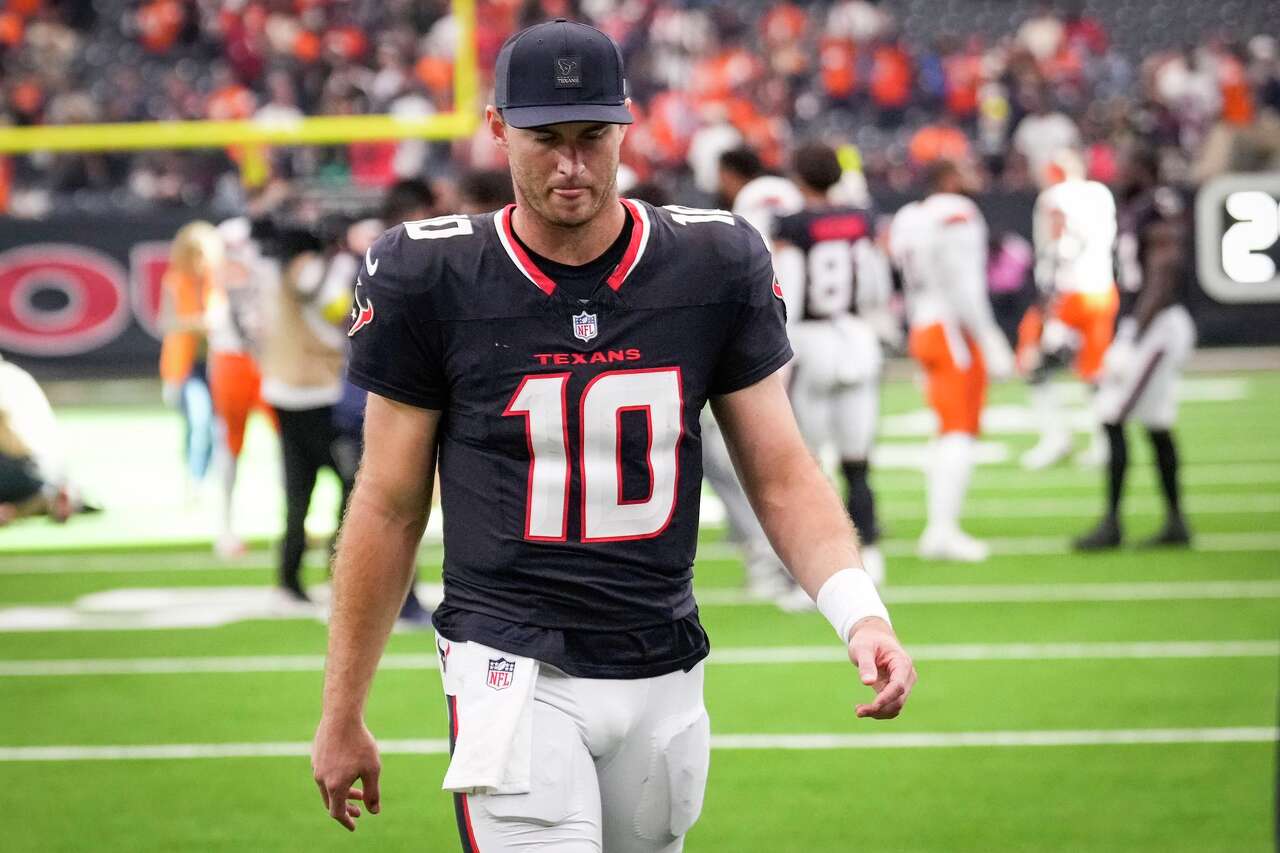
The Houston Texans found themselves in a thrilling situation during the final moments of their game against the Denver Broncos. With the score tied at 15-15, the Texans had the ball and a chance to secure a victory. However, the path to that win was anything but easy, as the team had endured significant challenges throughout the match.
In the second quarter, the Texans suffered a major blow when starting quarterback C.J. Stroud was knocked out after a diving hit from Denver cornerback Kris Abrams-Draine. Later in the same period, starting right tackle Tytus Howard also left the game with a concussion, which significantly impacted the offensive line's ability to protect the quarterback against one of the NFL's most formidable pass rushes.
Despite these setbacks, the Texans' defense and special teams managed to keep the Broncos at bay, preventing them from scoring. With just over a minute remaining on the clock and two timeouts, backup quarterback Davis Mills had the opportunity to lead his team to a win against the AFC's No. 3 seed. Unfortunately, the Texans' final drive didn't go as planned, and they ended up losing 18-15.
"You don't make excuses about who is in the game or not in the game," said Texans coach DeMeco Ryans. "We still had an opportunity there to close the game out and win it. It was just a matter of, are you remaining disciplined in the moment? Are you playing the way you're supposed to play, doing the things you need to do to win the game?"
Offensive Errors
The Texans had several options for how to approach their final possession. They could have been aggressive, trying to drive into scoring range, or they could have taken a more conservative approach, keeping the ball in bounds to force the Broncos to use their timeouts and potentially head to overtime. Instead, the team opted for an aggressive strategy, putting the ball in Mills' hands.
"We're going down trying to score, at least getting field goal range for (kicker Ka'imi Fairbairn) to make a field goal and win the game," Mills said.
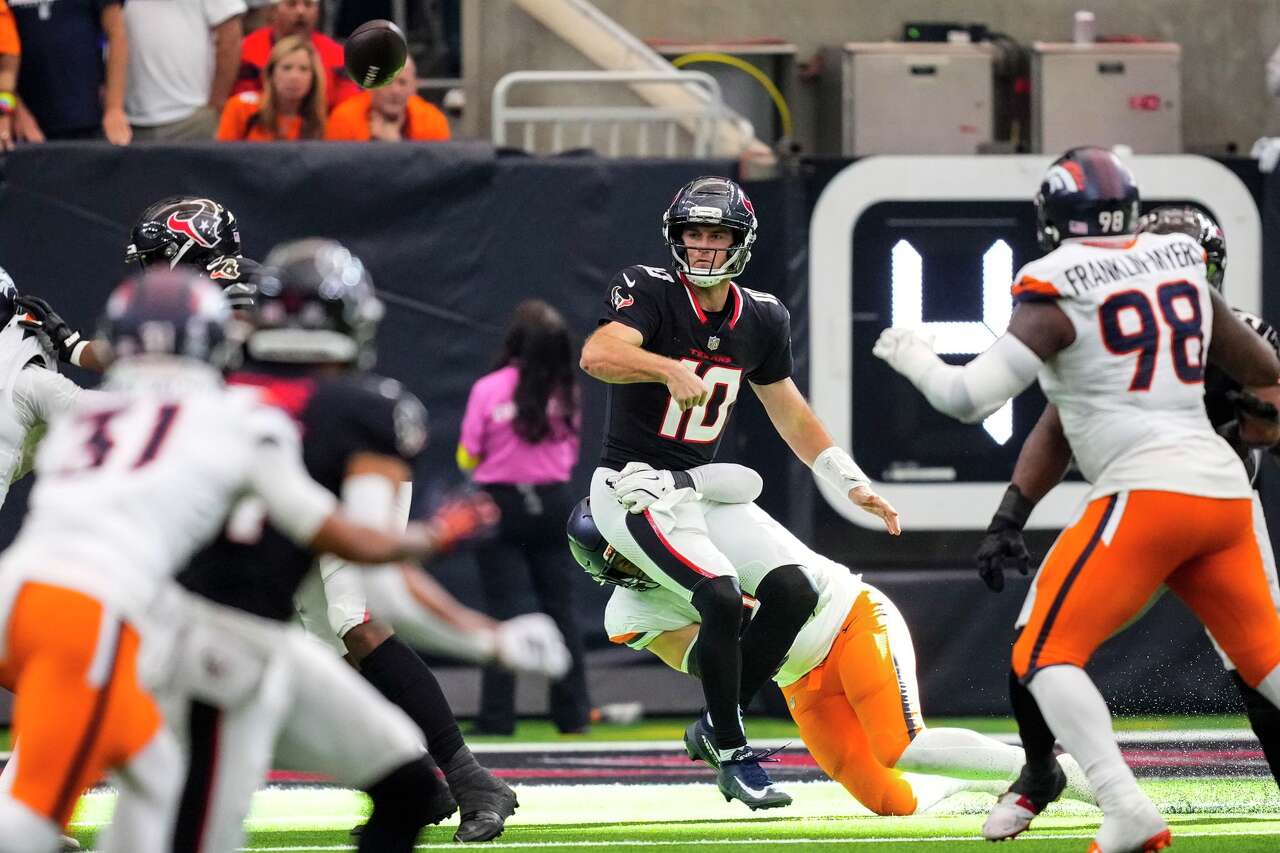
However, the plan didn't unfold as expected. On the first play, Mills attempted a throw to receiver Christian Kirk, but the ball sailed beyond his reach and landed on the sideline. The Broncos were prepared for this move, as nickel defender Ja'Quan McMillan held outside leverage on Kirk and was unbothered by his vertical press. As Kirk broke out, so did McMillan, getting ahead of the receiver and into position for an interception.
Mills had likely predetermined the throw to ensure no seconds were lost. He had an open option in Dalton Schultz's stick route over the middle and had the protection to find it, though that would've kept the clock ticking. Instead, the Texans continued to air it out, leading to another incomplete pass.
The blunder made it all the more important that the Texans converted on the next play. But Mills couldn't find Schultz under pressure and they were forced to punt. The quarterback's first read was Nico Collins running a comeback to the boundary on cornerback Riley Moss, a matchup Houston had hit big on earlier in the day. However, Moss was ready for the route as he played Collins' inside and shielded any throwing lane as he made his break.
Ryans said the Texans tried to get the ball to their Pro Bowl target late, but their play calls weren't creating opportunities to do so. "Of course we want to get the ball to Nico," Ryans said. "We've got to do a better job of gameplanning and putting him in a position to get the ball more."
Defensive Faults
The Texans' defense could still send the game to overtime. The unit had forced punts on six of seven drives in the final two quarters despite Denver dominating time of possession. However, in its biggest moment, Houston's top group failed to deliver as well.
The Broncos' first play after the punt was a swinging screen pass to RJ Harvey, giving him lead blockers to the left side. Linebacker Azeez Al-Shaair sniffed it out and met the running back in the backfield, but he misplayed his angle and couldn't bring him down. Cornerback Kamari Lassiter forced Harvey inside, setting up safety Calen Bullock for the tackle. But Bullock couldn't wrap up Harvey, and he bounced off him out of bounds for three yards.
Houston had opportunities to keep Harvey in the field of play to drain clock or force a timeout. It couldn't convert any of them. The Texans' biggest gaffe would come on the next play. With 44 seconds left from the Broncos' own 39-yard line, Bo Nix rolled right and readied for a deep pass. Houston held Denver's streaking receivers in check and forced Nix to recalibrate his next move. The quarterback was able to do that quickly as a gaping gap opened up the middle of the defense. Nix took off downfield, scrambling 25 yards into field-goal range before going out of bounds and stopping time.


Takeaways
Ryans said Monday that he wouldn't make any changes to his end-of-game decisions after a day to reflect. "No regrets," Ryans said. "We were trying to get in position to score." The feeling is fair, as playing to win was a sensible strategy in the situation. But how the Texans went about executing that plan might be cause for questioning.
Poor play and decision making let the Broncos stop the Texans' offense without using any of its two timeouts. Had they had just one or neither, Nix's heroics might have looked a bit different or been prevented completely.

Post a Comment for "What went wrong in Texans' final possessions during loss to Broncos | Film study"
Post a Comment