
Why Pope Leo XIV's Lebanon Trip Matters Amid Israeli Bombardment
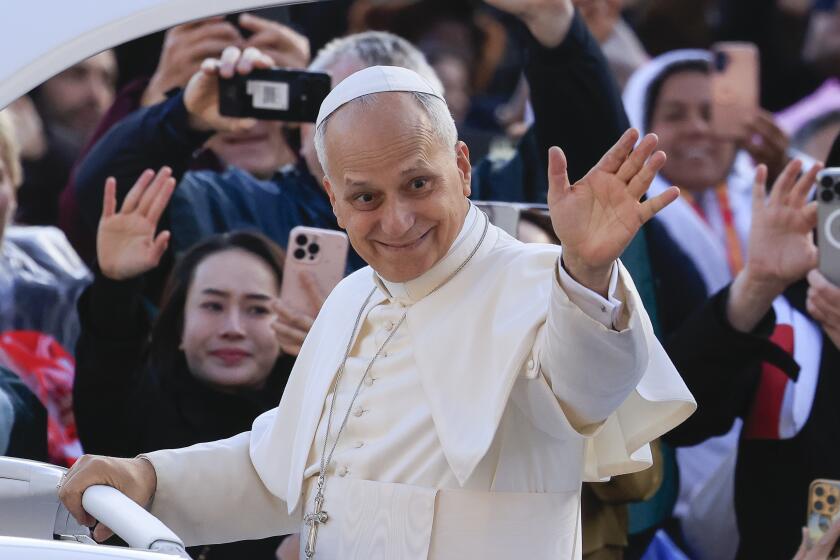
A Pope's Journey to a Region in Turmoil
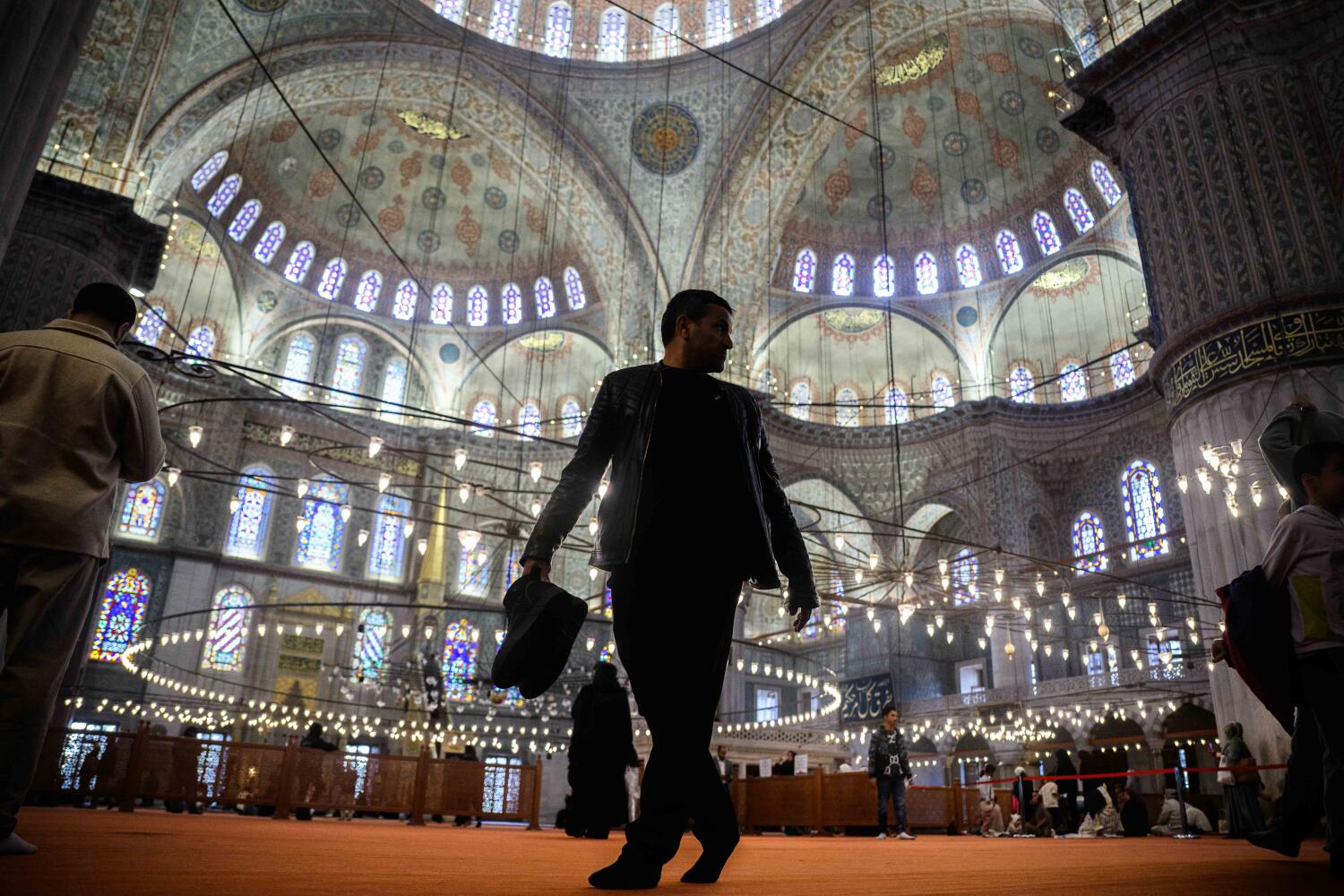
When Pope Leo XIV visits the Middle East this week, he arrives in a region that has long been caught in the throes of conflict and uncertainty. The area is still reeling from ongoing tensions, with the threat of war looming once again. This marks the first international trip for the Chicago-born pope since he assumed the papacy in May. His journey will begin on Thursday in Turkey, where he will celebrate the 1,700th anniversary of the Council of Nicaea, an event that led to the creation of the Nicene Creed — a cornerstone of Christian belief and unity.
However, the true test of his international debut may lie in Lebanon. His visit fulfills a promise made by his predecessor, Pope Francis, who was known for his charismatic leadership and frequent international trips. Pope Francis’s bold approach and candid commentary resonated deeply with the faithful, particularly in the Middle East.
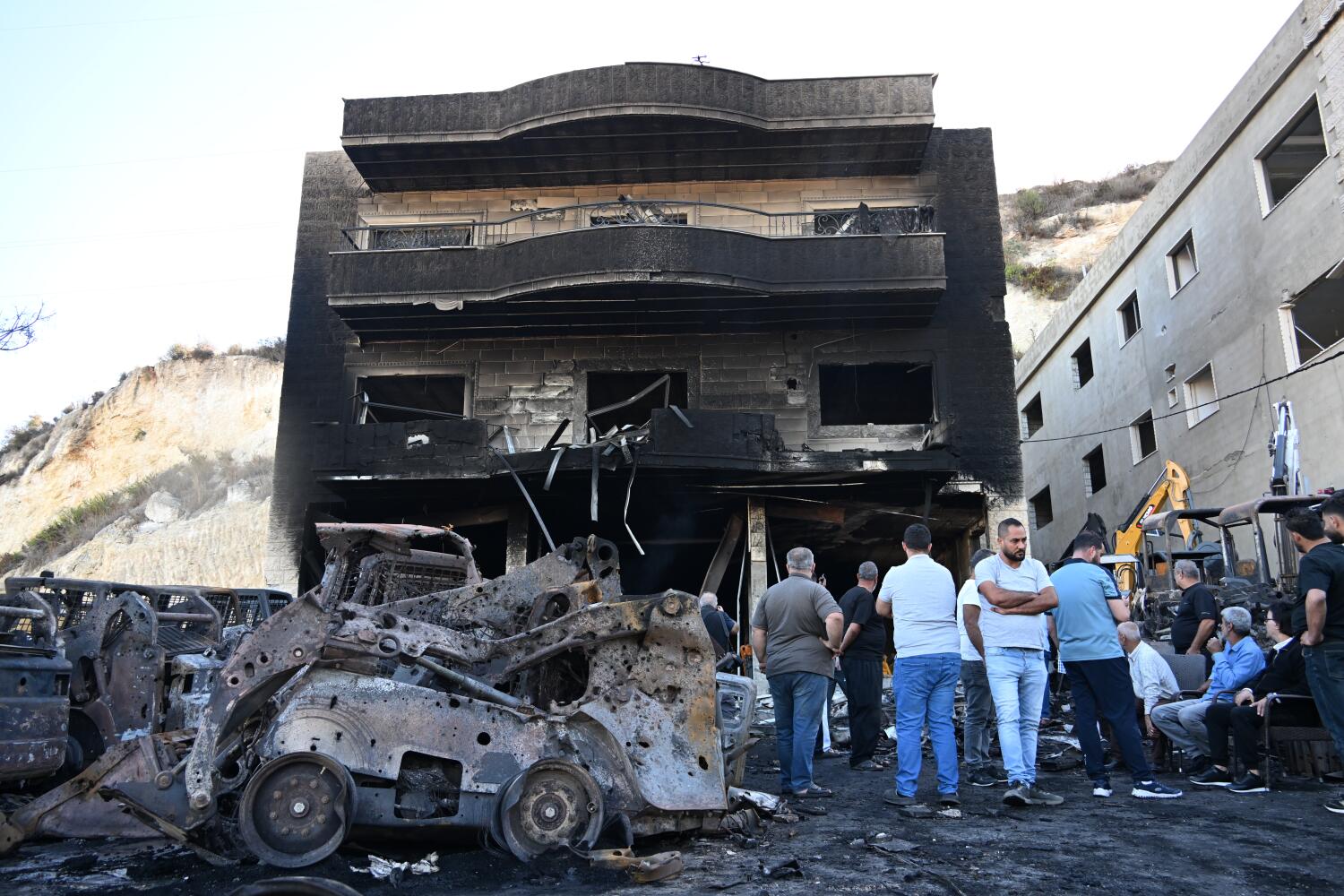
Christians, who make up about 30% of Lebanon's population, are not the only ones anticipating the pope’s arrival. Many residents hope that his visit will serve as a beacon of hope for peace. Lebanon, a small Mediterranean nation, has endured a series of crises over the years. The economic collapse in 2019, which devastated the banking system and currency, was followed by the tragic port explosion in 2020. Then came the war between Hezbollah and Israel, which intensified in 2023 and left significant destruction in the southern and eastern parts of the country.
Despite a ceasefire brokered in November, Israel has continued its attacks on Lebanon, citing efforts to prevent Hezbollah from regrouping. The United Nations has documented over 10,000 air and ground violations in Lebanese territory, along with 127 civilian deaths since the ceasefire took effect. These attacks have also hindered reconstruction efforts, leaving many residents unable to rebuild their lives.
Safety Concerns and the Pope's Determination
Safety concerns for the pope have been a major topic of discussion among the people of Lebanon. In October, Jordan’s Queen Rania asked the pope during a photo-op at the Vatican whether it was safe to go to Lebanon. His response was straightforward: “Well, we’re going.” This statement underscored the determination of the new pontiff to proceed with his visit despite the risks.
Alarms were raised again when Israel bombed Beirut’s southern suburbs, just two miles away from where the pope would be landing on Sunday. The attack, which killed Hezbollah’s most senior military commander, coincided with a recent uptick in Israeli strikes and drone activity. Observers believe this could signal an impending all-out assault. Nevertheless, the trip is still scheduled to take place, according to Lebanese officials.
For Oumayma Farah, development director of the Order of Malta Lebanon, the pope’s visit is a sign of courage and resilience for the Lebanese population and Christians in the region. She believes that the Church teaches people not to be afraid, and the pope serves as the ultimate example.
The Decline of Christianity in the Middle East
Like many countries where Christianity first took root, Lebanon has seen its Christian population decline over the decades due to wars, economic stagnation, and the relative ease of emigration. Across the Middle East, the number of Christians has dropped from 20% of the population to a mere 5%. Lebanon remains the Arab country with the highest proportion of Christians, estimated at around 30% by various research groups and the U.S. State Department.
The pope’s decision to visit Lebanon is seen as a way to re-center the importance of this country and act as a wake-up call for its politicians. After spending three days in Turkey, the pope will arrive in Lebanon on Sunday and depart on Tuesday.
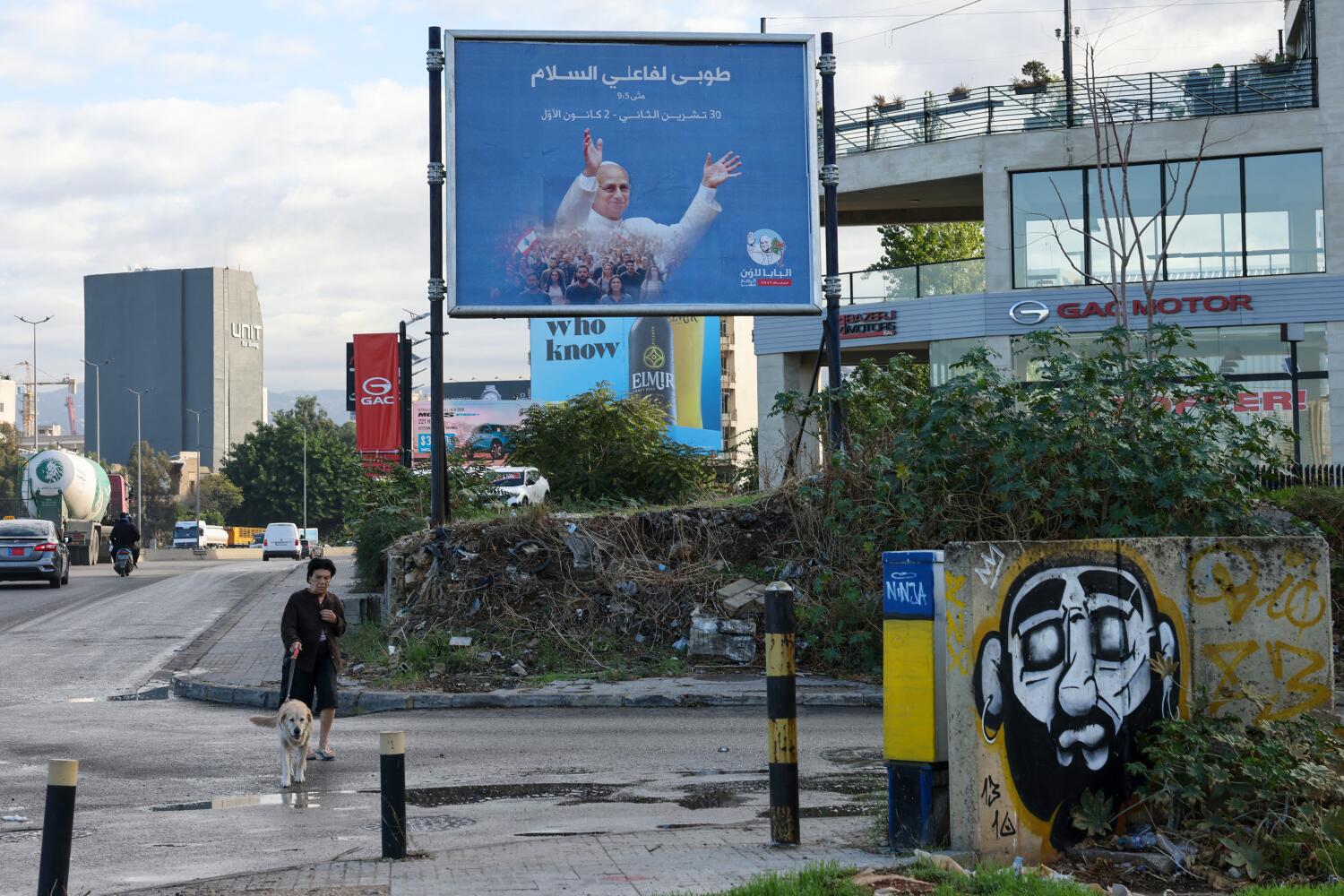
In Beirut and other areas on the pope’s itinerary, there is visible logistical activity and preparations. Police and security personnel have increased their presence. A two-day holiday was announced to allow participation in public prayer events, even as parishes and schools across the country have been involved in bringing the faithful to attend Mass near the site of the Beirut port blast.
The Impact of the Visit
Meanwhile, roadworks and maintenance, which had been neglected in recent years due to financial woes, have resumed. There is a local joke that people would welcome another papal visit if only to see the government finish repaving the country’s pothole-stricken streets. However, there is a bitter corollary to this humor: the refurbished roads are expected to last only until the pope leaves, as they may be destroyed in a new Israeli campaign.
The gallows humor reflects the uncertainty of the moment. The U.S. and Israel are pushing the Lebanese army to fully disarm Hezbollah, while the group insists it will only disarm in the south. Lebanon’s government claims it cannot persuade Hezbollah to give up its arms as long as Israel continues to occupy Lebanese territory, and doing so by force would lead to civil war.
A Symbol of Hope
The hope is that the pontiff can help break the deadlock. Although few expect immediate change, the visit is still considered important. Father Tony Elias, a Maronite parish priest from Rmeish, a village located just across the border from Israel, said that when the pope visits a country that has been in pain for so long, it is truly enough to lift that pain.
Rmeish, which maintained a neutral stance during the war, is relatively unscathed, an exception in the wasteland that has become Lebanon’s border area after years of Israeli bombardment. Elias expressed a desire for the pope to visit the south, but he was not disappointed. He and about 200 others from the village would travel to Beirut to join the pontiff.
“If he can’t come to the south, we can come to him,” Elias said.

Post a Comment for "Why Pope Leo XIV's Lebanon Trip Matters Amid Israeli Bombardment"
Post a Comment