
Why You Should Skip TSA Facial Recognition Now
The Growing Debate Over Airport Face Scans
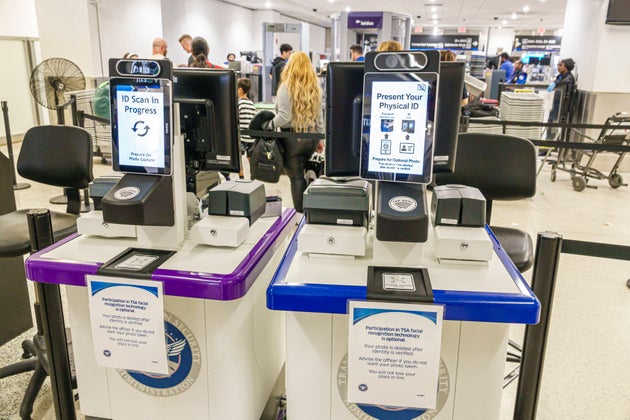
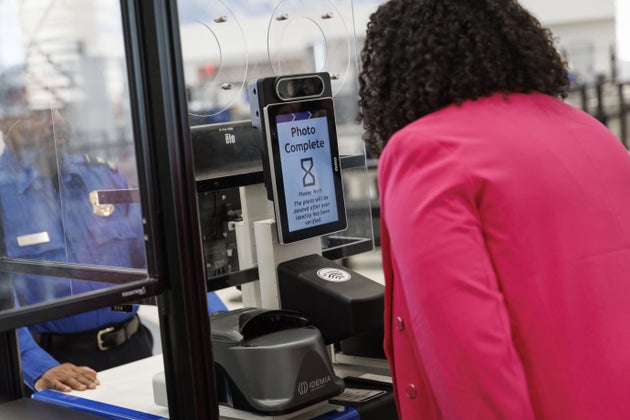
In an increasing number of Transportation Security Administration (TSA) lines at U.S. airports, travelers may be asked to look into a camera that takes their photo. This facial recognition technology has been part of TSA’s screening program in select airports across America since 2020. According to the agency, this system is designed to verify that the person standing before an agent matches the image on their identification, making the process more efficient and convenient.
However, not everyone is aware that they have the right to refuse this face scan. In fact, there are compelling reasons why some travelers might choose to opt out. As the use of biometric data becomes more prevalent, concerns about privacy and potential misuse of personal information have grown significantly.
Why Opt Out?
One of the primary reasons to decline a face scan is the concern over how the government handles biometric data. Travis LeBlanc, a lawyer and former member of the Privacy and Civil Liberties Oversight Board, explains that opting out means you don’t have to submit your picture to the government for storage under their rules. While TSA claims it only uses biometric data for identity verification at checkpoints, the potential for future expansion of this technology raises alarms.
In its 2022 roadmap document, TSA outlines a vision where biometrics could be used for real-time validation and vetting. A TSA spokesperson clarified that "real-time" simply means a live photograph is matched against the image on the identification credential. However, the lack of transparency around data usage has led to skepticism among privacy experts.
Jennifer King, a privacy and data policy fellow at Stanford University, notes that TSA's communications are vague about what they do with the data. She also expresses concern about the Department of Homeland Security's past handling of travelers' privacy. These concerns make her choose to decline face scans every time.
The Broader Implications
It's important to understand that TSA is not the only agency using facial recognition technology at airports. Customs and Border Protection (CBP) also conducts facial scans at airport checkpoints. For U.S. citizens, CBP keeps photos for no more than 12 hours after identity verification. However, non-citizens may not have the same guarantee regarding the deletion of their images.
The potential for this technology to be used beyond identity verification is a growing concern. LeBlanc points out that TSA is part of the Department of Homeland Security, which is also responsible for immigration enforcement. This raises the possibility of these images being used for other purposes in the future.
The Role of the Privacy and Civil Liberties Oversight Board
The Privacy and Civil Liberties Oversight Board, intended to serve as a watchdog for travelers’ civil liberties, recently faced significant challenges. Key members were fired by the Trump administration, including LeBlanc and two other Democratic appointees. This has left the board with only one Republican appointee and has hindered its ability to take on new projects without a quorum.
LeBlanc emphasizes that the public has lost a critical watchdog that would promote transparency and make recommendations on balancing privacy and civil liberties. He is currently suing the U.S. government for his reinstatement, arguing that the termination was illegal.
How to Opt Out
Opting out of TSA face scans is a straightforward process. Travelers can simply state to an agent that they do not want their photo taken and wish to opt out of the face scan. From there, a TSA agent should follow standard procedures to verify identity by looking at the traveler’s ID and face. Declining a photo should not result in any delay or issue.
TSA itself states on its website that there is “no issue and no delay” with a traveler exercising their right to not participate in the automated biometrics matching technology. By declining a face scan, travelers assert their individual privacy rights and send a message about the kind of treatment they are willing to tolerate at airports.
The Future of Airport Security
With TSA’s Credential Authentication Technology units currently used in nearly 84 airports nationwide and expected to expand to more than 400 airports in the coming years, the impact of widespread adoption is significant. If more people continue to decline face scans, it could prompt TSA to reconsider the effectiveness of such programs.
Saira Hussain, a senior staff attorney at the Electronic Frontier Foundation, believes that if there is no pushback, TSA will likely continue to implement more invasive techniques. She encourages travelers to see each face scan as a unique opportunity to assert their rights and challenge the status quo.

Post a Comment for "Why You Should Skip TSA Facial Recognition Now"
Post a Comment