
Exotic Pet Trade Fuels Illegal Online Sales and Calls for Stricter Regulations
The Rise of the Exotic Pet Trade and Its Impact on Wildlife
A growing exotic pet trade has sparked concerns among conservationists, who are urging for stronger regulations to protect reptiles, birds, and other animals in the wild. These creatures are increasingly appearing for sale on internet marketplaces and gaining popularity on social media. This trend is raising alarms about the sustainability of wildlife populations and the need for international cooperation.
CITES Convention Addresses Growing Concerns
The two-week Convention on International Trade in Endangered Species of Wild Fauna and Flora (CITES) is currently taking place in Samarkand, Uzbekistan. This conference is a critical platform for discussing proposals related to the pet trade, which has become a significant threat to various species.
Participants have proposed tighter regulations or complete bans on the trade of several species, including iguanas from the Galápagos Islands, more than a dozen species of Latin American tarantulas, and an unusual turtle from Africa. These proposals aim to address the growing demand for exotic pets and the associated illegal trade.
Internet Drives Illegal Trade
In the past, the trade was dominated by sales of animal parts such as elephant ivory and tiger bones. However, Matt Collis, senior director of international policy at the International Fund for Animal Welfare, highlights that live animals for the pet trade are now increasingly appearing online.
"The dramatic growth in online marketplaces has put consumers directly in touch with wildlife traders and criminals around the world," Collis said. "In today’s society where pretty much anything can be bought with a click of a button and shipped anywhere in the world in a matter of days, no wildlife is safe."
Social media influencers, who have made owning exotic pets fashionable, are also contributing to the problem. Their influence can drive demand for rare and unique animals, often leading to increased poaching and illegal trading.
Report Highlights Illegal Trade in Latin America
An IFAW report from last year found that illegal trade is on the rise in Latin America. The report, covering 18 Spanish-speaking countries, revealed that over 100,000 animals were seized or poached between 2017 and 2022, with seizures increasing each year.
Reptiles accounted for about 60% of the animals, while nearly 30% were birds and more than 10% were amphibians. Many of these animals were traded locally or regionally, but there was evidence of them being shipped to collectors in Europe, Asia, and the United States. More than 90% of the seized wildlife destined for Europe were live animals, confirming the demand for pets as a key driver of the illegal trade.
Species Up for Protection
Among the reptile species up for tighter trade controls is the Home’s Hinged-back Tortoise, a critically endangered turtle found in West Africa. A commercial ban on the trade in this turtle was approved recently.
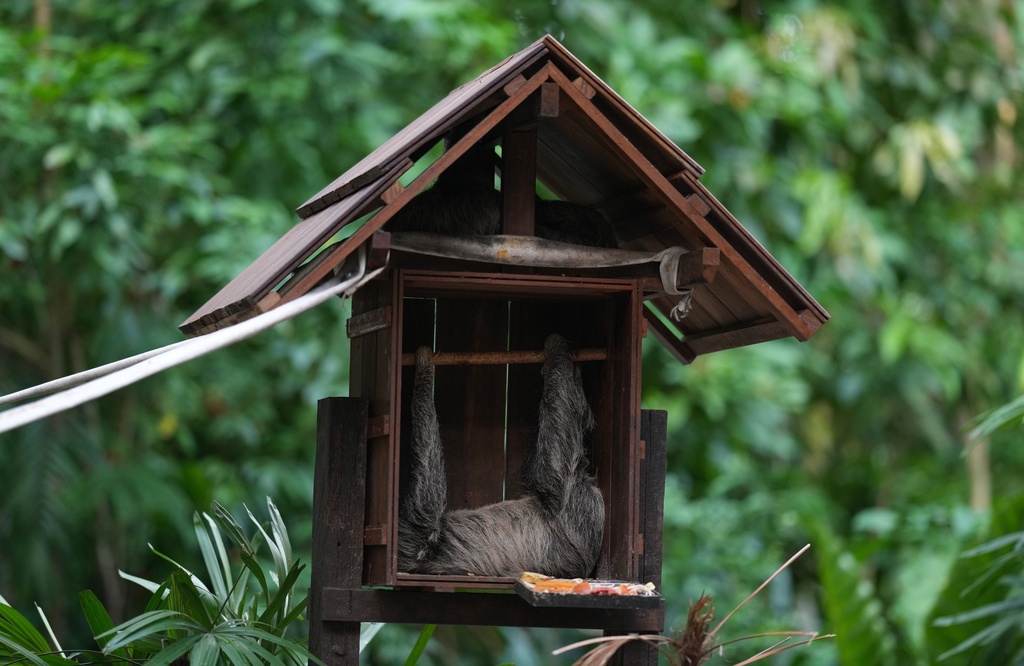
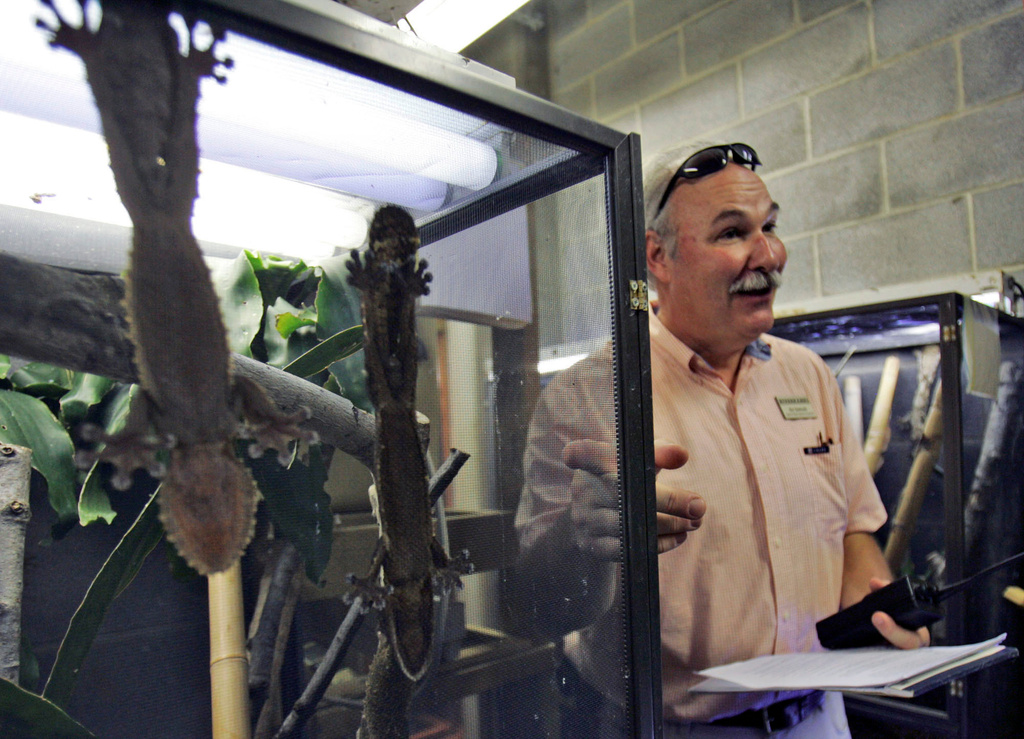
Proposals to regulate the trade in two viper species endemic to Ethiopia, two species of rattlesnake found mostly in Mexico, the leaf-tailed gecko from Australia, and two species of sloths from South America are also under consideration. A ban on the commercial trade in the vipers was approved, but the rattlesnake proposal was rejected. The gecko and sloth proposals are expected to be debated later in the week.
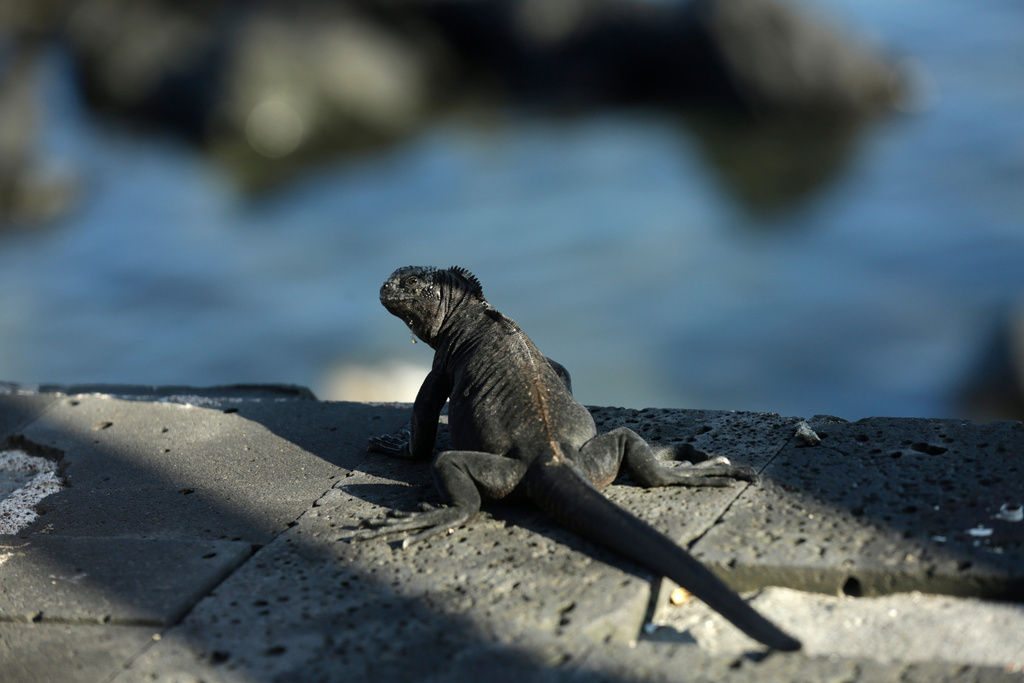
A proposal from Ecuador to ban the trade in marine and land iguanas from the Galapagos, which are listed as critically endangered or vulnerable, will be debated. Concerns exist that the illegal trade could further destabilize the population, which already faces threats from invasive species, rising tourism, and weather fluctuations linked to El Niño.
CITES Permits Abused
Collis pointed out that a species can be banned for trade in its home range but sold online by traders who abuse the CITES permitting process. Countries issue permits without verifying the origins of the animals, allowing traffickers to launder wildlife from illegal sources. This undermines the framework meant to protect these species.
Lieberman of the Wildlife Conservation Society noted that the CITES proposals highlight a long-standing issue with captive breeding of exotic species. While the treaty was drafted in the early 1970s, it did not anticipate the scale of captive breeding, which has created a market that often favors wild-caught animals.
Pet Traders Fear Proposals Go Too Far
A proposal that was rejected on Tuesday aimed to regulate the trade in more than a dozen species of tarantulas. Bolivia, Argentina, and Panama emphasized that these invertebrates are among the most heavily traded groups online. The proposal would have allowed the trade as long as there was proof of legal, sustainable, and traceable sources.
However, the United States Association of Reptile Keepers opposed the listing, calling it "incongruous" to group many species into a single proposal. They argued that current regulations provide adequate protection and that the proposed changes represent government overreach.
Report Highlights U.S. Role in the Pet Trade
A report from the nonprofit Center for Biological Diversity, set to be released on December 8, reveals that the United States is one of the largest markets for the pet trade. It imports an average of 90 million live amphibians, arachnids, birds, aquarium fish, mammals, and reptiles each year.
The report emphasizes that wildlife exploitation, including for the pet trade, is a major driver of the global extinction crisis. One million species are at risk of extinction unless action is taken to address species loss. Addressing the U.S. role in the exotic pet trade must be a top priority to protect biodiversity for future generations.

Post a Comment for "Exotic Pet Trade Fuels Illegal Online Sales and Calls for Stricter Regulations"
Post a Comment