
What One Shelter Worker Wants Adopters to Know
The Hidden Realities Behind “Adopt, Don’t Shop”
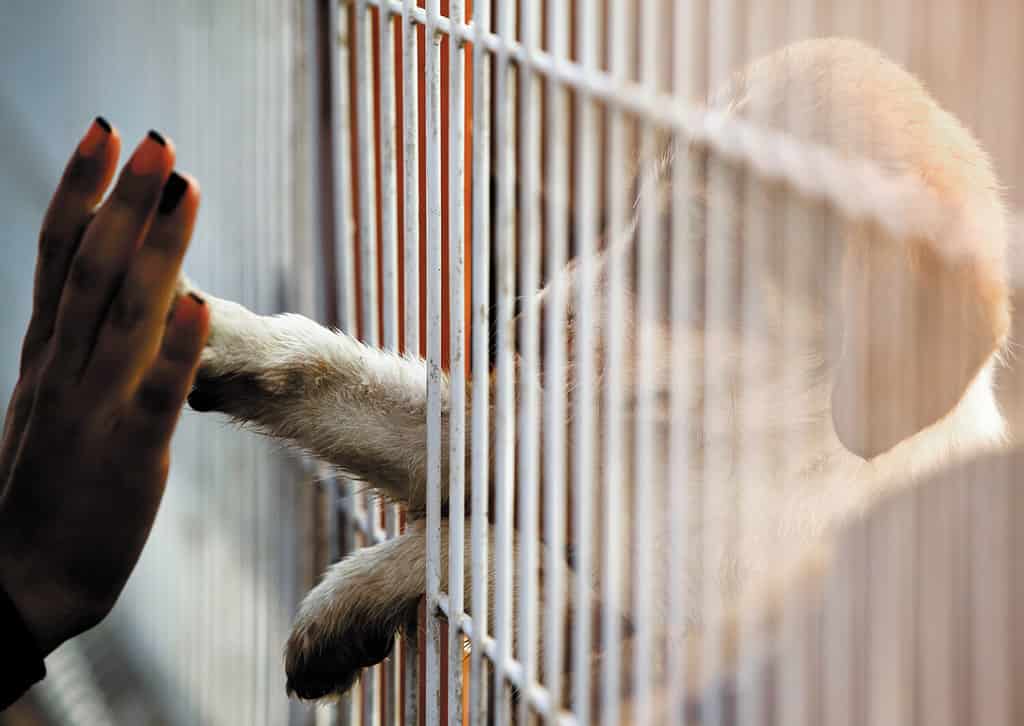
When potential pet adopters walk into any animal shelter, the experience can be simultaneously emotional and wonderful. However, as an anonymous employee from the Oregon Humane Society (OHS) explained, “What you feel in that moment is only the start of a relationship should you fall in love with one of our adoptable pets. There are months of care, change, and needed flexibility ahead that many adopters don’t expect.”
This particular employee said that, while adopters’ enthusiasm is always appreciated, “I wish people knew what most don’t yet realize when they walk in: this is not a one-time event, it’s a lifetime commitment.” According to OHS’ adoption statistics, the organization achieved a live-release rate of 97.8% in 2020, having adopted 7,204 animals that year. In 2022, the shelter reported 9,825 total adoptions (2,952 dogs and 6,445 cats) with a 98% live-release rate at its Portland campus. The worker we interviewed was proud of those numbers, stating that the staff’s commitment to thoughtful, lasting placements is what makes the difference.
What Should Potential Animal Adopters Know Before Adopting?

The real reason for this interview is clear: uncovering all of the factors pet adopters need to know before falling in love with any animal at a shelter. It’s easy to say you’re ready to provide a home for an animal in need, but how do shelter staff members adequately prep adopters so they aren’t surprised by their new pet, or worse?
“We do a lot of behind-the-scenes work before we hand over the leash or carrier,” they said. So much of what happens behind the scenes and even during discussions with potential adopters is education. These are the considerations one staff member said are musts before adopting any animal.
Consider the Size of the Pet in Relation to Your Lifestyle

One of the most common surprises new adopters face is how much a pet’s size, energy, and strength affect daily life. The OHS worker said, “We once had a young couple who chose a seventy-pound dog because it was friendly in the pen, saying they’d grow into him. Six months later, the dog was knocking over their toddler and destroying their hallway.”
The anonymous employee added, “I get so tired of hearing ‘we’ll figure it out,’ but then the house, the flooring, the neighbors, and the furniture all become casualties. A little bit of forethought would’ve saved everyone so much stress, and that dog was eventually, heartbreakingly, re-homed.”
They explained that shelter pets don’t come with a shrink button; their size, strength, and activity levels are mostly fixed, and puppies especially fall victim to ignorant adopters. “If the pet is already built for ten miles of running a day, adopting them into a sedentary life is unfair to everyone involved,” the worker said.
The Age of the Pet and Unexpected Longevity
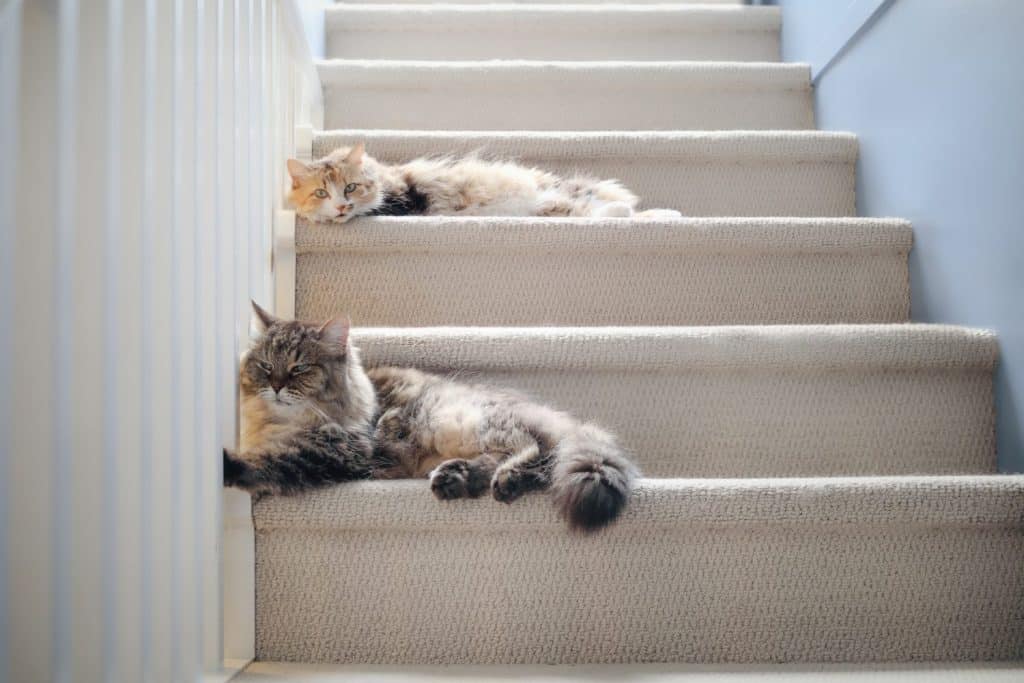
Another point of consideration the worker stated was age. “People think ‘puppy’ or ‘kitten’ means cute and manageable, but those are the most demanding stages of an animal’s life,” they said. “We’ve had adopters return dogs, far more than cats, because they didn’t realize how much training, exercise, and structure a young dog needs.”
Senior animals, while calmer, also come with challenges. “I’ve lost count of how many people picked a sweet older dog because they felt sorry for it, then brought it back because the medical costs were higher than they expected,” the worker admitted.
At OHS specifically, both young and senior pets receive full medical and behavioral evaluations before adoption, but the worker said many adopters still underestimate the long-term care required. Many U.S. shelters can’t afford these evaluations, so the medical and behavioral needs fall entirely on prospective owners, often leading to unwanted surprises shortly after adoption.
The True Cost and Time Commitment of Any Animal
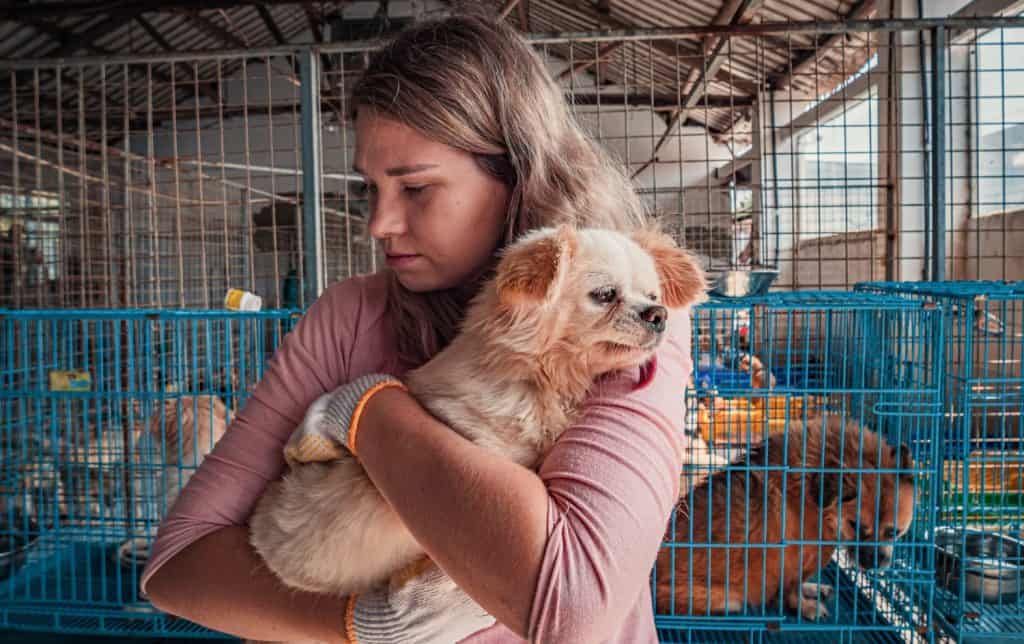
Many adopters look at an adoption fee and assume that’s their full financial commitment. “That fee is just to help us care for future animals and ensure you have the financial stability to afford a pet in the long run,” the worker said. “What you’re really investing in is years of food, vet visits, grooming, training, and patience. With shelter animals, you often adopt their trauma, which costs time and empathy, not just money.”
They admitted to a quiet frustration, one of the reasons they preferred to remain anonymous: “I sometimes roll my eyes when someone asks, ‘What’s the lowest fee you have?’ and then says they’ll never spend more than twenty dollars a month on food. What about emergency situations or enrichment items for your pet so they can live a happy and long life?”
According to OHS’ annual reports and data, pets stay at their shelter for an average of 14 days for cats and 21 days for dogs before adoption, suggesting a careful process for screening and support behind the scenes. However, once the animal goes home, the commitment belongs entirely to the adopter and is out of their careful hands.
Behavior Comes With History, But Also Changes With Passing Time

This OHS worker stressed that “shelter pets usually arrive with a past, whether any of us know it or not.” Many animals are surrendered due to behavioral challenges, such as separation anxiety, fear, or, worst case scenario, aggression. “I wish people sought out behavioral help from day one, not just when the house gets wrecked,” they said.
They admitted to another pet-peeve they often hear, especially with dog adopters: “When I hear, ‘Oh, we’ll just re-train him ourselves,’ and then no one follows through with a single class, it’s never a real surprise, just a disappointment. I always see the warning signs on day one, but can’t do anything to ensure they follow through.”
And it isn’t just past traumas influencing your pet. “Both dogs and cats need at least six months to a year to settle into their new homes,” the OHS worker explained, “and their behaviors will change as they get more comfortable. This can make people feel like they’ve brought home a completely different pet than the one they met at our shelter.”
The Oregon Humane Society’s approach includes a behavior-support hotline and online resources for new adopters, which is part of its broader commitment to keeping pets in homes and out of the shelter system. However, very few owners end up reaching out, assuming their pet’s behavioral issues as a point of shame or failure on the owners’ part.
Housing, Lifestyle, and Future Changes
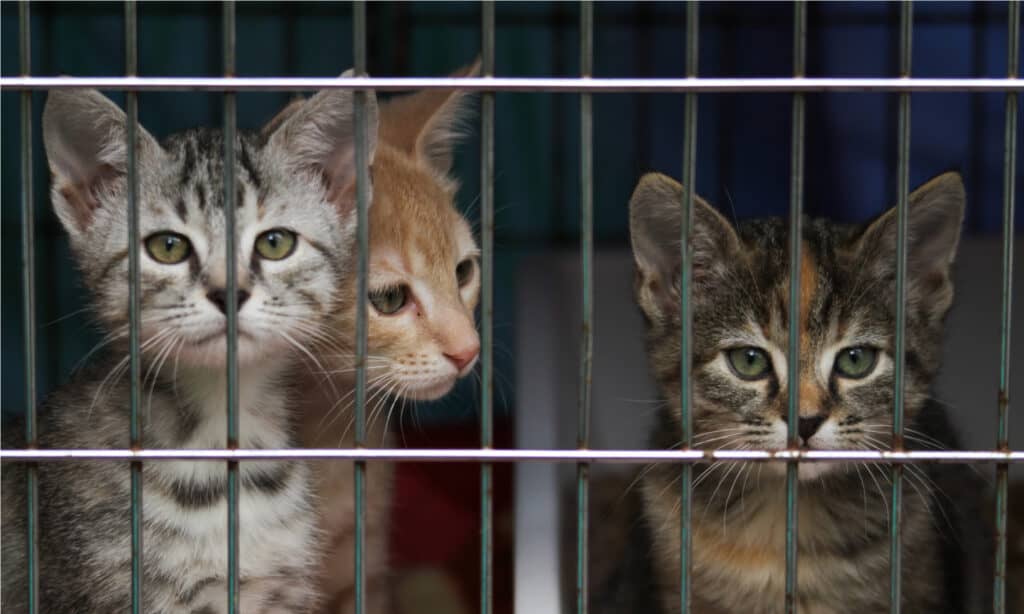
The worker also urged potential adopters to think long term before adopting any animal, including cats. “You may have a backyard or free weekends right now, but what happens when you move, or your work hours change, or you want to take a long vacation? Any change in your life is also a change in theirs.”
Each year, OHS receives more than 11,900 incoming animals across its campuses, including pets surrendered due to housing changes or family transitions, according to the OHS Foster-to-Adopt Report. While this number doesn’t reflect animals solely surrendered due to change, a fair amount wind up in shelters when life gets too complicated.
“When we meet a family, we ask tough questions about travel, work schedules, and future plans,” the worker said. “People get defensive, but it’s because we’ve seen the fallout when those things aren’t considered.”
Other Honest Confessions From an Animal Shelter Worker

During our interview, this OHS worker shared frustrations they rarely express publicly. “I wish people stopped asking, ‘Which animal won’t cause problems?’ As if there’s ever a perfect pet, or human being, for that matter. These are living creatures, just like us. Each one brings personality, quirks, and history, things we have to be willing to work with in the long run.”
The shelter worker also brought up when adopters treat the adoption itself as the finish line; they’ve saved an animal and have no obligation to care for it beyond removing it from a shelter. “I’ve had people come back three months later saying their dog ‘does nothing,’ and when I ask what they did to help their new pet, they shrug, assuming the dog would just learn on his own,” the worker said.
The Oregon Humane Society and animal shelters across the U.S. take their time to match animals to prospective families. While potential adopters are welcome to adopt whatever animal they please, shelter staff exists to protect both the animals in their care and adopters from unfortunate circumstances.
“At the end of the day, a returned or re-homed animal is an animal who feels that they’ve let down the humans they just started getting to know. It’s heartbreaking and unfair to a creature who just wants a safe space to call home,” the worker stated.
What Animal Shelter Workers Want You to Remember Before Adopting
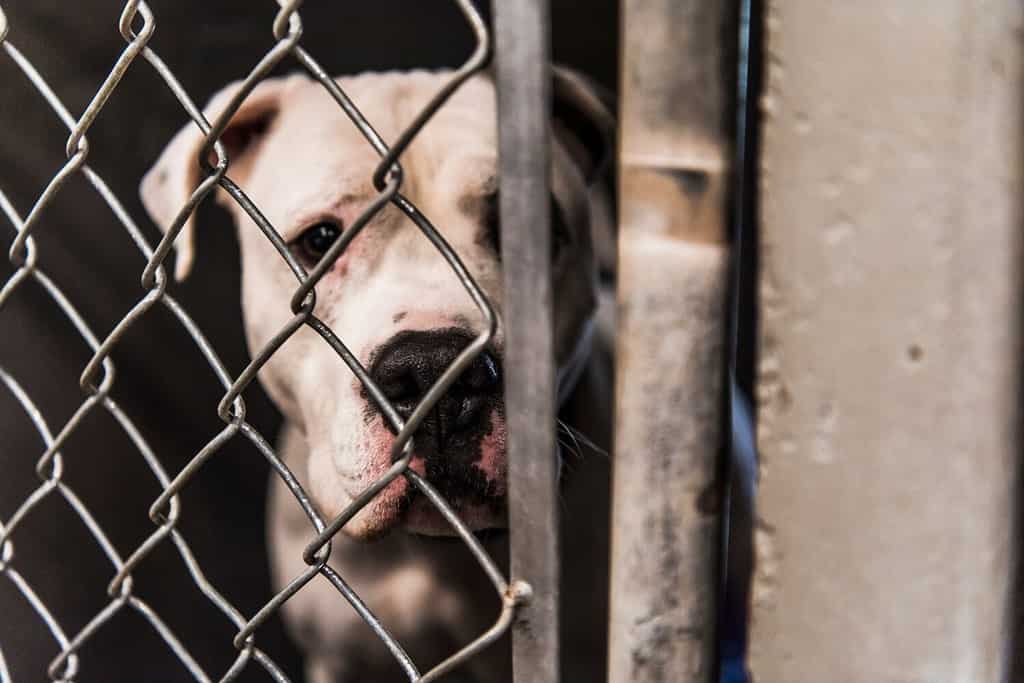
The OHS employee’s final message was simple: “If you’re ready for surprises, growth, and commitment, it’s time to give a shelter pet a home. But if you’re just looking for novelty or convenience, you’ll both struggle.” They encouraged would-be adopters to pause before meeting any animal and ask themselves,
Do I have the budget, time, and heart for this companion long-term, even after the initial fun has faded?
At the Oregon Humane Society, staff like this anonymous worker see hundreds of happy endings every month, but they also see the tragedy of mismatched expectations, as do plenty of other shelters in the U.S. Their advice is clear: adopt with intention and prepare with care. With a happy match, you’ll not only change a pet’s life; you’ll likely change your own.

Post a Comment for "What One Shelter Worker Wants Adopters to Know"
Post a Comment